


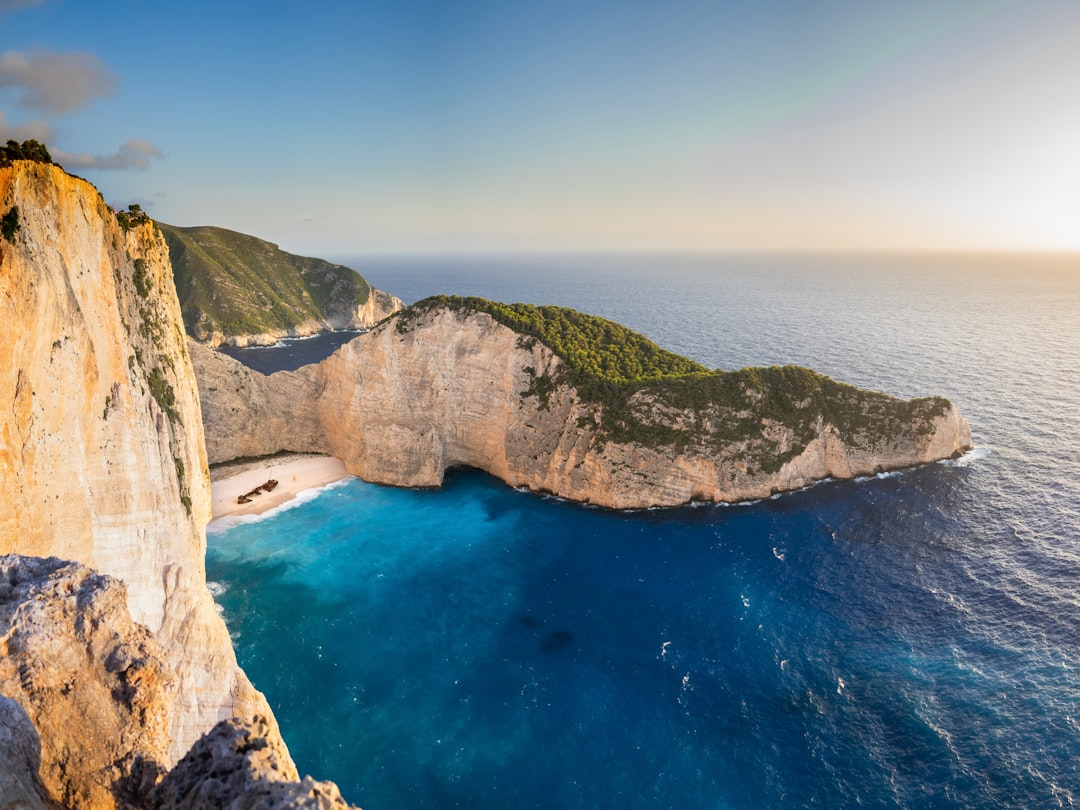
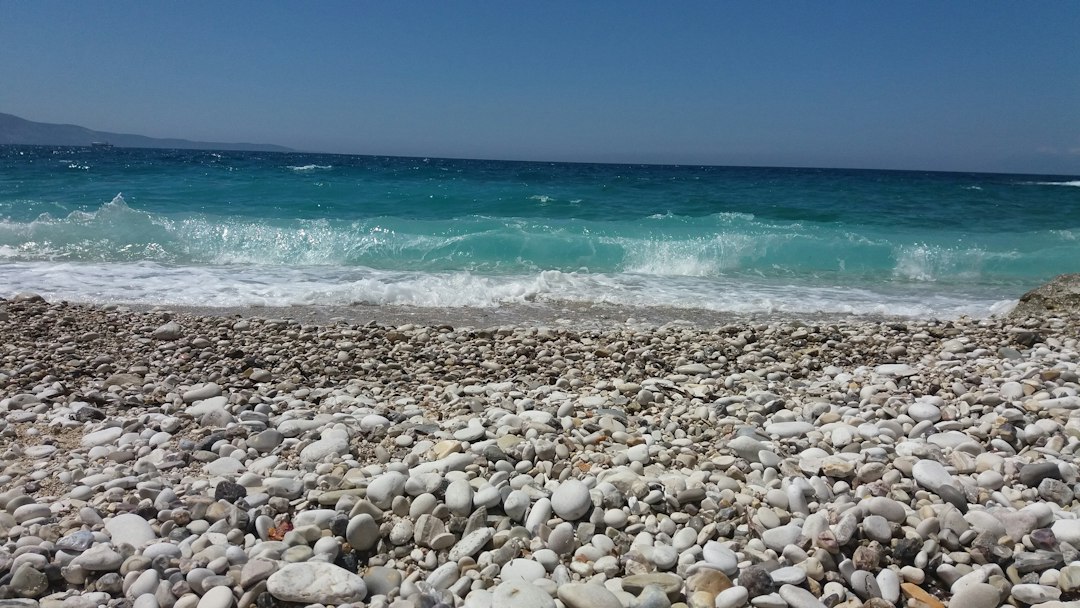
The ferry from Patras drops you on the wrong side of the island, and the first thing that hits you isn't the salt air—it's the smell of diesel and desperation. I'm standing in Zakynthos Town, watching a Greek cop argue with a German backpacker over a parking ticket, while a seagull steals my half-eaten gyros. This isn't the postcard paradise the brochures promise. It's a raw, sun-bleached collision of mass tourism and ancient stone, where the only thing more chaotic than the traffic is the sheer volume of sunscreen being applied on the main square. But then I turn left, miss the tourist trap bars, and follow a goat trail down to a cove where the water is so clear it looks like liquid glass. That's when I realize: Zakynthos isn't a destination. It's a battlefield for your attention, and if you fight back, you win.
Most people come here for the turtles. They come for the shipwreck. They come to get wasted on the beach. I came to see if there was anything left under the layer of all-inclusive resorts and neon umbrellas. The answer is yes, but you have to dig. You have to ignore the guys handing out flyers for "party boats." You have to drive the winding roads to the north, where the cliffs drop straight into the Ionian Sea and the only sound is the wind tearing through the cypress trees. This is the real island. The rest is just a theme park built on top of it.
History & Identity
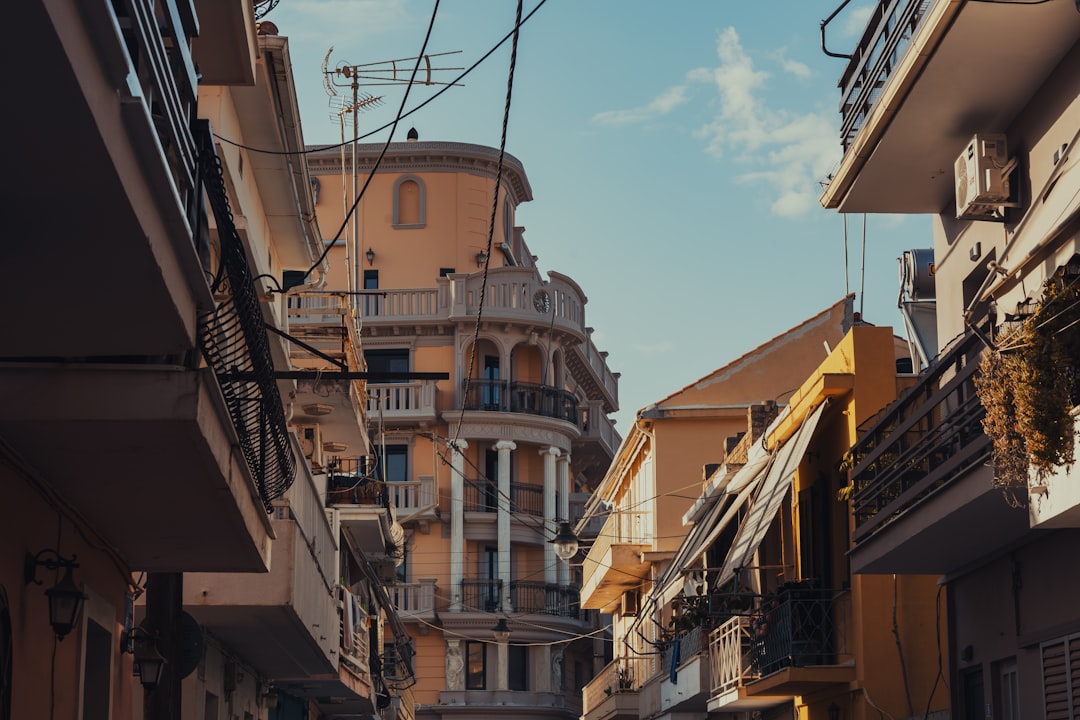
Zakynthos didn't always belong to Greece. For centuries, it was a pawn in the great European chess game, passed from the Venetians to the French, to the British, and finally to the Hellenic state in 1864. You can still see the scars of this history in the architecture of Zakynthos Town. The neoclassical buildings that line the waterfront aren't just pretty; they're a statement of wealth and power from the Venetian era, when the island was a hub for olive oil and wine trade. The 1953 earthquake leveled much of the town, but the reconstruction kept the grandeur, giving the city a strange, almost theatrical beauty that feels out of place in the modern Greek landscape.
The island's identity is also tied to its resistance. During World War II, Zakynthos was the only place in Europe where the mayor and the priest refused to hand over the Jewish community to the Nazis. They forged documents, hid families in the mountains, and saved nearly all of them. This act of defiance is woven into the local psyche, creating a sense of pride that goes beyond the usual tourist-friendly smile. It's a quiet, stubborn resilience that you feel when you walk through the old stone villages in the interior, where time seems to have stopped mid-century.
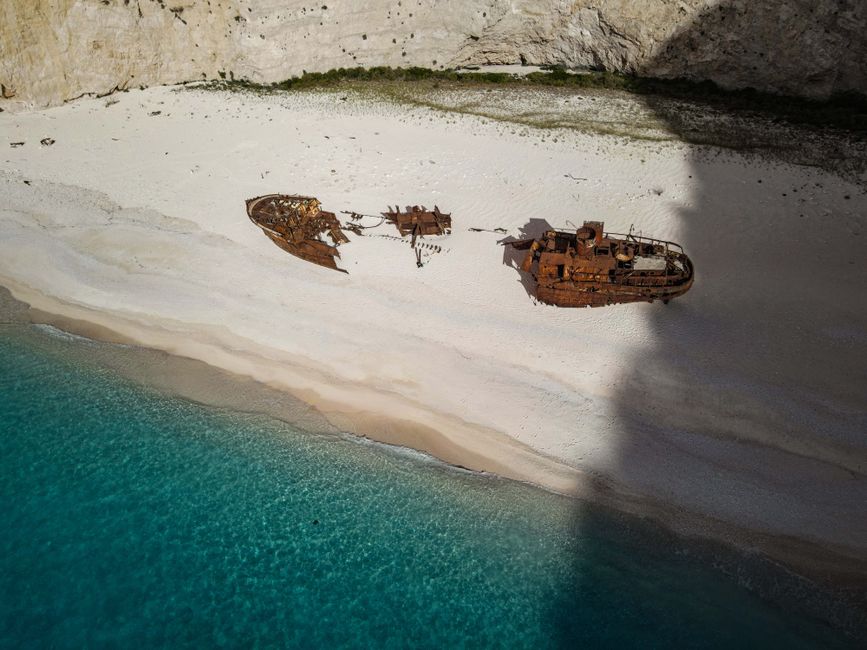
But the real history is in the sea. The Ionian waters around Zakynthos have claimed countless ships, from ancient galleys to modern freighters. The most famous is the MV Panagiotis, a Bulgarian cargo ship that ran aground in 1980 and became the island's most photographed landmark. It's a rusting skeleton now, a testament to the unpredictable power of the Mediterranean, and it sits off the coast like a warning to anyone who thinks they can tame these waters.
Where to Go
Navgagio Beach (Shipwreck Beach) — This is the icon. A white sand cove with turquoise water and a rusted shipwreck sitting high on the rocks. It's crowded, yes, but the view from the cliff path above is worth the hike. Entry is free, but you'll need a sturdy pair of shoes for the descent. The best time to go is early morning or late afternoon to avoid the cruise ship crowds. The water is calm and shallow, perfect for swimming if you can handle the heat.
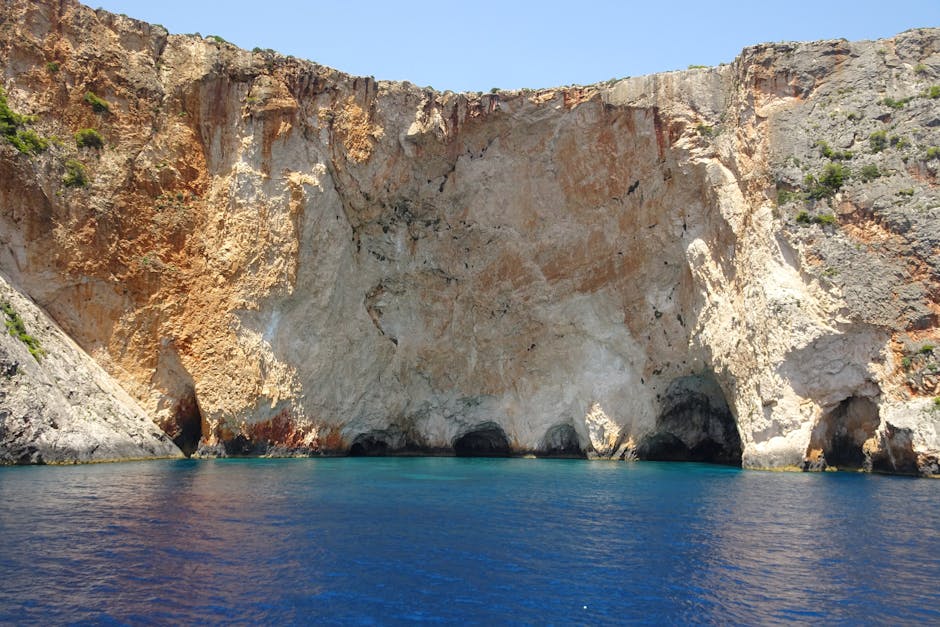
Keri Caves — Located at the southwestern tip of the island, these sea caves are accessible by boat or by a short hike from the Keri Cape lighthouse. The caves are formed by erosion and have a reddish hue from the iron oxide in the rock. The view from the cape is dramatic, with the sea stretching out to the horizon and the sun setting behind the Peloponnese peninsula. It's a quiet, almost spiritual experience, far removed from the chaos of the main beaches.
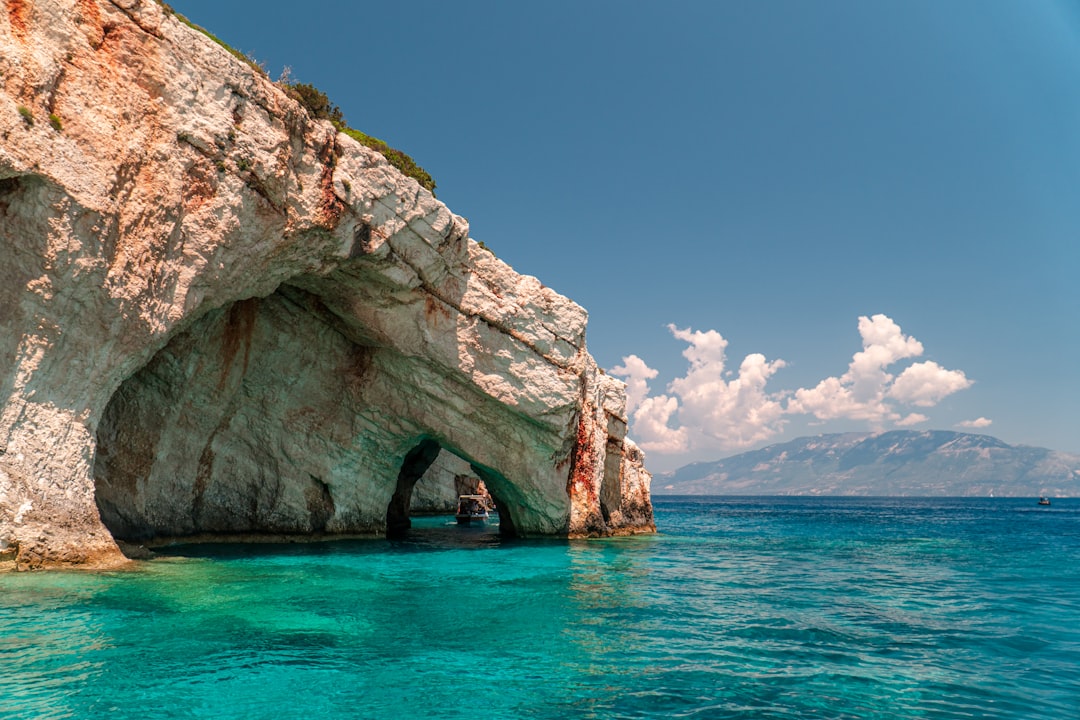
Blue Caves (Fengari) — A short boat ride from Zakynthos Town, these caves are famous for their blue light, which is created by the reflection of sunlight on the white sand at the bottom of the sea. The caves are small and can be crowded, but the light show is real. The best time to visit is around midday when the sun is high. Book a small boat tour to avoid the large cruise ships, which can't get close enough to the entrance.
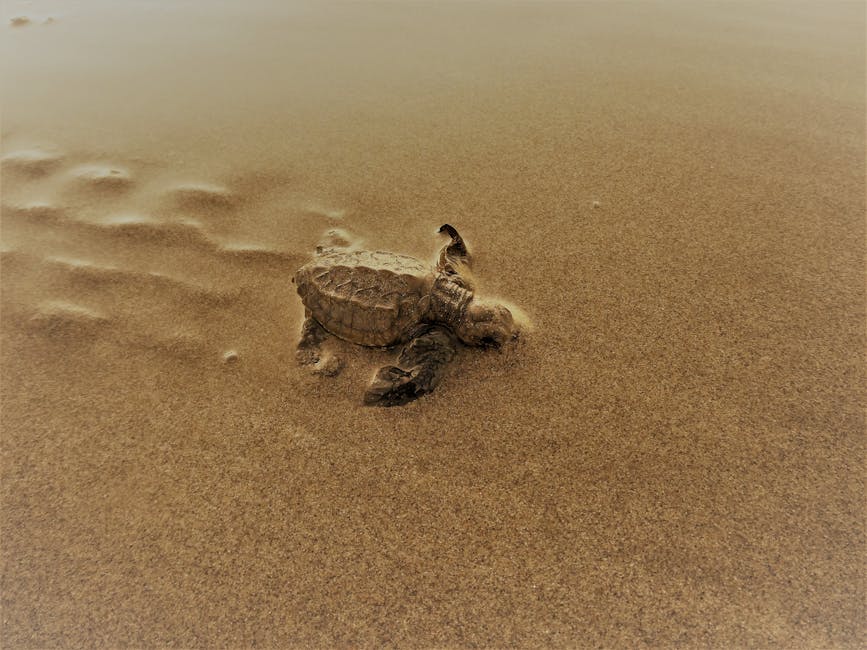
Gerakas Beach — This is the turtle beach. A long, sandy shore with shallow water and a protected area for the loggerhead sea turtles. Swimming is allowed, but you must stay out of the marked nesting zones. The beach is less crowded than Navagio, and the atmosphere is more relaxed. There are tavernas along the road, serving fresh fish and local wine. It's a great place to spend a day, especially if you're interested in wildlife conservation.
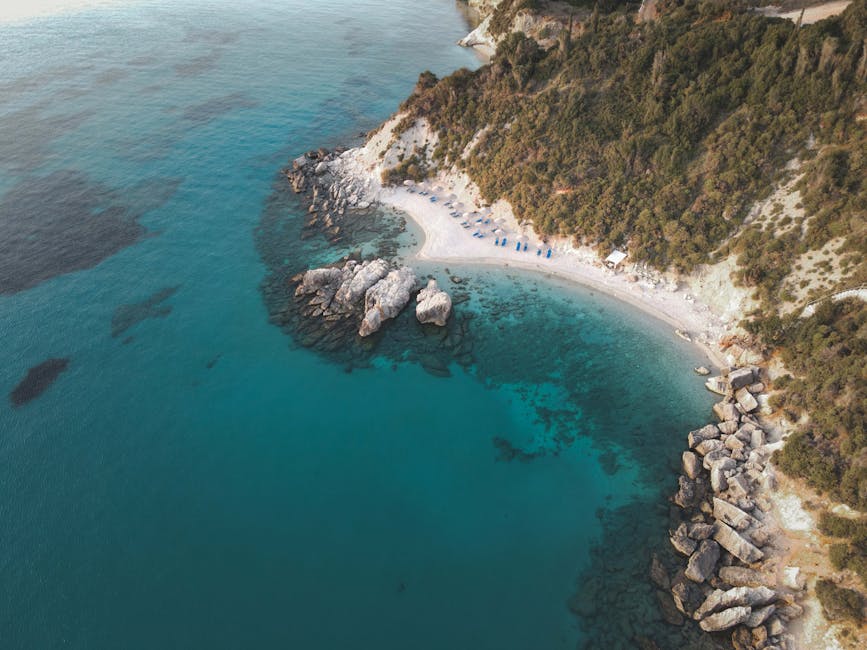
Marathonas Beach — A wild, undeveloped beach with golden sand and clear water. It's a bit of a trek to get there, but the lack of crowds makes it worth it. There are no facilities, so bring your own water and food. The beach is popular with nudists, so dress accordingly. The view is stunning, with the mountains rising behind the shore and the sea stretching out to the horizon. It's a place to disconnect and just be.
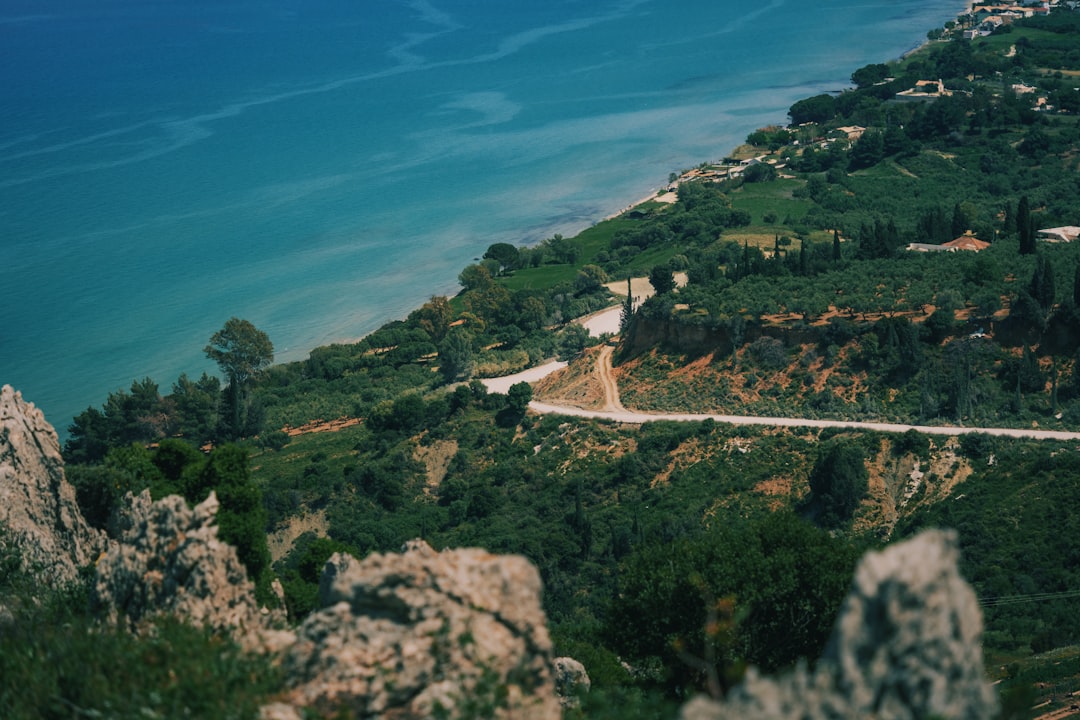
Volimes Monastery — Perched on a cliff overlooking the sea, this 18th-century monastery is a masterpiece of neoclassical architecture. The interior is richly decorated with frescoes and icons, and the view from the terrace is breathtaking. The monastery is open to visitors, and there's a small museum on site. It's a peaceful place, far from the noise of the beaches, and a great spot for a contemplative walk.
What to Eat & Drink
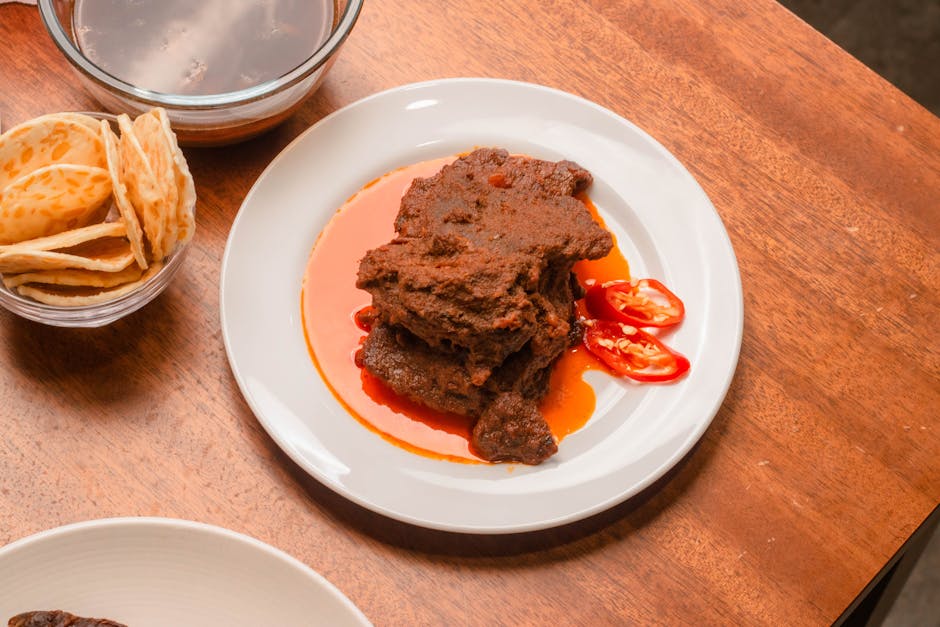
Eating in Zakynthos is a mix of traditional Greek and local specialties. The island is famous for its lamb, which is slow-cooked with herbs and served with potatoes and onions. A plate costs 15-20 EUR at a mid-range restaurant. Stifado, a beef stew with onions and tomatoes, is another local favorite, priced at 12-15 EUR. For seafood, try the grilled octopus, which is tender and flavorful, costing 10-12 EUR. Revithada, a chickpea soup, is a common breakfast dish, available for 3-4 EUR at local cafes. Louza, a cured pork sausage with mint and pepper, is a great snack, costing 5-7 EUR for a small portion.
For budget travelers, street food is your friend. Soutzoukakia, sausage-shaped meatballs, are available for 2-3 EUR at most tavernas. Koulouri, sesame bread rings, are a cheap and tasty snack, costing 1 EUR each. For a sit-down meal, expect to pay 8-15 EUR per person at a local restaurant, while mid-range places charge 15-25 EUR. The main food street in Zakynthos Town is Lambrou Kallergis, where you'll find a mix of traditional tavernas and modern cafes. The Central Market is also a good place to pick up fresh produce and local cheeses.
Nightlife
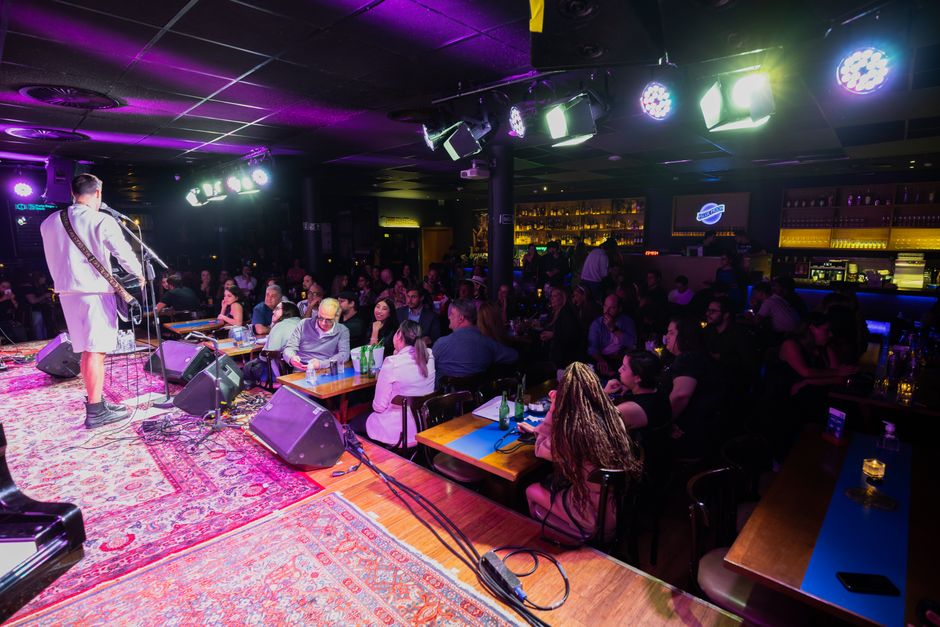
Nightlife in Zakynthos is centered around the town and the beaches. Lambrou Kallergis Street is the main hub, with bars and clubs lining the street. The atmosphere is lively, with a mix of locals and tourists. Blue Note is a popular club, playing a mix of Greek and international music. The cover charge is 5-10 EUR, and drinks start at 3-5 EUR. Shisha Bar is a more relaxed spot, offering hookah and cocktails. It's a great place to start the night, with a view of the town square. Porto Zorba is a beachfront club, known for its sunset parties. The music is electronic, and the crowd is mostly young tourists. The cover charge is 10-15 EUR, and drinks are expensive, starting at 5-8 EUR.
For a more local experience, head to the Platanos Square in Zakynthos Town. There are several bars here, playing live music and serving traditional Greek drinks. Bar Kallergis is a classic, with a long history and a loyal following. The atmosphere is casual, and the prices are reasonable. It's a great place to meet locals and hear stories about the island. For a quieter night, try Cafe Lotos, a small cafe with a garden and a menu of local wines and beers. It's a perfect spot for a late-night conversation, away from the noise of the clubs.

Getting There & What to Expect
The nearest airport is Zakynthos International Airport, which has flights from major European cities. From Athens, there are direct flights, taking about 1 hour. From Patras, there are ferries, taking about 2 hours. The ferry is cheaper, costing 30-50 EUR one way, while flights cost 50-100 EUR depending on the season. Once on the island, you can rent a car, costing 30-50 EUR per day, or take the local bus, which is cheap but infrequent.
Accmodation ranges from budget hostels, costing 20-40 EUR per night, to mid-range hotels, costing 50-100 EUR per night. Luxury resorts can cost 150-300 EUR per night. The best time to visit is between May and October, when the weather is warm and the sea is calm. July and August are the busiest months, with crowds and higher prices. If you want to avoid the tourists, go in April or September, when the island is quieter and the prices are lower.
Search accommodation in Zakynthos on Booking.com →
The Last Bite of Sunset
I end my day on a cliff edge near Keri, watching the sun dip below the horizon. The sky is a mess of orange and purple, and the sea is dark and still. I'm alone, except for a few goats grazing on the rocks. It's a moment of pure silence, after days of noise and chaos. I think about the turtles, the shipwrecks, the history, the food, the music. I think about the people I met, the stories I heard, the places I saw. Zakynthos isn't perfect. It's messy, and loud, and sometimes overwhelming. But it's real. It's alive. And for a few days, it was mine. I pack my bag, head back to the town, and sleep. Tomorrow, I'll leave. But I'll remember this. I'll remember the salt air, the diesel smell, the seagull, the gyros. I'll remember the battlefield. And I'll win again.
Comments