


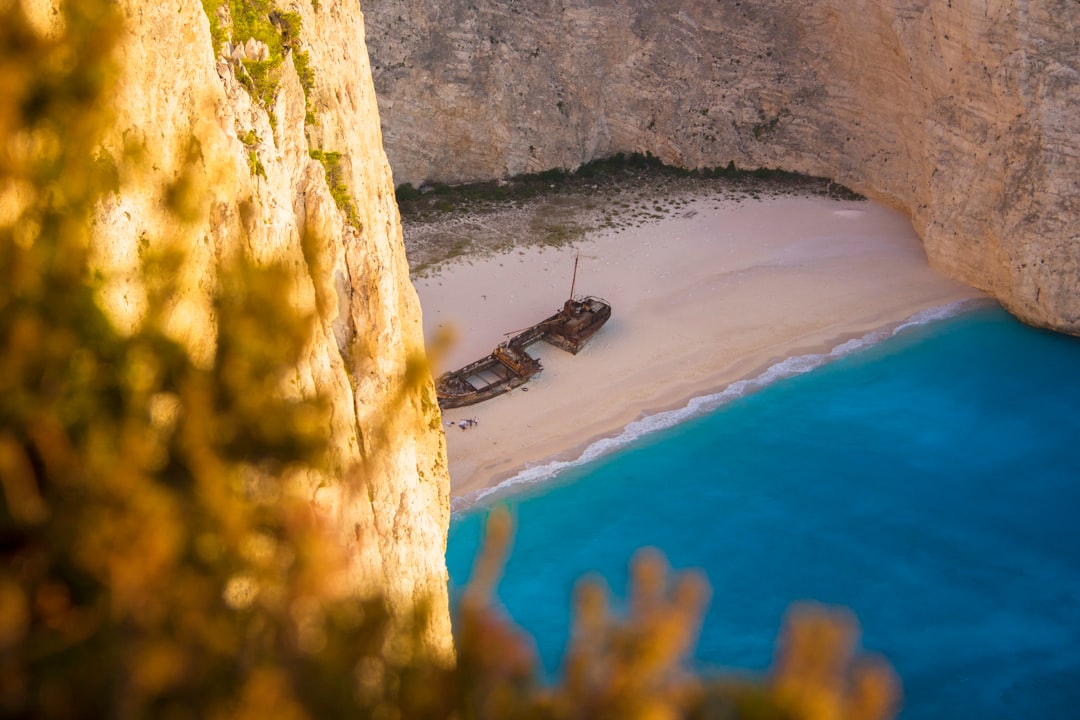
The salt spray on Zakynthos doesn't just smell like the sea; it smells like old iron and sun-baked limestone. I'm standing on the edge of a cliff that drops two hundred meters into churning white foam, watching a rusted hull groan against the rocks below. This isn't a postcard. It's a graveyard. The wind here on the island of Zakynthos cuts through your shirt, carrying the distant hum of a ferry and the sharp cry of a seagull. I've traveled across the Balkans, from the heavy Ottoman stones of Istanbul to the jagged peaks of the Albanian Alps, but there's a specific, jagged energy here that feels untamed. It's an island that refuses to be just a sunbed resort. It's a place where nature fights back, where the sea claims what it wants, and where the locals look at you with a mix of hospitality and guarded suspicion. You come here for the blue, but you stay for the raw, unpolished reality of it.
I spent three days chasing the myth of this place, dodging tour buses and hunting for the real Zakynthos. The truth is, the island is a paradox. It's packed with plastic tourism, yet hidden in plain sight are protected wetlands where endangered species fight for survival. It's a place where you can drink overpriced cocktails on a concrete slab or find a silent, empty beach that looks like the edge of the world. This isn't a guide to the comfortable. This is a guide to the real.
History & Identity
Zakynthos has never been easy. Its identity is forged in disaster and resilience. The island sits on a seismic fault line, and in 1953, a massive earthquake leveled the capital, killing nearly a quarter of the population. The reconstruction didn't just rebuild houses; it rebuilt the soul of the island. Today, the architecture in Zakynthos Town is a mix of neoclassical revival and modern concrete, but the spirit is ancient. The islanders are fiercely proud of their cultural heritage, particularly their music. The *tsifteteli* played here isn't just background noise; it's a heartbeat. You'll hear it in every taverna, a mournful, dancing rhythm that reflects the island's history of Venetian, French, and British rule.
But the real identity of Zakynthos is the sea. For centuries, it was a hub for pirates and merchants. The famous shipwreck that draws tourists today is just the latest in a long line of maritime tragedies. The island's economy has swung from agriculture and shipping to mass tourism, but the underlying tension remains. The locals know that the land is fragile. The earthquake is a collective memory, passed down like a ghost story. This makes the island feel alive, not in a cheerful way, but in a way that respects the power of nature. You don't conquer Zakynthos; you survive it.
The island is also the last stronghold of the Caretta caretta sea turtle in the Mediterranean. This isn't just a cute animal fact; it's a biological imperative. The southern beaches are protected nesting grounds, and the locals are fiercely protective of them. In some villages, you'll see fences around dunes and strict rules about lighting at night. This environmental consciousness is rare in a region often criticized for overdevelopment. It's a sign of a people who understand that their livelihood depends on the health of the sea.
Where to Go
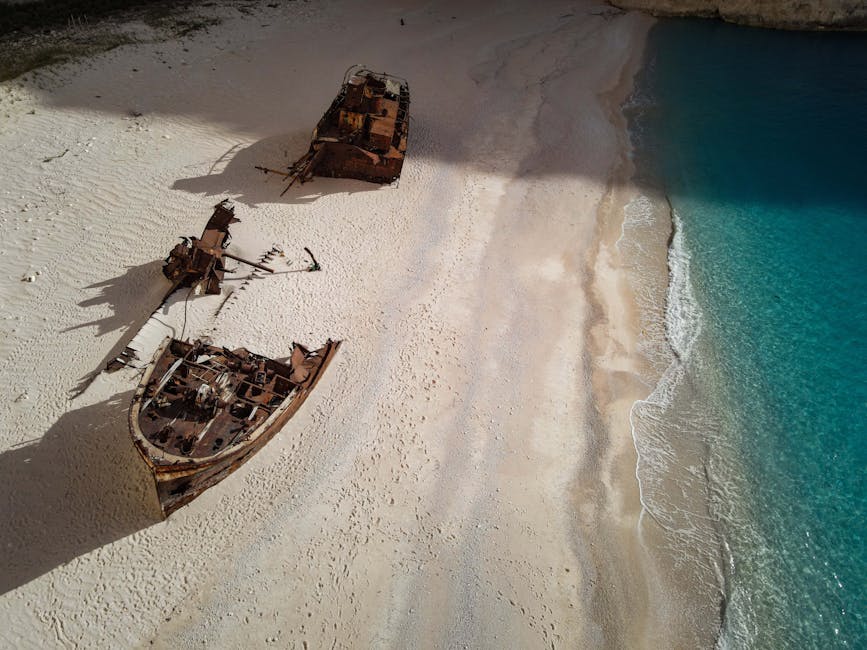
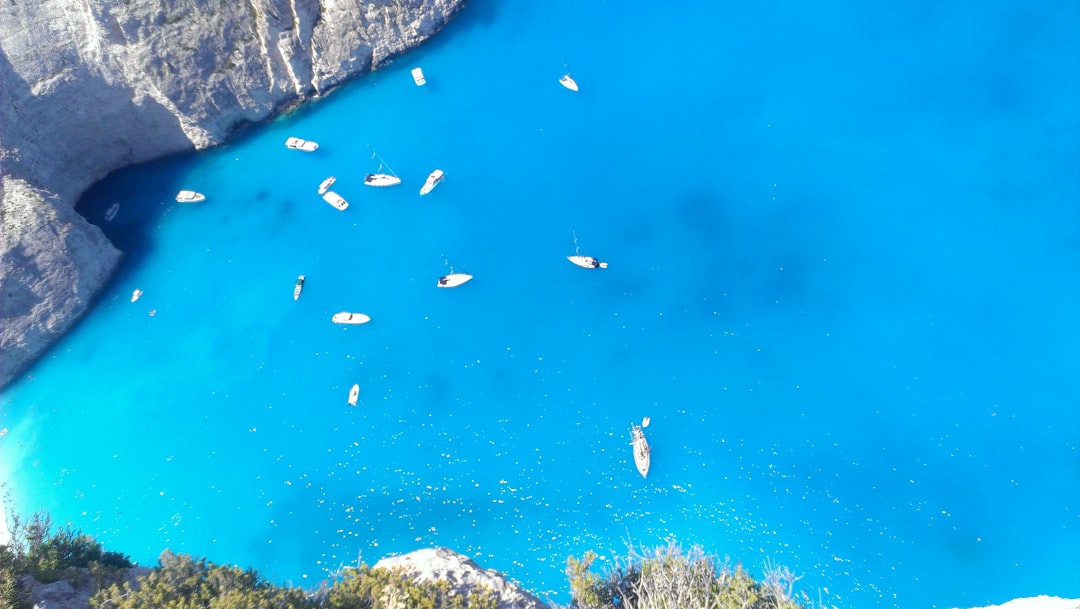
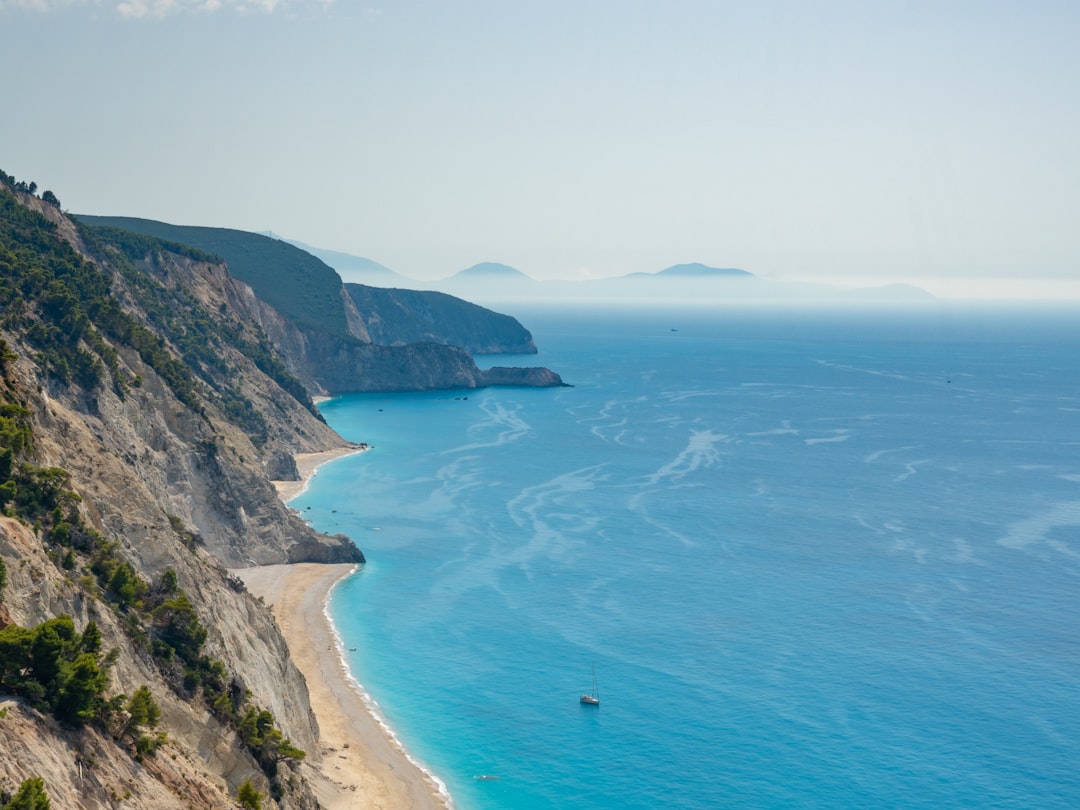
Navy Shipwreck Beach — This is the icon. The MS Nanina, a Greek cargo ship, ran aground here in 1983 after a storm. Now, it's a rusted skeleton rising from the turquoise water. The view from the cliffs above is dramatic, but the real experience is swimming to the hull. The water is cold, and the current can be strong. Entry is free, but the path down is steep and rocky. Go early morning to avoid the cruise ship crowds that flood the area by noon. It's a surreal place, a monument to human error and nature's indifference.
Blue Caves — A boat trip from the port of Zakynthos Town takes you to a series of sea caves carved by the wind and waves. The sunlight reflects off the white marble-like rock, turning the water into a blinding azure. It's not a natural wonder in the sense of being untouched; it's a geological spectacle that feels almost artificial. The boat ride is bumpy, and you'll get wet. But standing inside one of those caves, hearing the echo of the waves, is a moment of pure, disorienting beauty. Book a small boat, not a large catamaran, for a better experience.
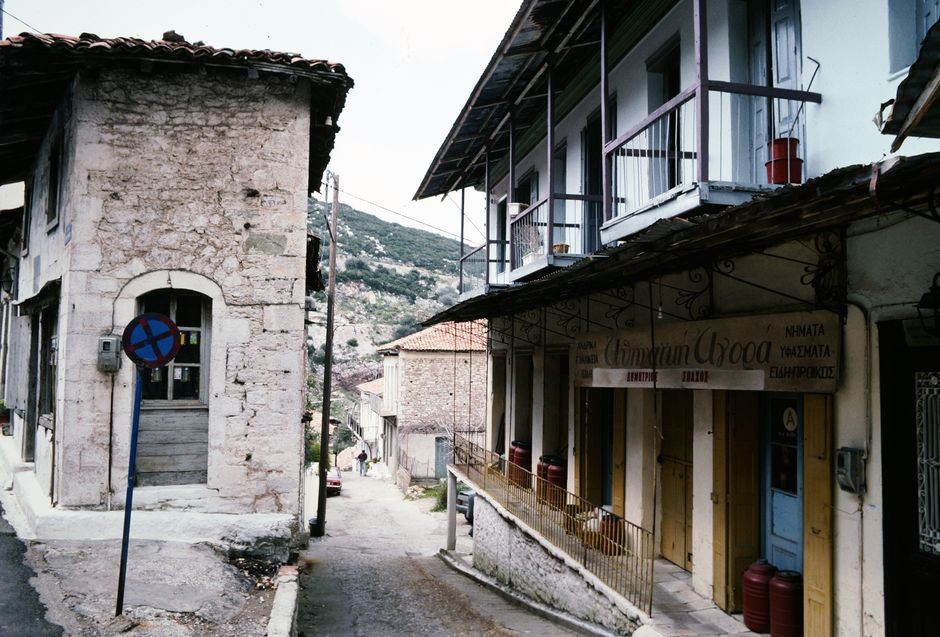
Gerani Village — Perched on a hilltop, this is the traditional heart of the island. Narrow cobblestone streets wind past stone houses with bougainvillea spilling over the walls. It's quiet, clean, and full of small galleries and craft shops. The view from the square includes the neighboring islands of Kefalonia and Ithaca. It's a place to walk, to sip a coffee, and to feel the pace of life slow down. The Sunday market is lively, with local produce and handmade goods. It's the anti-tourist zone, where you can actually talk to people.
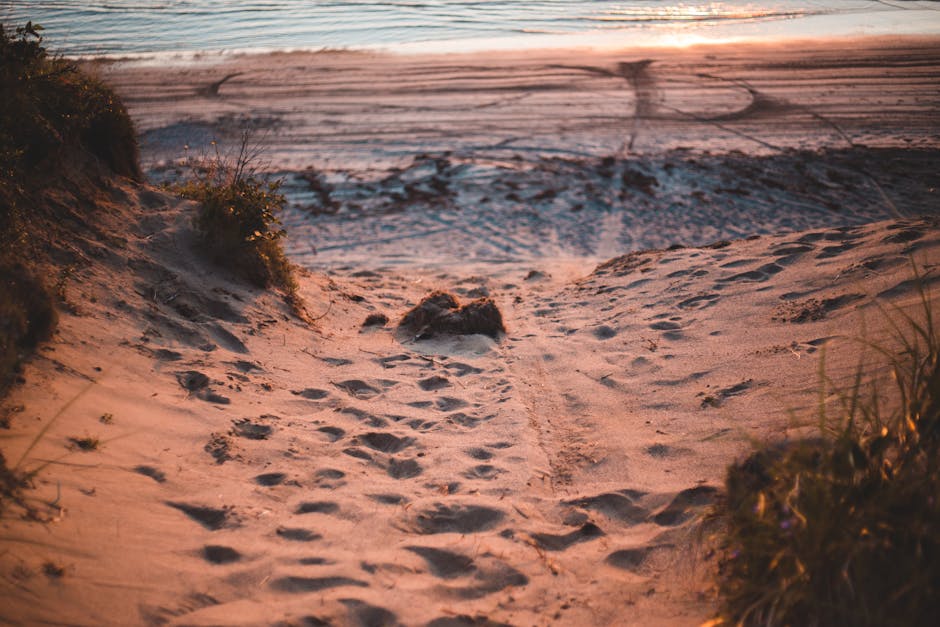
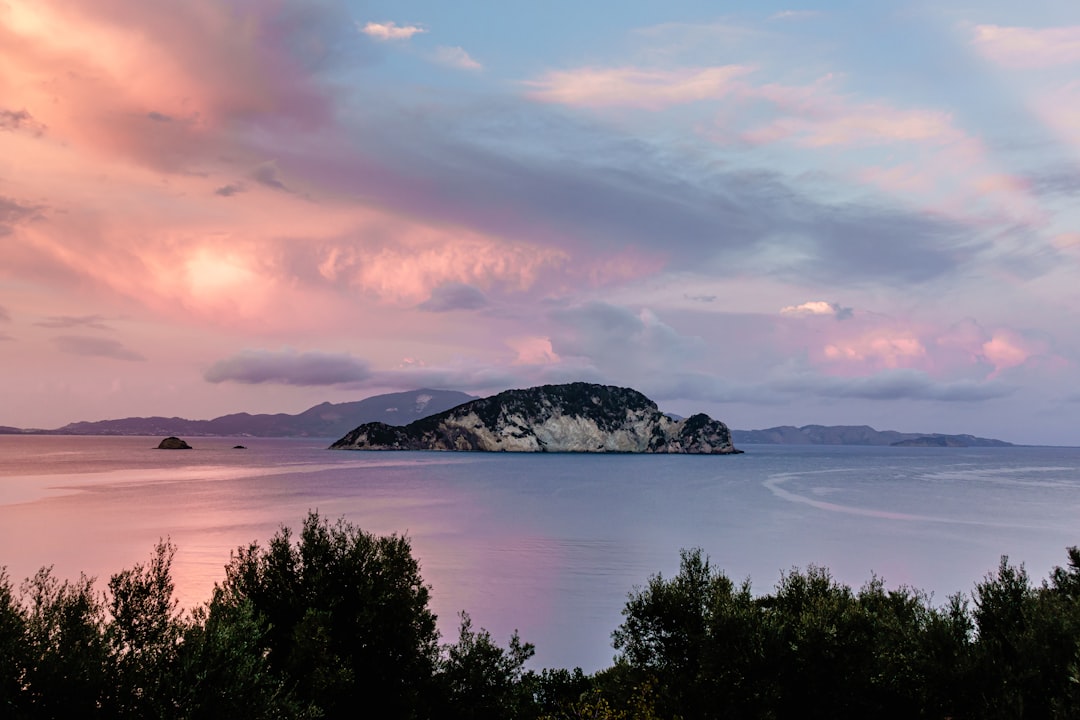
Marisades Beach — On the south coast, this is a protected nesting beach for the Caretta caretta turtles. In the summer, it's crowded, but in the shoulder season, it's a wide, sandy expanse of peace. The sand is pale, and the water is shallow and warm. You'll see signs warning against disturbing the dunes and using flash photography. It's a reminder that this is a living ecosystem, not just a playground. The beach is long, so you can find space even when it's busy. The sunset here is slow and golden, painting the sky in shades of orange and purple.
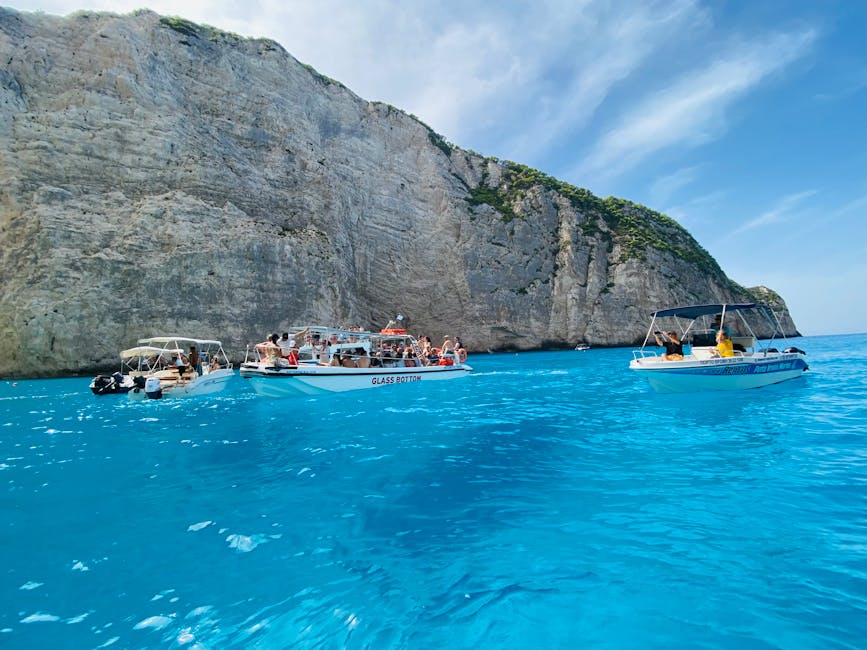
Laganas Bay — This is the party zone, but it's also a marine protected area. The waters here are rich in marine life, and you can take a glass-bottom boat to see fish and turtles swimming below. The bay is flat and shallow, perfect for swimming and water sports. At night, the strip of bars and clubs pulses with energy. It's not for everyone, but it's a vital part of the island's economy and social life. The contrast between the day's tranquility and the night's noise is stark.
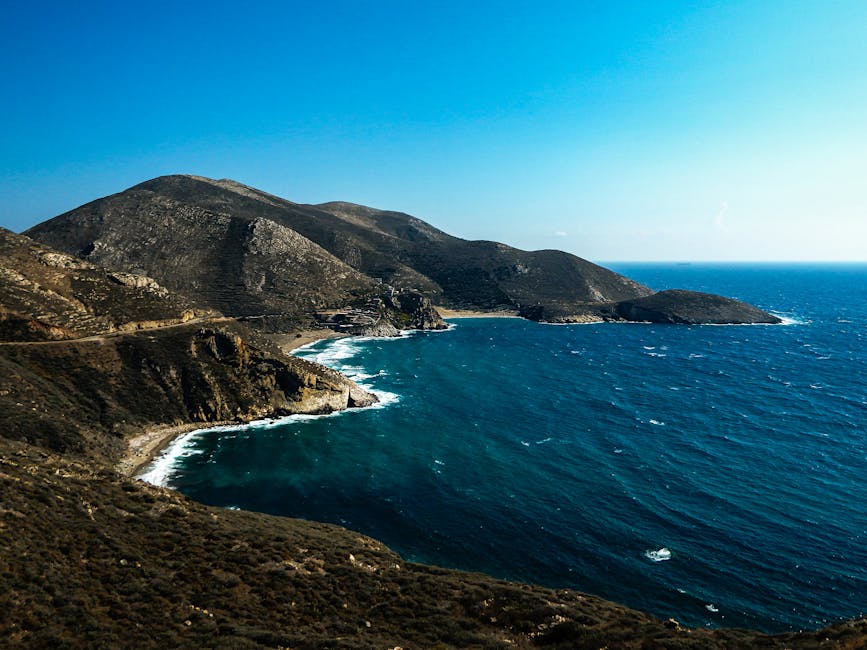
Mount Daskalio — The highest point on the island, offering a panoramic view of the entire coastline and the Peloponnese mainland on clear days. The drive up is winding and steep, but the reward is worth it. There's a small chapel and a restaurant at the top. It's a place to escape the heat and the crowds, to breathe deep air, and to see the island as a whole. The view from here puts the tourist traps into perspective, showing you the raw, green interior that most visitors never see.
What to Eat & Drink
Zakynthos food is simple, fresh, and deeply rooted in the island's agricultural past. Forget the fancy fusion cuisine; here, you eat what the land and sea provide. The staple is *lentenza*, a smoked cheese made from goat's milk, which is salty and sharp. It's often served with *louza*, a cured pork loin marinated in wild thyme and rosemary. You'll find these in every taverna, often as part of a mezze spread.
Louza — 5-8 EUR per serving. Lentenza — 4-6 EUR per serving. Fried Fish — 8-12 EUR. Pasta with Pomegranate Seed Sauce — a local specialty, 6-9 EUR. Turtle Shell — not on the menu, obviously, but the turtle is the symbol of the island's conservation efforts.
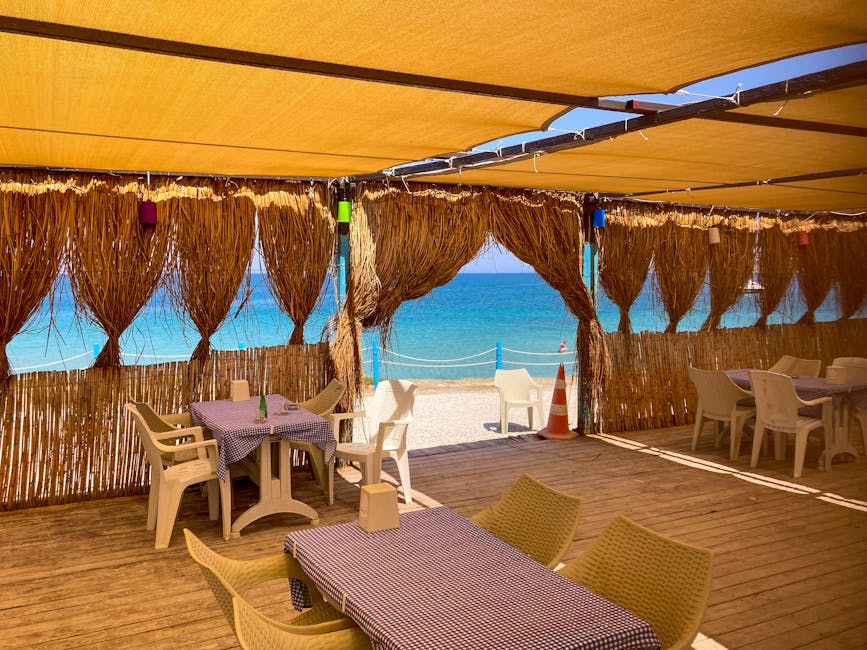
Budget travelers can survive on street food: souvlaki for 3-5 EUR and pita for 2-3 EUR. A sit-down meal at a local taverna, away from the main tourist strips, will cost you 10-15 EUR per person for a main course and a drink. Mid-range restaurants with sea views run 20-30 EUR per person. The best food is found in the inland villages like Gerani and Livadi, where the prices are lower and the food is more authentic. The Laganas area is expensive and touristy, with prices inflated by the nightlife economy.
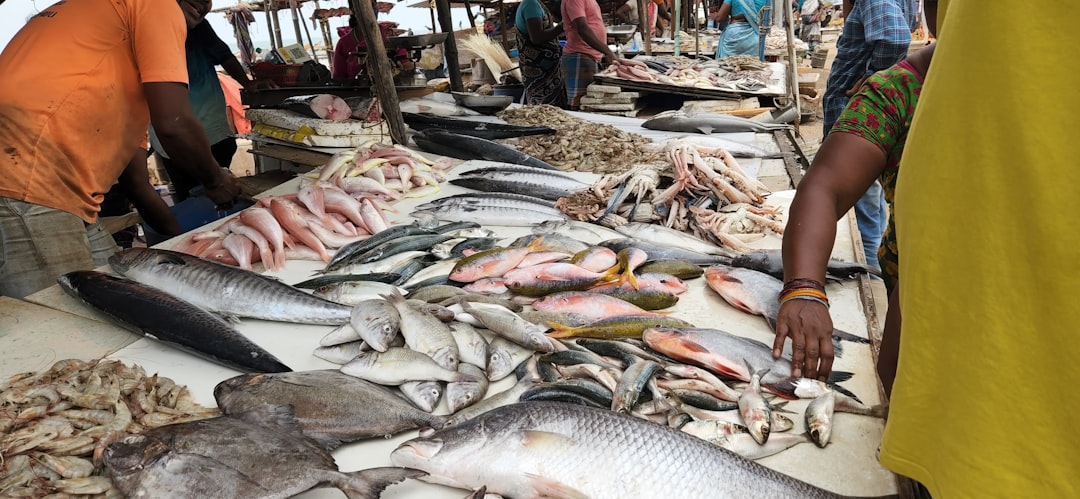
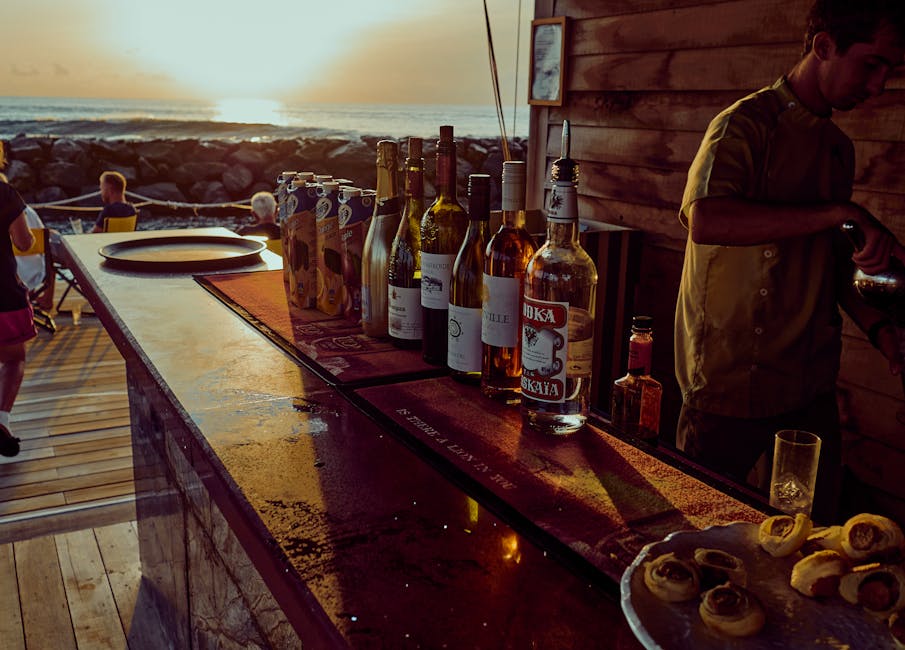
The main food hub is the central market in Zakynthos Town, where you can buy fresh fish, cheese, and local produce. It's a sensory overload of smells and colors. For a taste of the local wine, try *Robola*, a crisp white wine grown on the island. It's acidic and refreshing, perfect with seafood. The island also produces a strong, sweet dessert wine called *Malagousia*, which is best served chilled with cheese or fruit.
Nightlife
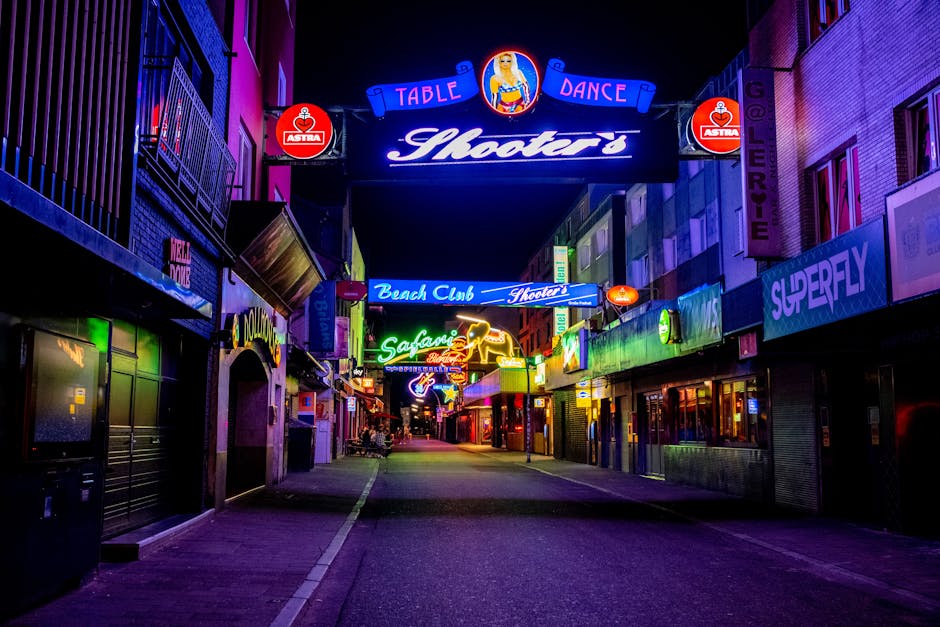
Nightlife on Zakynthos is concentrated in Laganas and the neighboring town of Tsilivi. The strip in Laganas is lined with bars and clubs that cater to the young crowd, mostly students and backpackers. The music is a mix of EDM, hip-hop, and Greek pop. The atmosphere is loud, chaotic, and energetic. Cover charges are low, usually 5-10 EUR, but drinks are expensive. A beer can cost 4-6 EUR in a club, compared to 1-2 EUR in a local bar.
The main venues include Blue Square and Crazy Horse, which are large clubs with multiple stages and international DJs. They are open late, until 5 or 6 AM. For a more relaxed vibe, head to the bars in Zakynthos Town or Gerani. Here, you'll find live music, local wine, and a more mature crowd. The bars in the old town are small, intimate, and often filled with locals. It's a different experience, one that feels more connected to the island's culture.
The nightlife scene is seasonal, peaking in July and August. In the shoulder months, many of the clubs close, and the island becomes quieter. This is when the real Zakynthos emerges, when the tourists leave and the locals take back their streets. It's a time for reflection, for walking the empty beaches, and for listening to the wind in the cypress trees.
Getting There & What to Expect
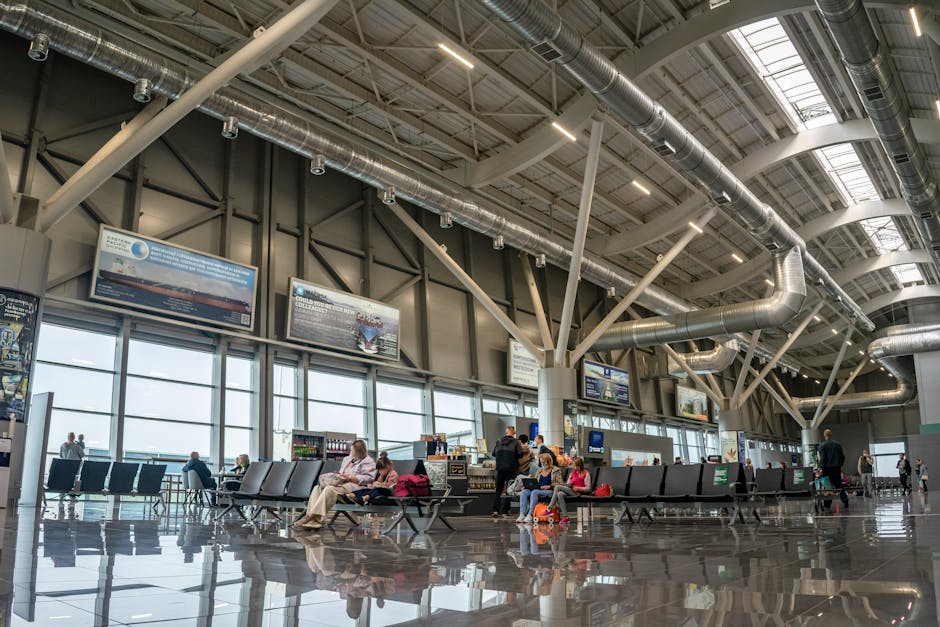
The nearest airport is Zakynthos International Airport, which is located near the town of Campi. It's a small airport, with direct flights from major European cities in the summer. From the airport, you can take a bus to Zakynthos Town for 3-5 EUR, which takes about 30 minutes. Taxis are available but expensive, costing 20-30 EUR to the town center. Car rental is the best option for exploring the island, with prices starting at 30-50 EUR per day in the high season. The roads are narrow and winding, so drive carefully.
From the mainland, you can take a ferry from Igoumenitsa, Patras, or Kyllini. The journey from Igoumenitsa takes about 3 hours, while Patras is closer to 5 hours. Ferry tickets cost 30-60 EUR one way, depending on the season and the type of vehicle. The ferry ride is scenic, offering views of the Ionian Islands and the Albanian coast. It's a slow way to travel, but it's part of the experience.
Accommodation ranges from budget hostels in Laganas for 15-25 EUR per night to luxury hotels on the north coast for 100-200 EUR per night. Mid-range apartments and guesthouses are available for 40-70 EUR per night. The best time to visit is May or September, when the weather is warm, the crowds are smaller, and the prices are lower. July and August are hot and crowded, with high prices and long lines. October and November are quiet, with many businesses closed, but the weather can be unpredictable.
Search accommodation in Zakynthos on Booking.com →
The Edge of the Map
Leaving Zakynthos feels like waking from a dream. The island sticks with you, not because of the perfect beaches or the clear water, but because of its contradictions. It's a place that is both beautiful and broken, welcoming and wary. The turtles swim in the protected bays, indifferent to the tourists on the shore. The shipwreck rusts in the sun, a reminder of the sea's power. And the people, with their fierce pride and deep resilience, keep the island alive. This isn't a place to relax. It's a place to feel. To stand on the edge of the cliff, to taste the salt in the air, and to remember that the world is bigger, wilder, and more complex than we often allow ourselves to believe. Zakynthos doesn't care about your comfort. It cares about your presence. And that's enough.
Comments