



The National Meteorological Administration (ANM) of Romania has issued yellow code alerts for significant portions of the country, warning residents to brace for intense thunderstorms, heavy rainfall, and localized flooding risks. This weather warning, which has captured the attention of millions across the Balkans, marks a period of heightened atmospheric instability affecting the region. The alerts cover multiple counties, particularly in the central and western parts of Romania, where meteorologists predict the highest probability of severe weather phenomena.
For Balkan audiences, this development is significant not only for its immediate local impact in Romania but also as an indicator of broader climatic patterns affecting Southeast Europe. As spring transitions into summer, the Balkan Peninsula frequently experiences volatile weather systems characterized by rapid temperature changes and high humidity. These conditions create a perfect environment for the formation of severe convective storms, which can disrupt daily life, damage infrastructure, and pose safety risks to communities from the Carpathians to the Black Sea coast.
Understanding the Meteorological Warning
The yellow alert, part of Romania's standardized warning system, indicates a moderate risk of hazardous weather conditions. According to the ANM, the primary threats include intense rainfall, gusty winds, and the potential for hail in certain areas. Meteorologists emphasize that these storms are likely to be localized but powerful, with rain accumulations expected to reach significant levels within short periods. This rapid precipitation can overwhelm drainage systems, leading to flash floods in low-lying areas and urban centers with inadequate infrastructure.
The warning system in Romania uses a color-coded approach to communicate risk levels to the public. A yellow alert serves as a precautionary measure, urging citizens to stay informed and take necessary precautions. This might include securing outdoor objects, avoiding unnecessary travel, and monitoring official updates. The ANM has advised that the peak of the instability is expected during the afternoon and evening hours, when solar heating of the ground enhances atmospheric convection, fueling storm development.

Residents in affected areas, including parts of Bucharest and surrounding counties, are advised to remain vigilant. The capital city, with its extensive urban landscape, is particularly vulnerable to waterlogging during heavy downpours. Emergency services have been placed on standby to respond to any incidents related to fallen trees, power outages, or minor flooding. The ANM continues to monitor the situation closely, with updates expected as the weather system evolves. This proactive approach aims to minimize disruption and ensure public safety during the period of increased meteorological activity.
Impact on Daily Life and Infrastructure
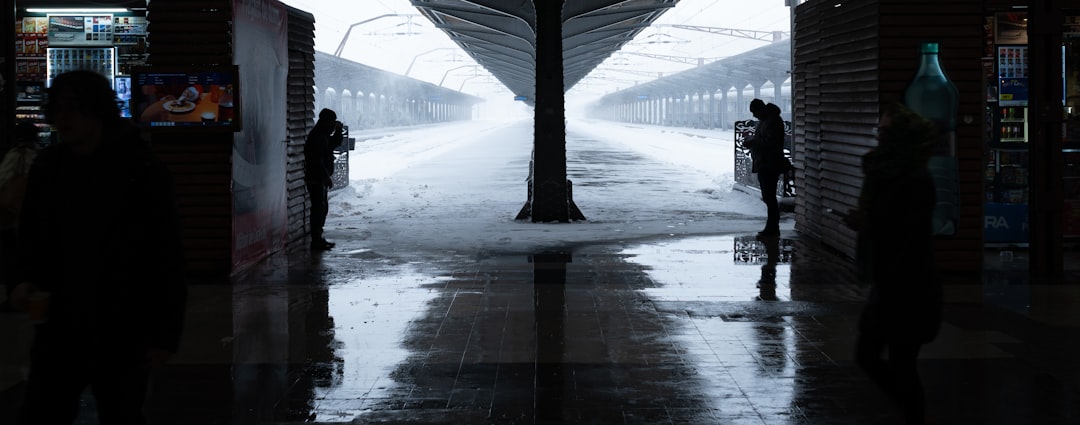
The onset of severe thunderstorms brings immediate challenges for daily routines across the affected regions. Commuters may face delays due to reduced visibility on roads and potential accidents caused by slippery conditions. Air travel could also be impacted, with flights experiencing turbulence or temporary cancellations if wind speeds exceed safe operational limits. Schools and businesses in the most severely affected areas might consider adjusting schedules to ensure the safety of their patrons and employees.
Infrastructure resilience is a key concern during such weather events. Older buildings and poorly maintained roofs are at risk of damage from hail or strong winds. Power lines may be compromised by falling branches, leading to localized blackouts. The Emergency Situations Ministry has coordinated with local authorities to prepare for these scenarios, ensuring that repair crews are ready to restore services quickly. Public awareness campaigns encourage citizens to check their homes for vulnerabilities and to have emergency kits prepared.
Agricultural sectors are also on alert, as sudden storms can damage crops and affect harvests. Farmers are advised to secure equipment and protect livestock from the elements. The economic impact of such weather events can be substantial, particularly for smallholder farmers who rely on favorable conditions for their livelihoods. Insurance companies are reminding policyholders to document any damage with photographs and to file claims promptly. The broader community is urged to support local businesses and neighbors in the aftermath of the storms.
Regional Context and Balkan Weather Patterns
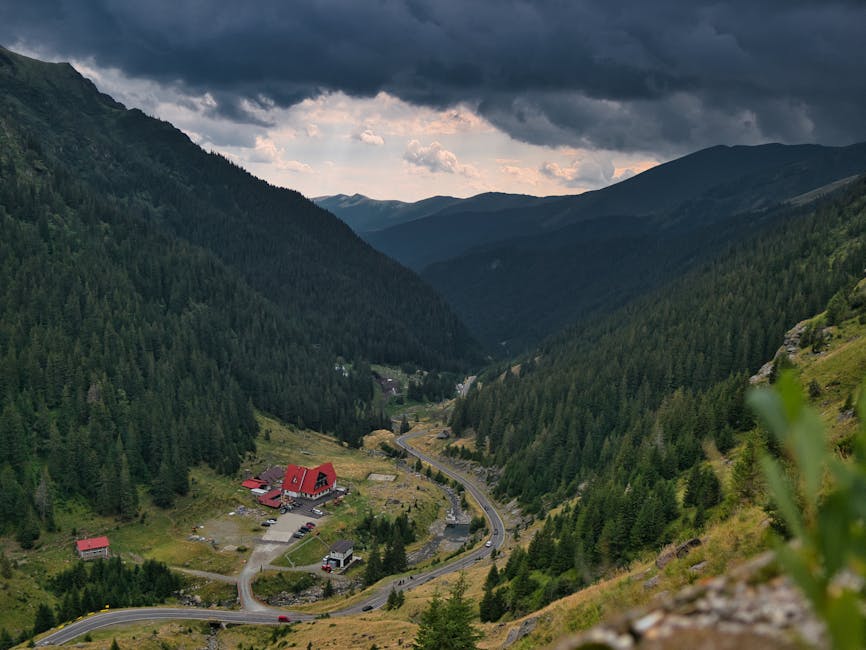
The weather patterns affecting Romania are part of a larger meteorological trend across the Balkans. Neighboring countries such as Bulgaria, Serbia, and North Macedonia often experience similar instability during this time of year. The Carpathian Mountains play a significant role in shaping regional weather, acting as a barrier that forces air masses to rise, cool, and condense, leading to precipitation. This orographic effect can intensify storms on the windward side of the mountains, while creating rain shadows on the leeward side.
Historical data shows that the Balkans are prone to extreme weather events, including heatwaves, droughts, and severe storms. Climate change is exacerbating these trends, leading to more frequent and intense weather anomalies. Scientists warn that the region may see an increase in the number of days with severe thunderstorms, posing challenges for urban planning and disaster management. International cooperation is essential for sharing data and best practices in weather forecasting and emergency response.
Cross-border coordination is vital for managing the impacts of such weather systems. Meteorological agencies in the Balkans collaborate through regional networks to improve forecast accuracy and issue timely warnings. This collaboration helps ensure that communities across national boundaries are adequately prepared for incoming storms. Public awareness extends beyond national borders, with news outlets and social media platforms disseminating information to a wider audience. Understanding these regional dynamics helps citizens appreciate the interconnectedness of weather patterns and the importance of collective preparedness.
In the coming days, residents across Romania and the wider Balkan region should continue to monitor weather updates from official sources. The ANM and other national meteorological services will provide detailed forecasts and alerts as the situation develops. By staying informed and taking proactive measures, individuals and communities can mitigate the risks associated with severe thunderstorms. As the climate continues to evolve, resilience and adaptation will remain key priorities for ensuring safety and sustainability in the face of increasing weather volatility.



Comments