



The announcement that the 2030 FIFA World Cup will be hosted jointly by Spain, Portugal, and Morocco marks a historic shift in global football governance, but it also casts a long shadow over the Balkans. While no Balkan nation is among the primary hosts, the logistical and cultural ripple effects of this tri-continental tournament are already reshaping how regional fans, broadcasters, and governments view their place in the global football calendar. The decision to celebrate the centenary of the first World Cup with a ceremony in Uruguay, Argentina, and Paraguay further complicates the narrative, creating a sprawling event that spans three continents and potentially dilutes the commercial focus from traditional European powerhouses.
For Balkan audiences, who have long followed the sport with intense passion, the absence of Serbia, Croatia, or any other regional nation from the hosting list is a significant talking point. The tournament’s structure, which involves matches played across Europe and Africa, means that travel logistics, broadcasting rights, and fan engagement strategies will differ markedly from previous European-hosted World Cups. This article examines the implications of the 2030 bid for Balkan football culture, the potential for increased cross-border fan travel, and why the tournament’s format may inadvertently open new opportunities for regional clubs and athletes.
The Tri-Continental Structure and Its Implications
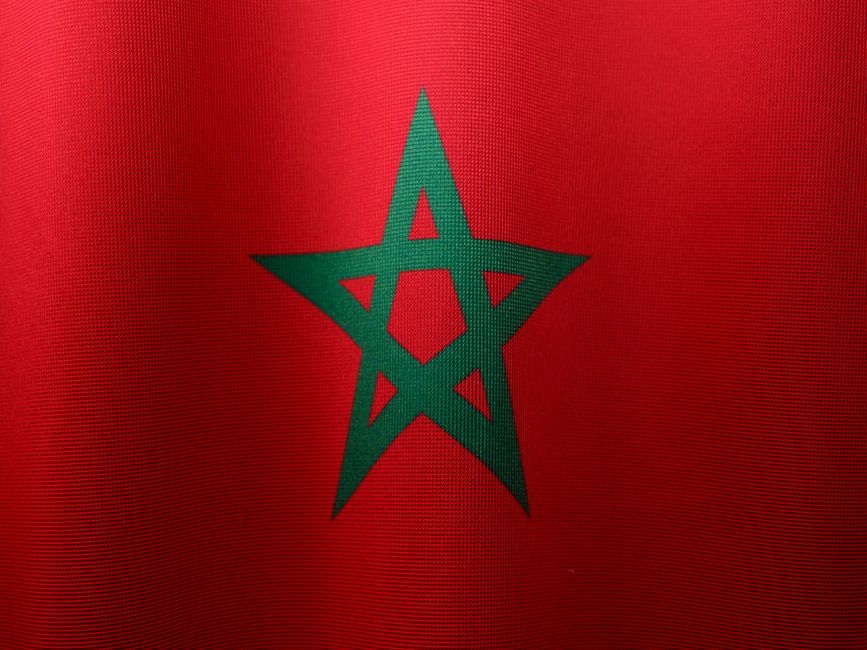
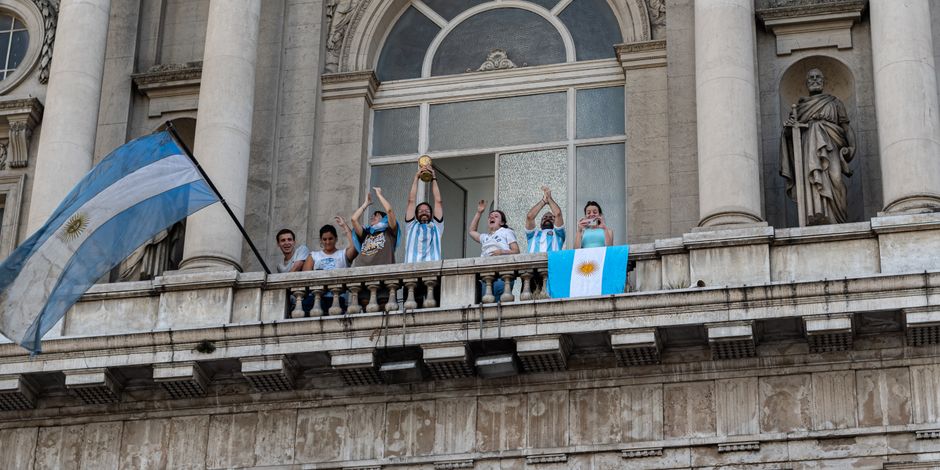
The 2030 FIFA World Cup is set to be the first tournament in history to be hosted across three continents. Spain, Portugal, and Morocco were selected by the FIFA Council in late 2023 to host the majority of the matches, with opening ceremonies and three group stage matches taking place in Uruguay, Argentina, and Paraguay to honor the centenary of the inaugural World Cup. This unprecedented structure is driven by FIFA’s desire to globalize the event and acknowledge the sport’s roots in South America while leveraging the strong footballing traditions of Europe and Africa.
For the Balkan region, this structure presents both challenges and opportunities. The geographical spread of the tournament means that fans from countries like Serbia, Croatia, and Romania will face more complex travel arrangements compared to previous World Cups hosted in single countries or smaller regions. However, the inclusion of Morocco introduces a new dynamic, as the country shares cultural and historical ties with parts of the Balkans, particularly through migration and trade routes. This could lead to increased interest in the tournament among Balkan communities with significant diasporas in North Africa.
The tournament’s format also raises questions about broadcasting and media rights. Balkan media outlets, which have traditionally relied on European football for content, may need to adapt their coverage strategies to accommodate the wider geographical scope of the event. This could lead to new partnerships with international broadcasters and potentially increase the visibility of Balkan football journalists and analysts on the global stage.
Balkan Football and the Global Stage
While no Balkan nation is hosting the 2030 World Cup, the region’s footballing talent remains a key component of the global game. Players from Serbia, Croatia, Bosnia, and other Balkan countries are regularly featured in top European leagues, and their performances will continue to draw significant attention from regional fans. The tournament’s tri-continental nature may actually enhance the visibility of these players, as the broader geographical scope of the event is likely to attract a more diverse global audience.
The Croatian national team, for example, has become a regular contender in major tournaments, reaching the final of the 2018 World Cup and the semi-finals of the 2022 edition. Their success has inspired a new generation of players across the Balkans, and their participation in the 2030 World Cup is likely to be a major focal point for regional fans. Similarly, Serbian players like Dusan Vlahovic and Sergej Milinkovic-Savic are key figures in their respective clubs and national teams, and their performances will be closely watched.
The tournament’s structure may also create new opportunities for Balkan clubs. With matches being played in multiple countries, there is potential for increased interest in pre-tournament friendlies and exhibition matches involving Balkan teams. This could lead to new commercial partnerships and increased revenue for clubs that are able to capitalize on the global attention surrounding the World Cup.
What to Watch For Next
As the 2030 World Cup approaches, several key developments will shape the tournament’s impact on the Balkan region. First, the qualification process for the European zone will be closely watched, as Balkan nations compete for a place in the final tournament. The performance of teams like Serbia, Croatia, and Bosnia will be critical in determining whether the region can maintain its status as a footballing powerhouse.
Second, the logistical and commercial arrangements for the tournament will have significant implications for Balkan fans and businesses. The tri-continental structure may lead to new travel packages, broadcasting deals, and sponsorship opportunities that could benefit regional stakeholders. Governments and private companies alike will need to prepare for the increased demand for World Cup-related products and services.
Finally, the cultural impact of the tournament should not be underestimated. The 2030 World Cup is likely to reinforce the global nature of football and highlight the interconnectedness of different regions. For Balkan audiences, this may lead to a greater appreciation of the sport’s diversity and a renewed sense of pride in their own footballing heritage. As the tournament draws closer, the region will be watching closely to see how the global game continues to evolve and what role it can play in shaping the future of football in the Balkans.


Comments