



The qualification landscape for the 2026 FIFA World Cup is undergoing a historic transformation, with Saudi Arabia and Uruguay representing two distinct narratives in the drive toward the tournament hosted by the United States, Canada, and Mexico. For the first time in history, the final tournament will feature 48 teams, a significant expansion from the previous 32-team format. This structural change has intensified competition within every confederation, forcing traditional powerhouses and emerging nations alike to recalibrate their strategies. Saudi Arabia, having secured a place in the 2022 World Cup in Qatar, is now focused on cementing its status as a consistent global contender. Meanwhile, Uruguay faces the pressure of maintaining its legacy as a historic footballing giant while adapting to a more crowded qualification field in CONMEBOL.
The stakes are exceptionally high for both nations. For Saudi Arabia, the upcoming cycle is about validating the massive investments made in domestic infrastructure and talent development under Vision 2030. For Uruguay, the challenge lies in overcoming a period of transitional instability in the national team setup. As fans across the Balkans and the wider world track these developments, the contrasting approaches of these two footballing cultures offer a compelling case study in modern international football. The expansion of the World Cup means that every match in the qualification phase carries heightened significance, as the margin for error shrinks despite the larger final roster.
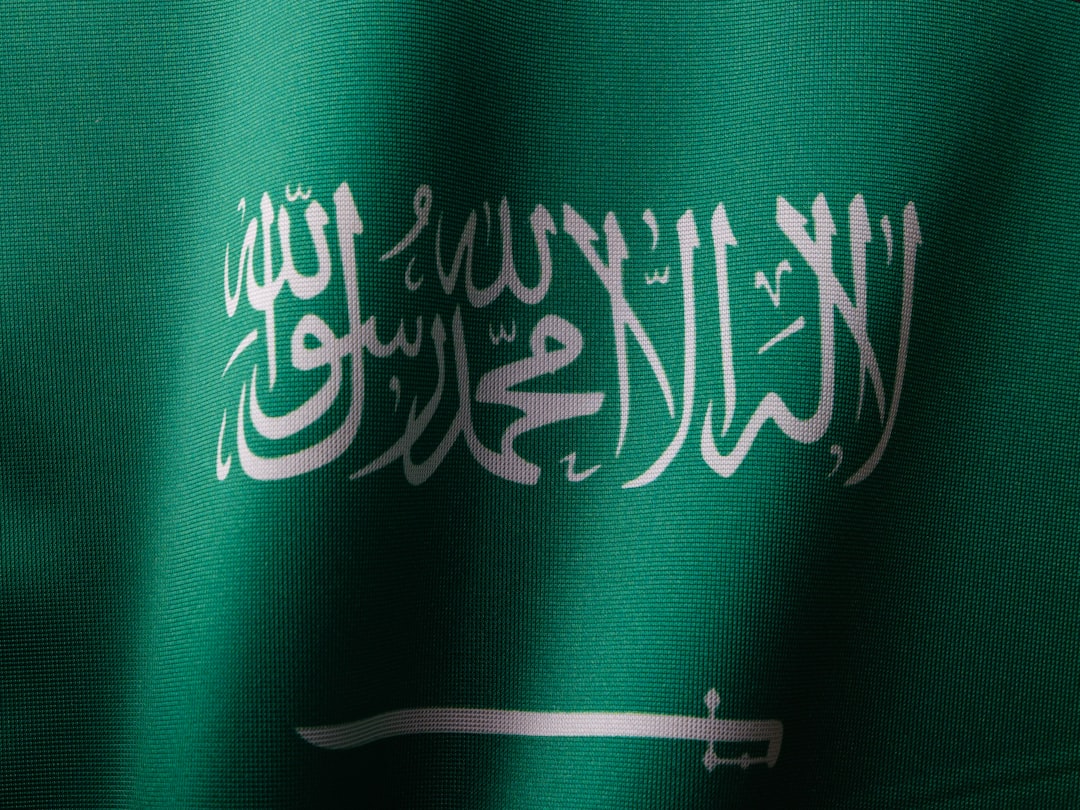
Saudi Arabia's Ambition and Strategic Shift
Saudi Arabia's journey in international football has been defined by rapid modernization and a clear ambition to move beyond its status as a developing football nation. Following their historic run to the Round of 16 in the 2022 FIFA World Cup, where they defeated Argentina, the national team has become a focal point of the kingdom's broader soft-power strategy. The Saudi Football Federation has invested heavily in youth academies and has recruited high-profile coaching staff to elevate the technical quality of the squad. The goal for the 2026 cycle is not merely qualification, but deep tournament penetration, aiming to reach the quarter-finals or beyond.
The Asian qualification process remains fiercely competitive, with rivals such as Japan, South Korea, Iran, and Australia also vying for the limited direct and playoff spots. Saudi Arabia's advantage lies in its home-field advantage and a growing pool of players with experience in top European leagues. However, the team must navigate a difficult group stage in the Asian qualifiers, where consistency is paramount. The federation's strategy involves balancing domestic league stability with the need for international exposure, ensuring that key players maintain peak fitness and tactical discipline throughout the qualification campaign.
From a regional perspective, the success of the Saudi national team resonates with fans in the Balkans, where football is a central cultural pillar. The kingdom's ability to compete with established powers like Japan and Iran demonstrates the potential for strategic investment to yield rapid results. This narrative is particularly relevant in countries like Turkey and Serbia, where national identity is closely tied to footballing performance. The Saudi model offers a blueprint for how financial resources, when combined with technical expertise, can elevate a national team's global standing in a relatively short period.
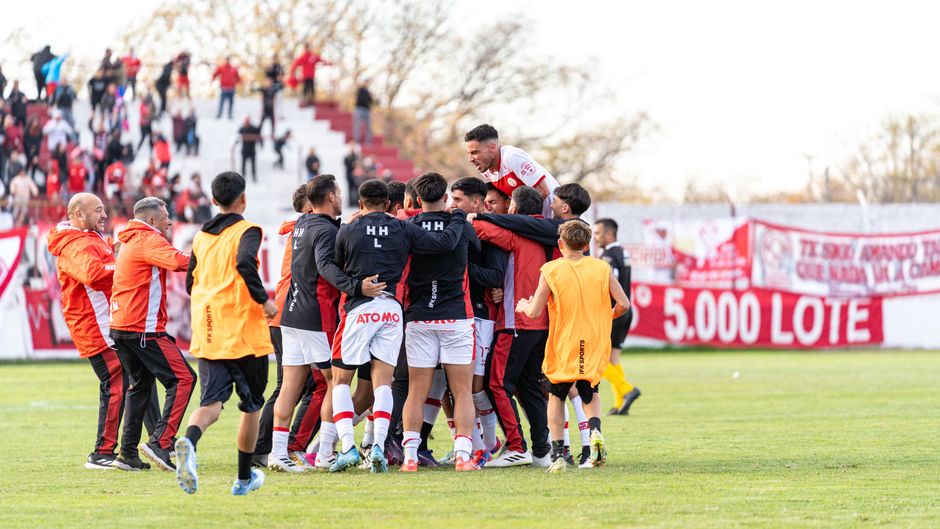
Uruguay's Quest for Continuity
Uruguay, one of the founding members of FIFA and a two-time World Cup winner, faces a different set of challenges in the 2026 qualification cycle. The South American confederation, CONMEBOL, is notoriously difficult, with all ten member nations competing in a single round-robin tournament. The expansion to 48 teams has granted South America six direct qualification spots and one playoff spot, a slight increase from the previous five direct and one playoff allocation. However, the competitive intensity remains unchanged, as traditional rivals like Brazil, Argentina, Colombia, and Chile continue to dominate the region.
The Uruguayan national team has experienced a period of transition in recent years, with a new generation of players emerging to replace the golden generation that dominated the 2010s. Key figures such as Luis Suárez and Diego Godín have retired, leaving a void in leadership and experience that younger talents must fill. The coaching staff is tasked with integrating these new players while maintaining the tactical rigidity and defensive solidity that have long been hallmarks of Uruguayan football. The team's performance in the qualifiers will be a critical test of this transitional phase.
For Uruguayan fans, the pressure to qualify for the 2026 World Cup is immense, given the nation's rich footballing heritage. The team's ability to navigate the tough CONMEBOL schedule will depend on squad depth and tactical flexibility. Injuries and suspension risks are higher in the single-round format, making a deep bench essential. The Uruguayan approach often relies on defensive organization and counter-attacking efficiency, a style that can be effective against larger, more possession-oriented teams. However, the team must also demonstrate offensive creativity to secure the necessary points against direct rivals.
The Global and Balkan Context
The 2026 World Cup qualification process is not just about the teams involved but also about the broader implications for global football. The expansion to 48 teams is designed to make the tournament more inclusive, allowing more nations to participate and share in the economic and cultural benefits of the World Cup. For countries like Saudi Arabia and Uruguay, this expansion offers a slightly easier path to the final tournament, but it also raises the bar for performance expectations. Fans and analysts alike are watching closely to see how these nations adapt to the new format and whether the increased competition leads to more exciting and unpredictable matches.
In the Balkans, the interest in international football is profound, with national teams from Serbia, Croatia, Bosnia and Herzegovina, and North Macedonia also competing in their respective qualification groups. The performances of Saudi Arabia and Uruguay serve as benchmarks for what is possible with the right combination of talent, investment, and tactical discipline. Balkan fans, who are accustomed to high-level football, appreciate the strategic nuances of the qualification process and the long-term development plans of national federations. The success of these teams can inspire similar initiatives in the region, where football remains a key driver of national pride and unity.
As the qualification campaigns progress, the focus will shift to key matches and head-to-head confrontations that will determine the final standings. For Saudi Arabia, consistency in the Asian qualifiers is essential, while Uruguay must navigate the unpredictable nature of the CONMEBOL tournament. The 2026 World Cup promises to be a landmark event, and the journey there will be just as significant as the tournament itself. Fans across the globe, including in the Balkans, will be closely following these developments, eager to see how these two nations rise to the occasion.


Comments