


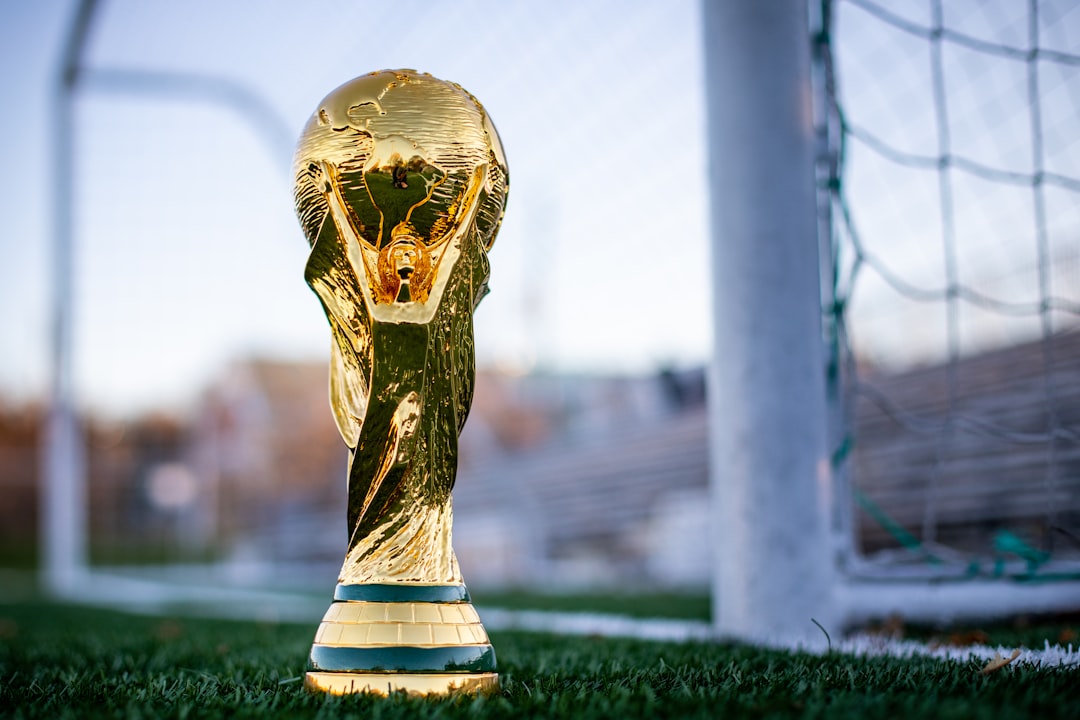
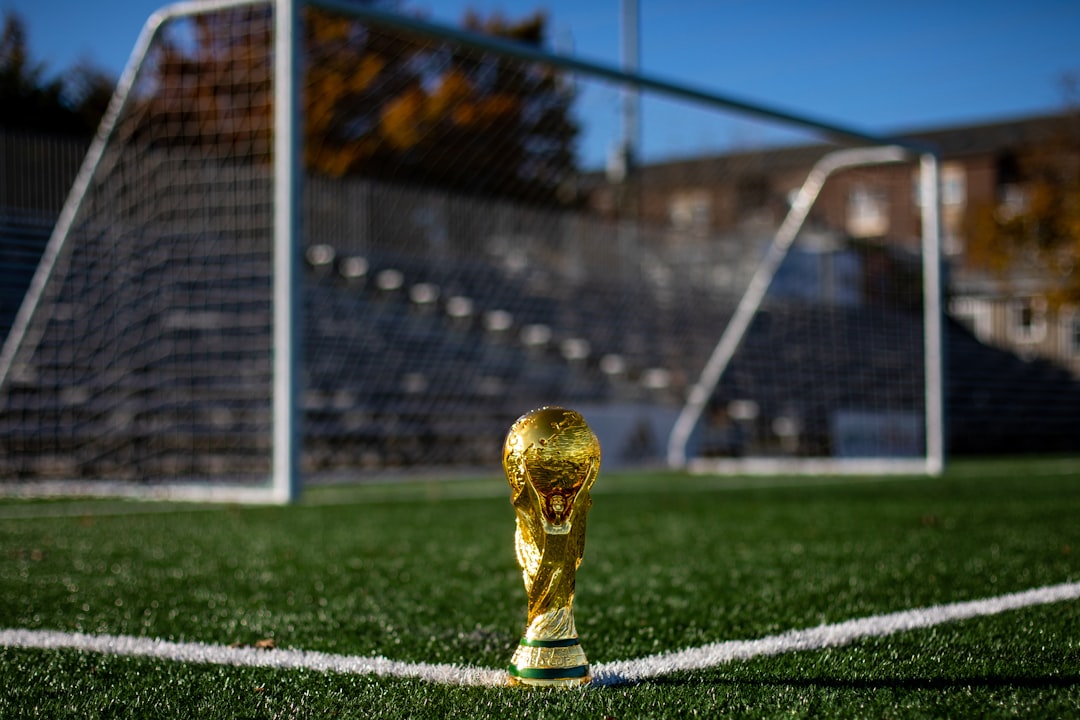
The 2026 FIFA World Cup is rapidly approaching, scheduled to be hosted jointly by the United States, Canada, and Mexico. While global attention focuses on the tournament's expanded 48-team format, a parallel narrative is emerging from the shadows: a sweeping investigation into alleged corruption and excessive costs surrounding the bidding process. This scrutiny does not diminish the sporting stakes for the Balkan nations. For countries like Serbia, Croatia, and North Macedonia, the tournament represents a rare opportunity to showcase their elite talent on the world's biggest stage. The intersection of high-level athletic competition and geopolitical scrutiny creates a unique backdrop for the upcoming summer.
Balkan football has historically produced some of the most technically gifted players in the world. From the legendary era of the Yugoslav national team to the modern successes of clubs like Red Star Belgrade and Dinamo Zagreb, the region remains a vital talent pipeline for Europe's top leagues. As the 2026 tournament looms, fans across the Balkans are tracking which players have secured their spots and how their national teams might perform against the backdrop of a host nation facing intense media scrutiny. The focus remains firmly on the pitch, where skill, strategy, and national pride take precedence over off-field controversies.
The Expanded Format and Balkan Qualification
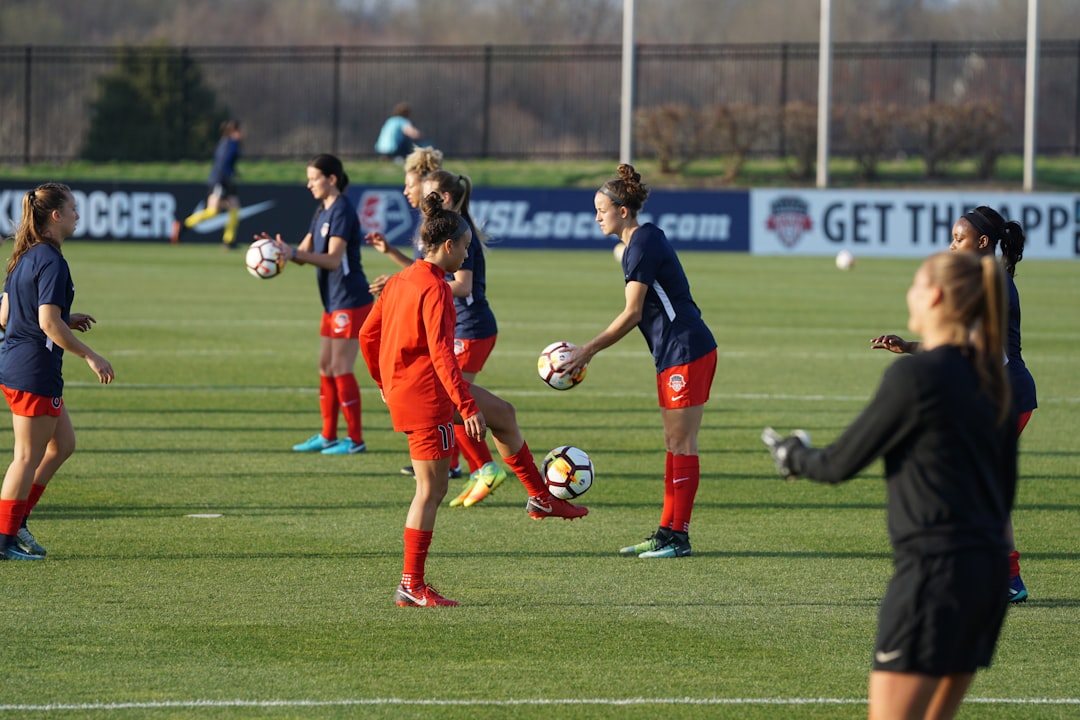
The decision to expand the World Cup from 32 to 48 teams has significantly altered the qualification landscape for all confederations. For UEFA, the European confederation, this means more slots are available, though the competition remains fierce. The Balkan nations have historically struggled to break through the final qualification rounds, often falling just short of major tournaments. However, the increased number of spots offers a tangible pathway for teams like Bulgaria and Romania to reach the final tournament. This structural change has injected new hope into fanbases that have endured long periods of waiting.
For Croatia, the expectation remains high. As a former World Cup runner-up, the Croatian national team is viewed as a perennial contender. Their qualification campaign has been marked by consistent performances, leveraging a deep pool of talent playing in top European leagues. Similarly, Serbia boasts a squad filled with young, dynamic players who have already established themselves in the Premier League and La Liga. The expanded format reduces the margin for error, allowing these teams to potentially advance further than in previous editions. The strategic implications for coaches and federations are significant, as they plan for a longer and more grueling tournament schedule.
The qualification process also highlights the growing competitiveness of smaller Balkan nations. North Macedonia has shown remarkable progress in recent years, becoming a regular participant in major tournaments. Their ability to compete with larger footballing powers demonstrates the evolving nature of international football. As the final qualification matches conclude, the anticipation builds for which Balkan teams will secure their place in the 48-team bracket. This competitive environment ensures that every match carries immense weight for the national pride of these countries.
Star Players and Global Impact
The 2026 World Cup will feature a new generation of Balkan stars who have risen to prominence in Europe's elite clubs. Players from Serbia, Croatia, and Bosnia and Herzegovina are increasingly visible in the Champions League and domestic top flights. Their performances on the club stage translate directly to international expectations. Fans are particularly interested in how these players will handle the pressure of the World Cup, a tournament that often defines careers. The physical and mental demands of the expanded format require exceptional endurance and tactical discipline, qualities that many Balkan players are known for.
Among the key figures to watch are the young midfielders and strikers who have broken through in recent seasons. Their technical ability and tactical intelligence make them invaluable assets to their national teams. The global media will undoubtedly focus on these players, highlighting their contributions to both club and country. For the Balkan audience, these players represent a source of immense pride and inspiration. Their success on the world stage reinforces the region's reputation as a breeding ground for footballing excellence. The narrative of overcoming historical challenges to achieve sporting success resonates deeply with fans across the Balkans.
The impact of these players extends beyond the pitch. They serve as cultural ambassadors, promoting their countries and heritage to a global audience. This visibility can have lasting effects on football development in their home nations, inspiring younger generations to pursue the sport. The commercial value of these players also increases significantly during the World Cup, benefiting their clubs and national federations. As the tournament approaches, the spotlight on these athletes intensifies, bringing renewed attention to the rich footballing traditions of the Balkans.
Host Nation Scrutiny and the Sporting Focus
While the Balkan teams prepare for the sporting challenge, the host nations face a different kind of pressure. Investigations into the bidding process and associated costs have raised questions about transparency and governance within FIFA and the organizing committees. These issues dominate headlines in the United States and Canada, potentially overshadowing the excitement of the tournament. However, for the international teams, the focus remains on preparation and performance. The off-field controversies do not directly impact the qualification or preparation of the Balkan squads, who are concentrated on tactical and physical readiness.
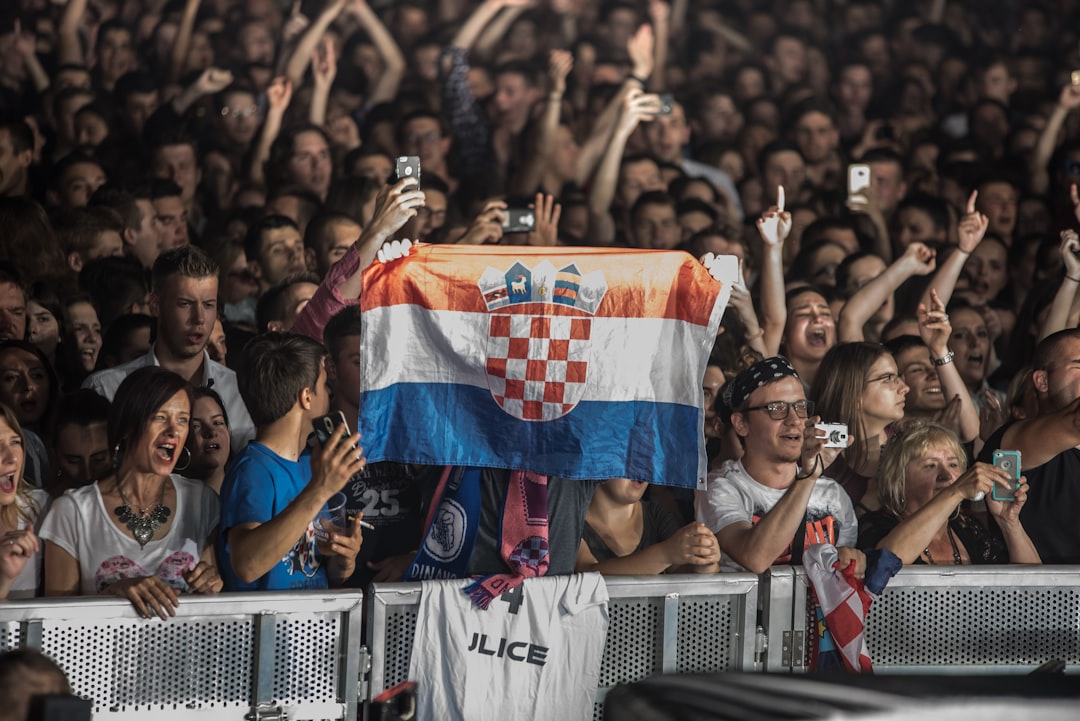
The contrast between the political and financial scrutiny in the host nations and the pure sporting ambition of the Balkan teams is stark. For fans in Serbia, Croatia, and elsewhere, the World Cup is a celebration of national identity and athletic achievement. The potential for political distractions does not diminish the passion of the supporters, who will travel to North America in large numbers to cheer for their teams. This grassroots support creates a vibrant atmosphere that transcends the administrative issues facing the hosts. The emotional connection to the sport remains the driving force for Balkan football fans.
As the tournament draws nearer, the narrative will likely shift back to the football itself. The quality of the matches, the emergence of new stars, and the performance of traditional powers will dominate the conversation. The Balkan nations have the talent and the determination to make a significant impact. Their participation adds diversity and competitiveness to the tournament, enriching the global football experience. Regardless of the off-field challenges, the spirit of the World Cup endures, driven by the love of the game and the pursuit of glory.
Looking ahead, the 2026 World Cup promises to be a landmark event for Balkan football. The expanded format offers new opportunities, and the talent pool is deeper than ever. Fans should watch for the breakthrough performances of young players and the tactical evolution of established teams. The intersection of sporting ambition and global scrutiny makes this tournament particularly compelling. For the Balkan audience, it is a chance to see their heroes on the world stage, reinforcing the region's enduring legacy in international football. The journey to glory begins now, with every training session and qualification match building toward the ultimate prize.
Comments