



The 2026 FIFA World Cup is shaping up to be the most logistically complex tournament in history, with significant implications for Balkan football fans and national teams. As the competition expands to 48 teams and moves to a tri-national host format across the United States, Canada, and Mexico, the sheer scale of the event has shifted the focus from pure sporting merit to intense geopolitical maneuvering and travel logistics. For nations in the Balkan region, including Serbia, Croatia, and Bosnia and Herzegovina, the tournament represents a unique challenge. The distance from Europe to North America introduces rigorous travel fatigue, while the expanded format means every match carries heightened stakes for qualification and progression. The tournament, scheduled to kick off in June 2026, is already generating widespread discussion among fans and analysts about how the new structure will affect underdog nations and traditional powerhouses alike.
Recent updates from FIFA indicate that the tournament will feature 104 matches across 16 host cities, a massive increase from the 64 matches played in previous editions. This expansion aims to globalize the sport further, but it also raises questions about the quality of play and the sustainability of the schedule. For Balkan audiences, the appeal lies in the potential for upsets and the visibility of European teams on the world stage. The tournament is not just a sporting event but a cultural phenomenon that unites the region, from the coffee shops in Belgrade to the coastal bars in Dubrovnik. As the countdown begins, the focus shifts to how these nations will prepare for the grueling campaign ahead.

Expansion and Qualification Dynamics
The decision to expand the World Cup to 48 teams fundamentally alters the qualification landscape for UEFA members. Under the new format, more European teams will qualify automatically, reducing the reliance on play-offs. For Balkan nations, this offers a glimmer of hope but also increases the pressure to perform consistently in the group stages. The qualification process, which utilizes a league-based system, requires teams to maintain high performance levels over a longer period. Nations like Serbia and Croatia, with strong domestic leagues and experienced coaching staffs, are well-positioned to capitalize on this structure. However, smaller nations such as Montenegro and North Macedonia face stiffer competition as the margin for error shrinks in the early stages of qualification.
The expanded format also introduces a new group stage structure, with 12 groups of four teams instead of eight groups of four. The top two teams from each group, along with the eight best third-placed teams, will advance to the round of 32. This means that finishing third in a group is no longer a dead end but a potential pathway to the knockout stages. For Balkan teams, this adds a layer of strategic depth to every match. Coaches must balance defensive solidity with attacking intent, knowing that a single point could determine whether their team advances or exits the tournament. The complexity of the format demands meticulous planning and adaptability, qualities that are often tested in the high-pressure environment of the World Cup.
Logistical Challenges for Balkan Fans and Teams
Traveling to North America presents significant logistical hurdles for Balkan national teams and fans. The time zone difference, combined with long-haul flights, can lead to jet lag and physical fatigue, factors that have historically disadvantaged European teams in tournaments held in the Americas. Teams must implement rigorous acclimatization programs, including early arrival in the host countries and specialized training regimens, to mitigate these effects. The cost of travel for fans is also a major concern, with flights from Balkan capitals to North American cities often exceeding the average monthly income. This financial barrier could limit the presence of Balkan supporters, reducing the vibrant atmosphere that typically accompanies national teams at World Cups.
Moreover, the security and visa processes for traveling to the United States, Canada, and Mexico add another layer of complexity. Fans must navigate stringent entry requirements, including visa applications and health screenings, which can be time-consuming and expensive. For Balkan citizens, particularly those from countries with less favorable visa agreements, these hurdles can be daunting. FIFA and host nation authorities have promised to streamline the process, but concerns remain about potential delays and rejections. The impact of these logistical challenges on fan engagement and team morale cannot be understated, as the support of traveling fans often provides a crucial boost to players on the pitch.
The Balkan Angle: Regional Pride and Global Visibility
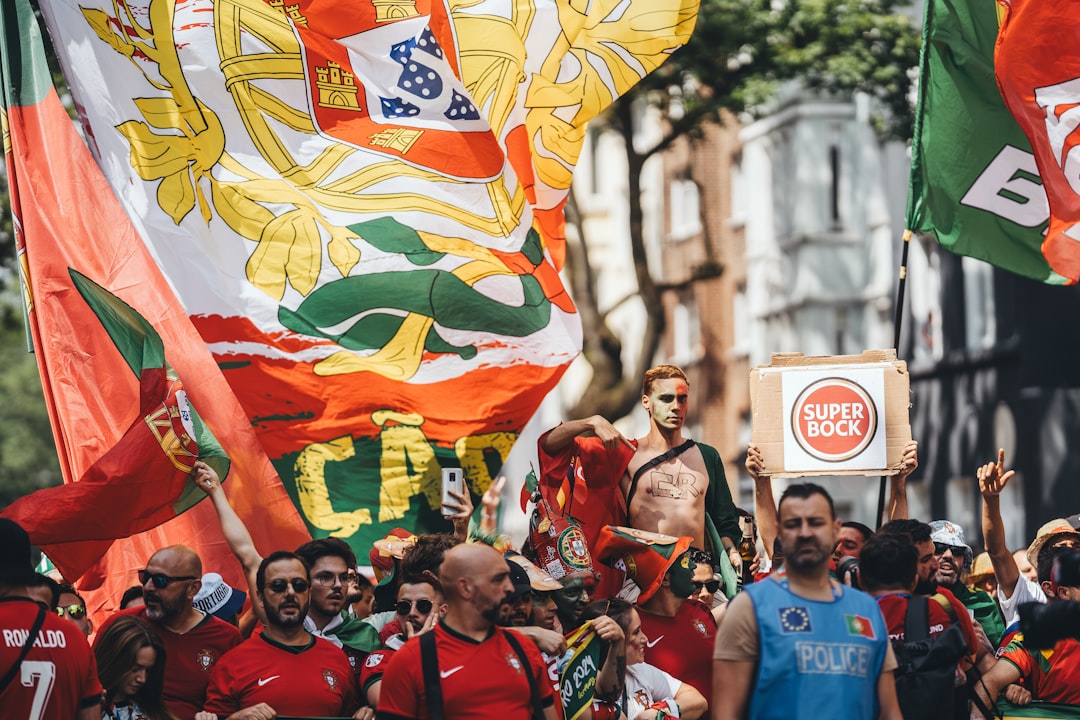
For the Balkan region, the 2026 World Cup is more than just a football tournament; it is a platform for regional pride and global visibility. Football has long been a unifying force in the Balkans, transcending political and ethnic divides. The success of national teams on the world stage fosters a sense of shared identity and accomplishment among fans. The upcoming tournament offers an opportunity for Balkan nations to showcase their talent and resilience on a global scale. Teams like Croatia, which reached the final in 2018, and Serbia, with its rich footballing history, are expected to be competitive contenders. Their performances will be closely watched by fans across the region, who see their success as a reflection of their own aspirations.
The tournament also highlights the growing influence of Balkan football in the global market. Players from the region are increasingly sought after by top European clubs, bringing recognition to their home countries. The visibility provided by the World Cup can enhance the careers of these players, attracting more investment and attention to domestic leagues. Additionally, the tournament serves as a catalyst for tourism, with fans from around the world visiting host cities and exploring local cultures. For Balkan nations, this presents an opportunity to promote their regions as tourist destinations, leveraging the global spotlight to boost economic growth. The intersection of sport, culture, and economics underscores the broader significance of the World Cup for the Balkans.
As the 2026 FIFA World Cup approaches, the focus remains on how Balkan nations will navigate the challenges and opportunities presented by the expanded tournament. The combination of logistical hurdles, qualification complexities, and regional pride creates a unique narrative for the upcoming event. Fans and analysts alike are eager to see how teams like Serbia, Croatia, and Bosnia and Herzegovina will perform on the world stage. The tournament promises to be a spectacle of skill, strategy, and passion, with the Balkan angle adding a layer of depth and significance. Whether through on-pitch success or off-pitch engagement, the 2026 World Cup will leave a lasting impact on the region, reinforcing the enduring power of football to unite and inspire.


Comments