


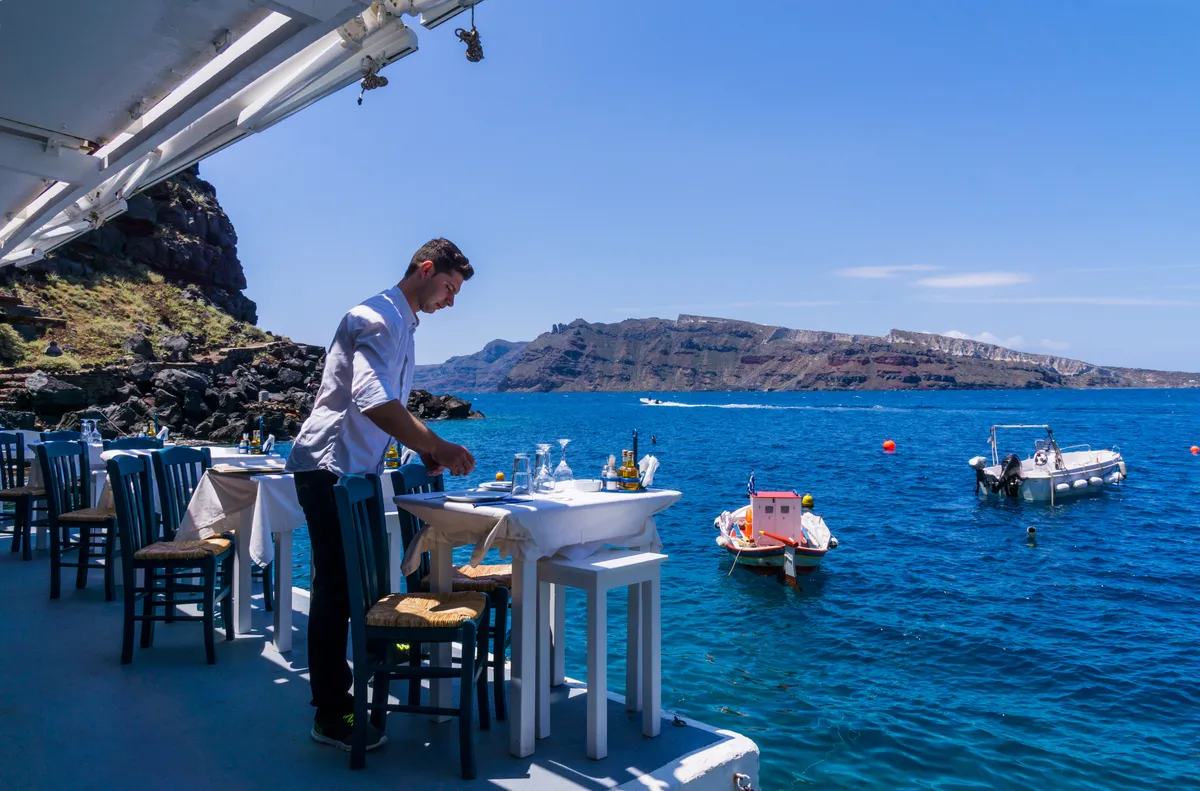
The Growing Demand for Seasonal Labor
Each summer, the Adriatic Sea coast faces a massive labor shortage. Unofficial estimates suggest Croatia needs between 50,000 and 70,000 extra workers, while Montenegro requires around 25,000. The highest demand is for cooks, waiters, baristas, housekeepers, and receptionists. For years, workers from Serbia, Bosnia and Herzegovina, and North Macedonia have filled these roles. Last year alone, Croatian authorities issued over 25,000 work permits to Serbian citizens.
David Antonijević, founder of the recruitment agency Friendly HR, confirms this trend. He notes that Croatia’s shortage stems from workers leaving for other EU countries, while Montenegro simply lacks a large domestic workforce. The season typically runs from mid-May to late September.
Recruitment starts early. Employers submit their needs by late December, and agencies begin searching in January. Candidates are screened preliminarily by the agency, followed by final interviews with the employer. Importantly, agencies like Friendly HR charge employers, not candidates. Job seekers can also apply directly on employer websites.
Requirements and Documentation
Employers prioritize previous work experience and practical skills. For roles like chef or waiter, a relevant secondary education diploma is often required. Knowledge of foreign languages is a significant plus, given the high number of international tourists.
To work legally, candidates need a valid passport and a certificate of no criminal record. The employer is responsible for obtaining the work and residence permit from local authorities. Foreign workers must be officially registered with a signed employment contract. This contract ensures workers enjoy the same rights as local employees.
The residence permit usually matches the duration of the seasonal contract. However, if the employer needs more help and the collaboration is successful, the permit can be extended, or the worker might be retained beyond the tourist season.
Key Advice for Job Seekers
Candidates, especially first-timers, must read every line of their contract carefully. Ensure it specifies wages, working hours, and accommodation details. Avoid verbal agreements. Legal registration protects your rights and ensures you can access healthcare and other benefits during your stay. With proper preparation, a summer on the Adriatic can be both financially rewarding and culturally enriching.


fenerbahce were miles better this season tbh... seriously, who needs domestic players when you can just import the whole region? lol