



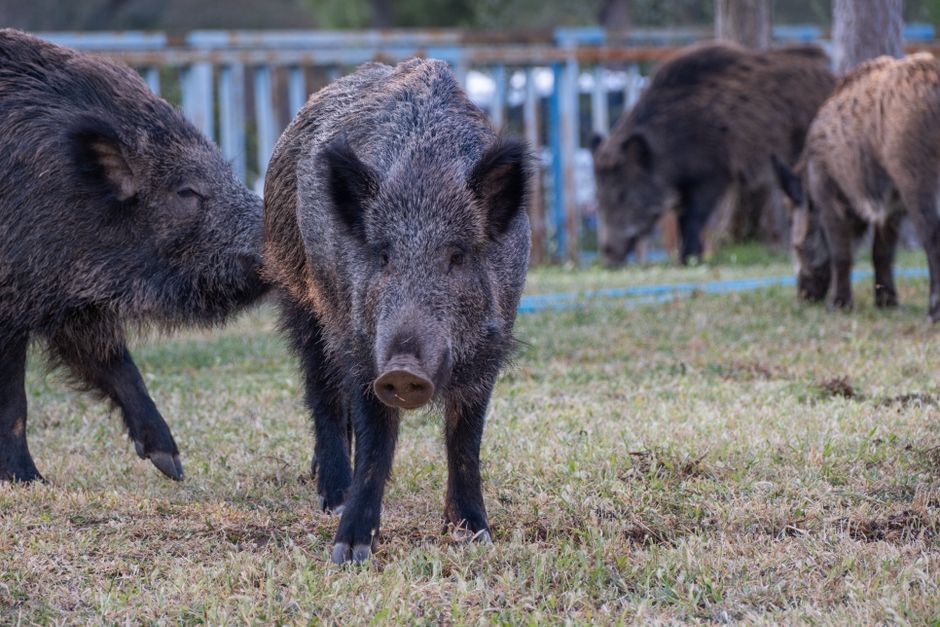
A wild boar sighting in the affluent Pipera district of Bucharest has triggered an official RO-ALERT warning, raising concerns among residents and highlighting the increasing intersection of urban life and wildlife in Romania's capital. The incident, which occurred near a school in the Voluntari area, has prompted local authorities to issue safety guidelines and deploy teams to locate and relocate the animal. This event underscores a growing trend across the Balkans, where expanding urban sprawl encroaches on natural habitats, leading to more frequent encounters between humans and large wild animals.
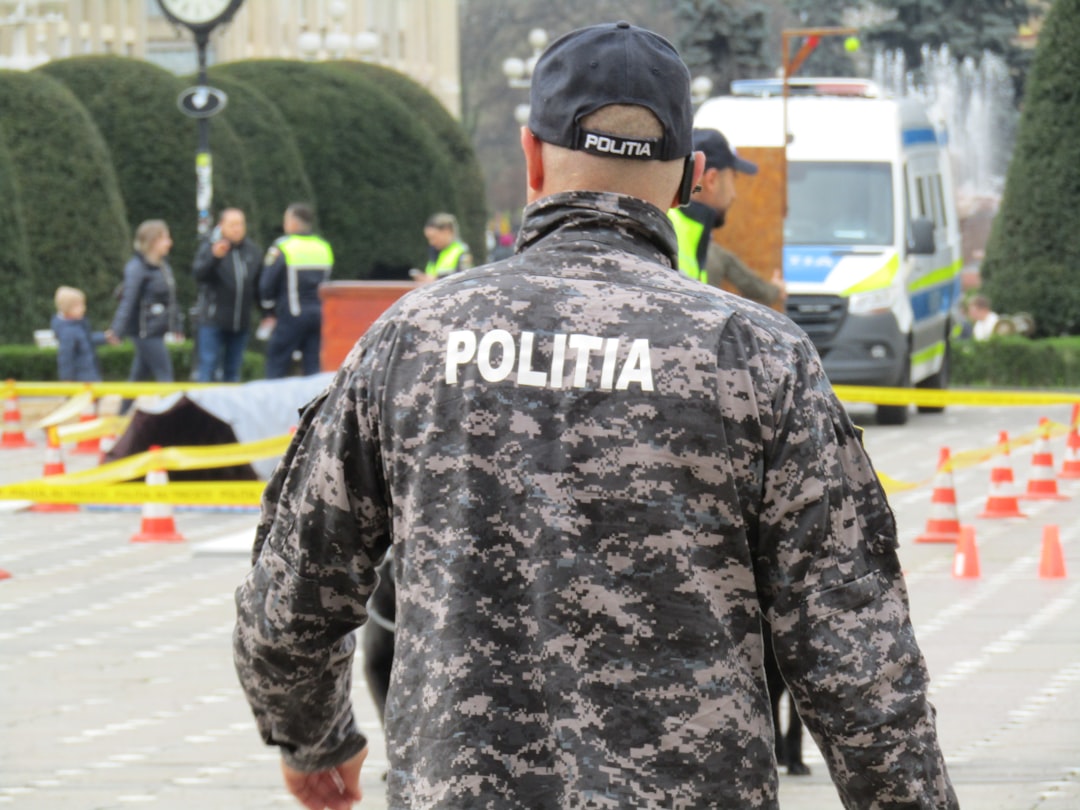
The RO-ALERT system, Romania's national emergency notification platform, sent a message to mobile phones in the affected zone, advising residents to stay indoors and avoid contact with the animal. The sighting near a school added urgency to the situation, as officials sought to ensure the safety of students and staff. While wild boars are common in rural Romania, their presence in densely populated suburban areas like Pipera is rare and poses potential risks, including property damage and public safety concerns. This incident has sparked discussions about urban planning, wildlife management, and the need for better coexistence strategies in rapidly developing regions.
Escalation of Human-Wildlife Conflicts in Urban Romania
The appearance of a wild boar in Pipera is not an isolated incident but part of a broader pattern of increasing human-wildlife conflicts in Romania. As cities expand outward, they consume forests, fields, and natural corridors that traditionally served as habitats for wild animals. This encroachment forces species like boars, deer, and even bears to adapt to urban environments in search of food and shelter. In recent years, similar sightings have been reported in other parts of Bucharest and major cities across the country, including Cluj-Napoca and Timișoara.
Wild boars are particularly adaptable and resilient animals, capable of thriving in diverse environments. They are known to forage in gardens, parks, and waste disposal sites, often causing damage to crops, landscaping, and infrastructure. In urban settings, their presence can be dangerous, as boars can be aggressive when threatened or cornered. The incident in Pipera highlights the challenges faced by local authorities in managing these conflicts, balancing the need for public safety with the conservation of wildlife. Experts emphasize the importance of implementing measures such as securing waste bins, removing attractants, and creating wildlife corridors to reduce the likelihood of such encounters.
The Romanian government has acknowledged the growing issue and has taken steps to address it through various initiatives. These include public awareness campaigns, improved waste management practices, and collaboration with wildlife experts to develop effective management strategies. However, the rapid pace of urbanization continues to outpace these efforts, leaving many communities vulnerable to unexpected wildlife encounters. The Pipera incident serves as a stark reminder of the need for proactive planning and sustainable development to mitigate the risks associated with human-wildlife coexistence.
Balkan Context: A Regional Challenge
The challenge of managing wild boar populations and minimizing human-wildlife conflicts is not unique to Romania but is a regional issue affecting several Balkan countries. Nations such as Bulgaria, Serbia, and Greece have also reported increased sightings of wild boars in urban and suburban areas. This trend is driven by similar factors, including habitat loss, climate change, and the expansion of agricultural and residential zones. In Bulgaria, for instance, wild boars have been known to raid villages and cause significant damage to crops, leading to tensions between farmers and wildlife conservationists.
In Serbia, the issue has gained attention due to the potential for boars to carry diseases such as African Swine Fever, which poses a threat to both wild and domestic pig populations. Authorities in Serbia have implemented measures to control boar populations, including regulated hunting and culling programs, to mitigate these risks. Similarly, in Greece, the increasing presence of wild boars in areas like Athens and Thessaloniki has raised concerns about public safety and environmental management. These regional challenges highlight the need for cross-border cooperation and the sharing of best practices in wildlife management.
The Balkan region's diverse landscapes and rich biodiversity make it a critical area for conservation efforts, but also a hotspot for human-wildlife interactions. As urbanization continues to reshape the region, governments and communities must adopt integrated approaches that consider both human needs and ecological balance. This includes investing in infrastructure that minimizes habitat fragmentation, promoting sustainable land-use practices, and engaging local communities in conservation initiatives. The incident in Pipera serves as a case study for the broader regional challenge, emphasizing the importance of preparedness and adaptive management in the face of changing environmental dynamics.
What to Watch For Next
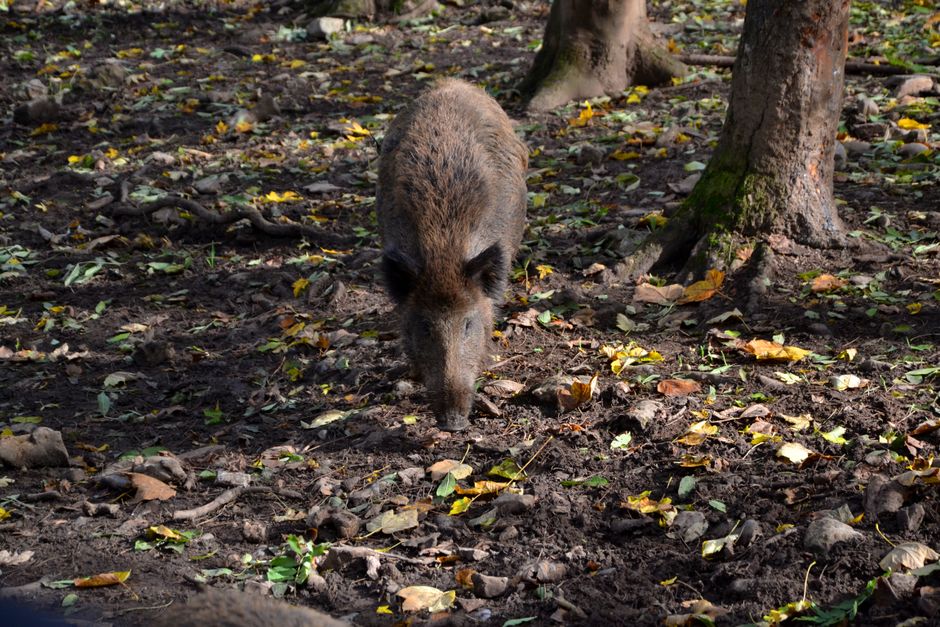
In the immediate aftermath of the Pipera incident, residents and authorities are closely monitoring the situation to ensure the boar is safely relocated. The success of this operation will depend on the effectiveness of the deployed teams and the cooperation of the local community. In the longer term, the incident is likely to prompt a review of urban planning policies and wildlife management strategies in Bucharest and other major cities across Romania. Public discourse may also intensify, with calls for more stringent regulations on development in ecologically sensitive areas.
For readers, this story highlights the evolving relationship between humans and wildlife in the modern era. As urban environments continue to expand, the likelihood of such encounters will increase, making it essential for individuals to be aware of safety guidelines and best practices. Understanding the behaviors of wild animals and respecting their habitats can help reduce conflicts and promote coexistence. The situation in Pipera is a timely reminder that as we build our cities, we must also consider the natural world that surrounds us, ensuring that progress does not come at the expense of safety and sustainability.



Comments