


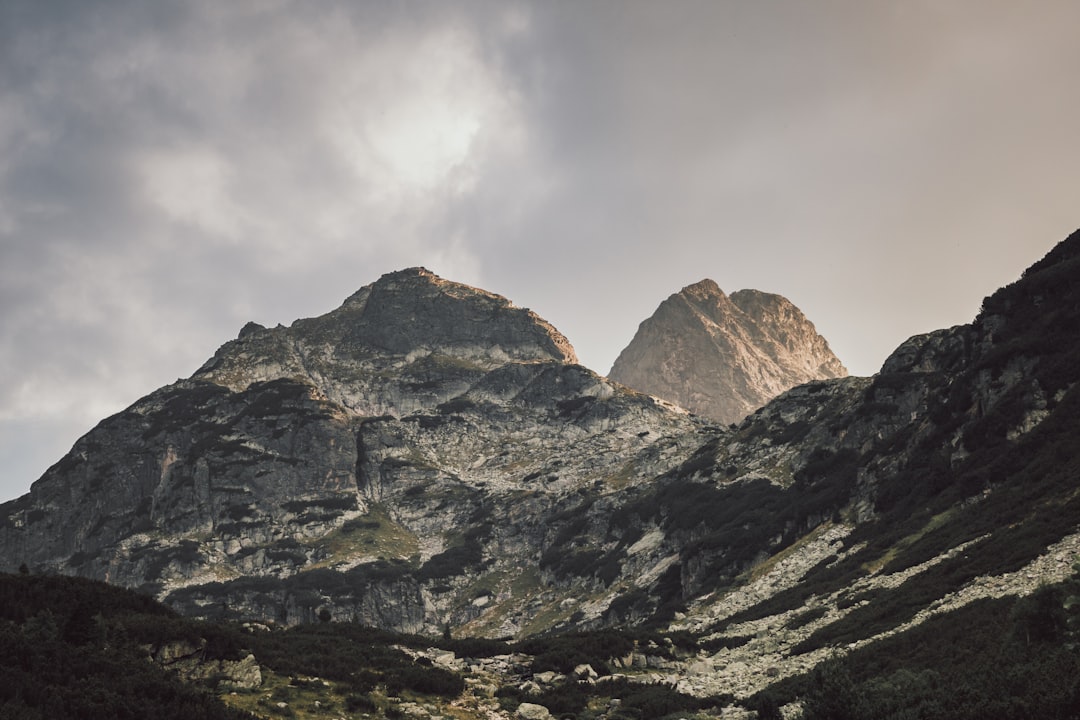
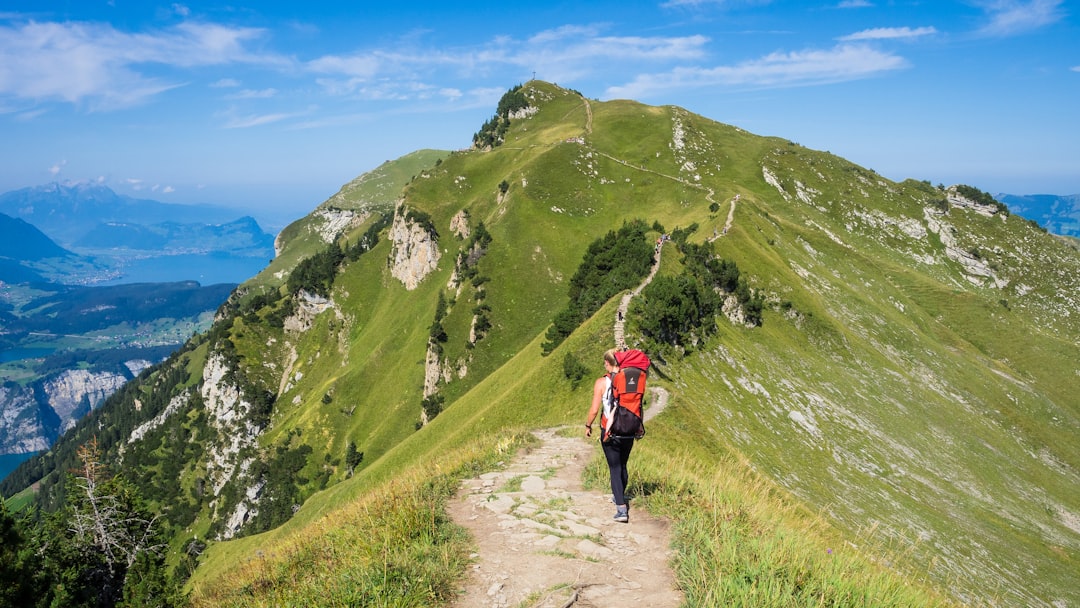
The air at 2,500 meters doesn't just hit you; it rewrites your blood. I was standing on the rocky spine of the Rila Mountains, watching a cloud bank swallow the peak of Yulen, when a local shepherd in a faded wool coat walked past my shivering frame without breaking stride. He didn't offer a smile, just a grunt that translated roughly to "get moving, the weather turns in ten minutes." There is no pretense here. The Rila National Park doesn't care about your Instagram feed or your five-star hotel expectations. It is a raw, jagged expanse of granite and glacial lakes that demands respect. Most tourists in Bulgaria are stuck in the sun-bleached resorts of the Black Sea coast, drinking cheap beer and complaining about the sand. They have no idea that just a few hours inland, the landscape shifts into something that rivals the Swiss Alps, but without the polished tourist traps or the price tags that match.
I've spent a week tracking down the hidden corners of this region, and I can tell you one thing: this is not a place for casual strolls. It is a place for the obsessed. The silence here is heavy, broken only by the wind howling through the pine forests and the distant crack of a rockfall. If you want to understand why this park remains Bulgaria's best-kept secret, you have to leave the comfort of the city behind and step into the wild. The rewards are immense, but they are earned, not given.
History & Identity
The identity of the Rila region is forged in two extremes: the spiritual and the physical. For centuries, this rugged terrain was considered impassable, a barrier that protected the communities within but also isolated them. That isolation birthed the Rila Monastery, one of the most important spiritual centers in Eastern Orthodox Christianity. Built in the 10th century, the monastery sits in a valley below the highest peaks, a fortress of faith carved into the rock. Its history is a testament to resilience, having survived Ottoman rule, natural disasters, and political upheavals. Today, it stands as a symbol of Bulgarian national identity, a place where the spiritual weight of the past is palpable in every stone wall and frescoed ceiling.
But the park is more than just a religious landmark. The mountains themselves have shaped the culture of the people who live in their shadow. The harsh winters and short growing seasons created a society that values endurance and practicality. The wooden houses you see in the villages of Boyana and Kokalyane are not just picturesque; they are engineered for survival, with steep roofs to shed heavy snow and thick walls to retain heat. This heritage is still visible today, in the way locals speak, in the food they prepare, and in the way they look at outsiders who think they can conquer the mountain in a day. The Rila National Park is a place where nature and history collide, creating a landscape that feels ancient and untamed.
Where to Go
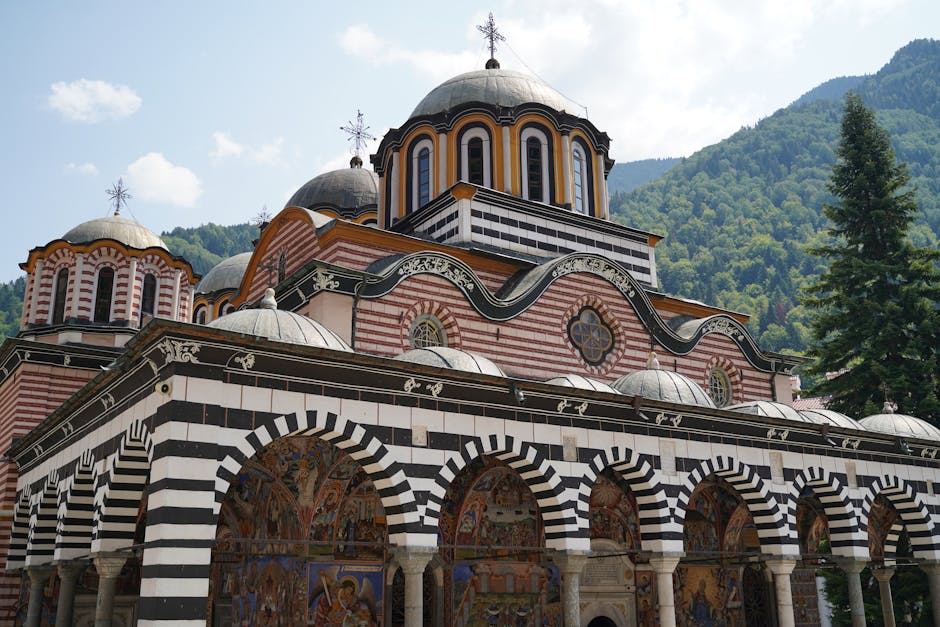
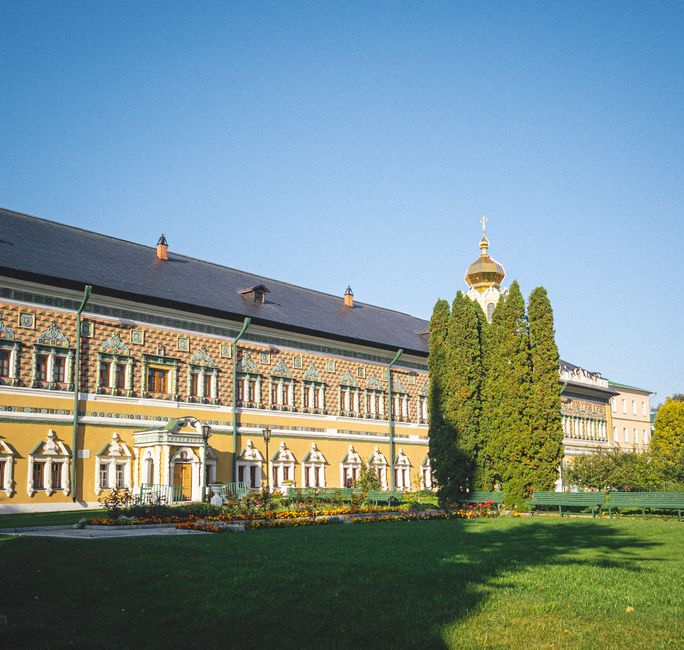
Rila Monastery — The crown jewel of the park, this UNESCO World Heritage site is a must-visit. The complex is a maze of buildings, chapels, and courtyards, adorned with intricate carvings and vibrant frescoes. The main church houses some of the finest examples of Bulgarian Revival art, including the famous "Gate of Heaven" above the entrance. Entry is free, but donations are appreciated. Visit early in the morning to avoid the crowds and catch the light hitting the golden domes.
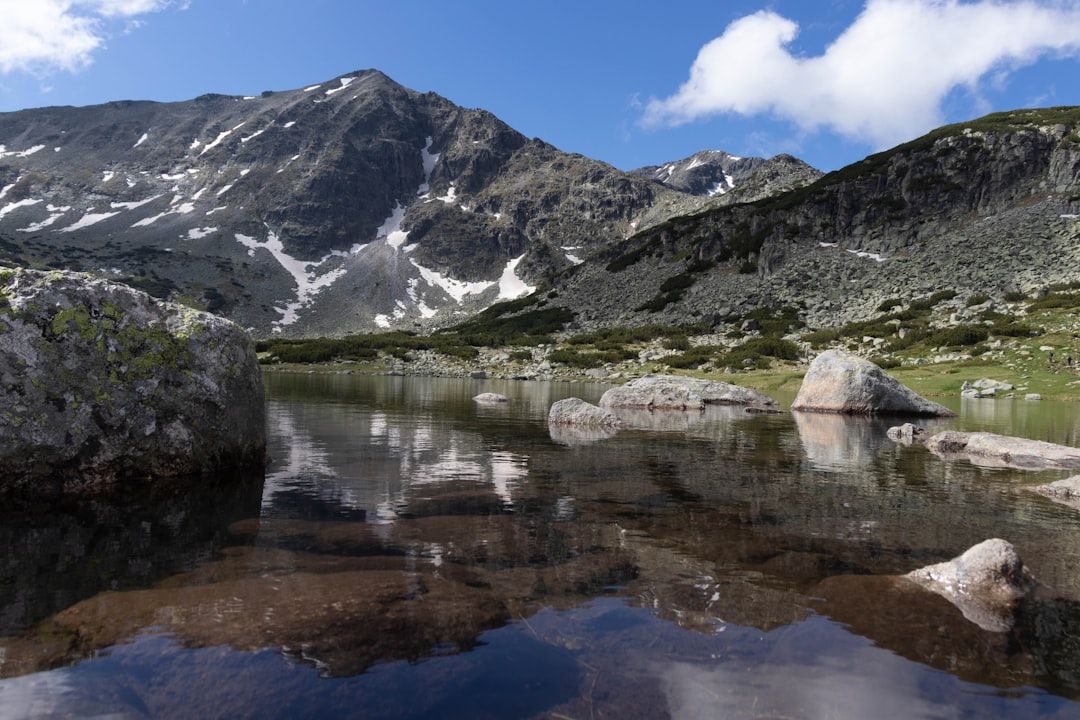
Seven Rila Lakes — These glacial lakes are the heart of the park's alpine beauty. Arranged in a crescent shape, they range in size and color, from deep blue to emerald green. The largest, Yaspeno Lake, offers stunning reflections of the surrounding peaks. The hike to the lakes is challenging but rewarding, with steep ascents and rocky paths. The view from the top is worth every step, offering a panorama of the entire Rila massif. Entry to the park is 2 EUR, and a small fee is charged for the chairlift to the upper lakes.
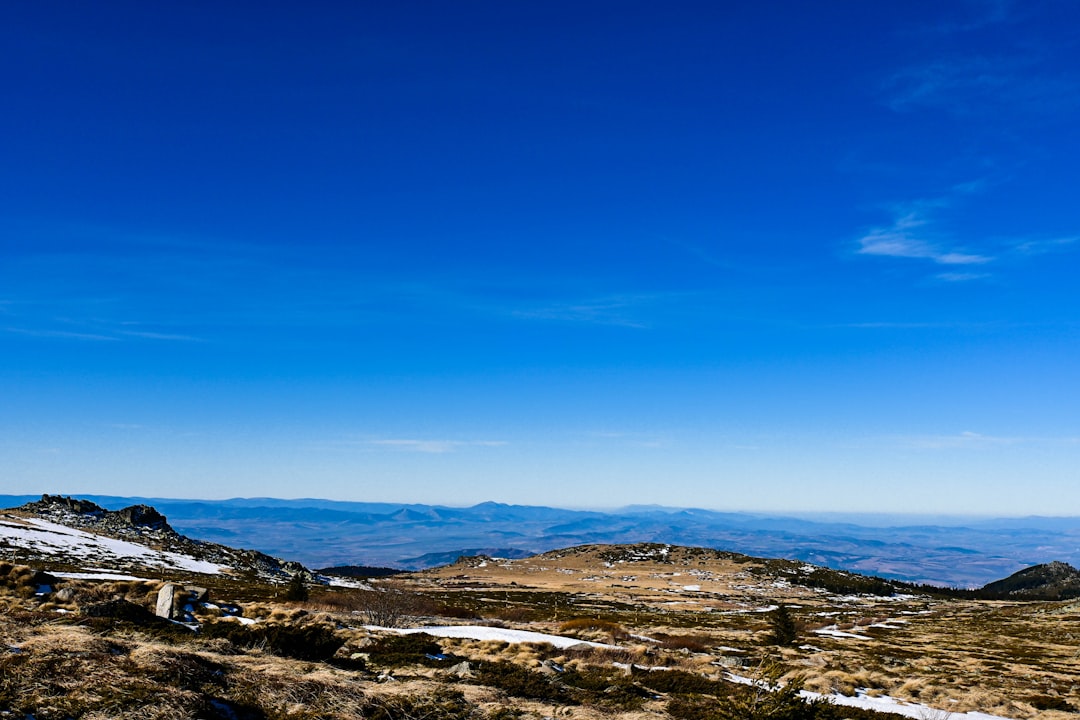
Yulen Peak — The highest point in the Balkans at 2,925 meters, Yulen is a challenge for experienced hikers. The ascent is steep and exposed, requiring good fitness and proper gear. The view from the summit is breathtaking, with a 360-degree panorama of the Rila Mountains and beyond. The climb takes about 4-5 hours from the trailhead, and conditions can change rapidly, so check the weather forecast before attempting it. The sense of accomplishment at the top is unmatched.
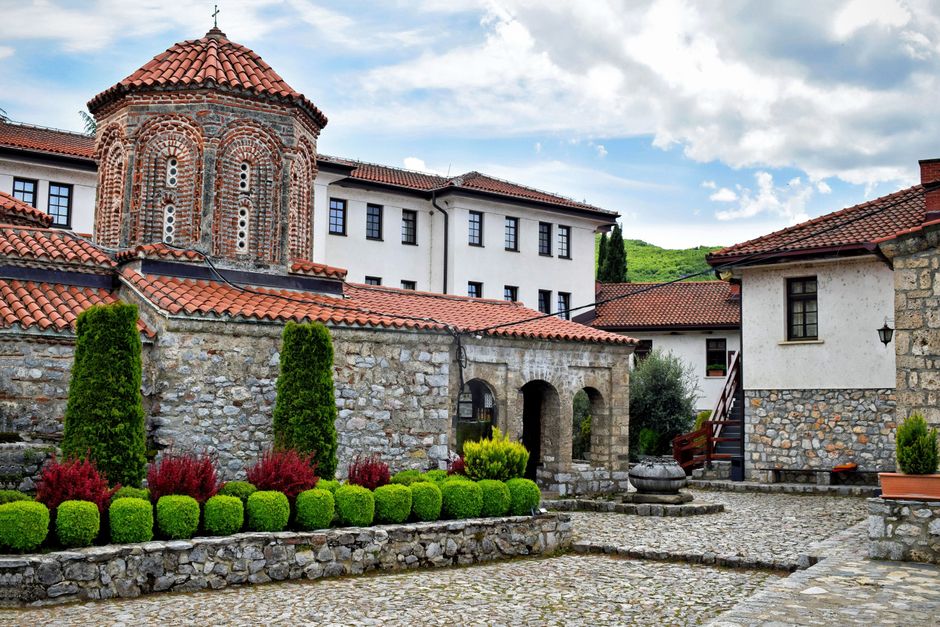
Bachkovo Monastery — Located at the foot of the Rila Mountains, this monastery is known for its beautiful architecture and peaceful gardens. The complex includes several chapels and a museum, showcasing the history of the region. The gardens are a haven for birdwatchers, with species like the Alpine chough and the Golden eagle often spotted. Entry is 3 EUR, and it's a great place to relax after a day of hiking.
What to Eat & Drink
Food in the Rila region is hearty and rustic, designed to fuel long days in the mountains. You'll find plenty of banitsa (cheese pastry) for breakfast, usually costing around 2-3 EUR per portion. For lunch, try kavarma, a slow-cooked meat stew served with bread, which typically costs 8-10 EUR per serving. Don't miss the local shopska salad, a refreshing mix of tomatoes, cucumbers, onions, and sirene cheese, priced at around 4-5 EUR. For dessert, trayia (a type of baklava) is a must-try, available at most bakeries for 1-2 EUR per piece.
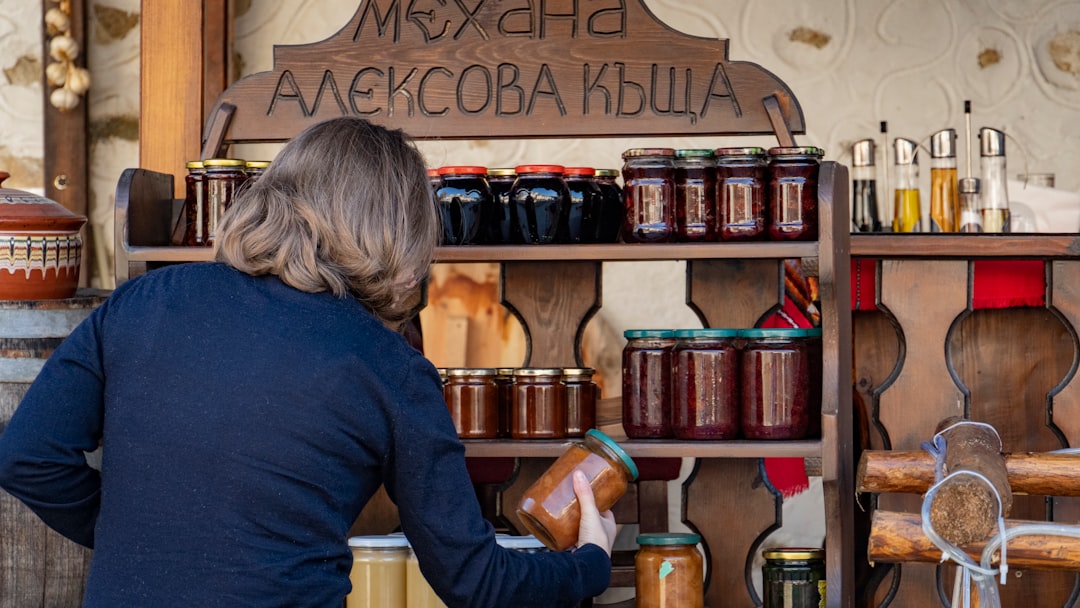
Budget travelers can find plenty of take-away options in the villages of Rila and Smolyan, with meals ranging from 5-8 EUR. Sit-down restaurants in the town of Rila offer a more relaxed dining experience, with prices ranging from 15-25 EUR per person. For a true local experience, visit the Rila Market on weekends, where vendors sell fresh produce, dairy, and homemade preserves. It's a great place to pick up supplies for a picnic or to sample local delicacies.
Nightlife
Nightlife in the Rila region is quiet and low-key, reflecting the peaceful nature of the area. The town of Rila has a few small bars and cafes, where you can enjoy a drink and watch the world go by. The Hotel Rila has a cozy bar with a fireplace, perfect for warming up after a day of hiking. Prices for drinks are reasonable, with a beer costing around 2-3 EUR and a cocktail around 5-7 EUR. For a more lively atmosphere, head to the village of Boyana, where the Boyana Hotel hosts live music on weekends. It's a great place to meet other travelers and swap stories about the mountain.
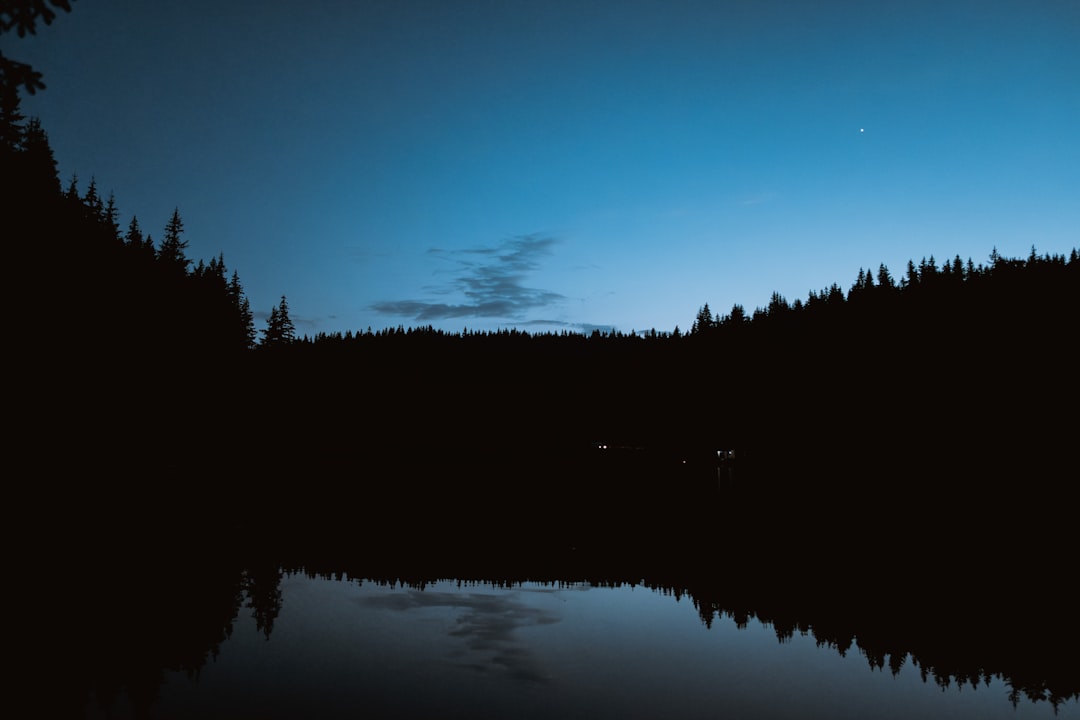
If you're looking for something more active, try the Rila Ice Rink in the winter, where you can skate under the stars. In the summer, the Rila Swimming Pool offers a refreshing dip after a long day of hiking. Nightlife here is not about partying; it's about relaxation and connection. The stars are incredibly bright, and the silence is profound. It's a place to reflect on the day's adventures and appreciate the beauty of the natural world.
Getting There & What to Expect
Getting to Rila National Park is straightforward. The nearest major city is Sofia, the capital of Bulgaria, which is about 100 kilometers away. You can reach the park by bus, train, or car. Buses leave from the Serdika Bus Station in Sofia and take about 2 hours, costing around 5-7 EUR. Trains leave from the Serdika Railway Station and take about 2.5 hours, costing around 4-6 EUR. If you have a car, the drive is scenic and takes about 1.5 hours. There are plenty of parking areas near the trailheads, but they can get crowded during peak season.
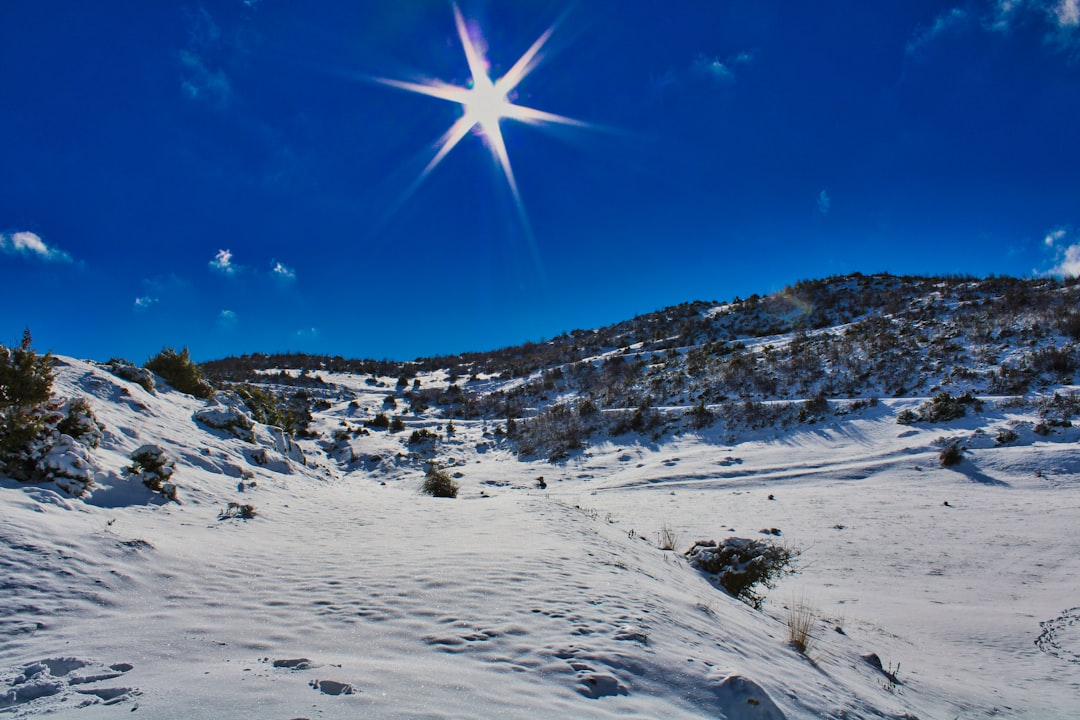
Accommodation options range from budget hostels to luxury hotels. In the town of Rila, you can find hostels for around 15-25 EUR per night and mid-range hotels for around 50-80 EUR per night. In the village of Boyana, there are several guesthouses and hotels, with prices ranging from 30-60 EUR per night. For a more authentic experience, try staying in a mountain hut near the Seven Lakes, which costs around 20-30 EUR per person per night. The best time to visit is from June to September, when the weather is warm and the trails are clear. In the winter, the park transforms into a snow-covered wonderland, perfect for skiing and snowshoeing.
Search accommodation in Rila on Booking.com →
The Unforgiving Truth
There is a moment on every hike in the Rila Mountains when you realize you are small. It happens when the wind picks up, or when you lose the trail, or when you look out over a valley that seems to stretch to the end of the world. In that moment, the ego dissolves. You are just a body moving through space, dependent on the land for survival. The Rila National Park does not coddle you. It does not offer easy answers or comfortable lies. It offers only the truth of the mountain: that life is hard, and beauty is fleeting, and the only thing that matters is the step you take next. I left the park with blisters on my feet and a hole in my heart, but I also left with a sense of clarity that I had never felt before. This is not a place for the faint of heart. It is a place for those who are willing to be changed.
Comments