


A theological dispute involving a self-proclaimed scholar named Miloš Stojković has ignited a firestorm across the Balkans, particularly in Montenegro, where he was recently detained by police. The controversy centers on Stojković's claims of authority within the Serbian Orthodox Church (SOC) and his subsequent arrest in the town of Žabljak. The situation has drawn sharp responses from church hierarchies, with the prestigious Monastery of Hilandar on Mount Athos explicitly disassociating itself from him. This incident highlights the delicate intersection of religion, nationalism, and state authority in the Western Balkans, where religious identity remains a potent political force.
Stojković, a Serbian citizen, presented himself as a representative of Orthodox interests in Montenegro, a country with a significant Serbian Orthodox population but a complex relationship with the SOC. His detention came after he allegedly attempted to conduct unauthorized religious activities or assert ecclesiastical authority without proper accreditation. The move has been interpreted by some as a crackdown on Serbian cultural influence, while others view it as a necessary enforcement of state sovereignty and religious law. As tensions rise, the question of who Miloš Stojković really is—and what his actions signify for regional church-state dynamics—has become a trending topic across Serbian and Montenegrin media.
Background: The Identity and Claims of Miloš Stojković
Miloš Stojković is not a high-ranking cleric within the canonical Serbian Orthodox Church but rather a lay theologian and public figure who has gained attention through social media and nationalist circles. He positions himself as a defender of Orthodox traditions and Serbian heritage, often criticizing both the Montenegrin state and, at times, the official church hierarchy for perceived compromises. His background includes academic involvement in theology, though he lacks formal ordination or appointment by the SOC Patriarchate. This status has led to confusion and controversy, as he operates in a gray area between religious scholarship and activism.
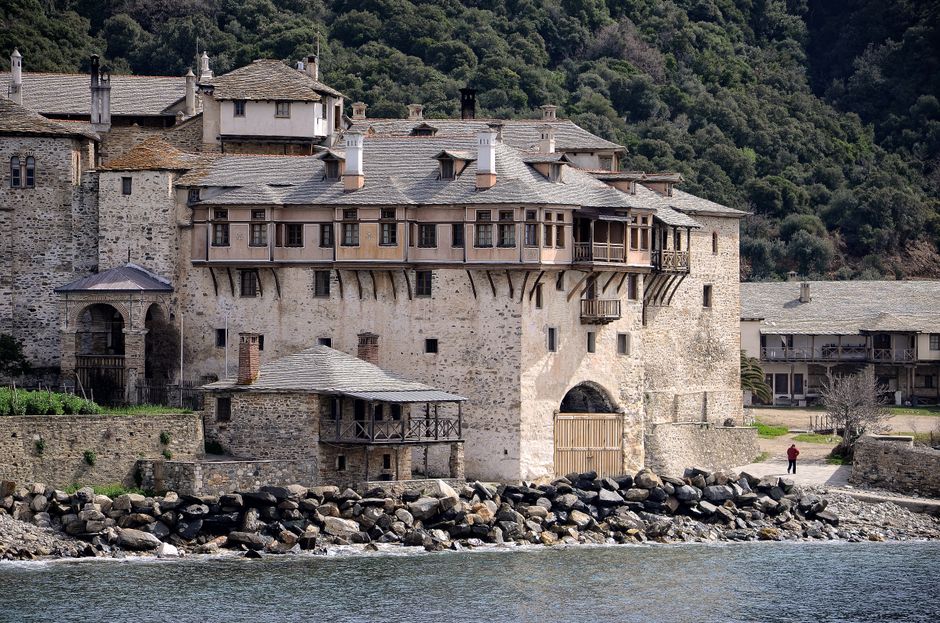
His recent activities in Montenegro included attempts to engage with local communities, possibly under the guise of religious instruction or cultural preservation. However, Montenegrin authorities viewed his presence as unauthorized, leading to his arrest. Reports indicate that Stojković claimed ties to influential religious institutions, including the Monastery of Hilandar, one of the most revered Serbian monasteries located on Mount Athos in Greece. These claims were swiftly debunked by Hilandar’s administration, which stated that Stojković has no affiliation with the monastery and is not recognized by its monastic community.
The disassociation from Hilandar is significant because the monastery holds immense symbolic value for Serbs worldwide. It is considered the spiritual heart of Serbian Orthodoxy and a center of learning and tradition. Any individual claiming representation from Hilandar without official backing is seen as undermining the institution’s integrity. This has led to widespread criticism of Stojković in traditional media and among church officials, who emphasize the importance of canonical order and ecclesiastical discipline.
Significance: Church, State, and National Identity in Montenegro
The detention of Miloš Stojković occurs against a backdrop of ongoing tensions between Montenegro and the Serbian Orthodox Church. Since Montenegro declared independence in 2006, the SOC has frequently accused the government of discriminating against Serbian cultural and religious institutions, including the expropriation of church properties and restrictions on religious education. These issues have been central to political discourse and have fueled protests, particularly in northern municipalities where the population is predominantly ethnic Serbian.
Montenegrin authorities, however, argue that they are enforcing laws that require religious communities to register and operate within legal frameworks. They contend that unaccredited individuals like Stojković pose a risk to social stability and religious harmony. The arrest has been framed as a routine law enforcement action, but it has been widely interpreted in Serbia and among diaspora communities as part of a broader pattern of anti-Serbian policies. This perception has intensified nationalist sentiments and drawn attention from regional and international observers.
The case also underscores the challenges faced by religious institutions in maintaining authority in a secularizing and politically fragmented environment. The SOC has struggled to maintain unity among its parishes in Montenegro, with some priests aligning with state-appointed structures and others remaining loyal to the Belgrade-based hierarchy. Stojković’s actions, whether seen as misguided or malicious, have exacerbated these divisions and highlighted the complexities of religious governance in the Balkans.
Balkan Angle: Regional Reactions and Future Implications
The controversy surrounding Miloš Stojković has resonated across the Balkans, with reactions varying from condemnation to support. In Serbia, mainstream media and political figures have largely criticized the Montenegrin government for what they describe as religious persecution. The Serbian Orthodox Church has called for dialogue but has also emphasized the need to protect its institutions from unauthorized interventions. Some nationalist groups have rallied behind Stojković, viewing him as a martyr for Serbian causes, despite his lack of official ecclesiastical standing.
In Montenegro, the government has maintained that its actions were lawful and necessary to uphold public order. However, the incident has strained relations with Serbia further, complicating efforts toward regional cooperation and European integration. The European Union and other international partners have urged restraint and dialogue, recognizing the sensitivity of religious issues in the Western Balkans. The case serves as a reminder of the deep historical and cultural ties that continue to shape political dynamics in the region.
Looking ahead, the outcome of Stojković’s legal proceedings will be closely watched by religious communities and political actors alike. A heavy sentence could be seen as a victory for state authority but may also inflame nationalist sentiments. Conversely, a lenient approach might be interpreted as weakness by hardliners on both sides. The Serbian Orthodox Church is likely to continue advocating for canonical order and diplomatic engagement, seeking to balance its spiritual mission with the realities of a divided society. For Balkan audiences, this case illustrates the enduring power of religious identity and the challenges of navigating faith in a modern, secular state.

Comments