


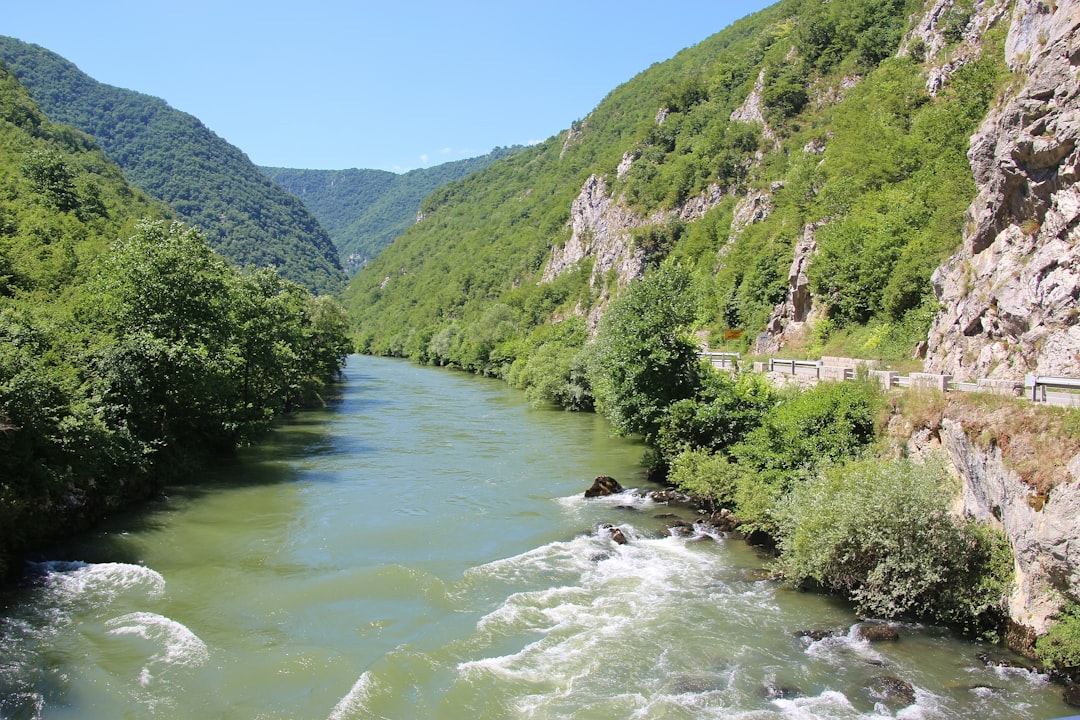
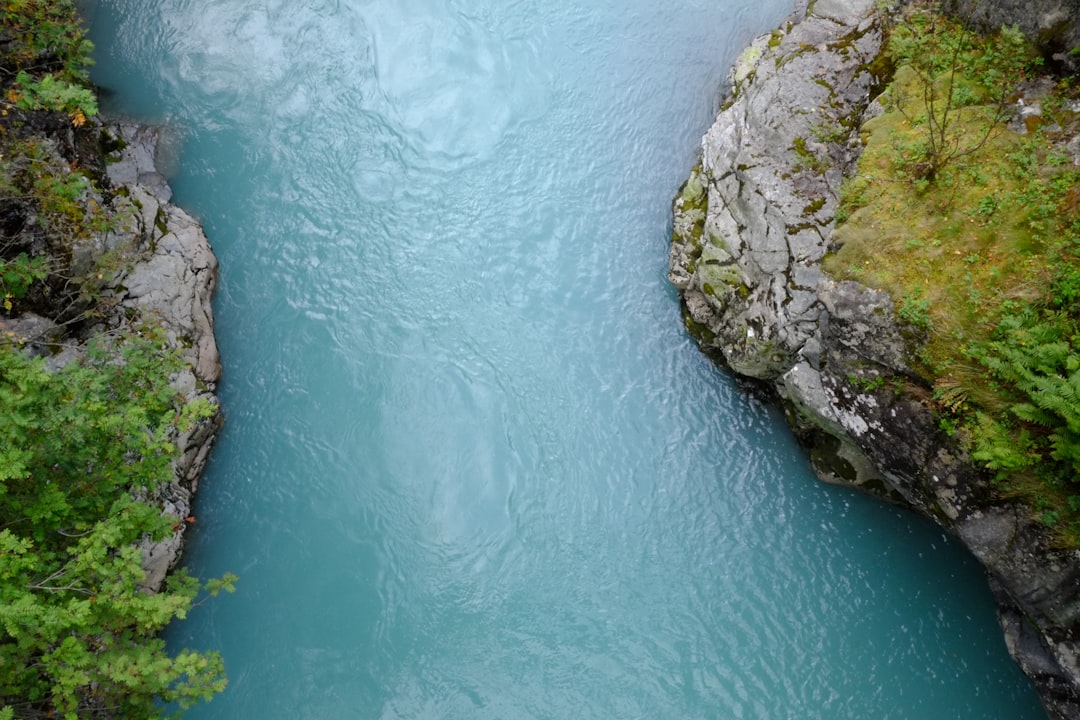
I stood on the edge of a bridge that felt less like infrastructure and more like a dare. Below me, the Tara River didn't just flow; it hammered against limestone teeth, turning into a frothing, emerald-white vein that looked capable of swallowing a kayak whole. The air smelled of wet stone and pine, sharp enough to clear a sinus infection. A local guide, chewing on a cigarette that refused to burn in the wind, told me this was the deepest gorge in Europe. I looked at the cliff face, sheer and indifferent, and realized he wasn't exaggerating. This isn't a place for postcard posing. It's a place where the geography reminds you that you're small, loud, and slightly out of your depth.
Getting here required a drive through the rugged interior of Montenegro and a border crossing that felt like stepping back into a different century. The road to Jahorina was winding, treacherous, and utterly necessary. Once you hit the water, the politics of the Balkans fade into the background, replaced by the primal rhythm of the current. This is the Tara River Canyon, a geological scar that cuts through the heart of the Dinaric Alps, and it demands respect.
History & Identity
The Tara River Tara (Sava) has always been a border. For centuries, it marked the line between the Ottoman Empire and the Habsburg Monarchy, later separating Yugoslavia's republics, and now serving as the boundary between Montenegro and Bosnia and Herzegovina. This isn't just a scenic backdrop; it's a historical dividing line that shaped trade, war, and culture. The villages on the Montenegrin side, like Šavnik and Piva, developed a distinct identity, isolated by mountains but connected by the river's trade routes.
The area is steeped in a rugged, pastoral tradition. The Durmitor National Park Durmitor National Park dominates the landscape, a UNESCO World Heritage site that protects not just the peaks but the cultural heritage of the mountain people. The identity here is forged in isolation and resilience. The river itself was once a vital transport route for timber and goods, with rafters navigating its rapids long before modern tourism arrived. Today, that raw power is the main attraction, but the sense of a borderland persists in the architecture and the slow, deliberate pace of life in the nearby towns.
Where to Go
Tara Bridge — The iconic concrete arch that spans the canyon is a masterpiece of 1960s engineering. Built in 1940, it was a symbol of connection, and today it offers one of the most dramatic viewpoints in the Balkans. Standing on the bridge, you can look down into the abyss and see the river far below, a thin blue line. It's a pilgrimage site for photographers and thrill-seekers alike. Entry is free, but the drive to reach it is part of the experience.
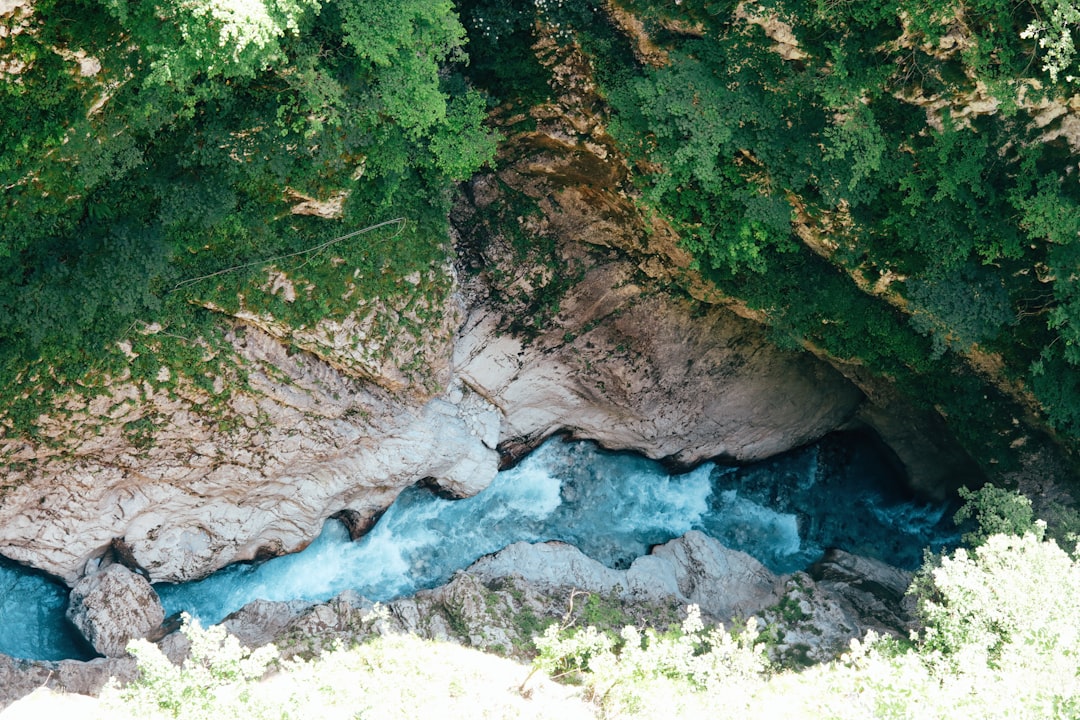
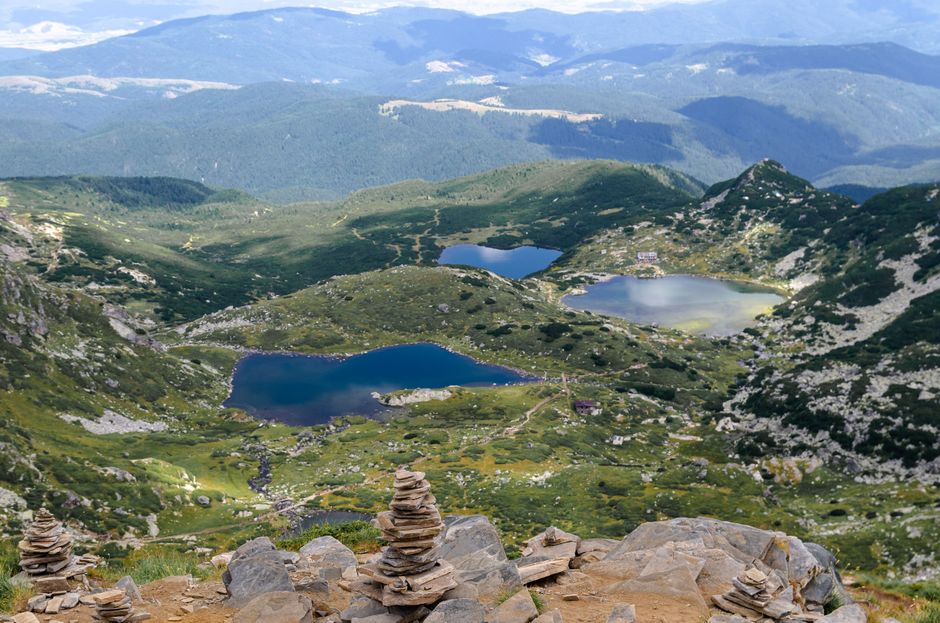
Durmitor National Park — Located on the Montenegrin side, this park is the gateway to the canyon. The park office in Žabljak provides maps and information, but the real attraction is the vast wilderness. The Seven Lakes Seven Lakes of Durmitor are a must-see, a chain of glacial lakes set in a cirque that offers a stark contrast to the violent energy of the river. The hike to the upper lake is steep and rewarding, with views that stretch across the entire range. Entry fee is approximately 5 EUR for foreigners.
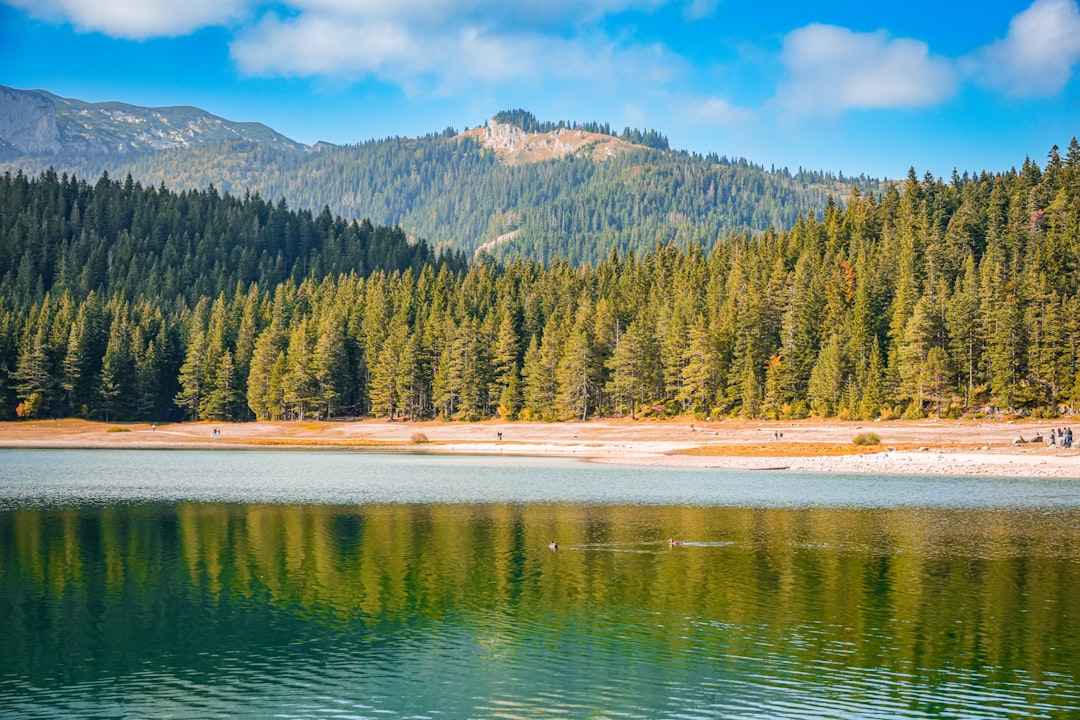
Šavnik — The town at the head of the canyon is a quiet, unpretentious hub. It's the starting point for many canoeing trips and a good base for exploring the upper reaches of the river. The Piva Lake Piva Lake nearby is a reservoir formed by a dam, offering calm waters for fishing and kayaking before the river turns wild. The town itself has a few good restaurants and a relaxed atmosphere, far removed from the tourist crowds of the coast.
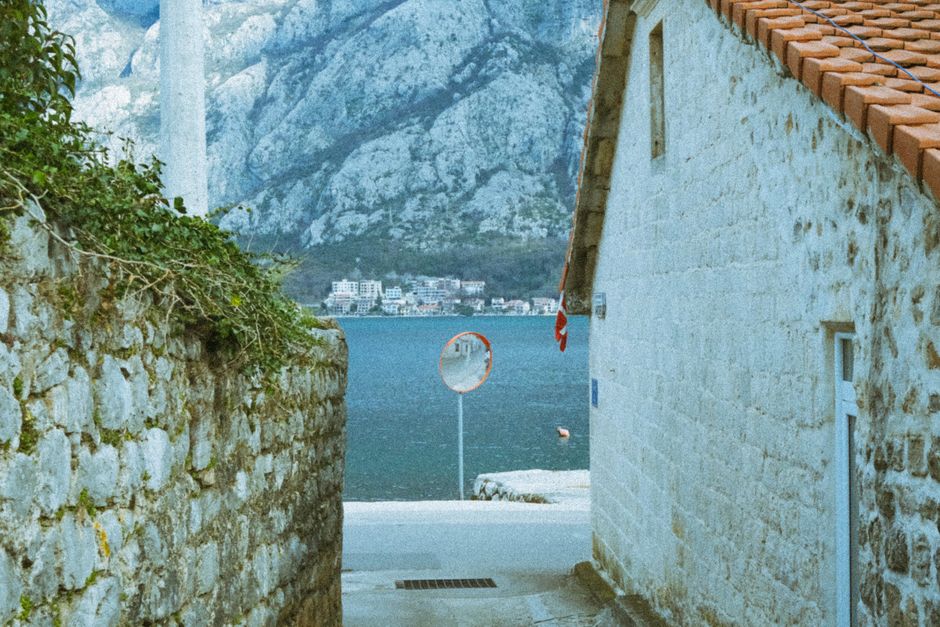
Perućica Forest — Just north of Žabljak, this primeval forest is one of the last remaining old-growth beech forests in Europe. The Velika Mrka tree, a centuries-old beech, is the centerpiece. The walk through the forest is silent and eerie, with towering trees that seem to block out the sky. It's a stark reminder of the ancient, untouched nature that surrounds the canyon. Entry fee is approximately 3 EUR.
What to Eat & Drink
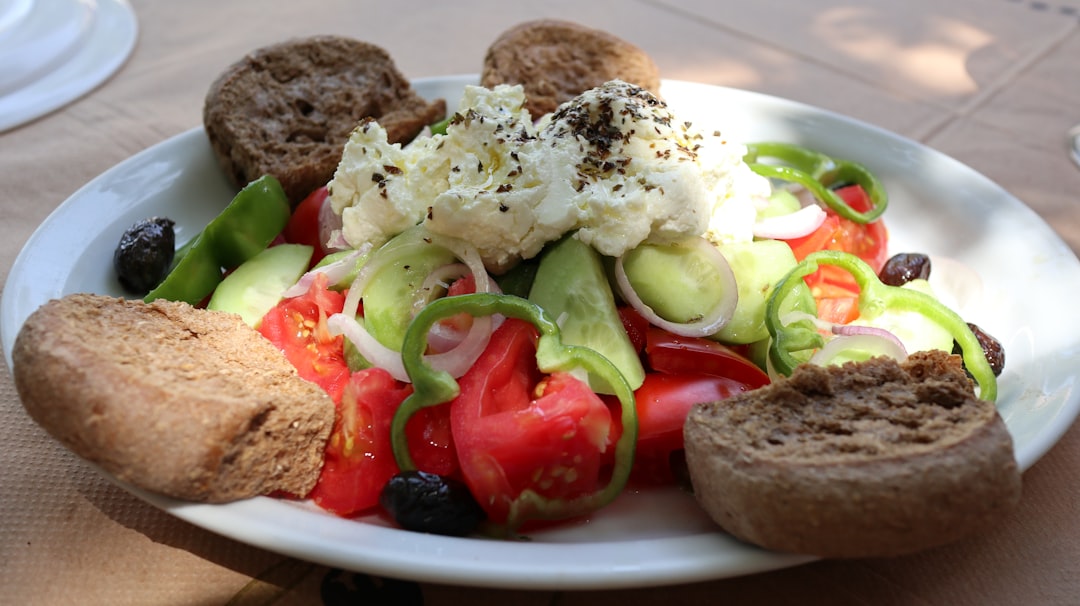
Food in this region is hearty, designed to fuel mountain labor and cold winters. You won't find light, airy salads here. Expect meat, cheese, and bread in abundance. Kravata — smoked pork neck, often served with mustard and bread — is a local staple, costing around 4-6 EUR per portion. Kajmak — a creamy, fermented dairy product — is essential, often served with pršut (dry-cured ham). A plate of čorba (meat soup) is a comfort food classic, priced at 3-5 EUR.
Budget travelers can eat well for 8-12 EUR per meal at local konobas (taverns). Sit-down restaurants in Žabljak or Šavnik range from 15-25 EUR per person for a main course and drink. Street food options are limited, but bakeries offer fresh pogaca (flatbread) with cheese or meat for 2-3 EUR. The Žabljak market square has a few food stalls in the summer, offering fresh produce and local delicacies.
Nightlife
Nightlife in the canyon region is not about clubs or neon lights. It's about konobas — rustic taverns where locals gather to drink rakija (fruit brandy), sing folk songs, and tell stories. In Žabljak, the main street has a few bars and cafes that stay open late in the summer. The atmosphere is relaxed, with live music on weekends. Cover charges are non-existent, but expect to spend 5-10 EUR on drinks and snacks. The focus is on conversation and community, not dancing.
Routes & Trail Info
Canoeing the Tara River is the premier activity here. The classic route starts at Šavnik and ends at Mojkovac or Piva, covering about 50 kilometers. This is a multi-day trip, typically taking 3-4 days, and requires experienced paddlers due to Class III and IV rapids. The river is cold, even in summer, so drysuits are mandatory. Guided tours cost approximately 150-200 EUR per person for a 2-day trip, including equipment and meals.
For hikers, the Veliki Jezerski Vrh peak offers panoramic views of the canyon and the Seven Lakes. The hike is approximately 10 kilometers round-trip with an elevation gain of 1,200 meters. It takes 5-6 hours and is rated Intermediate. The trail is well-marked but steep, requiring good fitness and sturdy boots. Another option is the Bobotov Kuk trail, which is longer and more challenging, suitable for Experienced hikers only.
Getting There & What to Expect
The nearest airport is Podgorica Airport in Montenegro, about 150 kilometers from Žabljak. The drive takes 3-4 hours via the Jadroluka road, which is scenic but winding. Buses run daily from Podgorica to Žabljak, costing approximately 10-15 EUR and taking 3-4 hours. Car rental is recommended for flexibility, costing around 40-60 EUR per day.
Accommodation in Žabljak ranges from budget hostels at 20-30 EUR per night to mid-range hotels at 60-90 EUR. Camping is available in designated areas near the park entrance. The best months to visit are June to September, when the weather is warm and the river is navigable. Winter brings snow and cold, making it ideal for skiing at Jahorina but unsuitable for canoeing.
Search accommodation in Žabljak on Booking.com →
The Edge of the Map
I sat on a rock overlooking the river, watching a group of kayakers disappear into a bend. The sound of their shouts echoed off the canyon walls, brief and then gone. This place doesn't care about your itinerary. It doesn't care about your comfort. It simply is, a massive, ancient force of nature that has carved its way through stone and time. Leaving the canyon felt like waking from a dream, the noise of the world rushing back in. But the memory of that green water, that sheer drop, stays with you. It's a reminder that some places are wild by nature, not by design, and that's exactly why we go.
Comments