


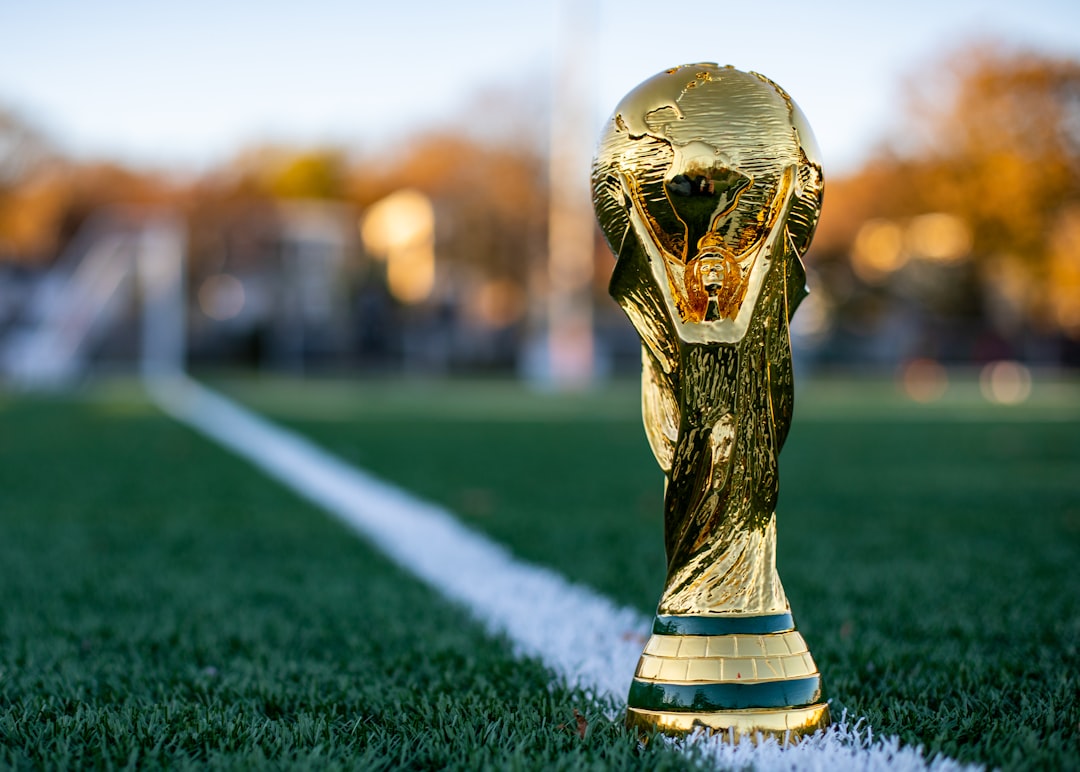
The FIFA World Cup is defined by tension, tactical rigidity, and often, defensive stalemates. Yet, beneath the surface of calculated strategy lies a chaotic history of offensive explosions that defy logic. For Balkan audiences, who possess a deep, generational passion for football, the conversation about the "most goals scored in a World Cup game" is not just a trivia question; it is a reminder of the sport's unpredictable soul. While modern football has become increasingly structured, the historical record features matches where defenses collapsed entirely, resulting in scores that seem almost fictional. This trend often resurfaces during World Cup campaigns, as fans and analysts alike look back at these outliers to understand the extremes of the beautiful game.
When discussing the highest-scoring matches in World Cup history, one name inevitably dominates the conversation: Austria. In the 1954 World Cup held in Switzerland, Austria produced two matches that remain statistical anomalies in international football. The most famous of these occurred in the group stage against Switzerland, ending in a staggering 7-5 victory for the Austrians. This match is widely considered the highest-scoring game in World Cup history. The game was a relentless back-and-forth affair, with both teams trading goals in a chaotic display of attacking football that was far more open than the tactical chess matches seen today. For football historians and statisticians, this match represents the peak of offensive output in the tournament's 90-year history.
The Austrian Offensive and the Swiss Collapse
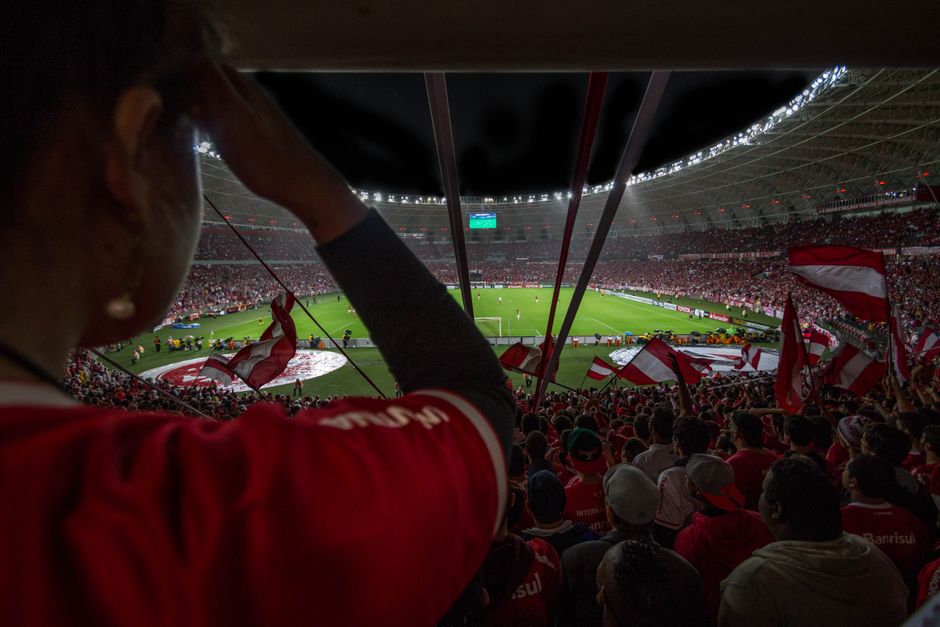
The 1954 match between Austria and Switzerland was not merely a high-scoring affair; it was a showcase of individual brilliance and defensive vulnerability. Austria’s star forward, Teddy Dahm, played a pivotal role, scoring multiple times in what was a frantic encounter. The Swiss team, playing on home soil, was unable to contain the Austrian attack, which moved the ball with a fluidity that was rare for the era. The game saw the lead change hands several times, keeping the crowd in a state of constant excitement. This match is often cited by football purists as a prime example of the sport's early days, where physicality and speed often outweighed tactical organization.
The significance of this match extends beyond the final score. It highlighted the disparity in quality between the teams and the unpredictable nature of international football. Austria went on to have a strong tournament, eventually finishing fourth, but this match remains their most famous moment. For Balkan fans, who often appreciate technical skill and attacking flair, the story of Austria’s dominance in 1954 serves as a historical touchstone. It reminds viewers that football is not always a game of inches, but sometimes a game of sheer volume. The match is frequently referenced in discussions about the evolution of the sport, illustrating how far the game has come in terms of defensive organization and tactical discipline.
Another notable mention from the same tournament is Austria’s 7-5 win over West Germany in the group stage. This match further cemented Austria’s reputation as an offensive powerhouse in 1954. The sheer number of goals scored in these two matches by a single team is a record that may never be broken. Modern defenses, equipped with advanced data analytics and highly specialized training, make such blowouts increasingly rare. The contrast between the 1954 World Cup and today’s tournament is stark, with modern matches often ending in 1-0 or 0-0 draws. This historical context adds depth to the appreciation of the sport, allowing fans to understand the different eras of football history.

Modern Echoes and Balkan Connections
While the 1954 World Cup holds the record for the highest-scoring match, other tournaments have seen their share of goal-fests. In the 1982 World Cup, Hungary defeated El Salvador 10-1, a result that stands out for its sheer disparity. More recently, the 2022 World Cup saw a 6-2 victory for Poland over Saudi Arabia, a match that highlighted the attacking prowess of Robert Lewandowski and his teammates. These matches, while not reaching the heights of 1954, still capture the imagination of fans who crave open, attacking football. For Balkan audiences, the connection to these high-scoring games is often through the lens of their own national teams’ performances. Teams like Serbia, Croatia, and Bulgaria have experienced both the highs of attacking football and the lows of defensive struggles in World Cup campaigns.
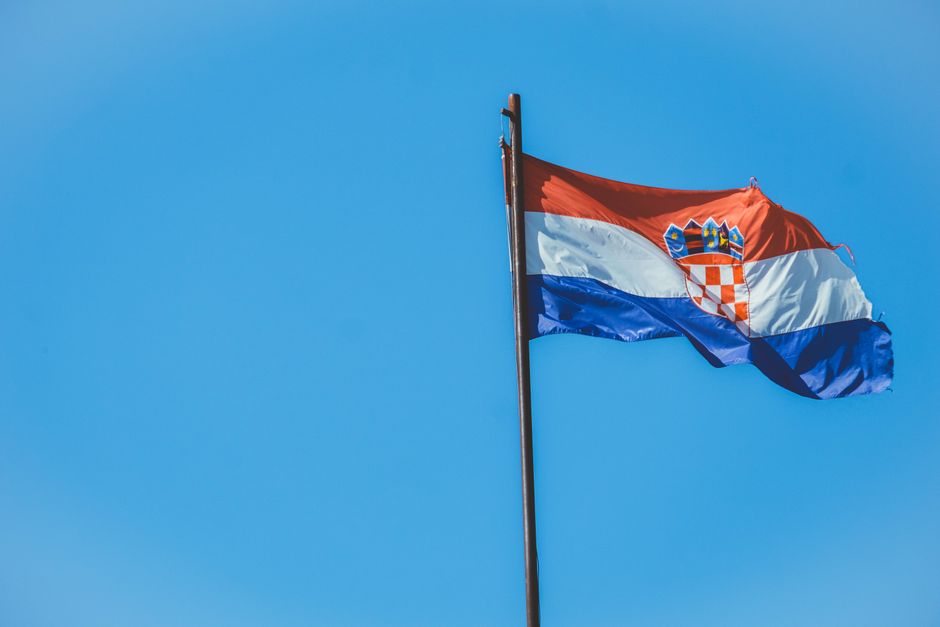
The Balkan region has a rich footballing heritage, with countries like Croatia and Serbia producing some of the world’s finest players. Croatia’s journey to the 2018 World Cup final was marked by several high-scoring matches, including a 2-1 victory over Nigeria and a 2-1 win over Denmark in the knockout stages. While these matches did not reach the extreme scorelines of 1954, they demonstrated the attacking quality of the Croatian team, led by Luka Modrić and Antonio Rukavić. Similarly, Serbia has produced players like Dušan Tadić and Aleksandar Mitrović, who have been instrumental in their team’s attacking play. The region’s passion for football is evident in the way fans celebrate these moments, whether they are historic records or modern triumphs.
The relevance of these high-scoring matches to Balkan audiences lies in the shared love of the sport. Football is more than just a game in the Balkans; it is a cultural phenomenon that brings communities together. The stories of historic goal-fests serve as a reminder of the sport’s ability to inspire and entertain. As the World Cup continues to evolve, with new tactics and technologies shaping the game, the legacy of these high-scoring matches remains a vital part of football’s history. For fans in Greece, Bulgaria, Serbia, Romania, Croatia, Turkey, Montenegro, Bosnia, and North Macedonia, these stories are a source of pride and inspiration, connecting them to the global football community.
What to Watch For Next
As the football world looks ahead to future World Cups, the question remains: will we ever see a match that rivals the 7-5 scoreline of 1954? The increasing professionalism and tactical sophistication of modern football make such a result unlikely. However, the spirit of attacking football lives on, with teams like France, Brazil, and Germany continuing to produce exciting, high-scoring matches. For Balkan fans, the focus will be on how their national teams can replicate the attacking flair of the past while adapting to the modern game. The legacy of high-scoring World Cup matches serves as a benchmark for offensive excellence, inspiring players and fans alike to dream of the next great goal-fest. In a sport defined by its unpredictability, the possibility of a historic scoreline always lingers, keeping fans on the edge of their seats.


Comments