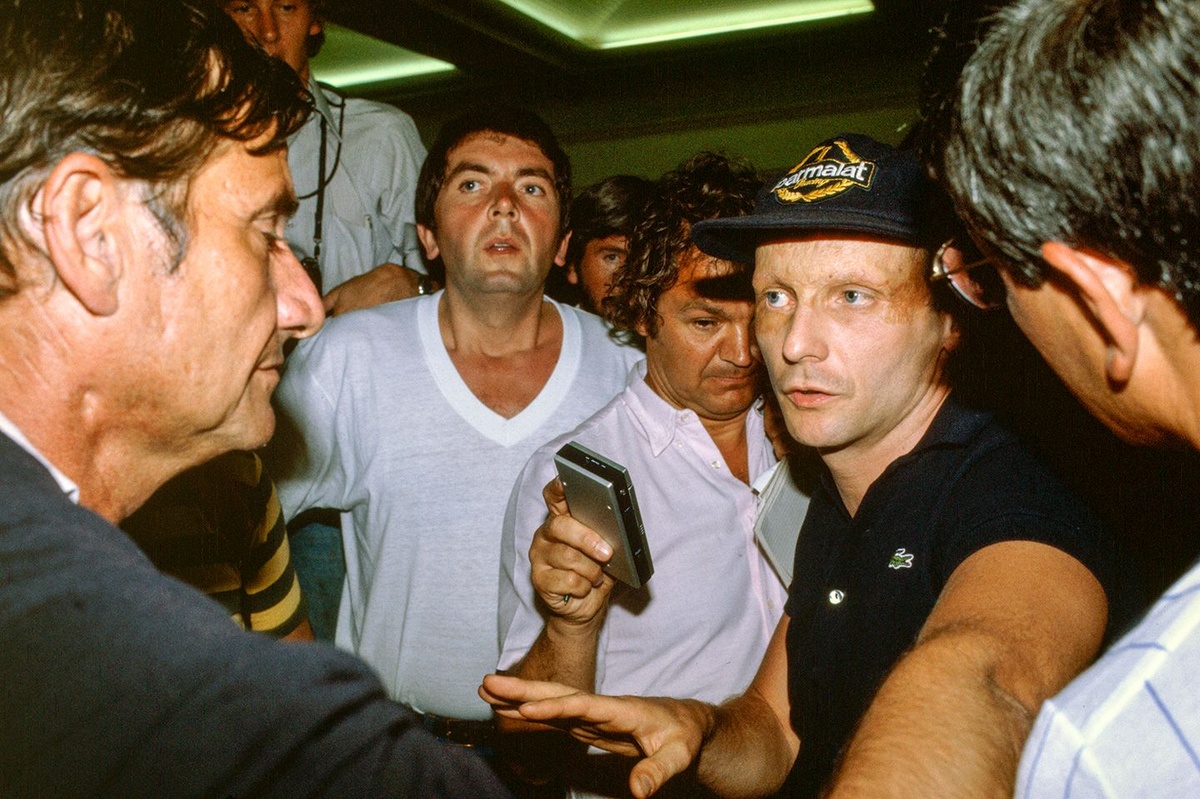
The 1982 South African Grand Prix was marked by a historic event in Formula 1 history: a coordinated driver strike led by Niki Lauda. This bold move came in response to the FIA's introduction of new superlicense terms, which were seen as controversial by many drivers.
The Spark
As tensions between F1 drivers and the FIA rose, President Jean-Marie Balestre introduced new superlicense rules. These regulations were perceived as a power grab by the governing body, prompting a united front among the drivers.
Lauda's Leadership
Austrian racing legend Niki Lauda emerged as the de facto leader of the strike. His experience and reputation within the sport lent credibility and strength to the drivers' collective action.
A Turning Point
This event is remembered as one of the most extraordinary flashpoints in F1 history. It highlighted the importance of driver rights and the need for a balanced relationship between the sport's stakeholders.
Reflecting Back
Autosport Editor-in-Chief Kevin Turner and renowned motorsport writer Maurice Hamilton recently revisited this pivotal moment in an in-depth discussion, offering a fresh perspective on the events that unfolded in 1982.