


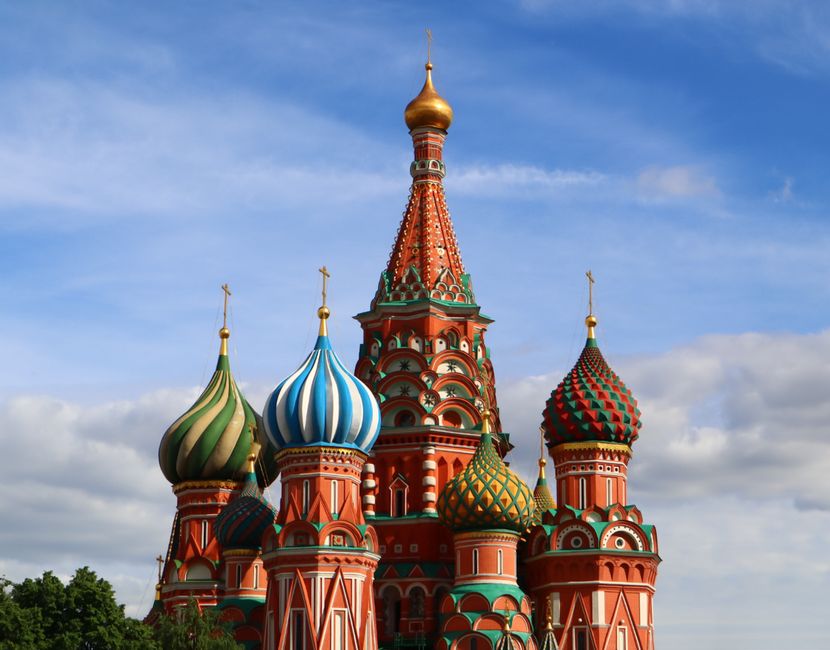
The diplomatic landscape in Europe has witnessed a significant development as ambassadors from Germany, France, and the United Kingdom recently arrived in Moscow for high-level consultations. This visit marks a notable shift in engagement between Western powers and Russia, signaling a potential thaw or at least a stabilization of communication channels amidst ongoing geopolitical tensions. For the Balkan region, which sits at the crossroads of Eastern and Western interests, these developments carry profound implications for regional security, energy stability, and foreign policy alignment. The resumption of direct dialogue suggests that key European nations are seeking to manage risks and explore pathways for de-escalation, even as broader conflicts continue to shape the continent's political reality.
The timing of this diplomatic push is critical. With global attention focused on the war in Ukraine and its ripple effects across Europe, the presence of Western envoys in the Russian capital underscores the complexity of international relations. It raises questions about the future of European security architecture and how Balkan states—many of which are NATO or EU members or aspirants—will navigate the evolving balance of power. The talks are not just about bilateral issues but touch upon regional stability, humanitarian concerns, and the broader strategic interests of Europe. As these discussions unfold, the Balkans remain a focal point where historical ties, economic dependencies, and security alliances intersect.
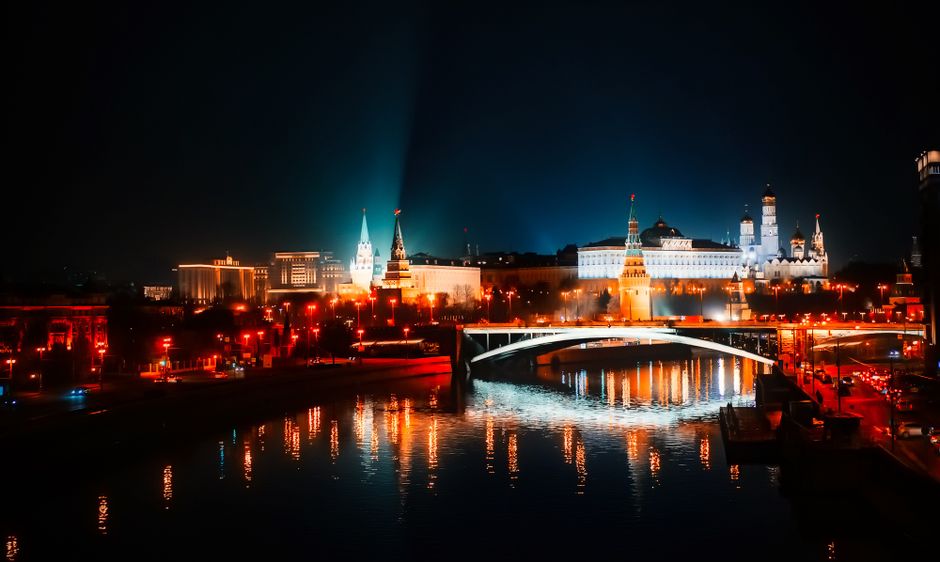
Background and Context of the Diplomatic Engagement
The decision to send ambassadors to Moscow follows a period of strained relations between Western nations and Russia. Since the escalation of tensions in Eastern Europe, diplomatic exchanges have been limited, with many countries recalling their envoys or downgrading their missions. However, the recent visit by the German, French, and British ambassadors indicates a strategic recalibration. These nations recognize that complete isolation may not serve their long-term interests, particularly when it comes to managing crises and preventing further escalation. The talks are part of a broader effort to establish lines of communication that can address urgent issues, including prisoner exchanges, humanitarian aid, and potential frameworks for conflict resolution.
Germany, France, and the United Kingdom have historically played leading roles in European diplomacy, often coordinating their approaches to major international challenges. Their joint presence in Moscow highlights a unified stance, albeit one that seeks engagement rather than confrontation. This approach reflects the complex realities of modern geopolitics, where adversaries must sometimes communicate to avoid catastrophic outcomes. The ambassadors are expected to discuss a range of topics, including the situation in Ukraine, nuclear safety, and the broader security environment in Europe. Their mission is to convey Western positions clearly while also listening to Russian perspectives, even if agreement remains elusive.
The context of these talks is further complicated by the ongoing war in Ukraine, which has reshaped alliances and priorities across the continent. Western nations have provided substantial military and financial support to Kyiv, but they also face pressure to manage the broader implications of the conflict. The involvement of Balkan states, which have their own historical and economic ties to Russia, adds another layer of complexity. Countries like Serbia and North Macedonia, for instance, have struggled to balance their aspirations for Western integration with their pragmatic relationships with Moscow. The diplomatic engagement in Moscow is thus not just a bilateral matter but a regional concern that affects the entire Balkan peninsula.
Significance for Balkan Security and Stability
For the Balkan region, the resumption of high-level talks between Western powers and Russia has direct implications for security and stability. The Balkans have long been a zone of competing influences, with NATO, the EU, and Russia all vying for influence in the region. The recent diplomatic engagement suggests that Western nations are aware of the need to manage these dynamics carefully. A sudden breakdown in communication with Moscow could lead to unintended consequences, including increased military posturing or economic disruptions that would affect Balkan states. By maintaining dialogue, Western powers aim to create a more predictable environment that allows for gradual progress toward regional integration and stability.
The energy sector is another area where these talks have significant relevance. Many Balkan countries rely on Russian energy supplies, particularly natural gas and oil. The war in Ukraine and subsequent sanctions have disrupted traditional supply chains, forcing Balkan nations to seek alternative sources and diversify their energy portfolios. The diplomatic engagement in Moscow may help clarify the future of energy cooperation, including potential agreements on supply continuity and pricing. For countries like Bulgaria, Romania, and Serbia, which have substantial energy dependencies, any progress in these talks could have immediate economic benefits. However, it also raises questions about long-term energy security and the need for sustainable alternatives.
Furthermore, the talks touch upon issues of migration and border security, which are critical for Balkan states. The region has been a transit route for migrants and refugees fleeing conflicts in the Middle East and Africa. The stability of the broader European security architecture, influenced by the Russia-West dialogue, affects how these flows are managed. A more stable diplomatic environment could facilitate better coordination between Balkan countries, the EU, and other international actors in addressing migration challenges. This is particularly important for countries like Greece, Croatia, and Bosnia and Herzegovina, which bear the brunt of migration pressures. The diplomatic engagement in Moscow is thus a key factor in shaping the region's approach to these complex issues.
What to Watch For Next
As the diplomatic engagement between Western powers and Russia continues, several key developments will shape the future of Balkan security and stability. First, observers will closely monitor the outcomes of the talks, particularly any announcements regarding humanitarian issues, prisoner exchanges, or frameworks for conflict resolution. Even incremental progress could have a positive impact on regional perceptions and reduce tensions. Second, the response of Balkan states to these developments will be crucial. Countries like Serbia, Montenegro, and North Macedonia may need to adjust their foreign policies to align with the evolving dynamics, balancing their Western aspirations with pragmatic relationships with Moscow.
The role of NATO and the EU will also be significant in the coming months. These organizations are likely to coordinate their responses to the diplomatic engagement, ensuring that their members are aligned in their approach. For Balkan countries that are members or aspirants, this coordination will influence their integration processes and security guarantees. Additionally, the energy sector will remain a focal point, with Balkan states seeking to secure reliable and affordable supplies amidst ongoing uncertainties. The diplomatic talks in Moscow may provide some clarity, but long-term solutions will require sustained effort and investment in alternative energy sources.
Ultimately, the resumption of high-level talks between Western powers and Russia is a reminder of the interconnectedness of global affairs. For the Balkan region, which has historically been shaped by external influences, these developments offer both challenges and opportunities. By staying informed and engaged, Balkan states can navigate the complexities of the current geopolitical landscape and work toward a more stable and prosperous future. The coming weeks and months will be critical in determining the direction of these diplomatic efforts and their impact on the region.


Comments