


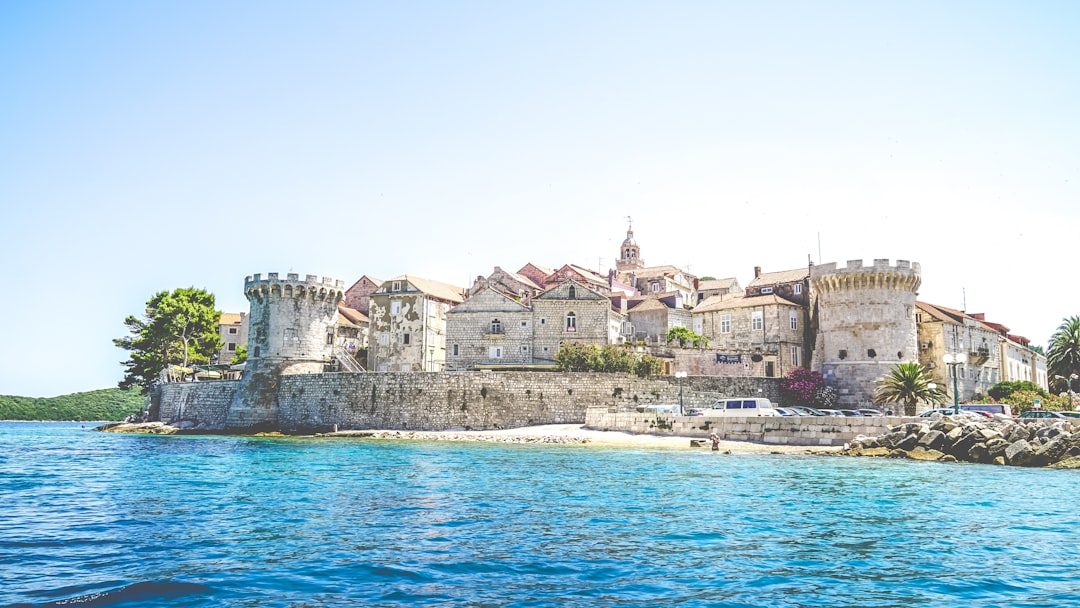
The water off the coast of Vis Island is not just blue; it is a heavy, electric cobalt that feels like it’s pulling you down into another century. I’m sitting on the bow of a small wooden boat, the sun already baking the salt crust off my wetsuit, watching a local diver named Marko check his regulator with the casual arrogance of a man who has seen ghosts underwater more often than he’s seen tourists on land. He doesn’t care about my certification card or my fancy camera gear. He just points a calloused finger toward a jagged shadow on the sea floor, three miles out from Komiža, and says, "That’s where the war didn’t end. It just got wet." There is no gentle transition here. You don’t "explore" these wrecks. You trespass on the final resting places of steel monsters that tore through the Adriatic in 1943, and the ocean demands a toll of respect, skill, and a healthy dose of humility.
This isn’t the sanitized, shallow snorkeling of the tourist brochure. This is hard-core wreck penetration, historical archaeology, and adrenaline-fueled exploration in a region where the sea floor is a graveyard of Axis and Allied vessels. Vis Island, once a closed military zone for decades after the war, kept its secrets safe from the mass tourism that swallowed the rest of the Croatian coast. Now, those secrets are open to divers, but the island retains a rugged, almost defiant attitude. The locals remember the war not as a history lesson, but as family lore. When you dive here, you are not just looking at rust and coral; you are looking at the evidence of a battle that shaped the modern Balkans.
The Ghost Fleet Below
The Adriatic Sea during World War II was a choke point. Control of the sea meant control of the supply lines for the Axis powers in Italy and the resistance movements in Yugoslavia. Vis Island sat right in the middle of this chessboard. After the Italian armistice in September 1943, the island became a strategic hub for the Allies, but before that, it was a contested zone. The sea floor around Vis is littered with the remains of destroyers, submarines, freighters, and even a battleship that was scuttled rather than surrendered. These wrecks are not just metal; they are time capsules. You can still find crates of ammunition, intact engines, and personal belongings of the sailors who went down with their ships.
One of the most famous wrecks is the Sava, a Yugoslav destroyer that was sunk by Italian aircraft in 1943. But the real draw for advanced divers is the Zara, a heavy cruiser that was scuttled in the port of Kotor in 1943, though many smaller vessels and minesweepers lie off Vis. The most iconic wreck near Vis is actually the Maestrale, an Italian destroyer that was sunk during a raid on the island. The Maestrale lies upright at a depth of about 30 meters, its superstructure intact, offering a haunting glimpse into the engineering of the era. The silence inside the wreck is absolute, broken only by the sound of your own breathing and the occasional bubble escaping from a crack in the hull.
Diving the Wrecks: What to Expect
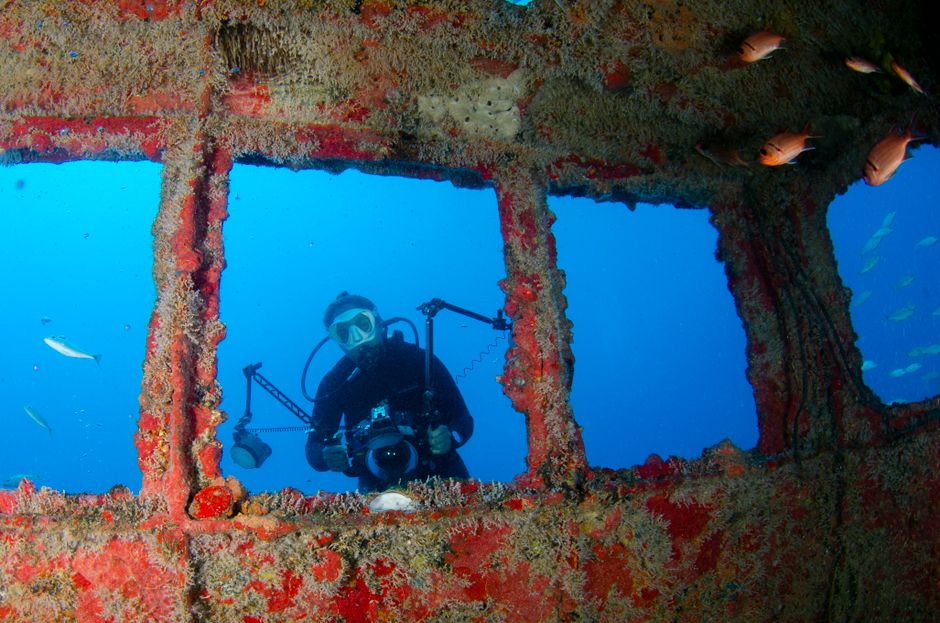
Diving these wrecks is not for the faint of heart. The conditions can be tricky, with strong currents and limited visibility depending on the weather. The wrecks are often deep, requiring technical diving skills and experience. You need to be comfortable with navigation, buoyancy control, and confined spaces. Many of the wrecks have penetrations, which can be dangerous if you are not properly trained. The marine life is also a factor. While the wrecks are not teeming with tropical fish, they are home to a variety of Adriatic species, including groupers, sea bream, and octopus. The coral growth on the wrecks is stunning, with vibrant red and yellow corals covering the rusted metal.
One of the most challenging dives is the Komiža wreck site, where several smaller vessels lie scattered across the sea floor. The currents here can be strong, and the wreck field is complex, requiring careful planning and execution. Another popular dive is the St. Anthony's Cave, a sea cave that offers a unique diving experience, though it is not a wreck. The cave is located on the northern tip of Vis Island and is accessible by boat. The water inside is cold and dark, but the stalactites and stalagmites are beautiful.
On the Surface: Vis Island Life
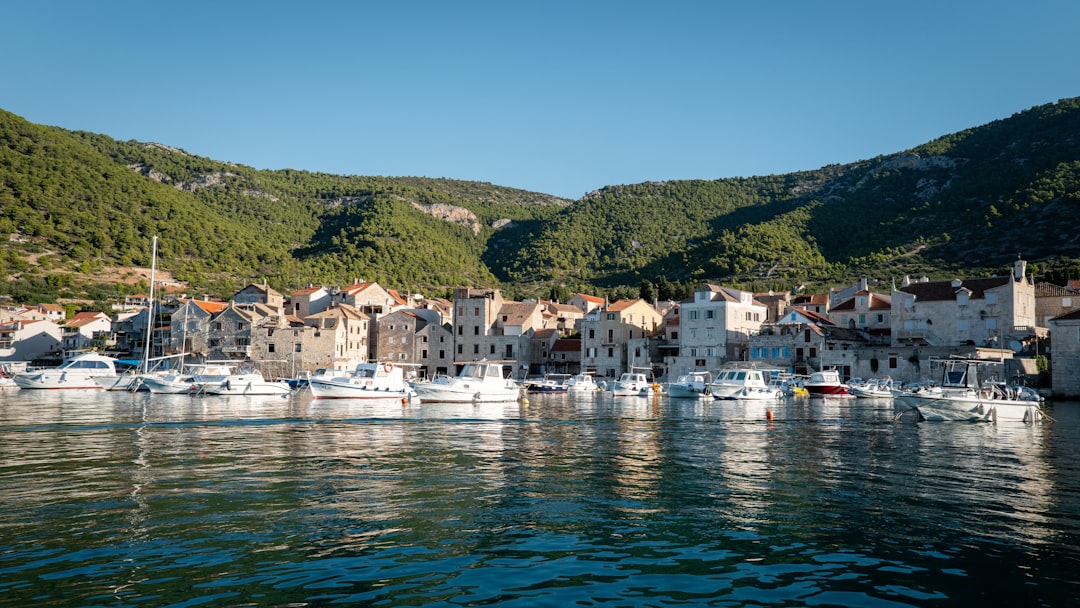
When you surface from a dive on Vis Island, you don’t just go back to your hotel. You go back to a town that feels like it’s stuck in time. The island is small, with a population of just a few thousand people, and it retains a strong sense of community. The streets are narrow and winding, lined with old stone houses and colorful shutters. The air smells of salt and olive oil, and the sound of the sea is constant. The island is also known for its wine, particularly the Plavac Mali grape, which produces a bold, red wine that is perfect with the local seafood.
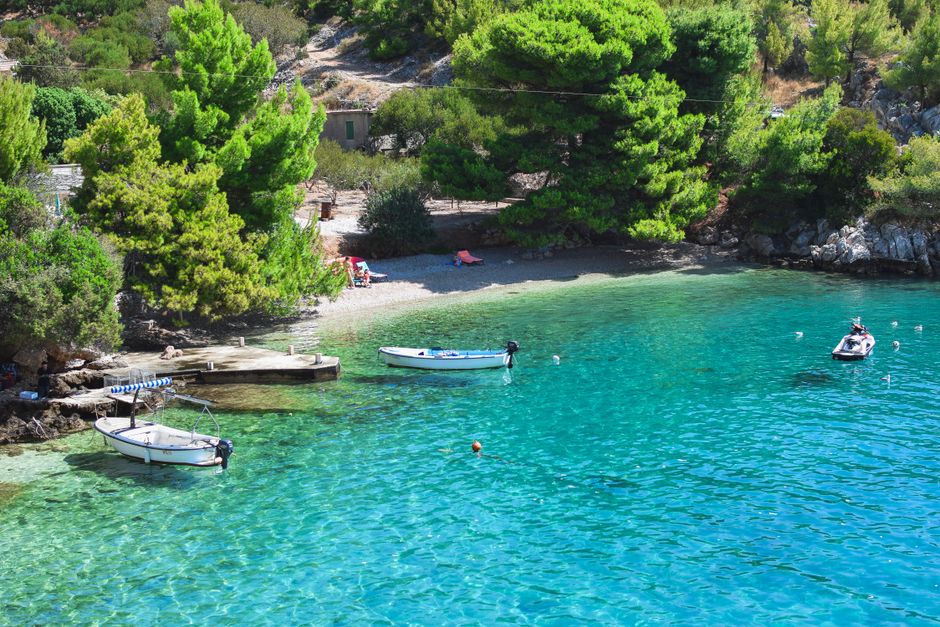
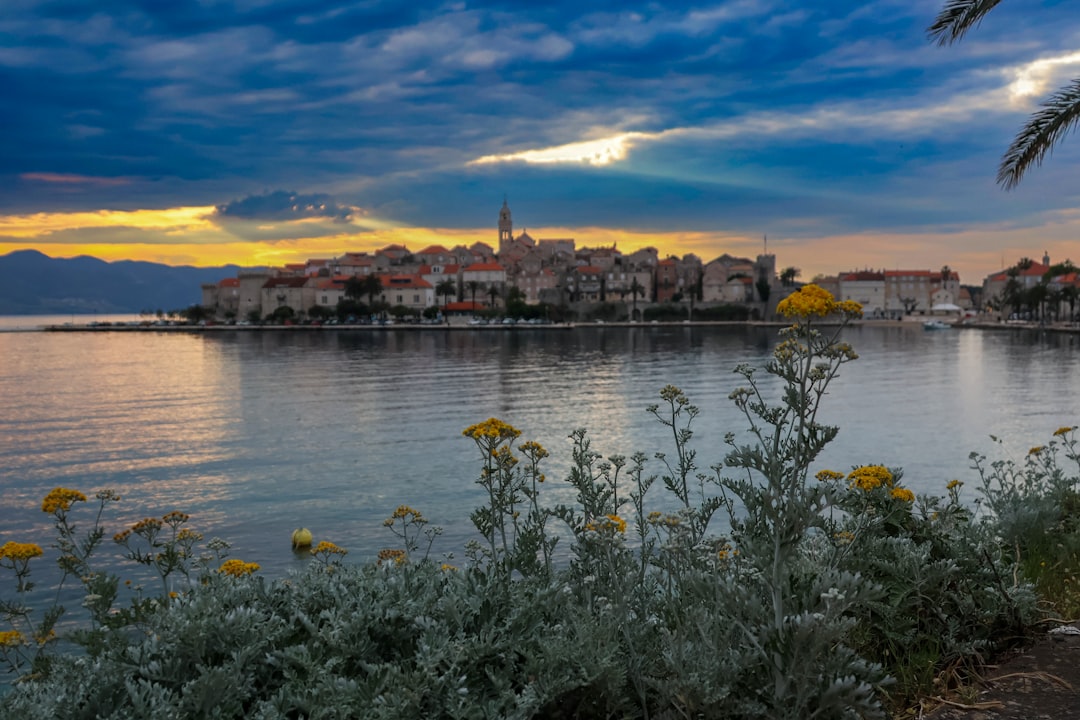
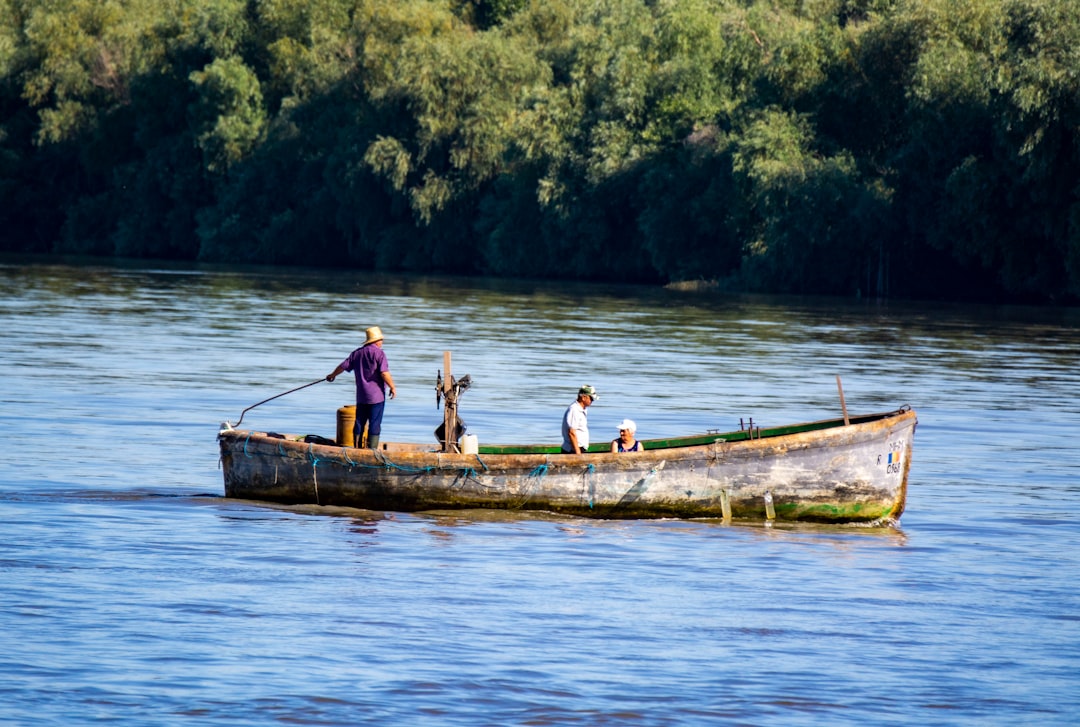
The town of Vis Town is the main hub for tourists, with a variety of restaurants, bars, and shops. But the real charm of Vis Island is found in the smaller villages, like Komiža and Mulini. Komiža is a fishing village with a strong maritime tradition, and the harbor is filled with wooden fishing boats. Mulini is a small village with a windmill and a church, and it offers some of the best views on the island. The island is also home to several beaches, including Stiniva Beach, which is one of the most beautiful beaches in Croatia.
Getting There & What to Expect
Getting to Vis Island is part of the adventure. There is no bridge to the island, so you have to take a ferry from the mainland. The main ferry ports are Split and Dubrovnik, with daily connections to Vis Town. The ferry ride from Split takes about 2.5 hours, and the journey is scenic, with views of the Adriatic and the surrounding islands. You can also take a ferry from Hvar or Brač, but these connections are less frequent.
Once on the island, you can rent a car, a scooter, or a bicycle to get around. The island is small, so you can easily explore it in a day. There are also several tour operators on the island that offer diving trips, boat tours, and guided hikes. The diving season on Vis Island runs from May to October, with the best visibility and water temperatures in July and August. The water temperature can reach 25°C in the summer, but it can drop to 15°C in the spring and fall. The accommodation on the island is varied, with options ranging from budget hostels to luxury villas. A typical mid-range hotel room costs around 80-120 EUR per night, while a budget hostel room can be found for 30-50 EUR per night. A meal at a local restaurant costs around 15-25 EUR per person, while a bottle of local wine costs around 10-15 EUR.
Search accommodation in Vis Island on Booking.com →
The Last Dive
As the sun sets over the Adriatic, the water turns a deep, dark blue, and the wrecks disappear into the shadows. I’m sitting on the deck of the boat, watching the last light fade, and I feel a strange sense of peace. The war is over, the ships are gone, but the memory of them remains. Vis Island is a place of history and beauty, of conflict and peace. It’s a place where the past and present collide, and where the sea tells its own story. If you’re looking for a dive that will challenge you, inspire you, and change you, Vis Island is the place to go. Just make sure you respect the ghosts.
Comments