


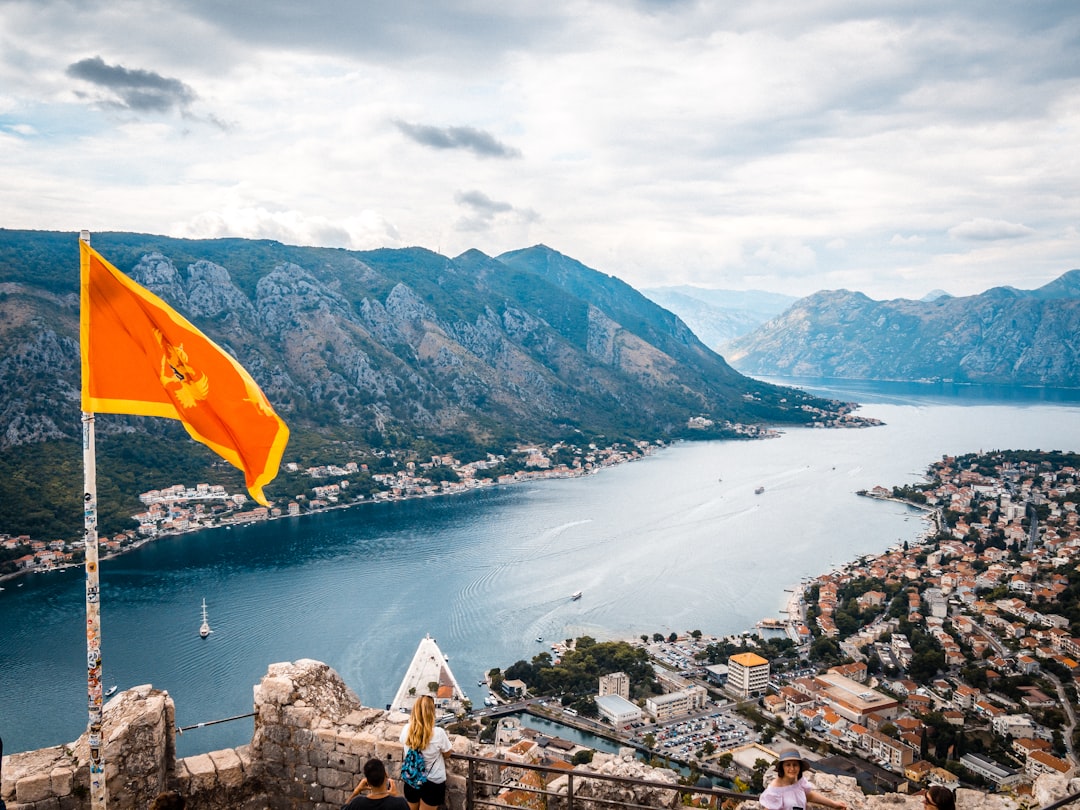
The salt spray stings your eyes, but the real shock is the silence. I stood at the edge of Praskalo Waterfall, watching a two-ton block of limestone the size of a minivan get swallowed by the sea below. No guidebook mentions the sound it makes — a wet, thunderous crack that vibrates through the soles of your hiking boots. This isn't the polished, cafe-lined waterfront of Budva. This is the Wild Coast, a jagged, untamed stretch of Montenegro where the Dinaric Alps collapse directly into the Adriatic, and the only thing between you and the abyss is a narrow goat path carved by shepherds centuries ago.
I came here to escape the Instagram crowds of Kotor Bay, dragging my pack up the Via Dinarica trail system. What I found was a landscape that feels aggressively alive. The air smells of wild thyme and brine. The locals don't smile for photos; they nod, pour you raki, and warn you about the cliff edges. This is hiking for the stubborn, the curious, and those who prefer their views uncurated. If you're looking for paved paths and souvenir shops, turn back. If you want to feel the raw pulse of the Balkans, lace up your boots. The Wild Coast doesn't care if you're ready.
History & Identity
The Wild Coast (Diva Riva) isn't just a scenic backdrop; it's a fortress of isolation. For centuries, this rugged terrain served as a natural barrier, protecting the highland tribes of Montenegro from Ottoman expansion. The sheer cliffs made large-scale invasions nearly impossible, allowing local clans to maintain fierce independence. This history of resistance is etched into the landscape itself — in the scattered towers of stone that dot the hillsides, built for defense and observation, and in the narrow, winding paths that were designed to confuse pursuers.
The identity of this region is defined by its duality. On one side, the deep blue of the Adriatic offers trade and connection; on the other, the imposing Orjen Mountain range demands respect and survival. The people here are descendants of those who lived in this tension, hardy and self-reliant. Today, the area is part of the broader Via Dinarica trail network, a massive long-distance hiking project connecting the Dinaric Alps from Slovenia to Albania. The Wild Coast section is one of the most challenging and least developed parts, preserving its raw character while slowly opening to a new kind of traveler — those seeking authenticity over comfort.
Where to Go
Praskalo Waterfall — The crown jewel of the Wild Coast. A massive cliff face collapses into the sea, creating a dramatic, ever-changing landscape. The path to the viewpoint is steep and rocky, but the view is unmatched. Best visited in the morning to avoid midday heat. No entry fee, but the trail is rough. Wear sturdy boots.
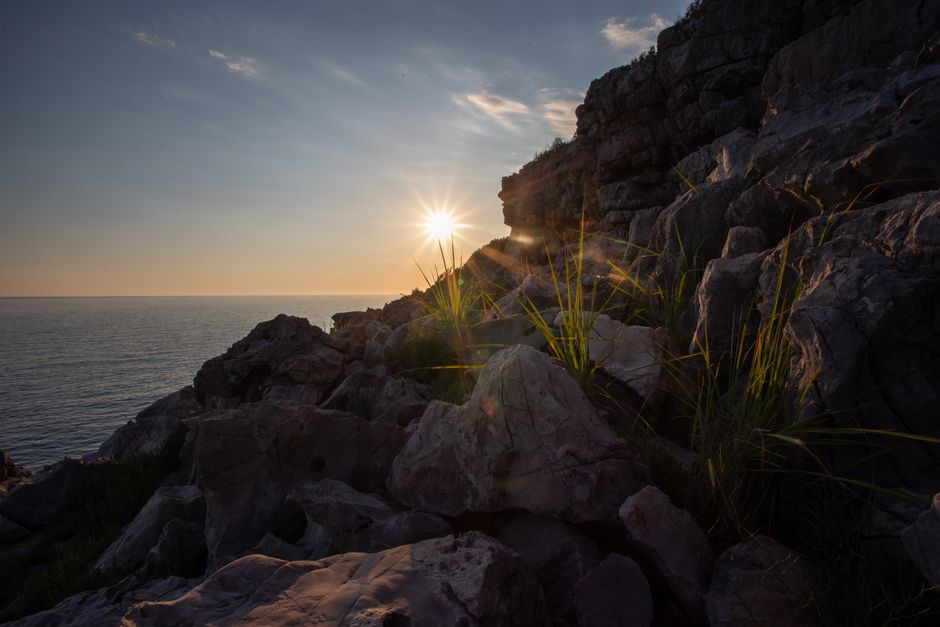
Ada Bojana — A stunning sandbar formed by the Bojana River, separating the Adriatic from a tranquil lagoon. It's a peaceful contrast to the rugged cliffs nearby. You can walk across the sandbar, swim in both sides, or relax at local taverns. A perfect spot to recover from a hard hike. Entry is free, but parking and food cost money.
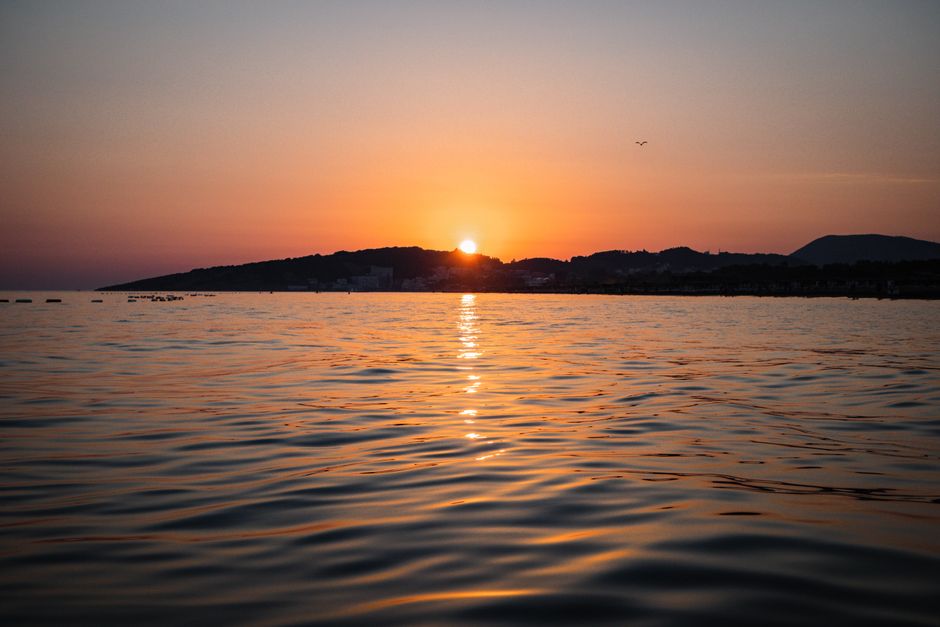
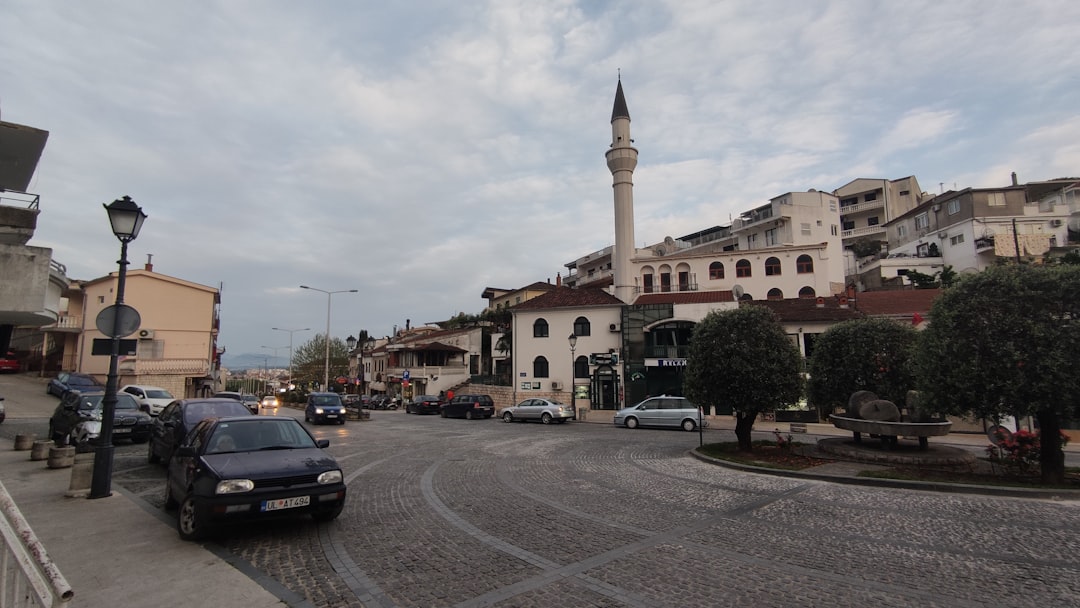
Ulcinj Old Town — A well-preserved Ottoman-era fortress town with narrow cobblestone streets, ancient mosques, and a vibrant atmosphere. The Ulcinj Fortress offers panoramic views of the old town and the sea. It's a cultural hub where history meets modern Balkan life. Entry to the fortress is a small fee, and the old town is free to explore.
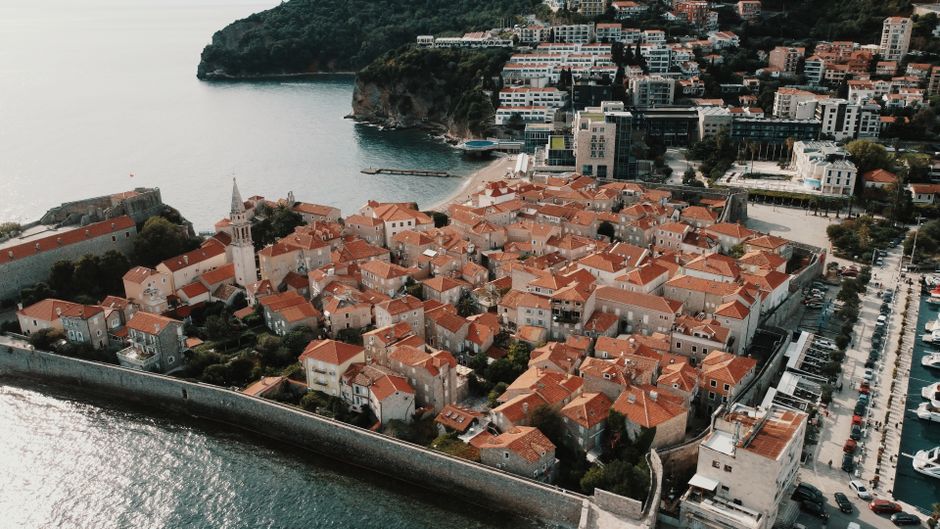
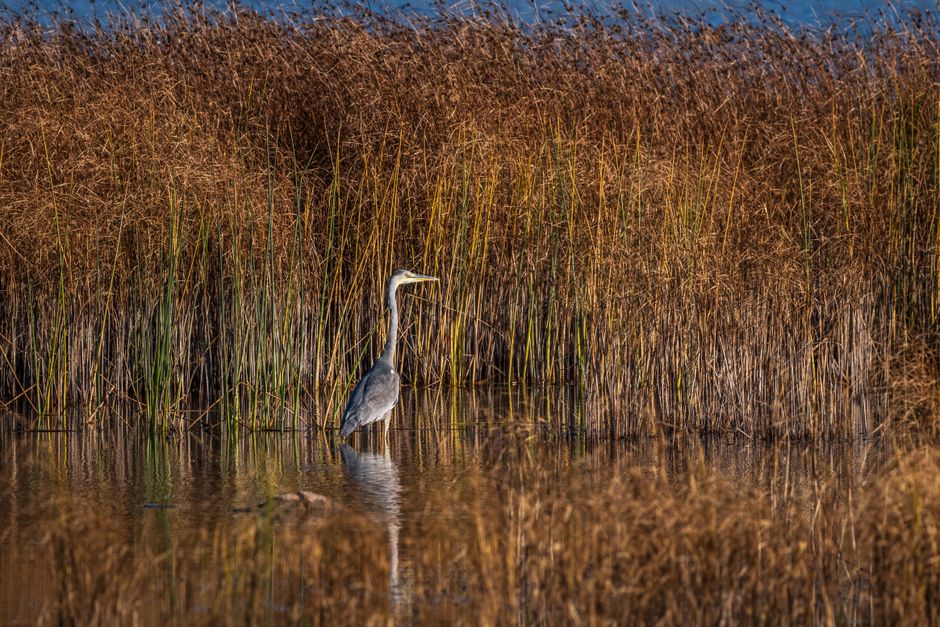
Skadar Lake National Park — While not on the coast, this massive lake is a crucial part of the Wild Coast experience. It's the largest lake in the Balkans, a haven for birdwatchers and kayakers. The Krushevo Monastery on an island in the lake is a spiritual and historical highlight. The park offers a different kind of wilderness — wetland, forests, and mountains meeting water.
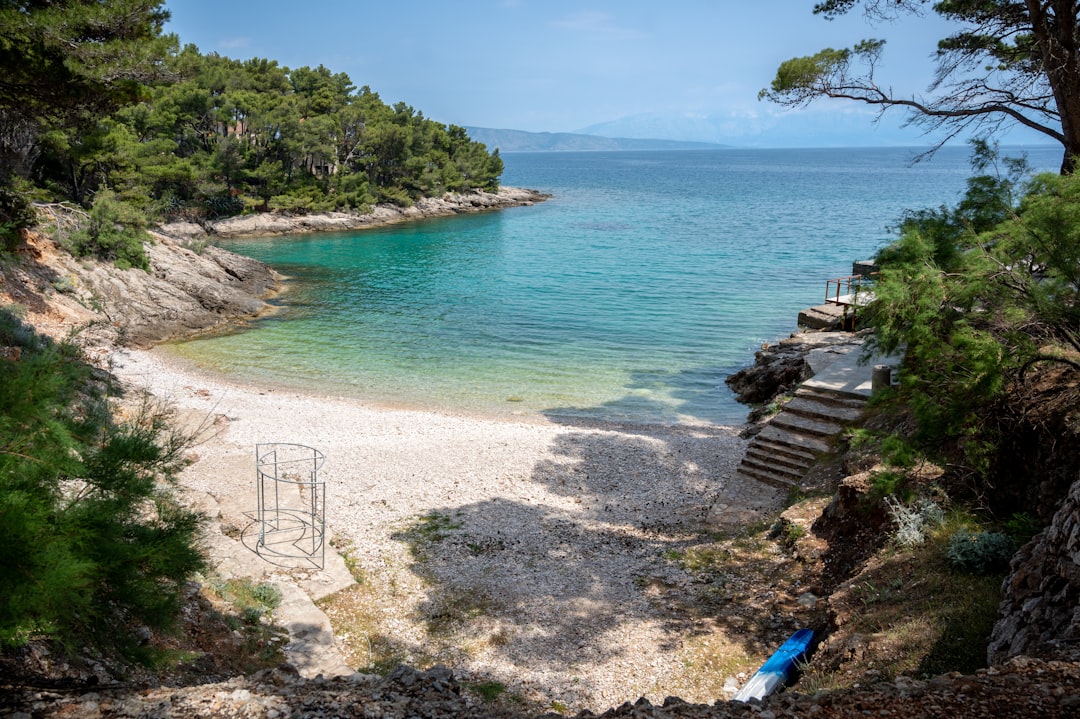
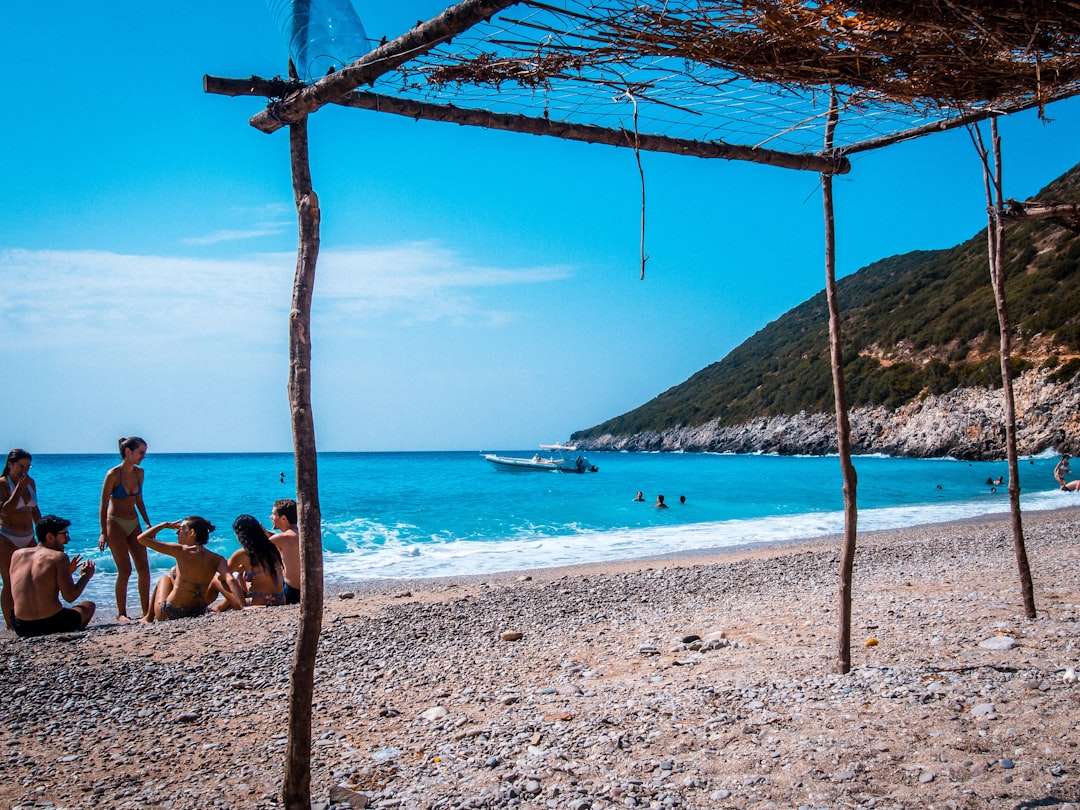
Orahovac Beach — A secluded, pristine beach hidden in a small cove. It's small, rocky, and untouched by mass tourism. The water is crystal clear, and the surrounding cliffs provide shade and drama. Access is via a short, steep hike from a nearby parking area. No facilities, so bring everything you need.
What to Eat & Drink
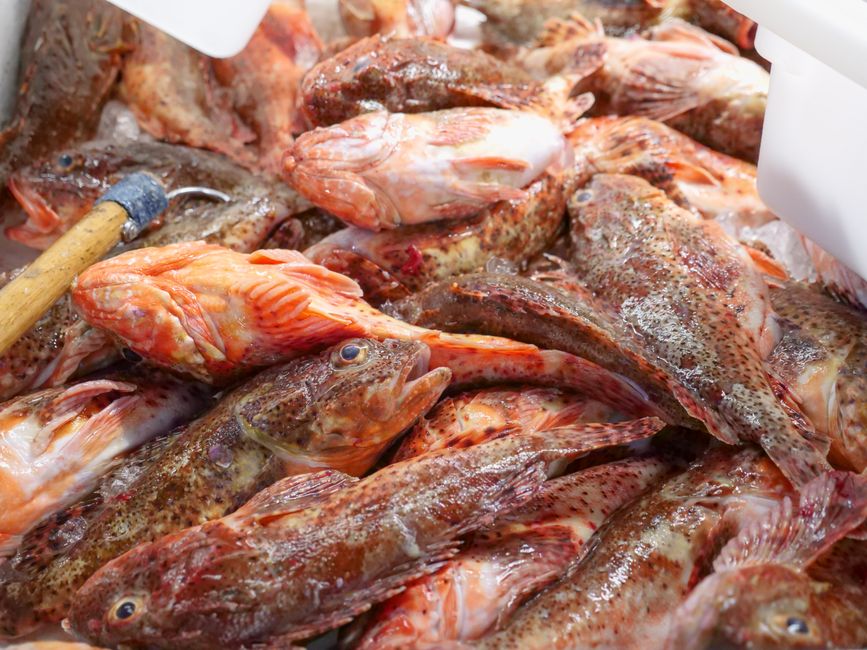
Food on the Wild Coast is simple, fresh, and deeply rooted in tradition. Seafood is king, but the inland influences show in the hearty stews and grilled meats. Prices are reasonable, especially compared to the more touristy parts of Montenegro. Expect to pay 5-10 EUR for a main course in a local tavern, and 2-4 EUR for a glass of local wine or raki. Street food is limited, but you'll find prosciutto (cured ham) and cheese at small shops, and fresh seafood grilled on the beach in summer. Budget travelers can manage on 15-25 EUR per day for meals if they stick to local spots and avoid tourist traps.
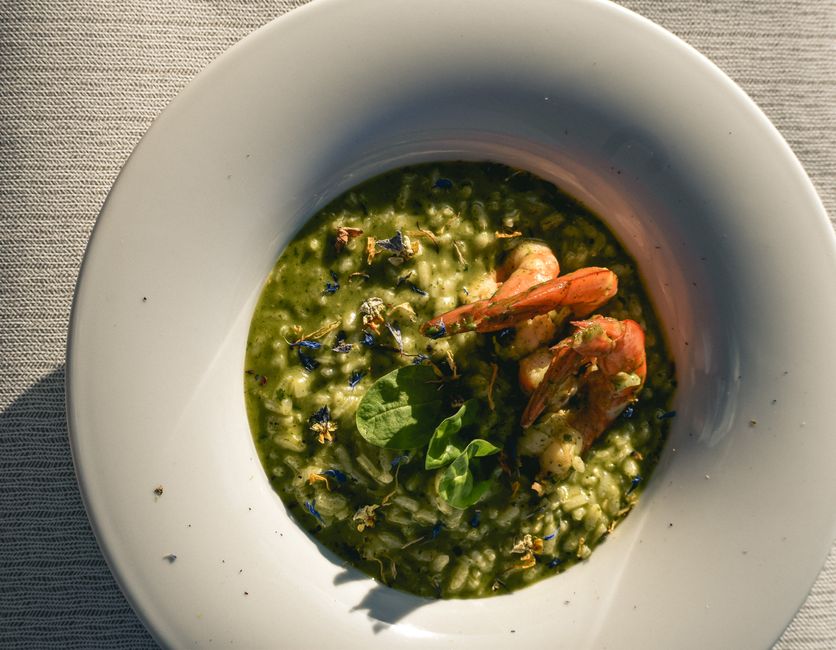
Must-try dishes include crni rižot (black risotto made with squid ink), cevapi (grilled minced meat sausages), and roštilj (mixed grill with seafood and meat). For a local experience, visit the Ulcinj Market early in the morning for fresh produce, cheese, and cured meats. The Ada Bojana area has several family-run taverns offering fresh fish caught that morning. Don't miss the Bojana River fish, which are considered some of the best in the region. Drink local Montenegrin wine or raki, a strong fruit brandy that's a staple of Balkan hospitality.
Nightlife
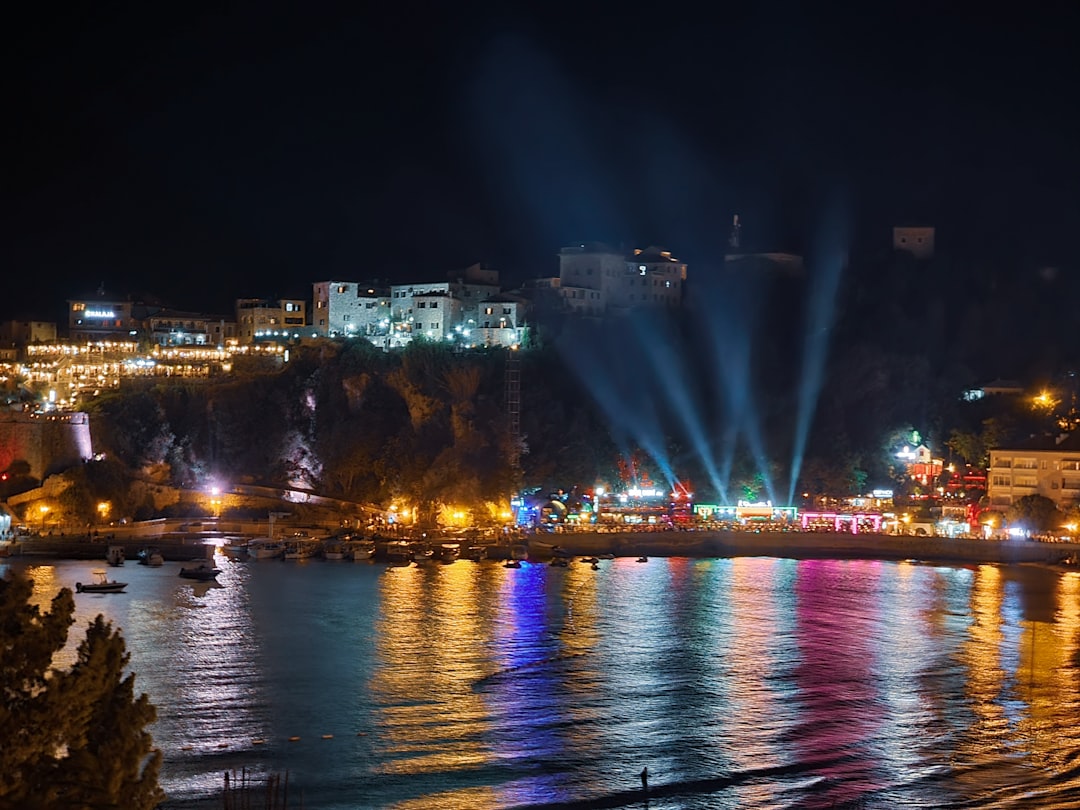
Forget the neon-lit clubs of Budva. Nightlife on the Wild Coast is intimate, authentic, and centered around local taverns and beach bars. In Ulcinj Old Town, the narrow streets come alive at night with live music, dancing, and the clinking of glasses. The Sahat Kula (Clock Tower) area is a hub for young locals and travelers seeking a relaxed atmosphere. In Ada Bojana, beach bars offer live folk music and grilled seafood under the stars. The vibe is laid-back, but the energy is genuine. Cover charges are rare, and drinks are cheap — expect to pay 2-5 EUR for a beer or cocktail. The best nights are spent with locals, sharing stories and raki, not chasing party crowds.
Routes & Trail Info
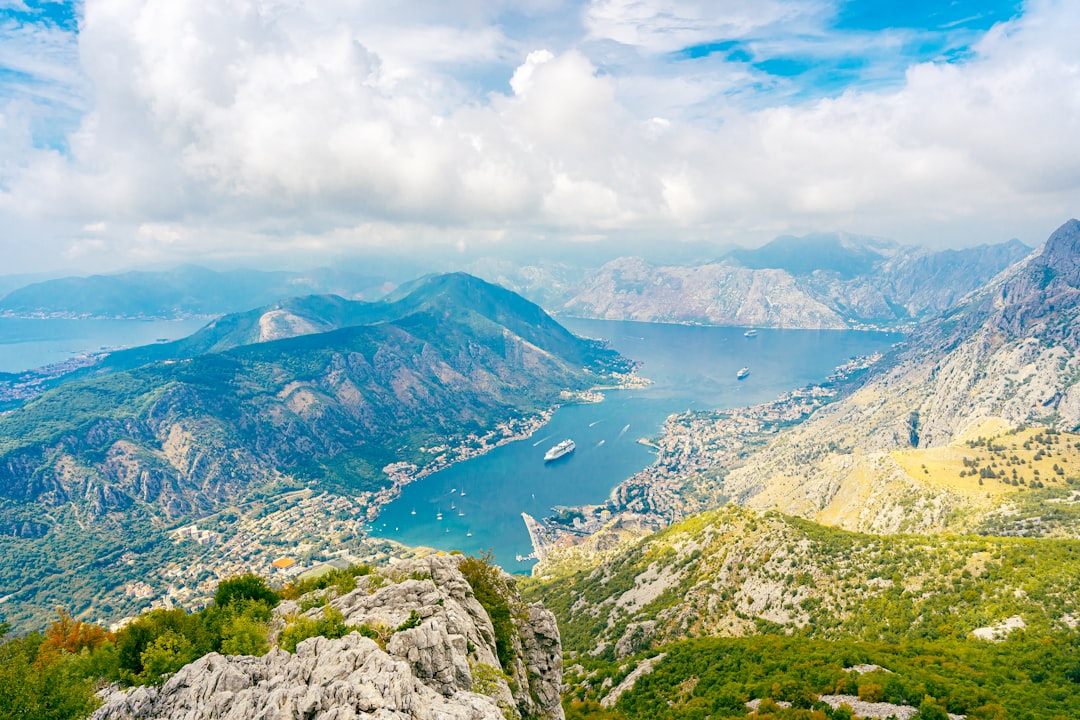
The Via Dinarica Wild Coast section is not for the faint of heart. It's a rugged, unmarked trail that follows the coastline from Herceg Novi to Ulcinj, passing through some of Montenegro's most dramatic landscapes. The trail is not well-signposted, so a detailed map, GPS, or local guide is essential. The total distance is approximately 150 km, but most hikers tackle sections over several days. The terrain is steep, rocky, and exposed, with little shade or water sources. Be prepared for sudden weather changes and rough footing.
Key routes include the Praskalo Trail, a short but steep hike to the waterfall viewpoint, and the Ada Bojana Path, a gentler walk along the river and sandbar. For a more challenging experience, the Orjen Mountain trails offer panoramic views of the coast and the surrounding peaks. The Kruševo Trail leads to the monastery on Skadar Lake, combining hiking with cultural exploration. All routes require good physical fitness, sturdy boots, and plenty of water. The best time to hike is spring (April-May) or autumn (September-October), when the weather is mild and the crowds are thin.
Getting There & What to Expect
The nearest major city is Ulcinj, accessible by bus from Podgorica (the capital) or Tivat (near the airport). Buses run several times a day, taking about 2-3 hours from Podgorica. The cost is around 5-10 EUR. From Ulcinj, you can take a local bus or taxi to trailheads like Ada Bojana or Orahovac. Renting a car is recommended for flexibility, as public transport is limited in remote areas. Accommodation ranges from budget guesthouses () to mid-range hotels (). Camping is possible but check local regulations. Expect rugged conditions, limited services, and a slow pace. The Wild Coast is not for the impatient.
Search accommodation in Ulcinj on Booking.com →
The Last Mile
As the sun dips below the Adriatic, painting the sky in bruises of purple and orange, I sit on a rock overlooking Praskalo. My legs ache, my boots are caked in salt and dust, and my raki bottle is empty. But I feel something I haven't felt in years: alive. This place doesn't offer comfort. It offers truth. The cliffs don't care about your itinerary. The sea doesn't wait for your perfect photo. And the people here don't perform for tourists — they live, fiercely and fully, in the shadow of mountains that have watched empires rise and fall. The Via Dinarica isn't just a trail. It's a test. And if you pass, you don't get a medal. You get the silence, the salt, and the memory of a landscape that refuses to be tamed. That's enough. That's everything.
Comments