



The United States has imposed a new wave of sanctions on Iran, marking a significant escalation in geopolitical tensions that reverberates far beyond the Middle East. This development, involving targeted restrictions on Iranian financial institutions and energy sectors, has immediate implications for global trade and energy markets. For the Balkan region, which maintains complex economic and diplomatic ties with both Western powers and Eastern partners, the situation presents a delicate balancing act. The sanctions underscore the broader geopolitical realignments affecting regional stability and economic prosperity in Southeast Europe.
As Washington tightens the noose on Tehran, Balkan nations face pressure to align with EU and US foreign policy frameworks while managing their own economic interests. The potential for supply chain disruptions, particularly in energy and logistics, poses a challenge for countries like Serbia, Bulgaria, and Romania. These nations are increasingly sensitive to external shocks that could impact inflation, energy security, and trade routes. The sanctions thus serve as a reminder of the interconnected nature of global politics and its tangible effects on regional economies.
Background and Context of the Sanctions
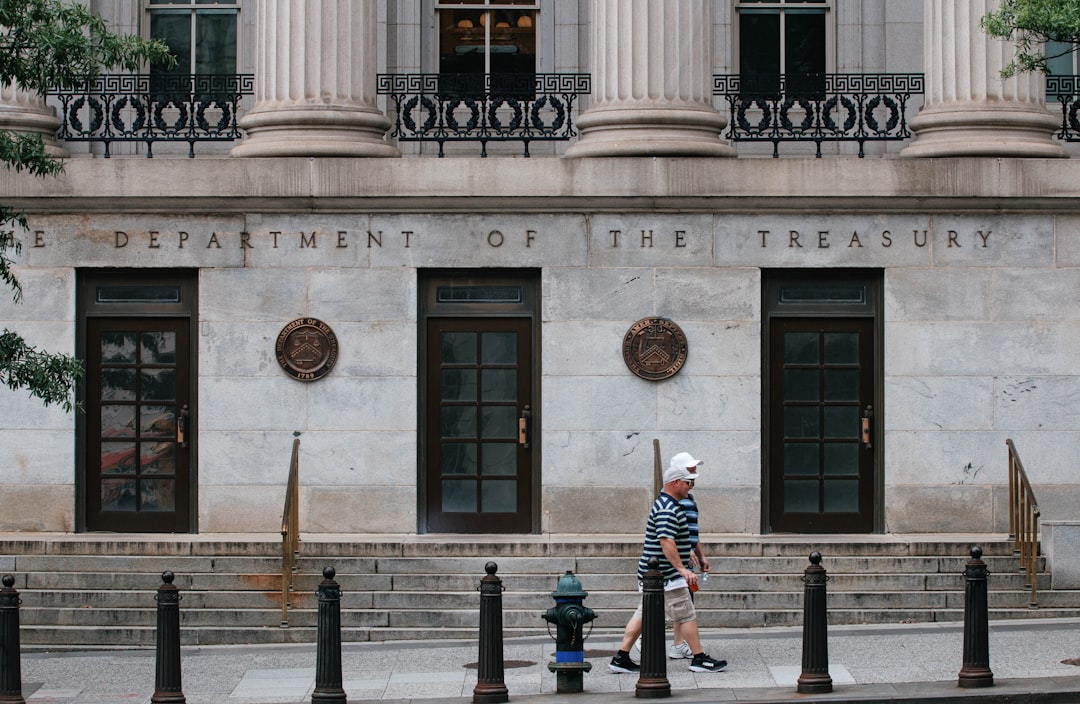
The recent sanctions are part of a broader US strategy to curb Iran’s nuclear ambitions and its influence in the Middle East. The measures target key sectors, including banking, shipping, and oil exports, aiming to isolate Iran economically. This approach follows years of intermittent diplomatic efforts and military posturing, with the US seeking to leverage economic pressure to achieve strategic objectives. The sanctions are designed to disrupt Iran’s ability to fund regional proxies and develop advanced military capabilities.
Historically, sanctions on Iran have had mixed results. While they have strained Iran’s economy, they have also led to retaliatory measures and increased regional instability. The current round of sanctions reflects a shift towards more targeted and precise measures, aiming to minimize collateral damage while maximizing pressure on specific entities. This strategy is intended to avoid the broader economic disruptions seen in previous cycles of sanctions, which affected global oil prices and trade flows.
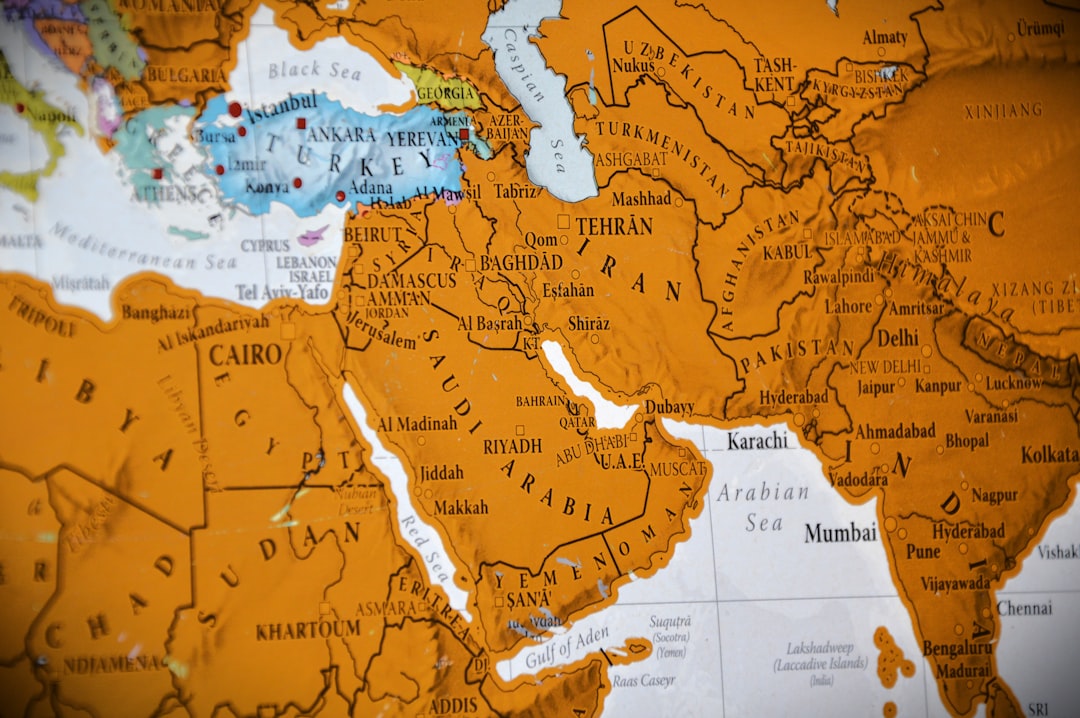
The geopolitical landscape in the Middle East is further complicated by the involvement of other regional powers, such as Saudi Arabia, the United Arab Emirates, and Israel. These countries have their own interests in the region, often aligning with or opposing US policies based on their strategic calculations. The sanctions, therefore, are not just a bilateral issue between the US and Iran but a multifaceted geopolitical challenge with wide-ranging implications.
Impact on Global Markets and Energy Security
The immediate impact of the sanctions is felt in global energy markets, particularly in oil and gas. Iran is a significant producer of oil, and restrictions on its exports can lead to supply shortages and price volatility. This has direct consequences for countries that rely on Middle Eastern energy imports, including those in the Balkans. Greece, for instance, has been diversifying its energy sources, but any disruption in regional supply chains can still affect its energy security and economic stability.
Furthermore, the sanctions can lead to increased insurance and shipping costs, as companies seek to avoid dealing with sanctioned entities. This can have a ripple effect on trade routes that pass through the Balkans, such as the Port of Piraeus in Greece, which is a key logistical hub for goods moving between Asia and Europe. Disruptions in these routes can impact the efficiency and cost of trade, affecting businesses and consumers across the region.
The financial sector is also affected, with banks and financial institutions needing to ensure compliance with the new sanctions. This can lead to stricter due diligence processes and potential delays in transactions. For Balkan banks, which are increasingly integrated into the global financial system, this means navigating a complex regulatory landscape to avoid penalties and maintain their international partnerships.
The Balkan Angle: Diplomacy and Economic Resilience
Balkan nations are closely monitoring the situation, balancing their diplomatic commitments with economic realities. Countries like Croatia and Bosnia and Herzegovina, which are EU members or candidates, are expected to align with EU sanctions policies. However, nations like Serbia and North Macedonia, which have more diverse international partnerships, may face greater pressure to navigate the geopolitical landscape carefully.
The economic resilience of Balkan countries will be tested by the potential for inflation and supply chain disruptions. Governments are likely to implement measures to mitigate these impacts, such as diversifying trade partners and strengthening local production. The region’s strategic location, as a bridge between Europe and Asia, offers opportunities for leveraging its position, but also exposes it to external shocks.
Diplomatically, Balkan nations are engaging in dialogue with both Western and Eastern partners to ensure their interests are protected. This includes participating in regional initiatives aimed at enhancing energy security and economic cooperation. The sanctions on Iran, therefore, are not just a distant geopolitical issue but a immediate concern that requires proactive management by Balkan policymakers.
Looking ahead, the situation remains fluid, with potential for further escalation or diplomatic breakthroughs. The Balkan region must remain vigilant, adapting its strategies to navigate the changing geopolitical landscape. The impact of these sanctions will be felt in markets, trade routes, and diplomatic relations, making it a critical issue for the region’s stability and prosperity.



Comments