


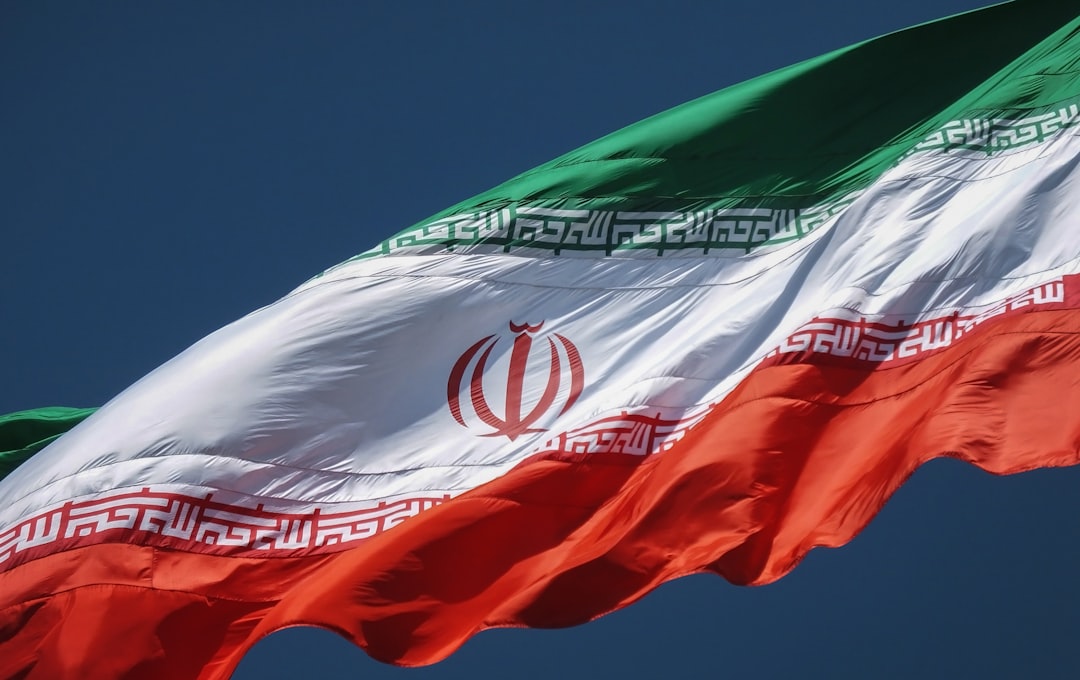
Geopolitical fault lines are shifting once again as tensions between the United States and Iran reach a critical juncture, sparking immediate concern across the Balkans. Recent reports indicate a significant deterioration in diplomatic relations, with Washington intensifying sanctions and Tehran responding with rhetoric that threatens regional stability. For the Balkan nations—long caught in the crosshairs of great power competition—the escalation is not merely a distant headline but a direct economic and security threat. The region, already navigating complex energy dependencies and security architectures, now faces the prospect of heightened volatility in the Strait of Hormuz and potential disruptions to global supply chains.
The core of the current crisis revolves around Iran's nuclear program and its proxy networks across the Middle East. The US government, under renewed pressure from domestic and international allies, has signaled a zero-tolerance policy for Tehran's nuclear advancements. This stance has triggered a cascade of retaliatory measures from Iran, including the threat to disrupt oil shipments. For Balkan economies, which rely heavily on energy imports and European market stability, such disruptions pose an immediate risk. The ripple effects are already being felt in local markets, where fuel prices are showing early signs of volatility, prompting governments in Serbia, Bulgaria, and Greece to reassess their energy security strategies.

The Energy Nexus and Balkan Vulnerability
The Balkans are intricately linked to the broader European energy grid, making them highly susceptible to shocks in the Middle East. Bulgaria, for instance, has historically maintained complex energy ties with both Russia and the Middle East, serving as a transit corridor for oil and gas. Any disruption in Iranian oil exports could lead to a sudden spike in global crude prices, directly impacting inflation rates in the region. Analysts warn that a sustained conflict could push energy costs to levels not seen since the early 2020s, straining household budgets and industrial production across the Balkans. The European Union has urged member states and candidate countries to diversify their energy sources, but the transition remains slow and fraught with logistical challenges.
Furthermore, the security implications extend beyond economics. The Balkans have seen a steady increase in migration flows from the Middle East, driven by instability in countries like Syria and Iraq. A new escalation involving Iran could exacerbate this trend, putting additional pressure on border management systems in Greece and North Macedonia. The European Border and Coast Guard Agency (Frontex) has already reported increased activity along the eastern Mediterranean routes. For Balkan nations, which are often the first line of defense for irregular migration into the EU, the political and social costs of a potential influx are significant. Local communities are already grappling with integration challenges, and a sudden surge could strain social services and fuel political polarization.
Security Architecture and NATO's Balkan Flank
The security architecture of the Balkans is further complicated by the presence of NATO and the ongoing integration of Balkan states into the alliance. Turkey, a key NATO member with significant influence in the region, maintains a delicate balance in its relations with both the US and Iran. Ankara's role as a mediator could become increasingly vital as tensions rise, but its domestic political dynamics may limit its ability to act as a neutral broker. Meanwhile, Greece and Albania, both NATO members, are likely to align closely with US security policies, potentially drawing them into the broader geopolitical conflict. This alignment could strain relations with non-aligned or Russia-leaning neighbors, such as Serbia and Montenegro, which seek to maintain strategic autonomy.
The potential for proxy conflicts to spill over into the Balkans is a growing concern for regional security experts. Iran has historically supported militant groups in the Levant, and any escalation could lead to increased recruitment and financing networks operating through Balkan territories. Intelligence agencies in the region have reported a rise in extremist activities, prompting heightened vigilance from local law enforcement. The Organisation for Security and Co-operation in Europe (OSCE) has called for enhanced cooperation among Balkan states to counter these threats, emphasizing the need for shared intelligence and joint operational capabilities. However, political divisions and historical grievances continue to hinder effective regional coordination, leaving the Balkans vulnerable to external shocks.
What to Watch Next
As the US-Iran standoff continues to evolve, Balkan nations must remain vigilant and adaptable. The coming weeks will be critical in determining the extent of the economic and security impacts. Key indicators to monitor include fluctuations in global oil prices, migration statistics along the eastern Mediterranean, and statements from regional leaders regarding energy security and defense cooperation. The response of the European Union will also be crucial, as it seeks to maintain unity and support its eastern neighbors in the face of external pressures. For citizens across the Balkans, the stakes are high, and the outcome of this geopolitical drama will have lasting implications for their daily lives and the future stability of the region.



Comments