


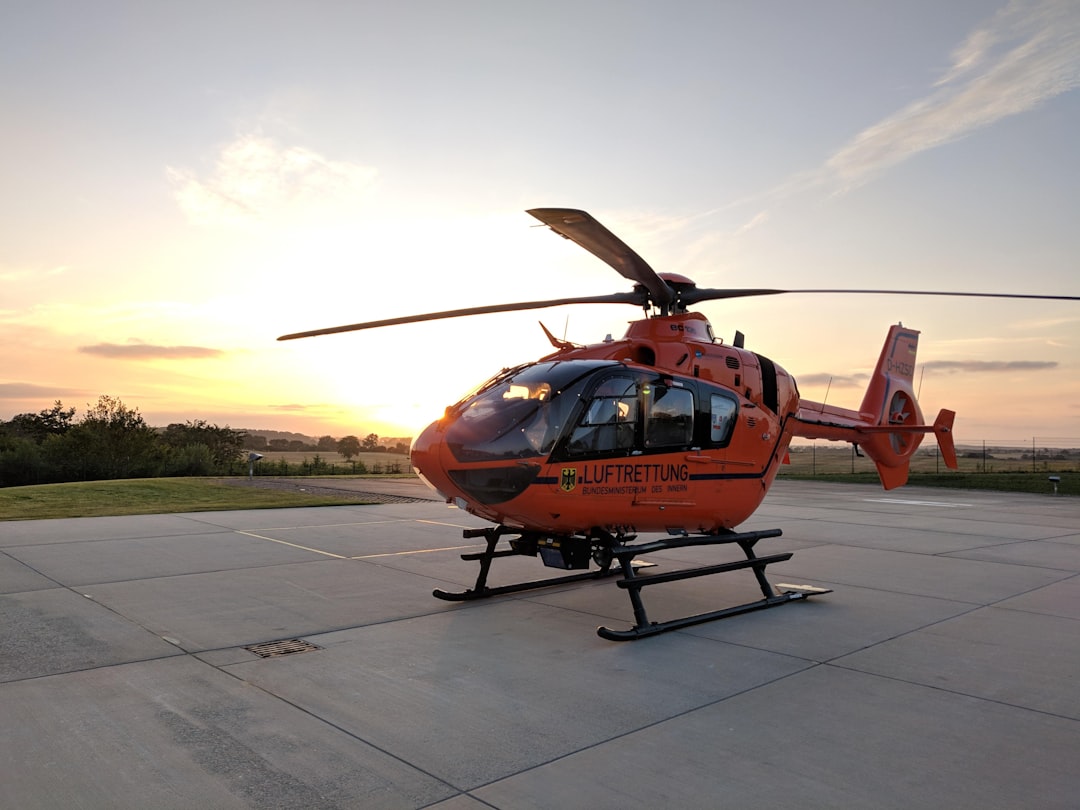
A United States Army AH-64 Apache attack helicopter crashed into the Strait of Hormuz on Tuesday, marking a significant incident in one of the world's most sensitive geopolitical chokepoints. According to reports from Romanian media outlet Digi24 and confirmed by US officials, the aircraft went down during a training mission. Despite the severity of the crash, it has been confirmed that both pilots were rescued and suffered no injuries. The incident has drawn immediate attention from global powers, including a direct comment from US President Donald Trump, who stated that the crew was safe. This event underscores the persistent risks associated with military operations in the narrow waterway, which remains a flashpoint for regional tensions involving Iran, the United States, and their respective allies.
Operational Details and Rescue Mission
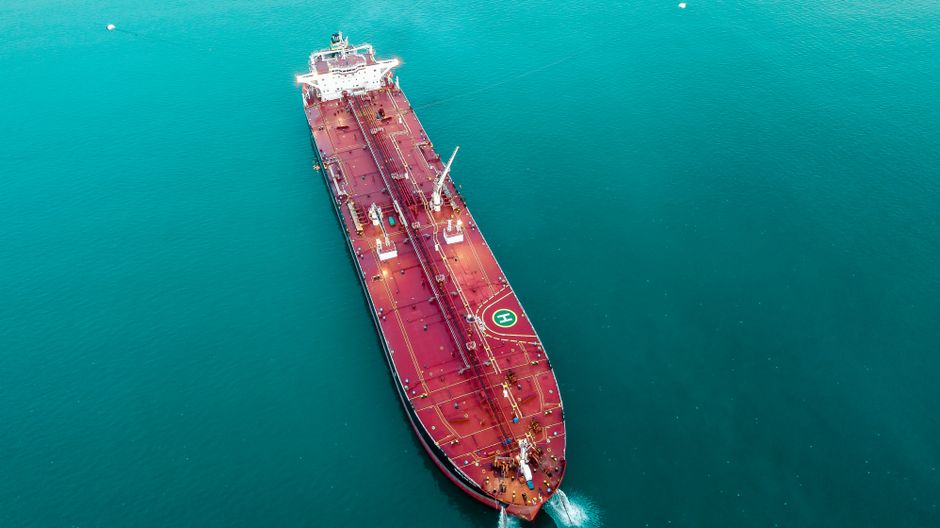
The crash occurred in the Strait of Hormuz, a narrow passage between Oman and Iran that serves as a critical global energy artery. Approximately 20% of the world's oil supply passes through this strait daily, making any military incident there highly consequential. The downed aircraft was an AH-64 Apache, a multirole attack helicopter widely used by the US military and known for its advanced avionics and firepower. The helicopter was reportedly conducting a routine training exercise when it lost control and plunged into the water. The specific cause of the crash has not yet been determined, but military investigators are expected to examine flight data recorders and witness accounts to establish whether mechanical failure, pilot error, or external factors were involved.
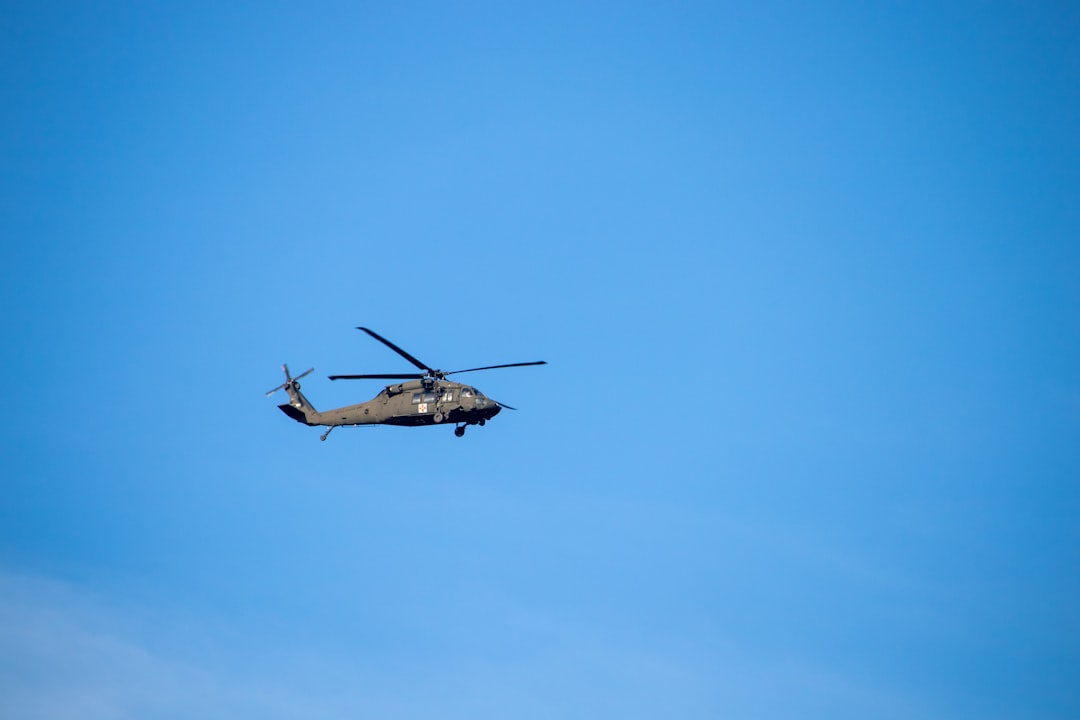
Rescue teams from the US Navy and Coast Guard were dispatched immediately to the scene. The pilots ejected successfully before impact, a testament to the rigorous training and safety protocols embedded in US military aviation. Both crew members were pulled from the water within minutes and transported to a nearby medical facility for evaluation. US Central Command (CENTCOM) confirmed that no hostile action was involved in the crash, dispelling initial fears that the aircraft might have been targeted by anti-aircraft fire. The swift rescue operation highlights the high level of readiness maintained by US forces in the region, despite the complex logistical challenges of operating in such a confined and monitored maritime environment.
Geopolitical Implications and Regional Tensions
The Strait of Hormuz has long been a focal point of geopolitical friction, particularly between the United States and Iran. Any military incident in the area is closely watched by Tehran, which has repeatedly threatened to close the strait in response to Western sanctions or military posturing. While this crash appears to be an accident, it could be exploited by regional actors to amplify narratives of US instability or aggression. Iranian state media has historically used similar incidents to criticize American military presence, arguing that it destabilizes the region. The US government is likely to emphasize the non-hostile nature of the event to prevent any escalation, but the underlying tensions remain high.
President Donald Trump's public comment that "the pilots were saved and no one was injured" serves a dual purpose: reassuring the American public and signaling competence to international observers. By highlighting the successful rescue, the administration aims to project strength and preparedness, countering any potential narrative of weakness. However, the incident also raises questions about the safety of military operations in such a volatile environment. Critics may argue that maintaining a heavy military presence in the Strait of Hormuz increases the risk of accidental encounters, which could inadvertently spark a larger conflict. The US military will need to conduct a thorough review of its operational protocols to ensure that such incidents do not recur.
Why This Matters to the Balkans and Europe
While the crash occurred in the Middle East, its implications extend to Europe and the Balkans due to the region's heavy reliance on global energy markets. A disruption in oil flows through the Strait of Hormuz would lead to a sharp increase in fuel prices, affecting transportation, manufacturing, and household costs across Greece, Bulgaria, Serbia, Romania, and other Balkan nations. Energy insecurity is a persistent concern for these countries, many of which are still working to diversify their energy sources and reduce dependence on imported fuels. An incident in the Hormuz Strait could delay these efforts by creating short-term price volatility and supply uncertainties.
Furthermore, the Balkans are home to several NATO member states, including Greece, Bulgaria, Romania, and Croatia, which are integrated into the broader US-led security architecture. Military incidents in the Middle East can influence NATO's strategic posture, potentially diverting resources or attention from other regional priorities. For instance, heightened tensions in the Middle East could lead to increased naval deployments in the Mediterranean, affecting maritime security and trade routes that are vital to Balkan economies. The incident also serves as a reminder of the interconnected nature of global security, where events in one part of the world can have ripple effects across continents. Balkan audiences should monitor developments in the Strait of Hormuz, as they may impact energy prices and regional stability in the coming months.
As investigations into the crash continue, the international community will be watching for any signs of escalation in the Strait of Hormuz. The US military is expected to maintain its presence in the region, but may adjust training procedures to minimize risks. For the Balkans and Europe, the focus will be on monitoring energy markets and ensuring that supply chains remain resilient. The incident serves as a stark reminder of the fragility of global energy networks and the importance of diplomatic engagement in preventing conflicts. Readers should stay informed about developments in the Middle East, as they may have direct consequences for their daily lives and economic stability.



Comments