


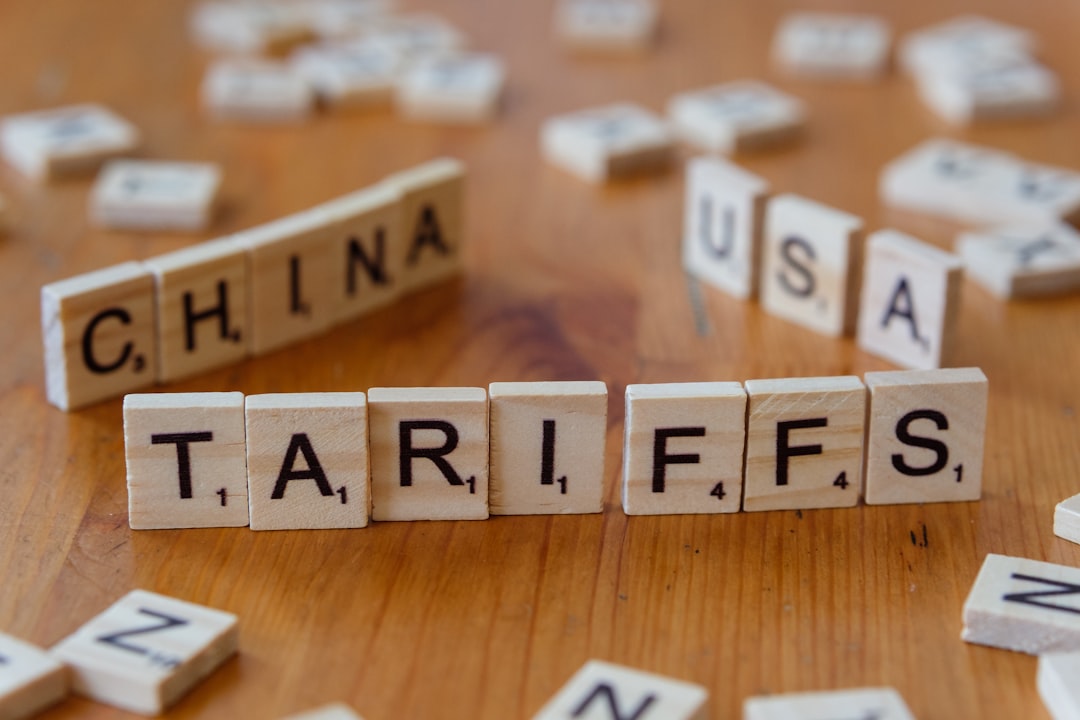
A federal appeals court in Washington has issued a preliminary injunction blocking the Biden administration from collecting a blanket 10% tariff on all imports into the United States. The legal ruling, handed down on Thursday, marks a significant victory for importers and exporters alike, halting a policy that threatened to disrupt global supply chains just weeks before its scheduled implementation. For countries in the Balkans, which have increasingly pivoted toward American markets for their agricultural and industrial goods, the decision provides immediate relief from potential price hikes that could have stifled export competitiveness.
The tariffs, originally announced in February, were part of the administration's broader strategy to address trade deficits and protect domestic industries. However, the court found that the executive order likely exceeded the legal authority granted to the President under the International Emergency Economic Powers Act. This legal uncertainty has created a volatile environment for businesses that rely on predictable trade policies. The Balkan region, with its growing economic ties to the US, is now navigating the aftermath of this sudden policy reversal.
Legal Basis and Immediate Economic Impact
The court's decision centers on the interpretation of the International Emergency Economic Powers Act (IEEPA), a law that grants the President broad authority to regulate international commerce during national emergencies. The administration argued that the global trade imbalance and economic instability constituted such an emergency. However, the judges ruled that the statute was not intended to be used for broad-based tariff increases aimed at general economic policy rather than specific national security threats. This narrow interpretation limits the executive branch's ability to unilaterally impose sweeping trade barriers.
The immediate economic impact of the injunction is significant. Importers who had begun stockpiling goods or absorbing potential costs can now resume normal operations. The ruling prevents a sudden spike in prices for consumers and businesses that rely on imported components. For the US economy, this avoids the inflationary pressure that economists warned would result from a 10% increase in the cost of imported goods. The decision also signals a check on executive power, reinforcing the principle that trade policy must be grounded in clear legislative authority.
Legal experts suggest that the administration may appeal the decision to the Supreme Court, but the preliminary injunction remains in effect during the appeals process. This creates a period of uncertainty for businesses planning their supply chain strategies. While the immediate threat is paused, the possibility of future tariffs looms, encouraging companies to diversify their sourcing and hedge against potential policy shifts. The legal battle underscores the tension between executive ambition and statutory limits in US trade policy.
Implications for Balkan Exporters
The Balkan region has seen a steady increase in exports to the United States, particularly in sectors such as agriculture, textiles, and automotive parts. Countries like Serbia, Croatia, and Romania have benefited from preferential trade agreements and growing demand for their goods. The proposed 10% tariff would have significantly increased the cost of these exports, making them less competitive in the US market. For Balkan farmers exporting fruits, vegetables, and processed foods, the tariff could have reduced profit margins or led to lost market share to competitors from countries with stronger trade relationships with the US.
Industrial exporters in the region, including manufacturers of automotive components and electronics, also face potential disruptions. Many Balkan companies are integrated into global supply chains that serve US manufacturers. A sudden increase in import costs could lead to reduced orders or a shift in sourcing to other regions. The court's decision allows these businesses to maintain their current export levels without the burden of additional tariffs. However, the underlying uncertainty remains, as the administration may seek alternative legal avenues to impose trade restrictions in the future.
The Balkan countries are closely monitoring the legal proceedings and engaging with US trade representatives to ensure their interests are protected. Diplomatic efforts are underway to secure long-term trade stability and clarify the legal framework for future trade policies. The region's economic growth is heavily dependent on export markets, and any disruption to trade with the US could have far-reaching consequences. The current pause provides a window for Balkan governments to strengthen their trade agreements and diversify their export destinations.

Future Outlook and Regional Strategy
As the legal battle continues, the focus shifts to what the administration might do next. The White House may attempt to narrow the scope of the tariffs or seek new legislative authority from Congress. This could lead to a more targeted approach, focusing on specific countries or industries rather than a blanket increase. For Balkan exporters, this means staying vigilant and adapting to potential changes in trade policy. Diversifying export markets, particularly within the European Union and emerging economies, will be key to mitigating risks.
The European Union, a major trading partner for the Balkans, may also play a role in shaping the future of transatlantic trade. EU officials have expressed concern over the unilateral imposition of tariffs and may push for a more coordinated approach to trade policy. Balkan countries, many of which are EU candidates or members, are likely to align their strategies with EU trade negotiations. This could provide a stronger collective voice in addressing US trade policies and securing favorable terms for regional exporters.
Looking ahead, the Balkan region must balance its growing ties with the US while maintaining strong relationships with the EU. The current legal victory is a reprieve, but not a permanent solution. Businesses and governments in the Balkans need to prepare for a complex trade environment where policy shifts can happen rapidly. Strengthening domestic industries, investing in innovation, and fostering diplomatic engagement will be essential for navigating the uncertainties of global trade. The coming months will be critical in determining how the region adapts to the evolving landscape of international commerce.



Comments