


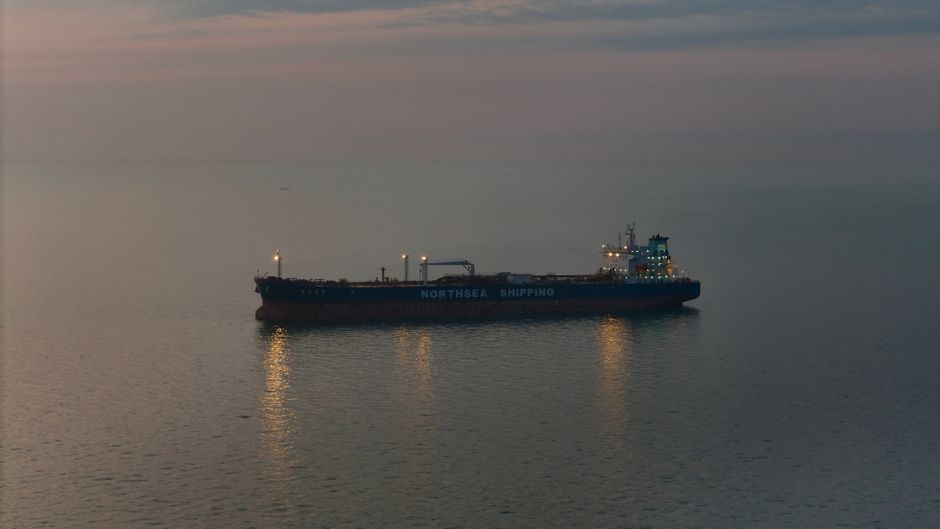
The geopolitical landscape of the Eastern Mediterranean has shifted dramatically following reports that Ukraine struck a tanker linked to Russia's so-called "shadow fleet" in international waters. The incident, which occurred in the open Mediterranean Sea, marks a significant escalation in the maritime dimension of the war. The target vessel, identified as part of the fleet that circumvents Western sanctions on Russian crude oil, was reportedly hit by a naval drone. This event underscores the expanding reach of Ukrainian naval operations and highlights the vulnerability of the logistics chain that sustains Russia's war economy. For the Balkans, a region historically dependent on energy imports from the east, the disruption of these shipping routes carries profound economic and strategic implications.
The concept of the "shadow fleet" refers to a large group of aging oil tankers, often registered in obscure jurisdictions and insured by non-Western entities, that transport Russian oil below the price cap imposed by the G7 and European Union. These vessels operate with minimal digital footprint, making them difficult to track and sanction. The successful attack on one such vessel demonstrates that Ukraine has acquired the capability to project power far beyond its immediate coastline. It also signals a willingness to target the financial lifelines of the Russian Federation, moving beyond traditional battlefield engagements to global economic warfare. The incident has sent shockwaves through the global shipping industry, raising concerns about insurance premiums and route safety in the Mediterranean.
The Mechanics of the Shadow Fleet and Maritime Warfare
The shadow fleet has become the backbone of Russia's oil exports since the invasion of Ukraine in 2022. With traditional Western buyers and insurers exiting the market, Moscow turned to this opaque network of vessels, many of which are decades old and have been repaired with parts from various sources to avoid detection. The fleet primarily transports Urals crude oil to markets in Asia and other parts of Europe, often via complex routing schemes designed to obscure the origin of the cargo. The attack in the Mediterranean suggests that Ukraine has not only identified these routes but also possesses the precise intelligence and technological means to intercept them. This capability likely involves a combination of satellite surveillance, signals intelligence, and long-range naval drones, which have proven effective in the Black Sea and are now being deployed further afield.
The use of naval drones, or unmanned surface vessels, has revolutionized modern asymmetric warfare. These vessels are relatively inexpensive, difficult to detect on radar, and can carry significant explosive payloads. Their deployment against a large tanker in the open sea represents a new frontier in naval combat. The incident raises questions about the future of maritime security and the effectiveness of international sanctions. If the shadow fleet cannot operate freely, the cost of transporting Russian oil will rise, potentially squeezing the profits that fund the Russian military. Conversely, it may lead to increased aggression from Russian naval forces against Ukrainian assets, further destabilizing the region. The Mediterranean, a critical chokepoint for global energy trade, is now a potential theater of conflict, with implications for all nations that rely on its safe passage.
Impact on the Balkans and Regional Energy Security
The Balkans have long been a focal point of energy geopolitics, with many countries in the region historically dependent on Russian gas and oil. While the European Union has made significant strides in diversifying energy sources since the war began, the impact of disruptions to Russian oil flows remains a concern. Countries like Serbia, North Macedonia, and Bosnia and Herzegovina have complex relationships with both the West and Russia. A sustained attack on the shadow fleet could lead to higher global oil prices, which would disproportionately affect smaller, import-dependent economies in the Balkans. Furthermore, the incident may exacerbate political tensions within the region, as governments navigate the delicate balance between supporting Ukraine and maintaining economic ties with Russia.
The strategic importance of the Eastern Mediterranean cannot be overstated. It is a key transit zone for energy supplies from the Middle East and North Africa to Europe. Any instability in this region could disrupt the flow of liquefied natural gas (LNG) and other critical resources. For Balkan countries that are part of the EU or aspiring to join, such as Romania and Bulgaria, the incident reinforces the need for greater energy independence and investment in renewable energy infrastructure. It also highlights the importance of NATO's southern flank, as the alliance must ensure the security of its members and partners against emerging hybrid threats. The attack on the tanker serves as a stark reminder that the war in Ukraine is not confined to Eastern Europe but has global repercussions that touch every corner of the continent.
Future Implications and Global Response
The international response to the attack remains to be seen. Western nations have condemned Russian aggression but have been cautious about directly supporting Ukrainian strikes on global shipping. However, the effectiveness of such operations may force a reevaluation of current policies. There is a growing debate among policymakers about whether to tighten sanctions on the shadow fleet or to provide more advanced technology to Ukraine to protect its own energy infrastructure. The incident may also prompt Russia to retaliate against Western shipping or to escalate its own naval activities in the Mediterranean, potentially drawing in other regional powers. The long-term impact on global energy markets will depend on the frequency and success of such attacks, as well as the ability of the international community to adapt to this new form of economic warfare.
For the Balkans, the coming months will be critical. Governments must prepare for potential volatility in energy prices and ensure that their populations are protected from the economic fallout. This may involve increasing strategic reserves, accelerating the transition to renewable energy, and strengthening regional cooperation on energy security. The incident in the Mediterranean is a clear signal that the war in Ukraine has entered a new phase, one that involves global supply chains and maritime security. As the shadow fleet faces increasing threats, the world must brace for a more complex and interconnected conflict, where the front lines extend far beyond the battlefield. The stability of the Balkans, and indeed Europe, will depend on how well nations can adapt to these new realities.


Comments