


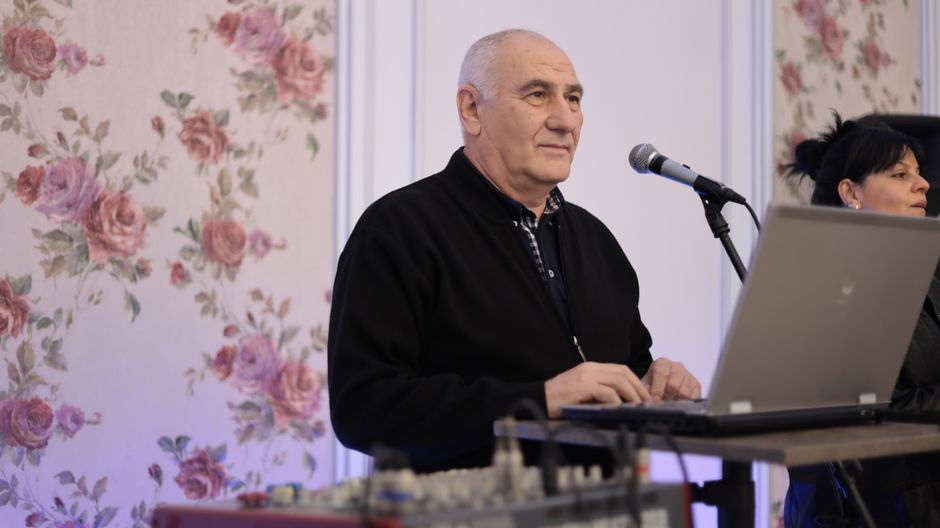
Sorin Grindeanu, the former Prime Minister of Romania and current leader of the Social Democratic Party (PSD), has sparked a significant political debate in Bucharest following a sharp public rebuttal to recent calls for national unity from opposition figures. In a series of fiery statements, Grindeanu dismissed the rhetoric of his political rivals, arguing that the current political climate does not require abstract appeals for cohesion but rather concrete action from those currently holding office. The controversy centers on Grindeanu’s assertion that if the current political class cannot manage the country’s challenges, they should resign, allowing new voices to emerge. This stance has resonated with a segment of the Romanian electorate weary of political stagnation, while simultaneously drawing criticism from opponents who label his comments as destabilizing and overly aggressive.
The incident highlights the deepening fractures within Romanian politics as the country navigates complex domestic reforms and its role within the European Union. Grindeanu’s comments are not merely personal grievances but represent a broader ideological clash between the established political elite and the growing demand for accountability. As tensions rise, the question remains whether this confrontational approach will galvanize the PSD base or further polarize an already divided political landscape. The fallout from these remarks is likely to influence upcoming legislative sessions and public sentiment ahead of future elections.
Background of the Political Confrontation
The controversy erupted after prominent opposition leaders, including figures from the National Liberal Party (PNL) and the Alliance of Liberals and Democrats (ALDE), issued statements urging the government and opposition to work together for the "national interest." Grindeanu, known for his direct communication style, responded swiftly on social media and during a press conference, rejecting what he termed "empty political theater." He argued that the concept of national unity is often used as a shield to protect underperforming officials and to avoid taking responsibility for policy failures. His response was immediate and unyielding, marking a shift from the more subdued tones that have characterized recent political discourse in Romania.
Grindeanu’s position is rooted in his belief that the current political establishment has failed to deliver tangible results for ordinary citizens. He pointed to issues such as healthcare reform, infrastructure development, and judicial independence as areas where cooperation has been lacking. By framing the debate around performance rather than party loyalty, Grindeanu aims to redefine the terms of political engagement in Romania. His comments have been interpreted by some as a challenge to the status quo, suggesting that the political class should be judged on its ability to solve problems rather than its ability to maintain power through consensus.
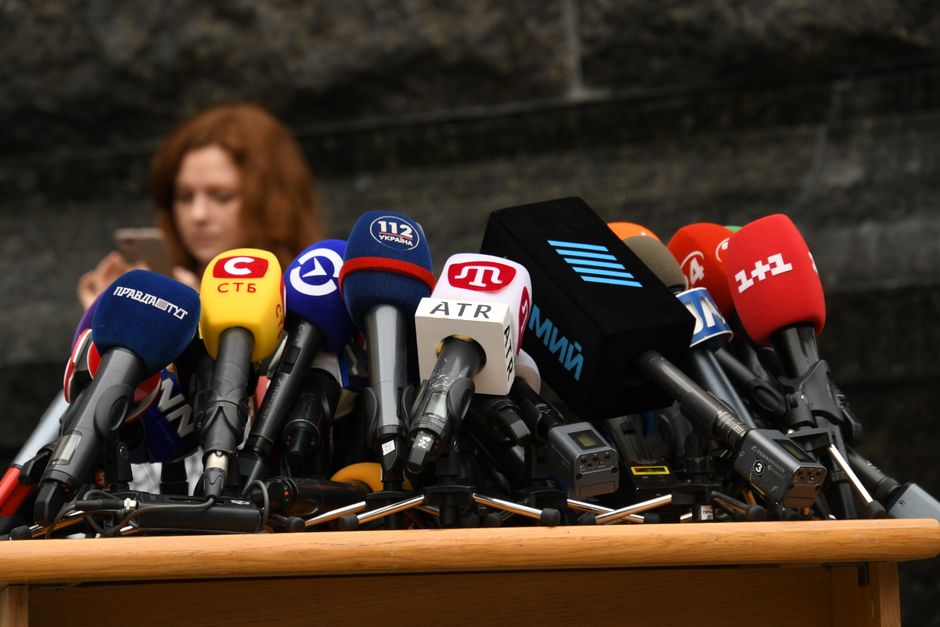
Significance and Impact on Romanian Politics
The significance of Grindeanu’s statements lies in their potential to reshape the narrative surrounding political accountability in Romania. By publicly calling for the resignation of those he deems unfit, Grindeanu is challenging the entrenched norms of political tenure and immunity. This approach has resonated with voters who feel disconnected from the political process and frustrated by the lack of visible progress. Polling data suggests that a significant portion of the Romanian electorate supports stronger measures to hold politicians accountable, indicating that Grindeanu’s stance may have broader appeal beyond his party’s traditional base.
However, the impact of these comments is not without controversy. Critics argue that Grindeanu’s rhetoric risks exacerbating political instability and undermining the democratic process. They contend that constructive dialogue and compromise are essential for effective governance, and that public calls for resignation can be counterproductive. The debate has also reignited discussions about the role of media and social platforms in political discourse, with some accusing Grindeanu of using sensationalism to gain attention. Despite the criticism, Grindeanu remains steadfast in his position, arguing that the current system is broken and requires radical change.
The international community has also taken note of the developments in Romania. As a key member of the European Union and NATO, Romania’s political stability is of interest to its partners. The European Commission has previously emphasized the importance of strong institutions and the rule of law in Romania, and the current political turmoil raises questions about the country’s ability to meet these standards. Grindeanu’s comments have added another layer of complexity to these discussions, highlighting the need for a balanced approach to political reform and stability.
The Balkan Angle and Regional Implications
While the controversy is centered in Romania, its implications extend to the broader Balkan region. Romania is a key player in the Southeast European neighborhood, and its political dynamics often influence neighboring countries. The debate over political accountability and national unity is not unique to Romania; similar discussions are taking place in Bulgaria, Serbia, and other Balkan states. Grindeanu’s stance may inspire similar movements in these countries, where citizens are increasingly demanding greater transparency and responsibility from their leaders.
The regional context is further complicated by the ongoing integration of Balkan countries into the European Union. Romania’s experience with political reform and governance can serve as a model or a cautionary tale for its neighbors. As countries like North Macedonia and Albania continue their accession negotiations, the lessons learned from Romania’s political landscape will be closely watched. Grindeanu’s emphasis on performance-based politics could encourage other Balkan leaders to adopt similar approaches, potentially leading to a wave of political change across the region.
Moreover, the controversy highlights the role of digital media in shaping political discourse in the Balkans. Social media platforms have become powerful tools for political mobilization, allowing leaders like Grindeanu to bypass traditional media channels and communicate directly with their constituents. This trend is likely to continue, reshaping the way politics is conducted in the region. As digital literacy increases, citizens are becoming more engaged in political debates, demanding greater accountability and transparency from their leaders.
What to Watch For Next
As the dust settles on this latest political confrontation, several key developments will determine the long-term impact of Grindeanu’s statements. First, the reaction of the Romanian parliament will be crucial. Will lawmakers respond with counter-proposals for reform, or will they double down on their existing policies? The outcome of these legislative debates will provide insight into the true state of political cooperation in Romania. Additionally, public opinion polls will offer valuable data on how voters are responding to Grindeanu’s rhetoric and whether it is shifting the political landscape.
Second, the response from opposition parties will be telling. Will they engage in constructive dialogue, or will they continue to engage in partisan attacks? The ability of Romanian politicians to move beyond rhetoric and focus on substantive issues will be a key indicator of the country’s democratic health. Finally, the international community’s reaction will also be important. Will European partners view the controversy as a sign of democratic vibrancy or political instability? The answer to this question will influence Romania’s standing in the EU and its ability to attract investment and support.
For readers and observers, the situation in Romania serves as a microcosm of broader trends in democratic governance. The debate over accountability, unity, and performance is not just a Romanian issue but a global one. As citizens around the world demand greater transparency and responsibility from their leaders, the lessons learned from this controversy will have far-reaching implications. Keeping an eye on these developments will provide valuable insights into the future of politics in Romania and the Balkans.



Comments