


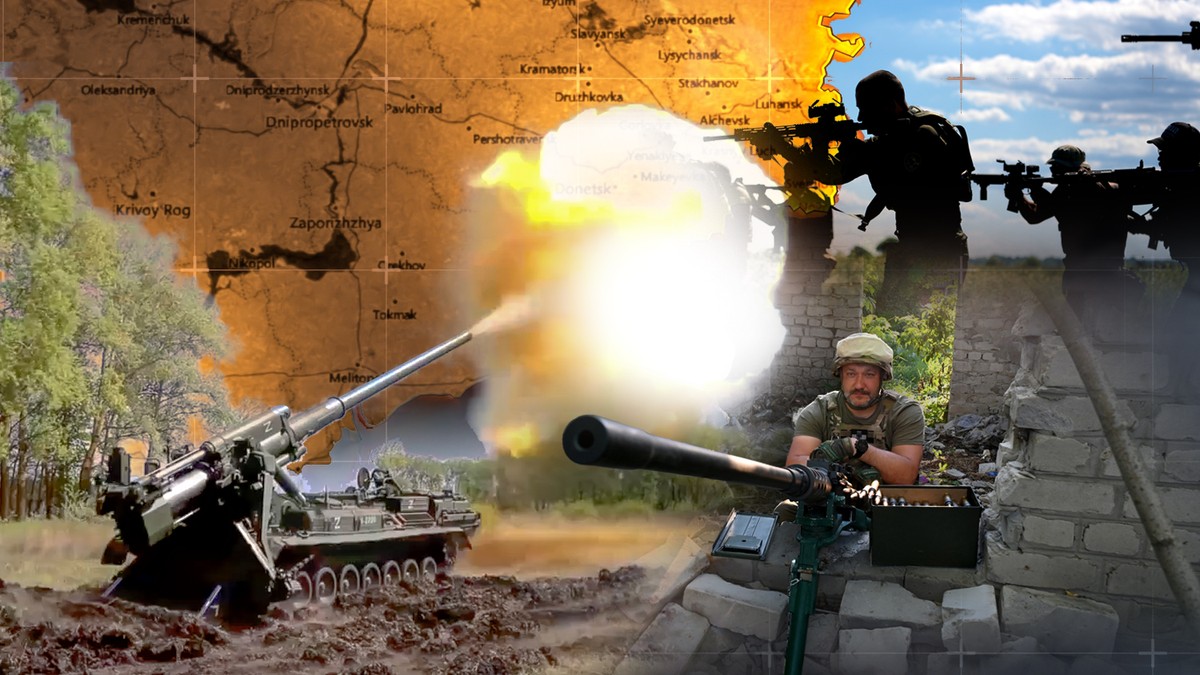
Ukraine's military has been secretly preparing a winter counteroffensive in the southeastern part of the country for months. The details of the operation were known only to a small circle of commanders. Even high-ranking officers involved in the action were unaware of when the attack would begin, and soldiers received orders only at the last moment.
The attack began under thick fog, which helped to achieve the element of surprise. Small groups of Ukrainian soldiers penetrated behind Russian lines by advancing and withdrawing troops, bypassing fortified positions. Analysts point to limited but significant successes: Ukraine has liberated part of the territory, though fighting continues, and the entire front remains unstable. Drones have become a crucial factor in the ongoing conflict.
The commander of the 110th Mechanized Brigade, Vadim, known by his nom de guerre "Lightbulb," stated that the operation was planned with the utmost secrecy due to concerns about information leaks and potential Russian intelligence attempts through social media.
The objective of the Ukrainian operation was to reclaim the territory in the Zaporizhzhia and Dnipropetrovsk regions that Russian forces had seized at the end of 2025 before they could further entrench their positions. Ukrainian President Volodimir Zelenskyy reported that over 400 square kilometers of territory were liberated during the operation, while the Chief of the General Staff Oleksandr Sirsky assessed it as the most significant advance since the Ukrainian incursion into Russia's Kursk region in 2024.
However, analysts warn that a significant portion of the front remains a "gray zone" without clear control, where positions constantly change, and the skies are filled with reconnaissance and combat drones from both sides.
Secret Preparation and Targeting Russian Artillery
A key part of the operation was destroying Russian artillery before the infantry attacks began. Two weeks before the counteroffensive, the 148th Artillery Brigade was tasked with locating and neutralizing Russian artillery that could impede Ukrainian advances. The brigade moved over 400 vehicles and artillery systems from the Pokrovsk area, including American-made systems.



This counteroffensive shows how much Ukraine can achieve with secrecy and determination! It's a major turning point, but the fight isn't over yet. What do you think about the role of drones in modern warfare?