


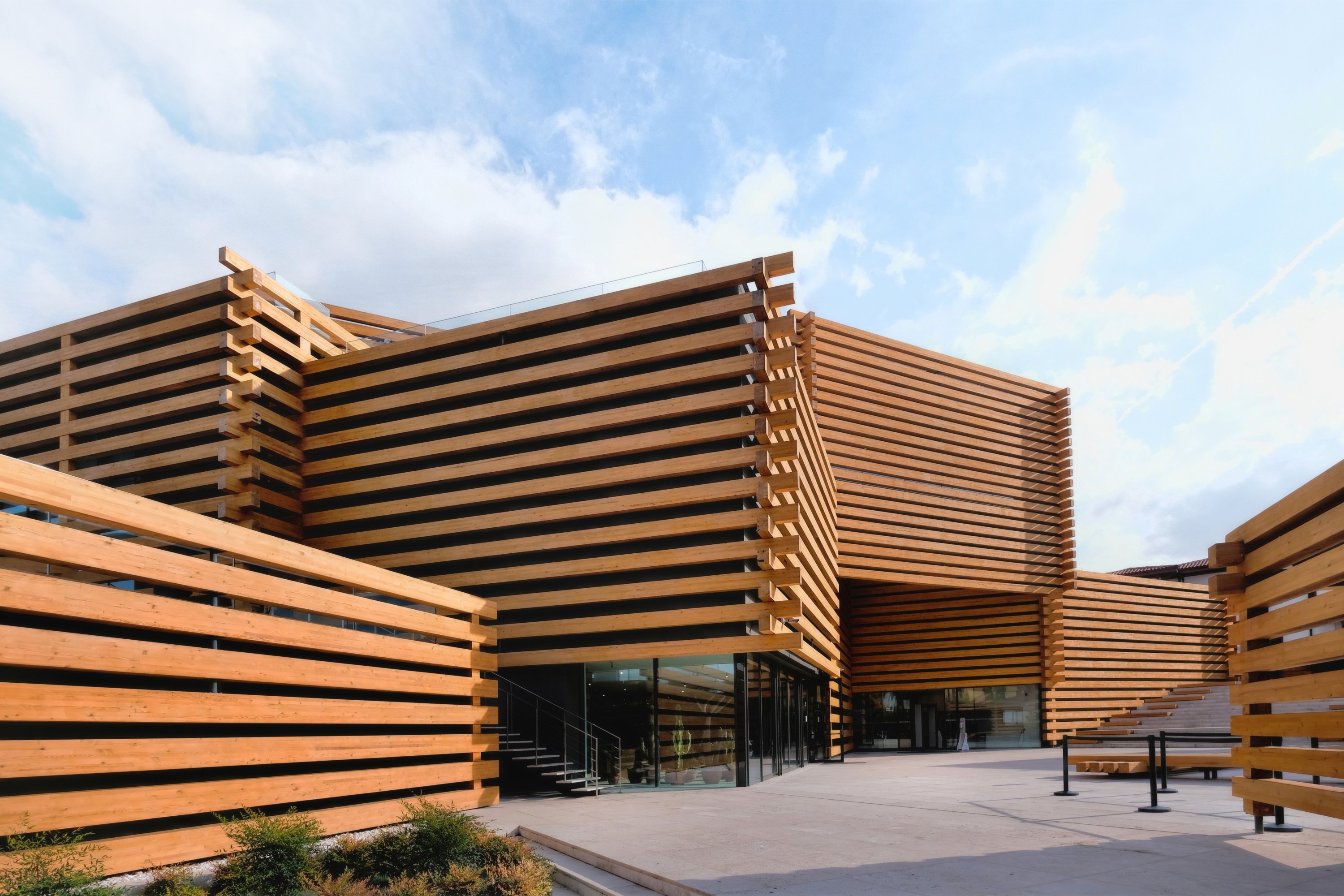
As Türkiye continues to attract international visitors with its rich heritage, layered history, and natural beauty, the Ministry of Culture and Tourism’s Culture Route project, launched in 2021, has evolved into something much bigger than a simple festival calendar. Today, it has become a cultural brand of international scale, revitalizing cities through thousands of artistic events while boosting tourism and local economies. I was in Eskişehir to explore the new festival route and to talk with Culture and Tourism Minister Mehmet Nuri Ersoy about the country’s growing cultural vision.
During our conversation, Ersoy highlighted how Türkiye is increasingly positioning itself not only as a summer destination, but as a year-round global hub for culture, sports, and international events. “Türkiye is no longer attracting attention solely through its natural beauty,” he said. “With a calendar spread across all seasons, including culture, art, sports, and major international events, the country has become a very powerful destination.”
Stressing the importance of building a tourism sector resilient to global crises, Ersoy said Türkiye has strengthened its promotional capacity through the Turkish Tourism Promotion and Development Agency (TGA), while expanding both its product and destination diversity.
Emphasizing Türkiye’s role as an “island of stability” in a volatile region, Ersoy noted that international reservations had begun recovering despite ongoing geopolitical tensions. He also highlighted the growing economic impact of the Culture Route Festivals, alongside ambitious initiatives ranging from Formula 1 preparations and public beach projects to the repatriation of cultural artifacts and large-scale international promotion campaigns aimed at strengthening Türkiye’s global tourism position.
“This geography is extraordinarily beautiful,” Ersoy said. “There were crises in the past, there are crises today, and unfortunately, there will continue to be crises in the future. That is why, when we revised Türkiye’s tourism strategy in . . . our primary objective was to make the sector immune to crises.”
As part of that strategy, Türkiye established the Turkish Tourism Promotion and Development Agency (TGA) in 2019 to ensure continuous and large-scale international promotion while diversifying tourism products beyond the traditional “sea, sand, and sun” model.
“Today, we emphasize around 60 different tourism products out of a portfolio of 100. We are heavily investing in product diversity,” he explained, citing year-round archaeological excavation programs and the “Heritage for the Future” initiative as examples of Türkiye’s long-term cultural strategy.
Ersoy also underlined that gastronomy has evolved from being a complementary tourism element into one of the core pillars of Türkiye’s tourism vision.
“In the past, gastronomy was considered secondary,” he said. “Today, it sits at the very center of our tourism strategy.”
He also pointed to the strategic partnership with Turkish Airlines (THY), noting that the airline’s direct flights to 350 destinations significantly expand Türkiye’s global tourism reach.
“With our new strategy, we diversified not only destinations but also source markets. Every destination served by Turkish Airlines is now a potential tourism market for Türkiye,” Ersoy said.
According to Ersoy, Türkiye has significantly broadened its tourism outreach compared to previous decades.
“In the past, we attracted visitors from six or seven major markets. Today, Türkiye actively promotes itself in nearly 200 countries and welcomes visitors from every corner of the world,” he said.
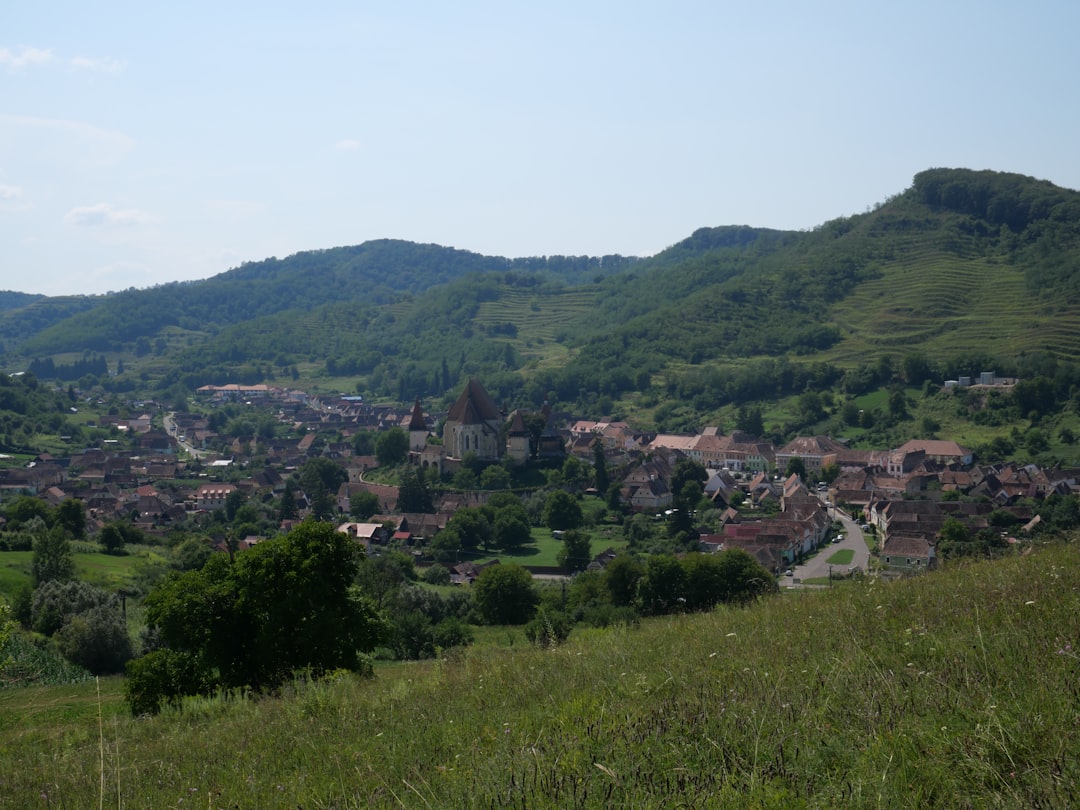
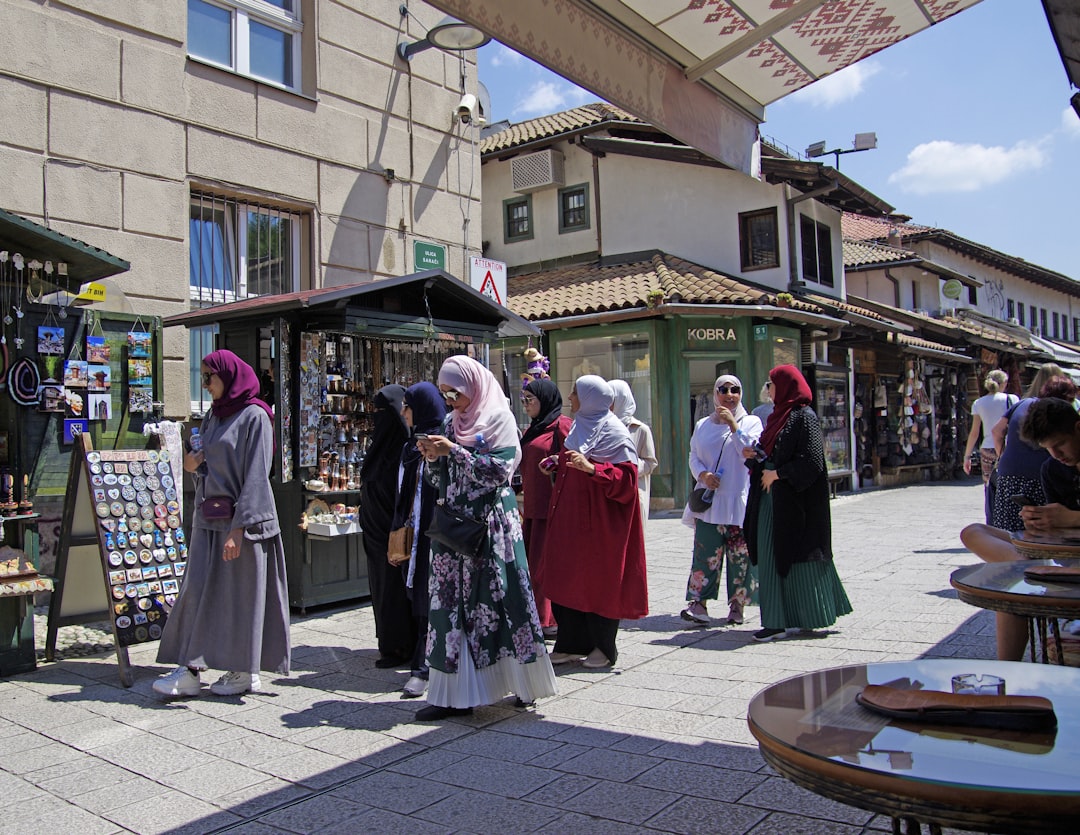
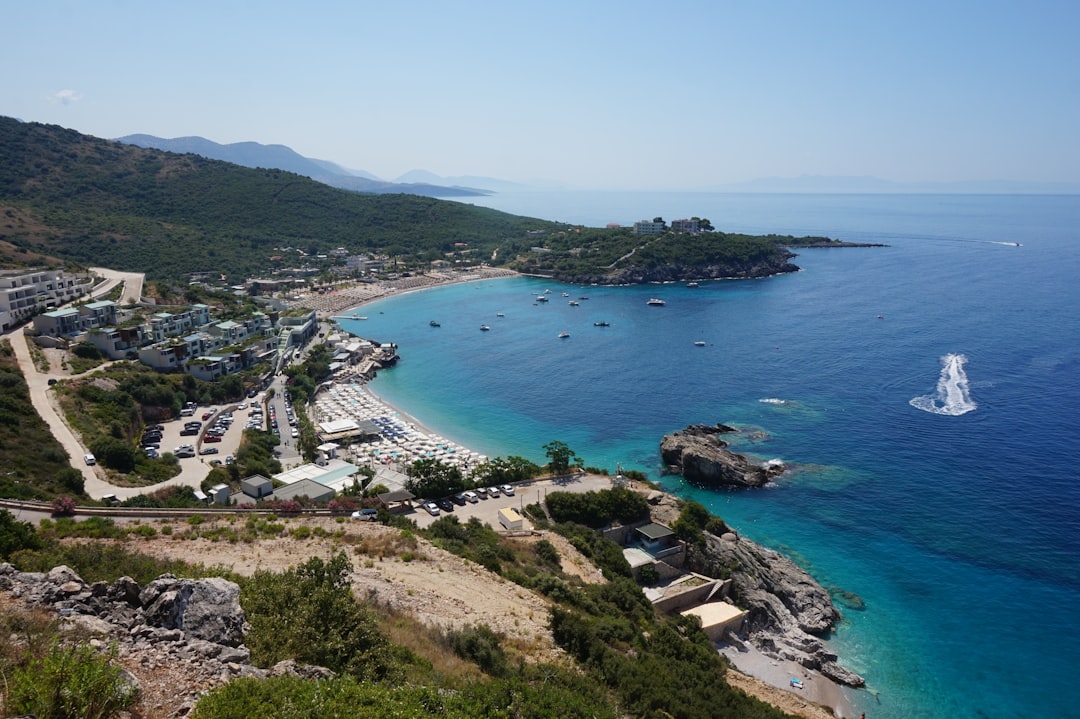
This is huge for Türkiye's tourism industry. The Culture Route Festivals are breathing new life into the country's cultural scene. But can this strategy really insulate the tourism sector from global crises? Let's see how it holds up over the next few years!