



The Turkish women's national volleyball team prepares for a critical encounter against Belgium in the second week of the 2025 FIVB Volleyball Women's Nations League. This match, part of the ongoing global tournament, draws significant attention from volleyball fans across the Balkans and Europe. The competition serves as a vital preparation ground for national teams ahead of major championships, with Turkey aiming to strengthen its position in the standings. The clash highlights the growing competitiveness of European volleyball, where traditional powers face rising challenges from well-organized squads like Belgium. For Turkish fans, this match represents another opportunity to showcase the depth of talent in their domestic league, which has become a hub for international stars. The outcome could influence seeding for future tournaments and boost morale ahead of the Olympic qualification cycle.
Tournament Context and Current Standings
The FIVB Volleyball Women's Nations League, formerly known as the VNL, is an annual international competition featuring the top national teams in the world. First launched in 2018, it replaced the World Grand Prix and offers a more inclusive format with core and challenger teams. The 2025 edition continues to serve as a key ranking event, with points contributing to the FIVB World Rankings. Turkey has consistently performed well in recent years, often finishing in the top eight. Belgium, meanwhile, has emerged as a solid contender in European volleyball, regularly competing in the CEV European Championship and qualifying for major global events. The Nations League provides both teams with valuable high-level competition against diverse playing styles.
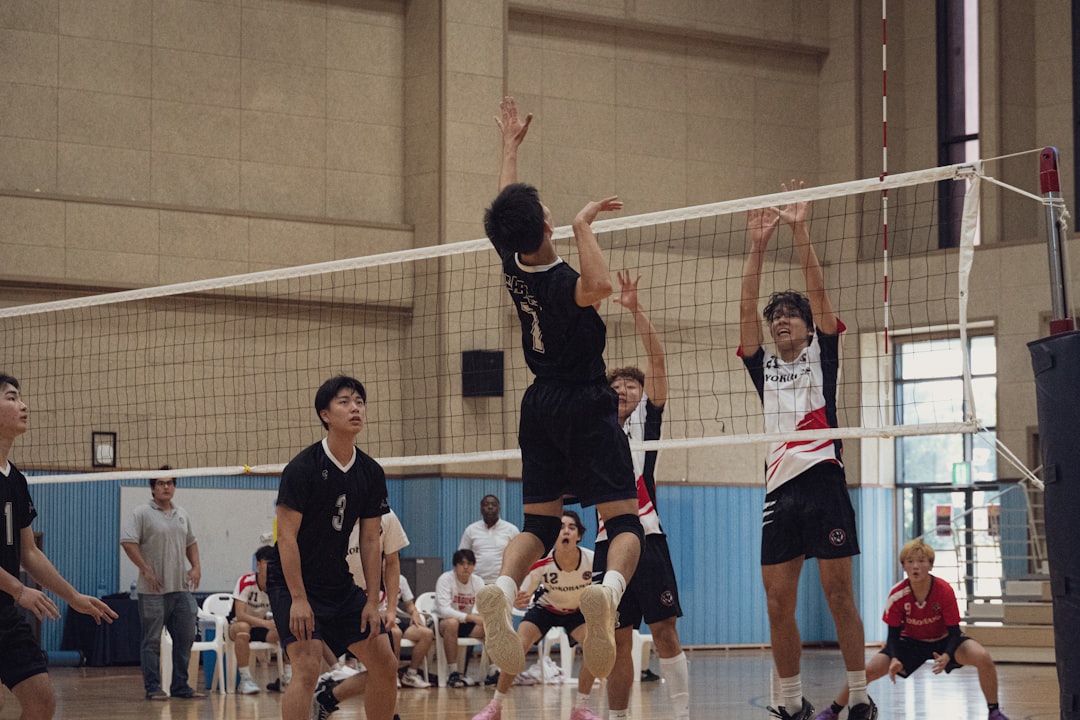
The second week of the tournament typically features intense matches as teams adjust to the competitive rhythm. Turkey’s squad, coached by one of Europe’s respected strategists, relies on a blend of experienced veterans and promising young talents. Their roster includes players who have gained recognition in top European leagues such as Italy, Poland, and Turkey’s own Sultanlar Ligi. Belgium’s team, known for its disciplined defense and tactical flexibility, poses a different challenge. The Belgian squad has improved significantly over the past five years, with key players developing in foreign leagues and gaining international experience. This matchup tests Turkey’s ability to adapt to a team that emphasizes consistency and structured play.
Key Players and Tactical Battle
Turkey’s lineup features standout performers who have become household names in international volleyball. The team’s outside hitters and middle blockers have been instrumental in their success, combining power with precision. One of their key players, a seasoned opposite hitter, has been a consistent point-scorer in recent tournaments. Her ability to perform under pressure makes her a focal point in Turkey’s offensive strategy. Belgium, on the other hand, relies on a balanced attack with multiple scoring threats. Their libero and defensive specialists have earned praise for their court coverage and quick reflexes. The tactical battle between Turkey’s aggressive offense and Belgium’s resilient defense will likely determine the match’s outcome.

Head-to-head records between these two nations show a competitive history, with matches often decided by narrow margins. Recent encounters have highlighted the importance of serving consistency and transition play. Turkey’s coaching staff has emphasized improving their block timing and reducing unforced errors, areas that have been targeted by opponents. Belgium’s approach focuses on disrupting Turkey’s rhythm through varied serve patterns and quick counter-attacks. The match will also test both teams’ depth, as substitutions play a crucial role in maintaining energy levels during long rallies. Fans can expect a tightly contested affair where set-by-set momentum shifts could change the direction of the game.
Balkan Angle and Regional Significance
Volleyball holds a strong following in the Balkan region, with countries like Serbia, Bulgaria, and Turkey boasting passionate fanbases and successful national programs. Serbia’s women’s team remains one of Europe’s elite, having won multiple world and Olympic titles. Bulgaria has also produced world-class players and maintains a competitive presence in international competitions. Turkey’s rise in the sport has intensified regional rivalries, creating a dynamic competitive environment. Matches against European teams like Belgium serve as benchmarks for Balkan nations aiming to close the gap with traditional volleyball powers. The Nations League provides a platform for these teams to measure their progress and refine their strategies.

The cultural impact of volleyball in the Balkans extends beyond the court, influencing youth development and media coverage. Local leagues in Turkey, Serbia, and Bulgaria attract international players and coaches, fostering a high level of competition. This exchange of talent and tactics benefits national teams, which draw from a deep pool of experienced athletes. The upcoming match against Belgium will be closely watched by coaches and analysts across the region, who study playing styles and emerging trends. For fans, the tournament offers a chance to support their national teams on a global stage, strengthening regional pride and engagement with international sports. The results will also influence future scouting and recruitment efforts for clubs and national federations.
As the FIVB Nations League continues, the Turkey-Belgium match stands out as a key fixture in the European volleyball calendar. Both teams have much to prove, with Turkey seeking to maintain its upward trajectory and Belgium aiming to establish itself as a consistent top-tier contender. The outcome will have implications for rankings, confidence, and tactical development heading into the latter stages of the tournament. Fans in the Balkans and beyond will be watching closely, eager to see which team can impose its style and secure a vital victory. The next few weeks of competition will reveal how these squads adapt to pressure and perform against elite opposition, setting the stage for potential playoff clashes.


Comments