


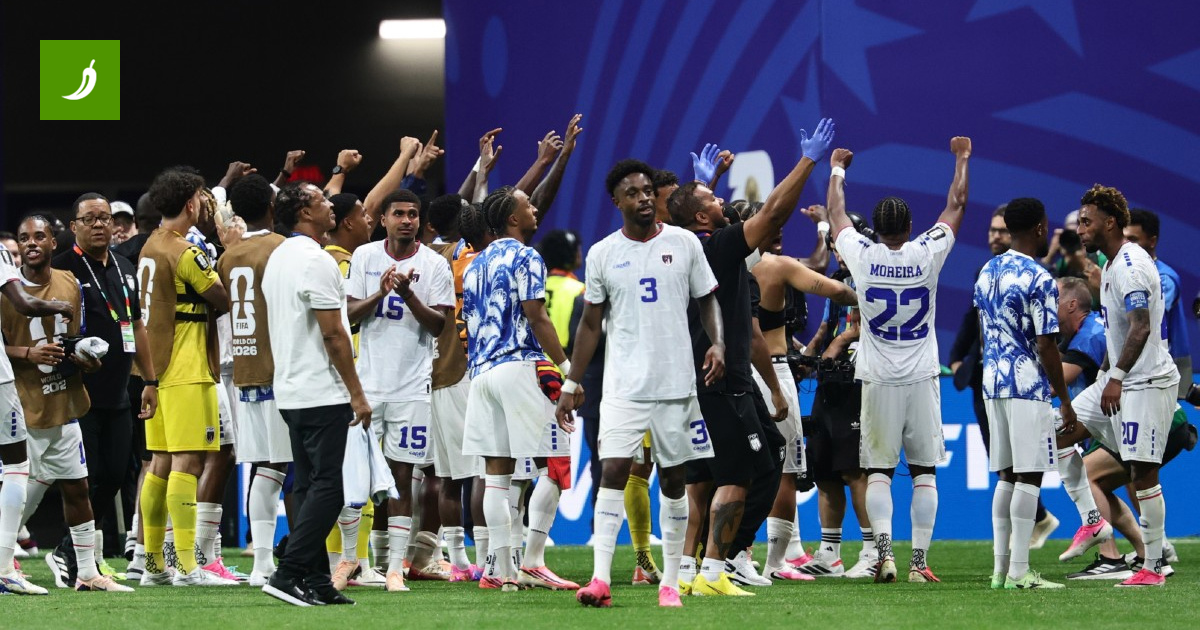
The script was torn up in North America. Cape Verde, a nation of roughly 500,000 souls scattered across volcanic peaks in the Atlantic, did the unthinkable. They held Spain, the reigning European champions, to a stalemate. No goals. No glory for the giants. Just pure, unadulterated shock.
The Fortress of the Archipelago
How does a country independent for barely fifty years stand toe-to-toe with football royalty? The answer lies in discipline. Under manager Pedro Leitão Brito, known as Bubista, Cape Verde transformed from an exotic curiosity into a tactical nightmare. After a stunning run to the quarter-finals at the 2023 Africa Cup of Nations, the squad fused diaspora talent from the Netherlands and Portugal with an iron-clad defensive structure.
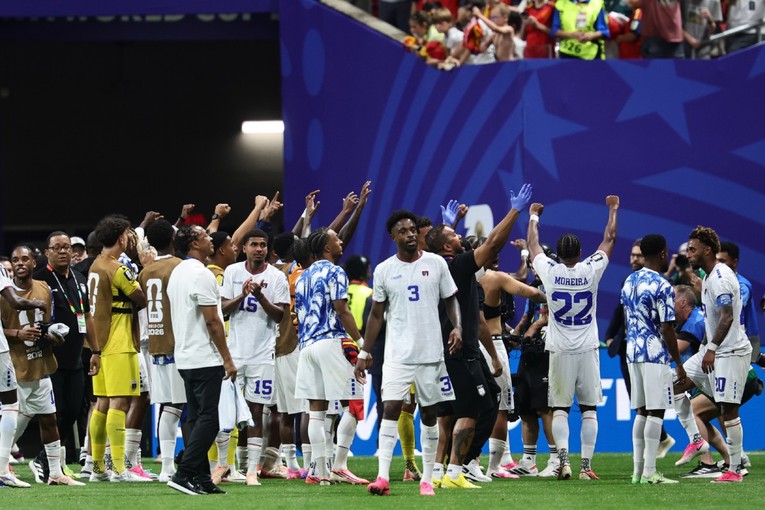
Their squad value sits around €55 million—modest by European standards, yet sufficient to build a unit that refuses to break. They arrived in North America not as underdogs, but as a cohesive, self-believing force ready to impose their will.
A Qualification Masterclass
The path to the World Cup was paved with grit. In a grueling African qualifying group featuring Cameroon, Cape Verde went undefeated at home. Five matches. Five wins. Zero goals conceded. They topped the group with 23 points, securing their debut World Cup spot with a decisive 3-0 victory over Eswatini. The entire nation declared a public holiday to celebrate.
Bubista, named African Coach of the Year for 2025, engineered a team that balances European tactical rigour with attacking freedom. While legends like Nani, Patrick Vieira, and Henrik Larsson trace their roots to these islands, this current generation is writing its own legend. The draw against Spain isn’t just a point; it’s a statement. The small island giant has arrived, and the football world is taking notice.

cape verde really held spain to 0-0? that's insane tbh. bubista must be a genius rn...