



Turkish authorities have launched a significant law enforcement operation that has resulted in the arrest of 22 high-profile celebrities, including actors, singers, and social media influencers. The raids, conducted by the Turkish Ministry of Interior police, have sent shockwaves through the country's entertainment industry and sparked international debate about freedom of expression. The arrests are linked to an investigation into alleged illegal gambling operations, specifically those involving online betting platforms. This development is closely watched in the Balkans, where Turkey exerts significant cultural influence through its popular television series and music exports across Greece, Bulgaria, and the Western Balkans.
The operation targets individuals accused of promoting unlicensed gambling sites through their social media channels and public appearances. According to official statements, these celebrities facilitated financial gains for illegal betting networks by endorsing them to their massive followings. The scale of the crackdown indicates a broader governmental strategy to curb the growing influence of unregulated online gambling markets. For regional audiences, this event highlights the increasing scrutiny public figures face in the digital age, particularly in countries with strict regulations on gambling and media content.
Context of the Crackdown and Legal Basis
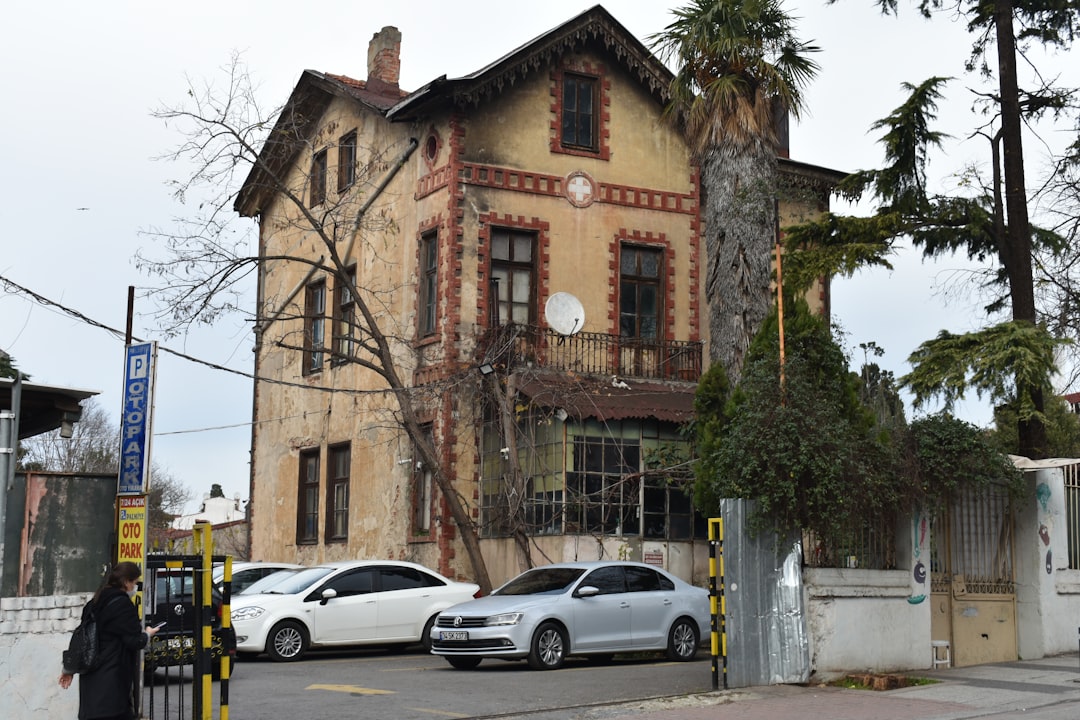
The legal framework in Turkey strictly prohibits online gambling, with the exception of a state-run lottery and sports betting operator. The gambling laws in the country are enforced rigorously, and recent years have seen intensified efforts by the government to shut down offshore betting sites accessible to Turkish citizens. The involvement of celebrities in promoting these platforms has become a focal point for law enforcement, as their endorsements significantly boost the visibility and revenue of illegal operations. This case marks one of the largest coordinated actions against public figures in the entertainment sector.
Authorities allege that the arrested individuals received substantial payments to advertise these illegal services on platforms like Instagram, Twitter, and TikTok. The investigation reportedly uncovered a complex network involving financial transactions between the celebrities and the operators of the gambling sites. Law enforcement agencies used digital forensics to trace these payments and establish a clear link between the public figures and the illegal activities. The move underscores the government's determination to hold influencers accountable for their role in facilitating what it deems a threat to public order and financial security.
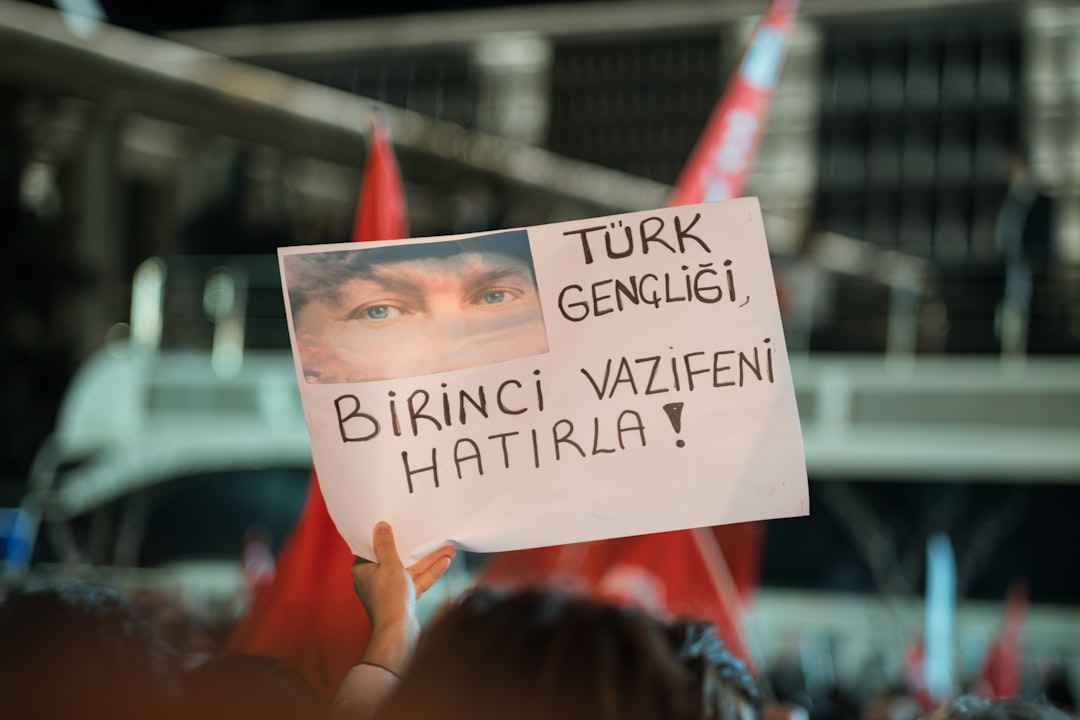
Critics of the operation argue that the definition of "promotion" may be overly broad, potentially encompassing casual mentions or ambiguous posts. Legal experts in the region suggest that this case could set a precedent for how social media content is regulated and prosecuted in Turkey. The tension between state control and digital freedom is a recurring theme in Turkish politics, and this high-profile case exemplifies the risks faced by those with large online audiences. The outcome of these proceedings will likely influence how other public figures navigate their social media presence in the future.
Impact on the Balkan Cultural Sphere
The Turkish entertainment industry is a major cultural exporter to the Balkans, with Turkish dramas (diziler) and pop music enjoying immense popularity in countries like Serbia, Croatia, and Romania. Many of the arrested celebrities are likely familiar to Balkan audiences, having starred in hit series or performed in regional festivals. This crackdown could have a chilling effect on the cross-border collaboration between Turkish and Balkan artists, who often share platforms and audiences. Regional fans are now questioning the safety and stability of their favorite stars.
In Romania, where Antena 3 and other major broadcasters frequently cover international cultural news, the story has generated significant discussion. The Romanian public, which has a strong affinity for Turkish culture due to historical ties and contemporary media consumption, views this event with concern. It raises questions about the sustainability of the cultural exchange between Turkey and its Balkan neighbors, especially if the entertainment sector becomes increasingly politicized or restricted. The arrests may also impact the tourism industry, as some fans travel to Turkey specifically to attend concerts or film locations associated with these celebrities.
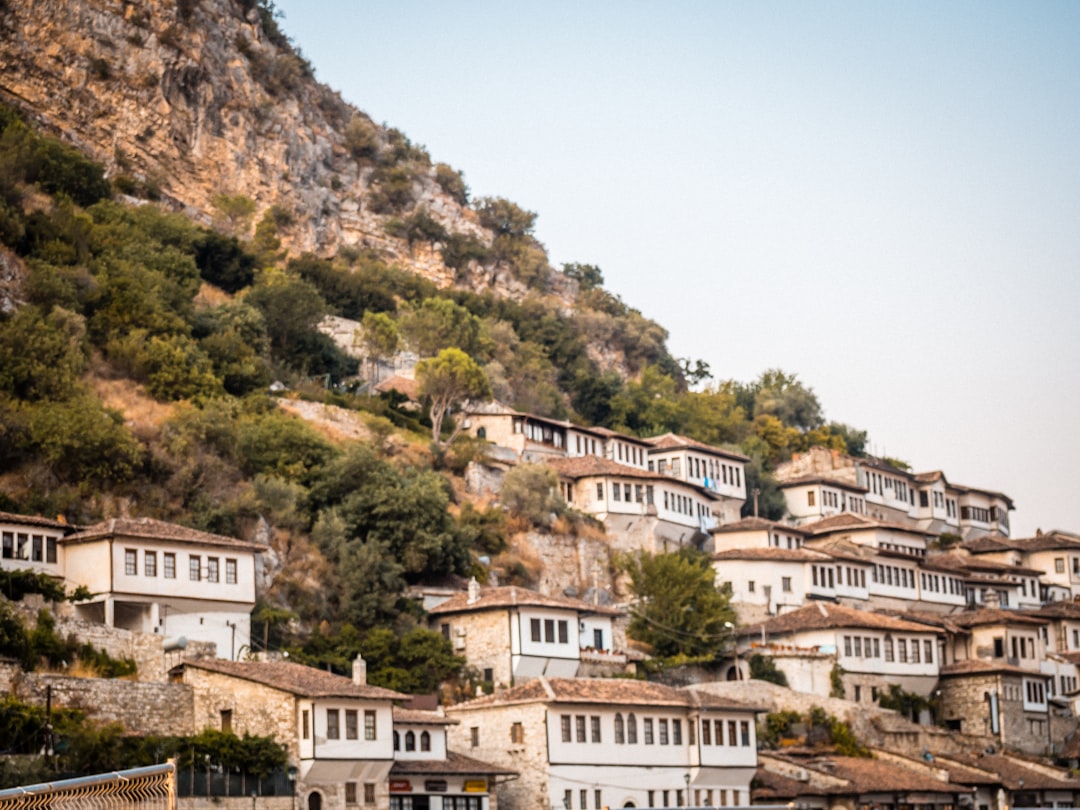
Furthermore, the incident highlights the divergent regulatory environments between Turkey and the European Union member states in the Balkans. While countries like Greece and Croatia have their own gambling regulations, they generally operate within a framework that allows for more open digital discourse compared to Turkey's current approach. This disparity could lead to increased caution among Balkan media companies when partnering with Turkish talent or distributing their content. The cultural bridge that has been strengthened over the past two decades through entertainment may now face new challenges as legal boundaries tighten.
Future Implications and Regional Watch
As the legal proceedings against the 22 celebrities continue, the entertainment industry in Turkey and the Balkans will be closely monitoring the outcomes. The potential for heavy fines, lengthy prison sentences, or bans from social media platforms could reshape how artists engage with their audiences. Industry professionals are likely to advise stricter compliance with advertising standards and greater caution when endorsing any form of gambling or financial services. This event serves as a stark reminder of the legal risks associated with influencer marketing in jurisdictions with stringent regulations.
For the Balkan audience, the situation underscores the interconnectedness of the regional media landscape. The arrest of popular figures affects not just Turkey but also the cultural consumption habits of millions in neighboring countries. It prompts a broader conversation about the responsibilities of public figures in the digital era and the extent to which states can regulate online behavior. As the trial progresses, updates will be crucial for understanding the long-term impact on freedom of expression and the future of the Turkish entertainment industry.
Ultimately, this case is more than just a law enforcement action; it is a signal of shifting dynamics in the region's cultural and legal environments. Readers in the Balkans should watch for how this affects the release of new Turkish series, concert tours, and collaborative projects. The balance between state control and artistic freedom remains a delicate one, and this high-profile crackdown will be a key indicator of where that line is drawn in the coming years. The global attention on this story ensures that its implications will be felt far beyond the borders of Turkey.

Comments