



The Turkish sports broadcasting landscape is undergoing a significant transformation as TRT Spor, the national public broadcaster’s dedicated sports channel, adapts to changing viewer habits and competitive digital pressures. As the 2026 season approaches, the channel remains a central hub for domestic football fans, particularly those following the Süper Lig, Turkey’s top-tier football division. Recent discussions surrounding match schedules and broadcasting rights highlight the ongoing tension between traditional television and modern streaming platforms. For audiences in the Balkans and across Europe, where Turkish football holds a dedicated fanbase, understanding the role of TRT Spor is essential for tracking the region’s most dynamic sporting narratives.
The channel’s prominence is underscored by its extensive coverage of major tournaments and domestic leagues. With the 2025-2026 season setting the stage for intense competition, TRT Spor continues to serve as the primary outlet for many viewers who prefer linear television. However, the broadcaster faces increasing scrutiny regarding its digital strategy. As younger demographics migrate to online platforms, TRT Spor must balance its public service mandate with the commercial realities of sports rights. The upcoming match schedules, including high-profile fixtures in June 2026, illustrate the channel’s commitment to maintaining its relevance in a crowded media market.
The Evolution of TRT Spor in Modern Media
TRT Spor has long been synonymous with Turkish football coverage, providing live broadcasts of Süper Lig matches, cup competitions, and international fixtures involving the Turkish national team. Established as part of the Turkish Radio and Television Corporation (TRT), the channel benefits from state support, which allows it to secure key broadcasting rights that private competitors often struggle to afford. This unique position enables TRT Spor to offer comprehensive coverage of domestic leagues, ensuring that fans across Turkey and the diaspora can follow their favorite teams.
However, the rise of digital streaming services has challenged TRT Spor’s traditional model. Platforms like YouTube and dedicated sports apps have fragmented audiences, forcing the public broadcaster to innovate. In recent years, TRT Spor has expanded its online presence, offering highlights, live streams on its website, and mobile applications. Despite these efforts, the channel still relies heavily on linear TV viewership, particularly among older demographics and rural populations. The challenge lies in attracting younger viewers who prefer on-demand content and interactive features.

The 2026 Season and Broadcasting Rights
The 2025-2026 Süper Lig season is shaping up to be one of the most competitive in recent years, with clubs like Galatasaray, Fenerbahçe, and Beşiktaş vying for the title. TRT Spor has secured rights to broadcast a significant portion of these matches, ensuring that key fixtures are accessible to a wide audience. The channel’s coverage extends beyond football, including events such as the EuroBasket and other international competitions hosted in Turkey. This diverse portfolio reinforces TRT Spor’s role as a comprehensive sports broadcaster.
The June 2026 match schedule, which includes crucial end-of-season fixtures, highlights the channel’s strategic importance. These matches often determine league standings, European qualification, and relegation battles, making them highly anticipated by fans. TRT Spor’s ability to broadcast these games live is a testament to its negotiating power and public service commitment. However, the broadcaster also faces pressure to enhance its digital offerings to meet the demands of modern viewers. The integration of multi-camera angles, real-time statistics, and interactive features is becoming increasingly important in retaining audience engagement.
Balkan and International Audience Engagement
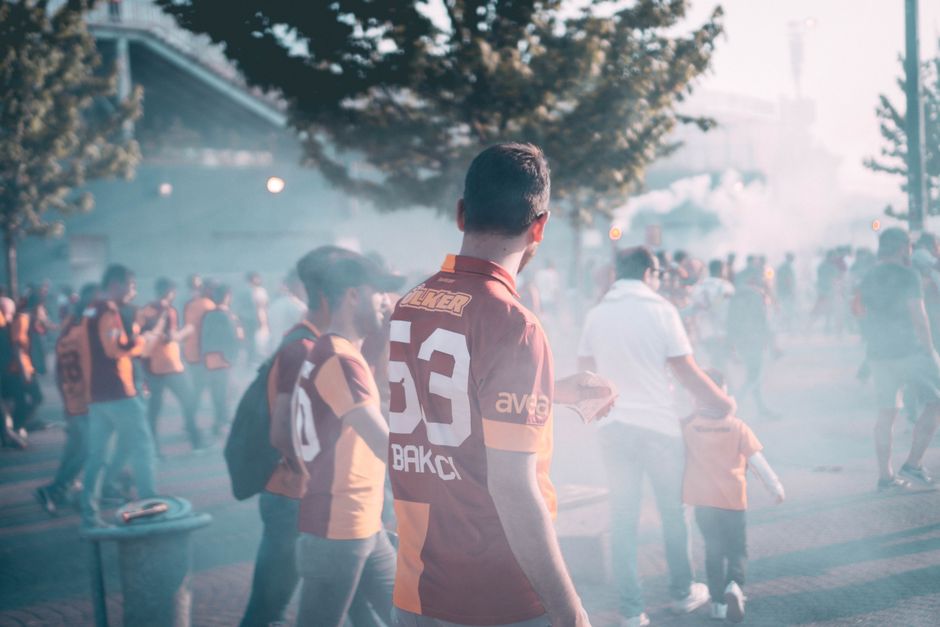
Turkish football has a significant following in the Balkans, particularly in countries like Serbia, Bosnia and Herzegovina, and North Macedonia, where historical and cultural ties create a natural affinity for Turkish clubs. Fans in these regions often rely on TRT Spor for live coverage, especially when local broadcasters do not secure rights to Süper Lig matches. This cross-border viewership underscores the channel’s regional influence and its role in fostering cultural exchange through sports.
Moreover, the presence of Balkan players in Turkish clubs further strengthens this connection. Athletes from Serbia, Bosnia, and other neighboring countries have become integral parts of teams like ÜSK and Trabzonspor, drawing attention from their home countries. TRT Spor’s coverage of these players’ performances helps maintain their visibility and popularity among Balkan audiences. The channel’s English-language highlights and social media presence also cater to international fans, expanding its reach beyond the Turkish-speaking world.

As the 2026 season progresses, TRT Spor’s ability to adapt to digital trends while maintaining its core broadcasting standards will be critical. The channel’s success in balancing public service obligations with commercial viability will determine its future trajectory. For Balkan and international audiences, TRT Spor remains a vital source of Turkish sports content, offering unparalleled access to one of Europe’s most passionate football cultures. Fans should watch for further digital innovations and potential changes in broadcasting rights that could reshape how Turkish sports are consumed globally.



Comments