


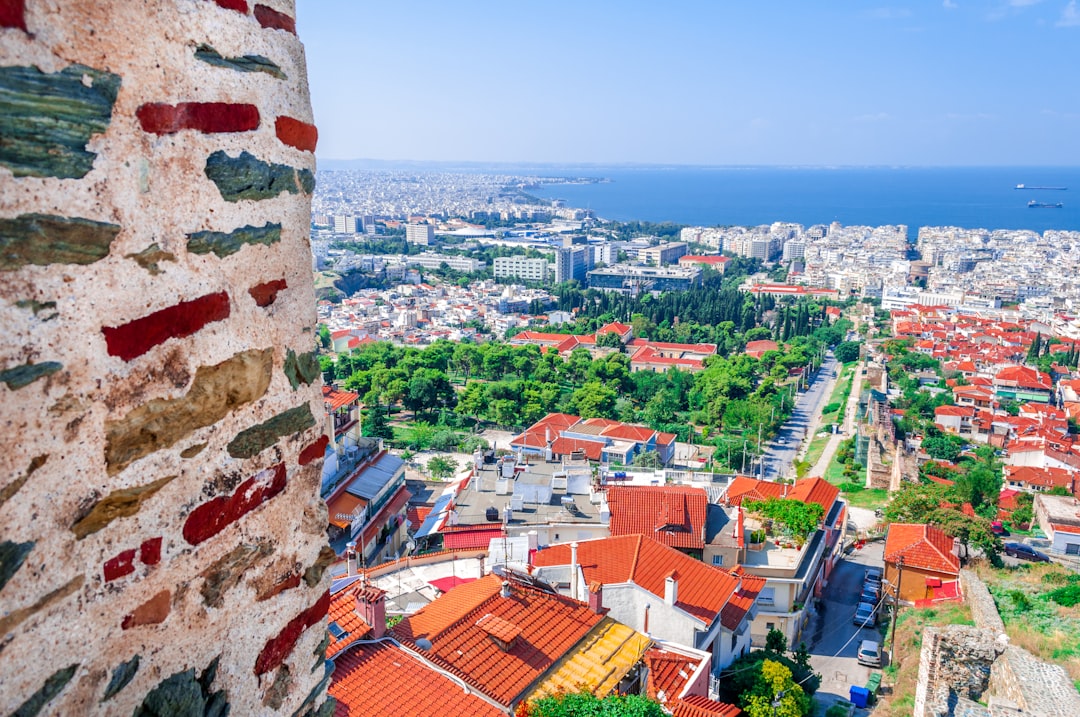
The construction of the Thessaloniki Metro has entered a critical phase of development, signaling a major shift in urban mobility for Greece’s second-largest city. As one of the most ambitious infrastructure projects in the Balkans, the metro system aims to alleviate chronic traffic congestion and reduce pollution in a city that has long struggled with inadequate public transport. Recent updates indicate that tunneling works are progressing rapidly, with contractors focusing on the central stations that will serve as the backbone of the network. For residents and businesses in Macedonia, the promise of a modern, efficient transit system represents a long-awaited modernization effort that could transform daily life and economic activity across the region.
Interest in the project has intensified following recent announcements regarding technical milestones and future expansion plans. While delays have plagued the project since its inception, the current pace of work suggests that the initial phase is on track for a targeted launch date. The metro is not merely a local concern; it is a strategic investment that positions Thessaloniki as a competitive hub within the broader Balkan transportation network. As European funds and local resources converge on this endeavor, the eyes of the Greek public are fixed on whether the promised timeline will hold or if further setbacks are imminent.
Project Background and Construction Progress
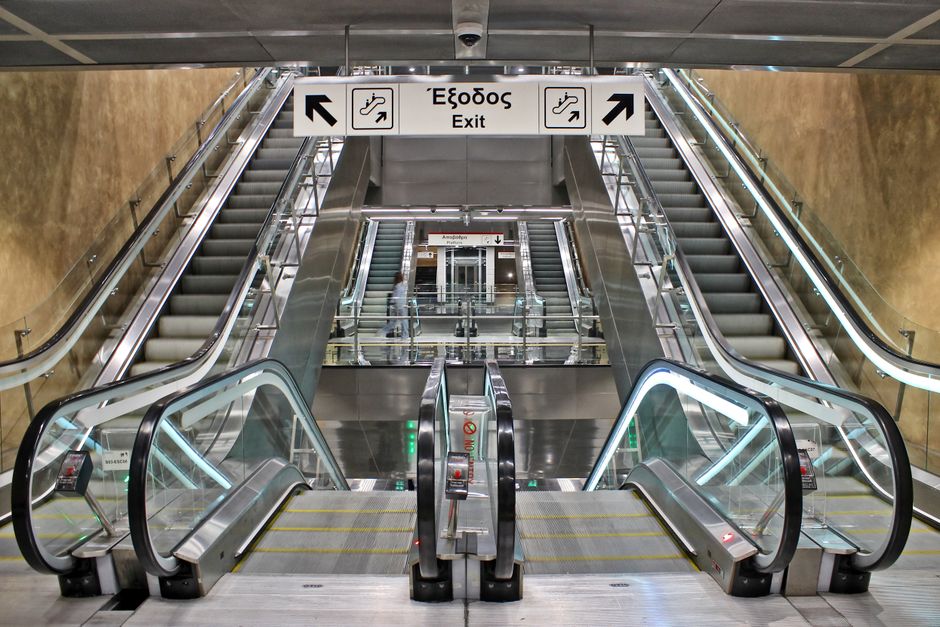
The Thessaloniki Metro project has a complex history, with initial plans dating back decades but actual construction gaining significant momentum only in recent years. The system is designed to feature three lines, with the first phase focusing on Line 1, which will connect the eastern suburbs to the western parts of the city, passing through the historic center. The official project specifications highlight a total length of approximately 13.2 kilometers for the first phase, featuring 18 stations. These stations are being built using advanced tunneling techniques to minimize disruption to the city's delicate archaeological heritage and existing infrastructure.
Recent progress reports indicate that the tunnel boring machines have successfully navigated through challenging geological conditions beneath the city. The construction involves deep excavations in areas with significant historical layers, requiring careful coordination with archaeologists. This meticulous approach has slowed some aspects of the work but ensures that the city's cultural legacy is preserved. The current focus is on the completion of the central stations, which are the most complex due to their depth and proximity to major thoroughfares. Contractors are working around the clock to meet the ambitious schedule set by the Hellenic Metro authority.
The financial aspect of the project is also a key component of its background. Funded through a combination of Greek state budget allocations and European Union grants, the metro represents a significant capital investment in regional infrastructure. The involvement of international engineering firms and local construction companies has created a collaborative environment aimed at delivering high-quality results. Despite previous controversies and accusations of mismanagement, the current administration has emphasized transparency and strict adherence to technical standards to restore public confidence in the project's viability and long-term sustainability.

Economic Impact and Urban Transformation
The completion of the Thessaloniki Metro is expected to have a profound impact on the local economy and urban landscape. By providing a reliable and fast alternative to private cars, the metro will significantly reduce traffic jams that currently cost the city billions in lost productivity annually. Improved accessibility is likely to boost commercial activity in previously underserved areas, encouraging business development along the metro lines. Real estate values near station entrances are already showing signs of appreciation, reflecting investor confidence in the future convenience and connectivity these locations will offer.
Environmental benefits are another significant aspect of the project. Thessaloniki has faced increasing pressure to meet European Union air quality standards, and the metro is seen as a crucial tool in reducing vehicular emissions. By shifting a substantial portion of commuters from cars to public transport, the city can lower its carbon footprint and improve overall air quality. This aligns with broader regional trends in the Balkans, where major cities are investing in sustainable transport solutions to combat pollution and enhance livability. The metro will also integrate with existing bus and rail networks, creating a cohesive multimodal transport system.
Furthermore, the project is expected to create thousands of jobs during the construction phase and provide permanent employment opportunities in operations and maintenance once the system becomes operational. The ripple effects will extend to local businesses, which will benefit from increased foot traffic and improved logistics. For the wider Balkan region, the successful implementation of the Thessaloniki Metro could serve as a model for other cities facing similar urban challenges, demonstrating how strategic infrastructure investment can drive economic growth and social progress.

Balkan Context and Future Expansion
Within the broader Balkan context, the Thessaloniki Metro is part of a regional trend toward modernizing urban infrastructure. Cities like Belgrade, Sofia, and Bucharest have also invested heavily in metro systems to support their growing populations and economic ambitions. Thessaloniki’s project is particularly significant due to the city's role as a key logistics hub connecting Southeast Europe with the rest of the continent. The city’s strategic location on the Aegean Sea and its proximity to major transport corridors make it a vital node in the regional network. A modern metro system enhances this connectivity, facilitating smoother movement of people and goods.
Future expansion plans for the metro include extending Line 1 further west and east, as well as developing Lines 2 and 3 to cover additional neighborhoods and connect key institutions such as the university and the port. These extensions are designed to ensure that the metro serves a maximum number of residents and visitors, promoting equitable access to urban amenities. The integration of the metro with the new Port of Thessaloniki developments is also a priority, aiming to streamline logistics and boost trade efficiency. This holistic approach underscores the project's importance beyond mere commuter convenience.
As the opening date approaches, attention will turn to the operational readiness of the system, including staff training, safety protocols, and fare integration. The success of the Thessaloniki Metro will depend not only on its physical completion but also on its ability to attract riders and provide a seamless user experience. For Balkan audiences, the project represents a symbol of progress and modernization, highlighting the region's ongoing efforts to bridge the gap with Western European standards of urban living. The next few years will be critical in determining whether the metro can fulfill its promise and become a cornerstone of Thessaloniki’s future.



Comments