


The Viral Cycle of the Adriatic Coast
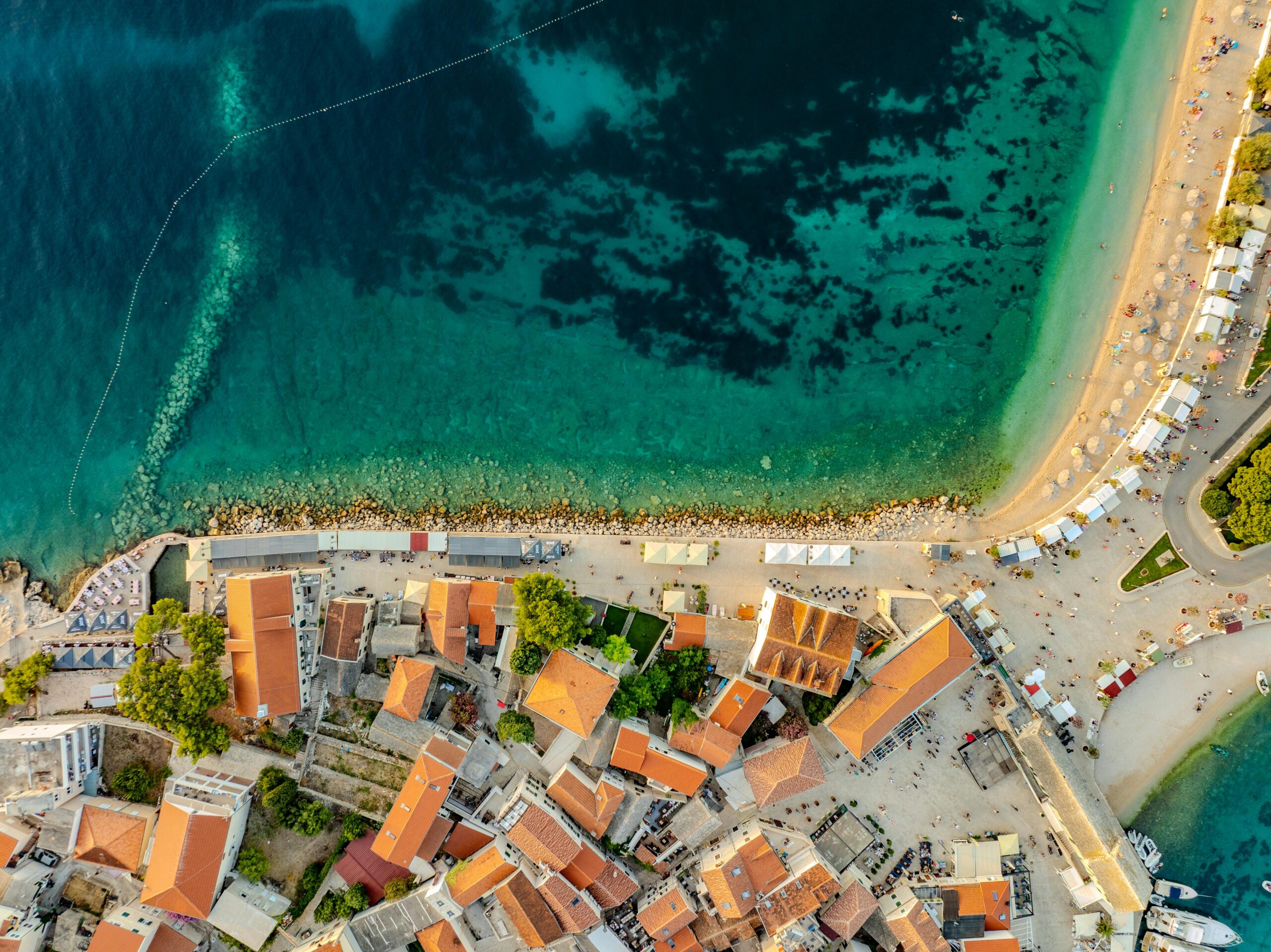
On May 28, 2026, Croatia’s tourism landscape is once again grappling with the double-edged sword of digital fame. While the nation boasts globally recognized shores, its secluded coves and hidden bays are trending across TikTok at an unprecedented rate. What was once a slow process of discovery for travelers seeking isolation has accelerated into a rapid-fire cycle of exposure. Within days, and sometimes hours, an idyllic, empty beach can transform into a crowded scene filled with visitors, drones, and colorful umbrellas.
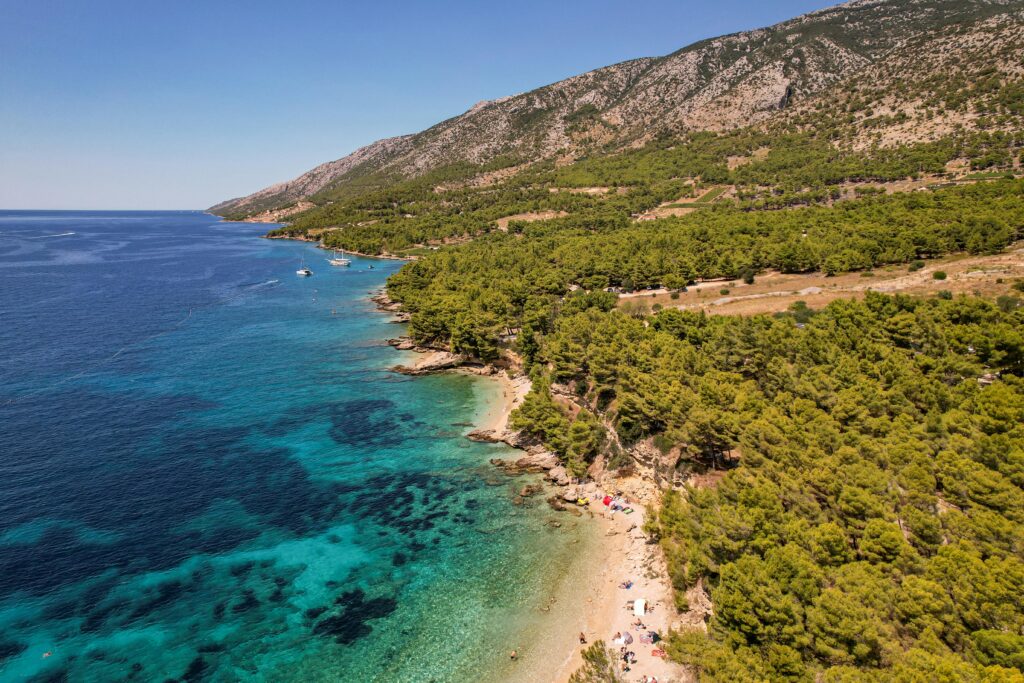
Social media algorithms are fundamentally reshaping how tourists experience the Adriatic Sea. A single viral post can thrust a previously unknown location into the global spotlight, attracting millions of viewers. This phenomenon is particularly potent in Croatia due to the country’s striking coastal aesthetics. Turquoise waters, rugged cliffs, and stone villages create visually perfect content for short-form video platforms. Consequently, many of these locations are physically small and ecologically fragile, lacking the infrastructure to handle sudden surges in visitor numbers.

Infrastructure Strains and Commercial Adaptation
When a beach goes viral, local communities often face immediate logistical challenges. Parking shortages, waste management crises, and traffic congestion can emerge within a single season. Small island villages, in particular, struggle to accommodate the influx of tourists drawn by online content. Locals report that the atmosphere of their communities has shifted dramatically, with quiet natural spaces turning into busy filming backdrops.
Despite these challenges, the tourism industry is quickly adapting. Restaurants, bars, and accommodation providers are increasingly designing their spaces with "Instagrammability" in mind. The commercial value of viral exposure is undeniable, offering a form of free, global advertising that traditional marketing cannot match. This shift has altered how many coastal businesses operate, prioritizing visual appeal to attract the younger demographic that relies on TikTok and Instagram Reels over traditional travel guides.
Environmental and Cultural Concerns
The environmental consequences of this trend are a growing concern for conservationists and residents alike. Overcrowding puts pressure on sensitive ecosystems, leading to erosion and pollution in areas that were previously protected by their obscurity. There is also a cultural dimension to this shift. Critics argue that viral tourism encourages a superficial engagement with destinations, where the goal is to capture a photo rather than experience the local culture and natural beauty.
While the economic benefits for smaller destinations are significant, the long-term sustainability of this model remains uncertain. As more hidden gems are discovered and shared online, the very qualities that made them attractive—their seclusion and tranquility—are at risk of being lost. The challenge for Croatian authorities and local communities is to balance the economic gains of digital tourism with the need to preserve the environmental and cultural integrity of their coastal heritage.




fenerbahce were miles better this season tbh. honestly didn't see that coming lol. croatia beaches rn are just parks lol