



Residents of Athens and the wider Attica region have been subjected to a pervasive, pungent odor for nearly a week, sparking widespread concern and social media speculation. The **mystery smell**, described by locals as resembling rotten eggs or burning rubber, has now been officially traced to a specific industrial source. The **Hellenic Environment Ministry** confirmed that the odor originates from a chemical leak at a facility in the industrial zone of **Kifisia**, north of the capital. This development resolves days of uncertainty for hundreds of thousands of residents who reported the smell across multiple neighborhoods, from the city center to the coastal suburbs.
The incident highlights the ongoing vulnerability of **Athens** to industrial pollution and the challenges faced by authorities in monitoring air quality in real-time. As temperatures rise, such events become increasingly problematic for public health, particularly for individuals with respiratory conditions. The confirmation of the source has led to immediate safety inspections and stricter enforcement measures against the responsible company. For the Balkan audience, this story underscores broader regional issues regarding environmental regulation and urban air quality in major Mediterranean cities.
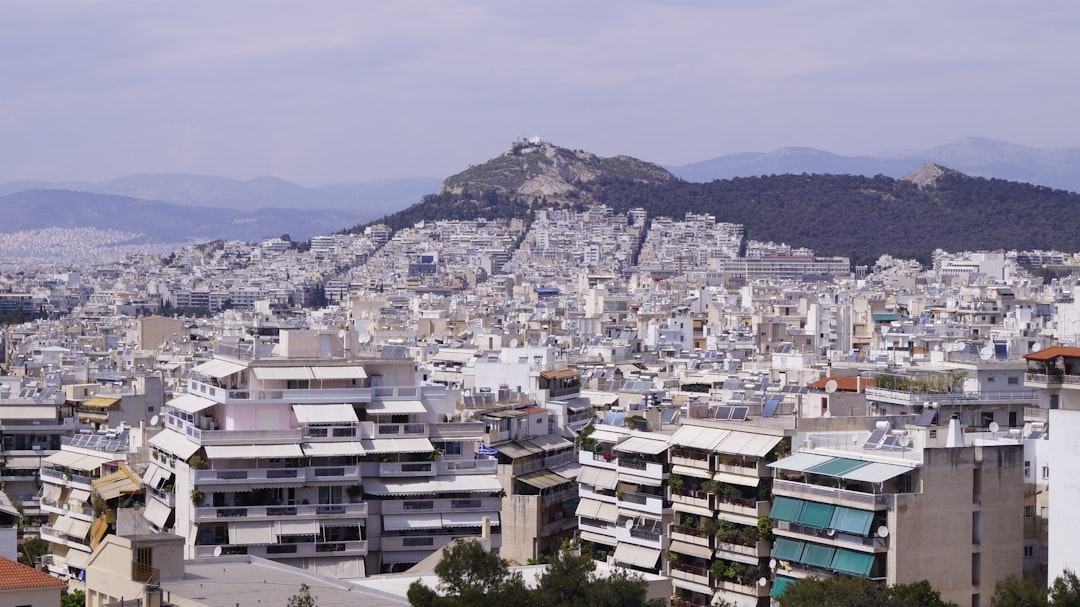
The Source of the Stench
After days of complaints and scientific analysis, officials identified the culprit as a leak from a **chemical production plant** operating in the Kifisia industrial area. The substance responsible is believed to be **hydrogen sulfide**, a gas known for its distinct rotten egg smell. While the concentrations detected have not reached levels deemed immediately dangerous to life, they are sufficient to cause significant discomfort and nausea. The plant, which has been operational for years, reportedly experienced a malfunction in its containment systems, allowing the gas to escape into the atmosphere.
The **Attica Regional Authority** mobilized emergency response teams to contain the leak and prevent further emissions. Air quality monitoring stations across the region were activated to track the spread of the gas. Data from these stations showed elevated levels of sulfur compounds in the northern suburbs of Athens, confirming the direction of the wind and the proximity of the source. The incident has prompted calls for a comprehensive review of safety protocols at all industrial facilities within the Attica basin, which is home to numerous chemical and manufacturing plants.

Impact on Public Health and Daily Life
The persistent odor has had a tangible impact on daily life in **Athens**. Many residents have kept their windows closed, relying on air conditioning to avoid the smell. Schools in affected areas reported an increase in student absences due to headaches and nausea. Local hospitals noted a slight uptick in visits from patients complaining of respiratory irritation. The **Hellenic National Public Health Organization** issued advisories recommending that vulnerable groups, including the elderly and children, limit outdoor activities until the air quality returns to normal levels.
Social media platforms were flooded with posts from citizens sharing their experiences and demanding answers. The hashtag **#AthensSmell** trended locally, with users documenting the intensity of the odor in different parts of the city. This public pressure played a significant role in accelerating the government's response. The incident has reignited debates about the location of industrial zones in relation to residential areas. Critics argue that current zoning laws are outdated and fail to protect residents from the health risks associated with industrial pollution.
Balkan Context and Regional Implications
The Athens smell incident is not an isolated event in the **Balkans**. Similar episodes of industrial pollution have affected other major cities in the region, including **Belgrade**, **Sofia**, and **Bucharest**. In recent years, these cities have faced criticism for poor air quality, often exacerbated by industrial emissions and traffic congestion. The **World Health Organization** has repeatedly highlighted the health risks associated with air pollution in Southeast Europe, noting that it contributes to thousands of premature deaths annually.
Environmental NGOs across the Balkans are using the Athens incident to push for stricter environmental regulations and better enforcement. Organizations such as **Greenpeace Balkans** and **Friends of the Earth Greece** are calling for increased transparency from industrial operators and greater public access to air quality data. The incident serves as a reminder of the interconnected nature of environmental challenges in the region. Cross-border pollution is a significant concern, as wind patterns can carry pollutants from one country to another, affecting air quality in neighboring states.
Looking ahead, the focus will shift to accountability and prevention. The responsible company faces potential fines and legal action for the environmental damage caused. Authorities are expected to implement stricter monitoring systems to detect leaks early and prevent future incidents. For residents of Athens and other Balkan cities, this event underscores the importance of environmental awareness and advocacy. As industrial activity continues to grow in the region, balancing economic development with public health and environmental protection remains a critical challenge for policymakers and citizens alike.



Comments