


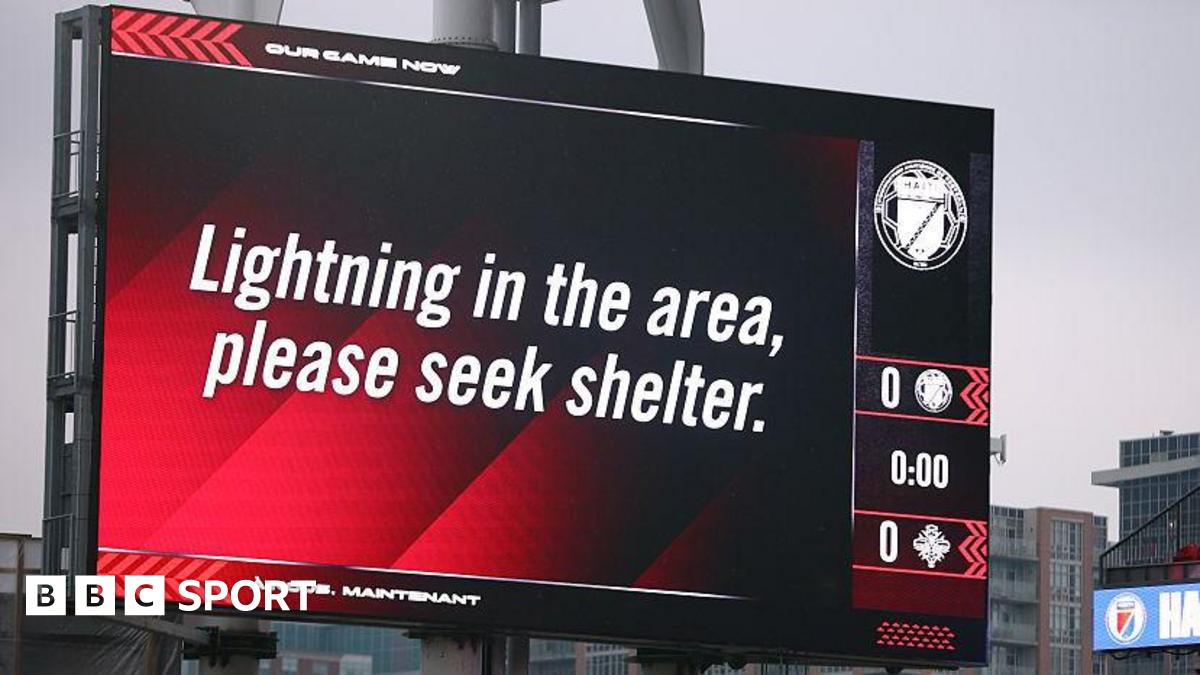
They say you can't schedule a storm, but the 2026 World Cup is about to find out. With host cities across the United States, Canada, and Mexico sitting right in the bullseye of peak thunderstorm season, the beautiful game faces an ugly adversary: nature itself. Remember last summer? Chelsea boss Enzo Maresca called it a "joke" when his Club World Cup tie against Benfica was halted by lightning in Charlotte. That match lasted four hours and 38 minutes. Six games total were derailed by electrical fury. The stage is set for history to repeat.
The Eight-Mile Rule of Terror
Fifa doesn't call the shots here. Local authorities hold the gavel, and in the US, the National Oceanic and Atmospheric Administration (NOAA) is the referee. The rule is simple, brutal, and unforgiving: if lightning strikes within eight miles of a stadium, play stops. Period. Imagine that distance in the UK. Lightning in Rochdale could pause a game at Old Trafford. A storm over the Tottenham Hotspur Stadium might halt action at Stamford Bridge. Safety isn't a suggestion; it's the law. Players flee the pitch. Fans scramble for cover. A mandatory 30-minute clock starts ticking. But here’s the kicker: every single lightning strike resets the clock. Thirty minutes. Again. And again.
When the Whistle Never Blows
What happens when the sky won't clear? There is no maximum wait time. No cut-off. The clock is the only guide, but player safety and fan travel are paramount. Look at 2015: FC Dallas versus Toronto FC was suspended for over three hours, finishing at 1:00 AM. If conditions remain hostile, Fifa can abandon the match. The rules are clear: the game resumes on a future date, restarting at the exact minute of the stoppage. If it halted in the 76th minute, players return for 14 minutes of destiny. The schedule is tight, so expect a next-day resumption. Cities like Atlanta, Miami, Houston, and Dallas are ground zero. The thunder is rolling. The lightning is flashing. Are you ready to watch football, or are you ready to wait?
fenerbahce were miles better this season tbh. honestly didn't see that coming lol. Djokovic just different class rn...