


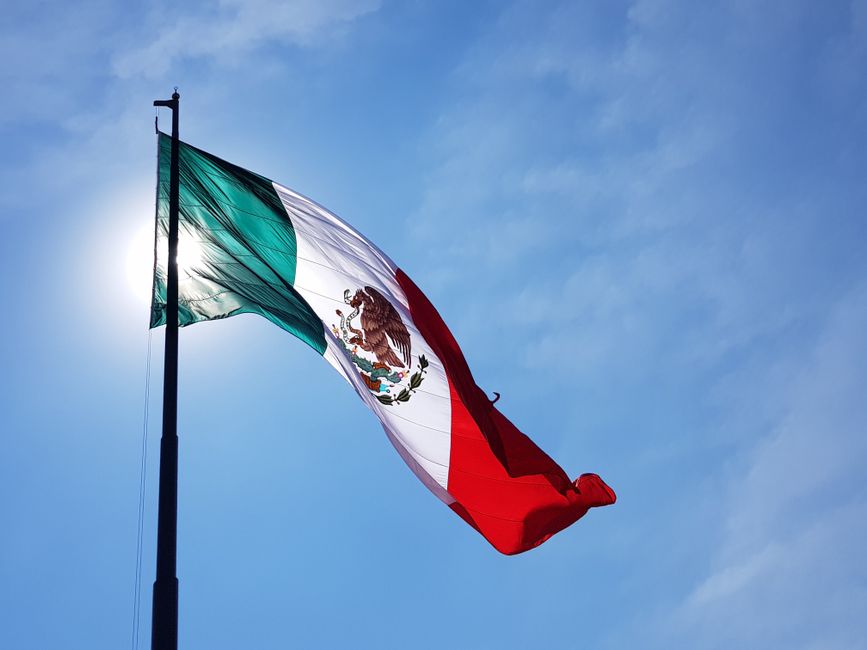
In a dramatic turn of events that sent shockwaves through the global football community, Mexico secured a vital victory against South Korea in their Group A World Cup encounter. The match, played under intense scrutiny and high stakes, showcased the tactical resilience of the Mexican side and exposed the vulnerabilities in the South Korean defense. This result not only shifted the dynamics within Group A but also highlighted the growing competitive parity in international football. For Balkan audiences, who follow the World Cup with fervor, this match serves as a reminder of the unpredictable nature of the tournament and the importance of tactical discipline.
The significance of this match extends beyond the immediate result. It represents a clash of two distinct footballing philosophies: the physical, direct approach of Mexico versus the technical, possession-based style of South Korea. The outcome has far-reaching implications for both teams' chances of advancing to the knockout stages. For Mexico, this win is a morale booster and a statement of intent. For South Korea, it is a wake-up call, forcing them to reassess their strategy and approach for the remaining group matches.
The Balkan connection to this match lies in the shared passion for football and the appreciation of tactical nuances. Fans in Serbia, Croatia, and other Balkan nations have a deep understanding of the importance of defensive solidity and counter-attacking prowess, qualities that were on full display by Mexico. The match also serves as a case study for coaches and analysts in the region, offering insights into how to overcome a technically superior opponent through organization and discipline.
Tactical Breakdown: How Mexico Overcame South Korea
Mexico's victory was built on a foundation of defensive organization and rapid counter-attacks. From the outset, the Mexican team committed to a compact defensive shape, denying South Korea space in the final third. This approach forced the South Koreans to play wide, where they were less effective. Mexico's midfield, led by Andrés Guardado, played a crucial role in breaking up South Korean possession and initiating quick transitions.
The turning point in the match came when Mexico capitalized on a defensive error by South Korea. A swift counter-attack, orchestrated by Hirving Lozano, resulted in a well-taken goal that put Mexico ahead. This goal not only changed the momentum of the game but also exposed the fragility of the South Korean defense under pressure. Mexico's ability to exploit transitional moments was a key factor in their success.
South Korea, on the other hand, struggled to break down Mexico's defense. Despite dominating possession, they lacked the cutting edge in the final third. Their reliance on wide play was neutralized by Mexico's full-backs, who tracked back diligently and closed down space. The South Korean midfield, led by Son Heung-min, was unable to create enough clear-cut chances, and their attacking players were often isolated against Mexico's disciplined defensive line.
For Balkan coaches, this match offers valuable lessons in defensive organization and counter-attacking football. The Mexican approach demonstrates how a well-drilled defensive unit can neutralize a technically superior opponent. The emphasis on compactness, discipline, and rapid transitions is a tactical blueprint that can be applied at various levels of the game. Balkan football, with its tradition of strong defensive play, can draw inspiration from Mexico's performance.
Implications for Group A and the Knockout Stages
The result of this match has significant implications for the standings in Group A. Mexico's victory moves them up the table and puts them in a strong position to advance to the knockout stages. With three points in the bank, they can afford to be more aggressive in their remaining matches, knowing that they have a safety net. This psychological advantage can be crucial in high-pressure situations.
For South Korea, the loss is a setback but not a disaster. They still have opportunities to advance, but they will need to win their remaining matches convincingly. The loss has exposed areas for improvement, particularly in defense and final-third efficiency. South Korea's coach will need to make tactical adjustments and inspire his team to perform at a higher level. The pressure is now on South Korea to respond and prove that they can compete at the highest level.
The dynamic within Group A has shifted, and the remaining matches will be crucial in determining the final standings. Mexico's victory has set the tone for the group, and other teams will need to take notice. The match also highlights the importance of every game in the World Cup, where a single result can have far-reaching consequences. For Balkan fans, the group stage is a period of intense anticipation, as they watch their favorite teams fight for a place in the knockout rounds.
Looking ahead, the knockout stages will be a test of nerve and tactical flexibility. Mexico's victory gives them confidence, but they will face even tougher opponents in the later stages. South Korea, if they advance, will need to address their defensive vulnerabilities and improve their attacking output. The World Cup is a tournament of surprises, and this match is a testament to the unpredictability of the competition. Balkan audiences, with their deep knowledge of football, will appreciate the nuances of this match and its implications for the tournament.
Why This Match Matters for Balkan Football Fans
For Balkan football fans, this match is more than just a game between two international teams. It is a reflection of the broader trends in global football and the importance of tactical discipline. Balkan football has a rich tradition of defensive solidity and counter-attacking prowess, qualities that were on full display by Mexico. The match serves as a reminder that technical superiority alone is not enough to succeed at the highest level.
The match also highlights the growing competitiveness of international football. Teams from different confederations are increasingly adopting similar tactical approaches, and the margins for error are shrinking. This trend is evident in the performances of both Mexico and South Korea, who both brought high levels of organization and intensity to the pitch. For Balkan coaches and analysts, this match offers valuable insights into the evolving landscape of global football.
Furthermore, the match underscores the importance of mental resilience in high-pressure situations. Mexico's ability to remain composed and disciplined under pressure was a key factor in their success. This mental strength is a quality that is highly valued in Balkan football, where players are often expected to perform under intense scrutiny. The match serves as a case study in how mental resilience can be a decisive factor in high-stakes games.
In conclusion, the Mexico vs South Korea match is a significant event in the World Cup, with implications for both teams and the broader tournament. For Balkan audiences, it is a reminder of the importance of tactical discipline, defensive organization, and mental resilience. The match offers valuable lessons for coaches and analysts in the region, and it highlights the growing competitiveness of international football. As the World Cup progresses, Balkan fans will continue to follow the action with keen interest, appreciating the nuances of each match and the stories that unfold on the pitch.
Comments