


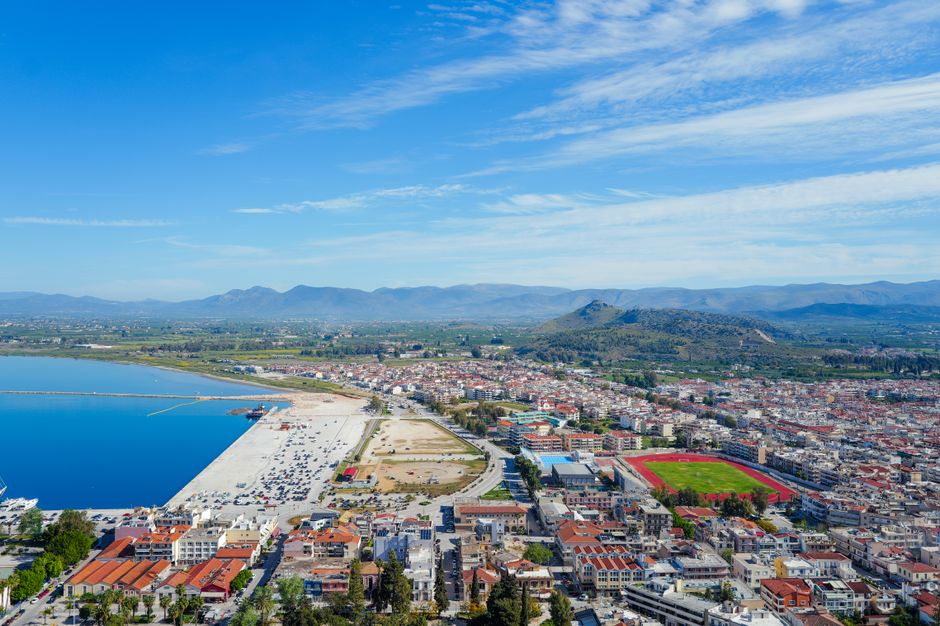
In a sudden and alarming development that has shaken the community, three residents of Larissa, the capital of the Thessaly region in central Greece, passed away within a single 24-hour period this week. The rapid succession of deaths has triggered an immediate response from local health authorities and municipal officials, who are scrambling to determine if the cases are linked by a common cause, such as a contagious illness, environmental factor, or coincidental timing. For a city of approximately 140,000 inhabitants, the event has generated significant anxiety and speculation among residents, prompting urgent calls for transparency from the regional health directorate.
The incident has placed the spotlight on public health infrastructure in Thessaly, a region that has faced various challenges in recent years, including severe flooding and agricultural crises. While initial reports do not specify the exact medical causes of death, the speed at which the news spread through local media and social networks underscores the fragility of community trust during health scares. Local hospitals, including the University Hospital of Larissa, have reportedly increased their monitoring protocols, though officials have cautioned against panic until a thorough epidemiological investigation is completed.
Official Response and Health Authority Investigation
Regional health officials have launched a comprehensive investigation to identify any potential connections between the three deceased individuals. According to preliminary statements from the Regional Health Directorate of Thessaly, the cases are being treated with the highest level of scrutiny. Investigators are examining the medical histories, recent travel, and social contacts of the individuals to rule out infectious diseases, including seasonal influenza, respiratory viruses, or other acute conditions that could affect multiple people in a short timeframe.
The Mayor of Larissa has held emergency meetings with health experts to ensure that the public receives accurate and timely information. In a statement released late Thursday, municipal authorities emphasized that there is currently no evidence of a widespread outbreak. However, they acknowledged the public's concern and pledged to provide daily updates as the investigation progresses. The local police have also assisted in gathering information, ensuring that all relevant details are shared with health officials to facilitate a swift and accurate assessment.
Medical experts are particularly focused on determining whether the deaths occurred in different parts of the city or were concentrated in a specific neighborhood or facility. This geographic analysis is critical in identifying potential environmental triggers, such as air quality issues or water contamination, although no such factors have been confirmed. The collaboration between municipal authorities, regional health directors, and national health ministries highlights the seriousness with which the incident is being treated.
Community Reaction and Social Media Impact
The news of the three deaths spread rapidly through social media platforms, where local residents expressed a mix of grief, fear, and confusion. On Facebook groups dedicated to Larissa, thousands of comments have appeared, with many users sharing memories of the deceased and others demanding answers from authorities. The viral nature of the news has led to the circulation of unverified rumors, including claims of a mysterious new virus or poisoning, which health officials have firmly debunked.
Local community leaders and religious figures have called for unity and calm, urging residents to rely on official sources for information. The Metropolis of Larissa organized a memorial service to honor the deceased and provide spiritual support to their families and the broader community. This response reflects the strong social fabric of Thessaly, where community bonds often play a central role in times of crisis.
The incident has also reignited discussions about the adequacy of healthcare resources in the region. Critics argue that the Greek healthcare system, still recovering from the economic crisis of the 2010s, may be vulnerable to sudden health emergencies. Advocacy groups are calling for increased funding for public health surveillance and emergency response capabilities to prevent similar incidents in the future. The emotional toll on the community is palpable, with many residents expressing a desire for greater transparency and accountability from health authorities.
Broader Implications for Public Health in Greece
The situation in Larissa serves as a stark reminder of the importance of robust public health monitoring systems, particularly in regions with limited medical resources. Greece has made significant strides in improving its healthcare infrastructure in recent years, but the incident highlights the need for continued investment in preventive care and rapid response mechanisms. The Greek Ministry of Health has stated that it is monitoring the situation closely and is ready to provide additional support if needed.
Public health experts emphasize that isolated clusters of deaths can occur due to a variety of factors, including seasonal illnesses, pre-existing health conditions, or statistical probability. However, the rapid response in Larissa demonstrates the effectiveness of local health networks in identifying and addressing potential threats. The collaboration between local, regional, and national authorities is a model for how other regions in Greece and the Balkans can handle similar emergencies.
As the investigation continues, the focus remains on providing support to the families of the deceased and ensuring that the community is kept informed. The incident has underscored the resilience of the people of Larissa, who are coming together to support one another during a difficult time. It has also highlighted the critical role of accurate information in preventing panic and maintaining public order. The coming days will be crucial in determining the cause of the deaths and implementing any necessary measures to protect public health.

In the days ahead, residents and international observers will be watching for the final report from the health authorities, which is expected to clarify the circumstances surrounding the deaths. This case may influence future public health policies in Greece, particularly regarding surveillance and emergency response in regional centers. For the people of Larissa, the immediate priority is healing and remembering their lost neighbors, while ensuring that such a tragedy does not happen again. The outcome of this investigation will have lasting implications for how public health crises are managed across the Balkans and beyond.



Comments