


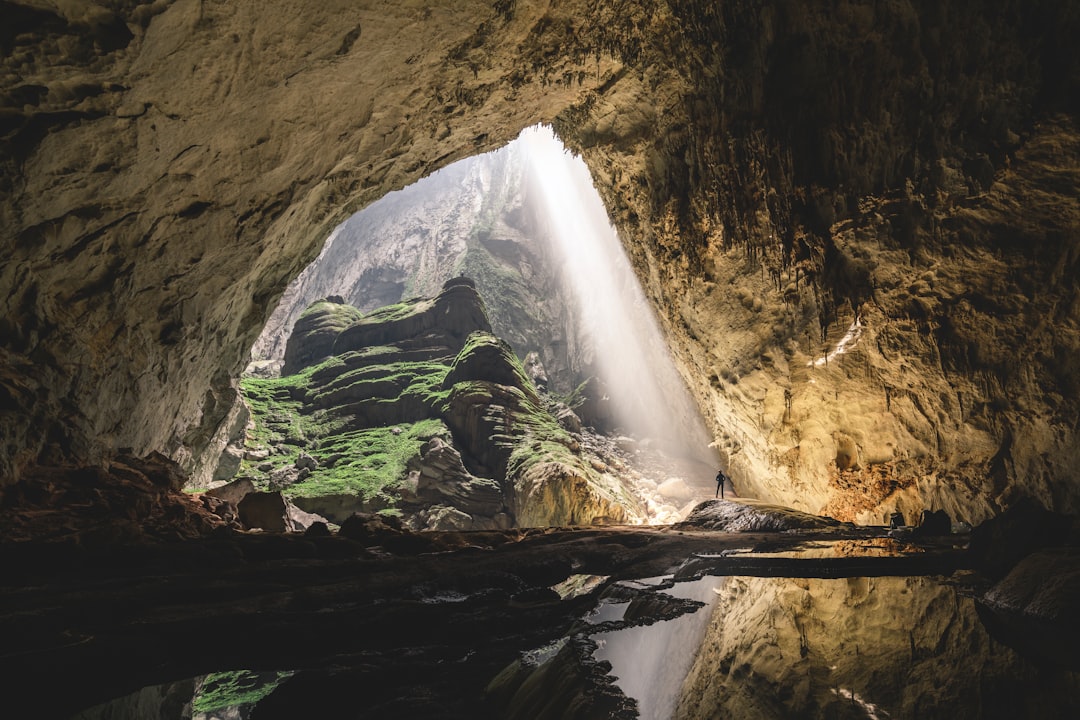
I am standing in the mouth of a cave that feels less like a geological formation and more like the throat of a sleeping titan. The air here in Theth is thin, sharp with the scent of wet limestone and pine resin. My headlamp beam cuts through a darkness so absolute it feels physical, pressing against my chest. Behind me, the village of Theth sleeps under a blanket of stars, but down here, ten meters below the surface, the world is ancient, indifferent, and dripping. I came to the Accursed Mountains for the views, but I stayed for the void. This is not a polished tourist trap; this is raw, jagged earth, and it does not care if you fall.
Albania's karst landscape is a geological nightmare made beautiful. Millions of years of rain dissolving limestone have created a labyrinth of sinkholes, underground rivers, and caverns that twist like intestines. In Theth, these caves are not just holes in the ground; they are the bones of the region. They are where shepherds hid, where water disappears and reappears, and where the silence is so loud it rings in your ears. I'm here to map the dark, to find the specific architecture of these subterranean rooms before the sun burns them off.
History & Identity
The people of Theth have lived with these caves for centuries, not as tourists, but as neighbors. The Accursed Mountains, or Prokletije, are named for the harshness of the terrain and the fierce independence of the clans who once ruled them. For generations, these karst formations provided shelter from raids and storms. The caves were part of the daily rhythm: a place to store cheese, to hide livestock, or to seek refuge during the bloody blood feuds that once defined life in the highlands.
Today, Theth National Park is a protected area, but the identity remains rugged. The villagers still speak of the caves with a mix of reverence and caution. There are stories of underground lakes that swallow hikers, of tunnels that lead to neighboring valleys, and of spirits that guard the deepest chambers. This is not folklore for postcards; it is a cultural memory encoded in the limestone. The caves are the keepers of secrets, and the locals know better than to treat them lightly.
The modern identity of Theth is built on this tension between isolation and accessibility. Once cut off from the rest of Albania by the Greek blockade and later by communist isolationism, Theth was only connected to the main road network in the 1990s. Now, it is a haven for trekkers, but the caves remain wild. There are no gift shops inside, no guided tours with headsets. You go in with your own light, your own shoes, and your own respect for the dark.
Where to Go
Theth Cave — The most accessible of the major caves, located just a short hike from the village center. It is a large, single-chamber cavern with a dramatic entrance. Inside, you will find stalactites and stalagmites that have formed over millennia, creating a natural cathedral of stone. The floor is uneven and slippery, so sturdy boots are mandatory. There is no entry fee, but the hike to the entrance requires a moderate level of fitness. Best visited in the morning when the light is still soft.
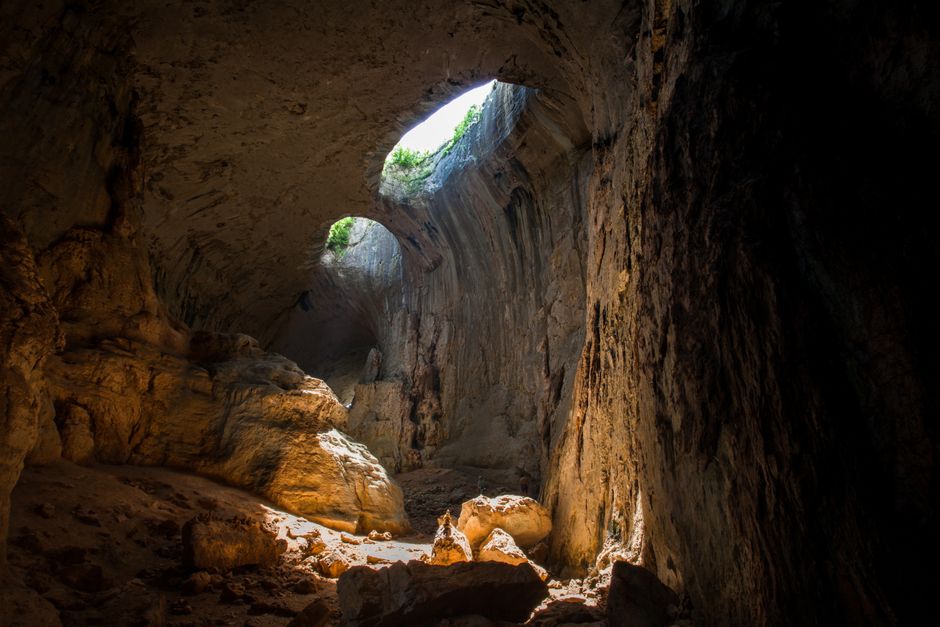
Pasha Cave — Located slightly further from the village, this cave is named after the Ottoman pashas who once used the region for hunting. It is smaller than Theth Cave but more intricate, with narrow passages and hidden chambers. The acoustics inside are remarkable; a whisper can echo like a shout. It is a favorite spot for photographers looking for intimate, detailed shots of the karst formations. The entrance is partially shaded, so it stays cool even in summer.
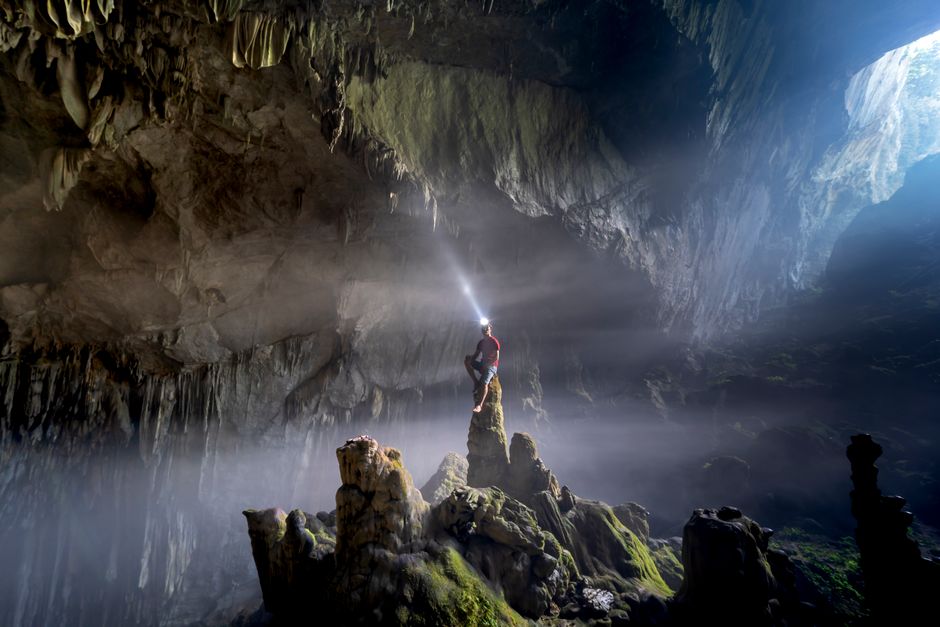
Ura e Kalit (The Wolf's Bridge) — Not a cave, but a geological wonder that complements the cave experience. This natural stone bridge arches over a deep gorge, with waterfalls cascading from its sides. The hike to the bridge takes you through dense forests and along steep cliffs, offering panoramic views of the Valbona Valley in the distance. It is a testament to the erosive power of water in the karst landscape. The hike is challenging but rewarding, with some of the best photo opportunities in the park.
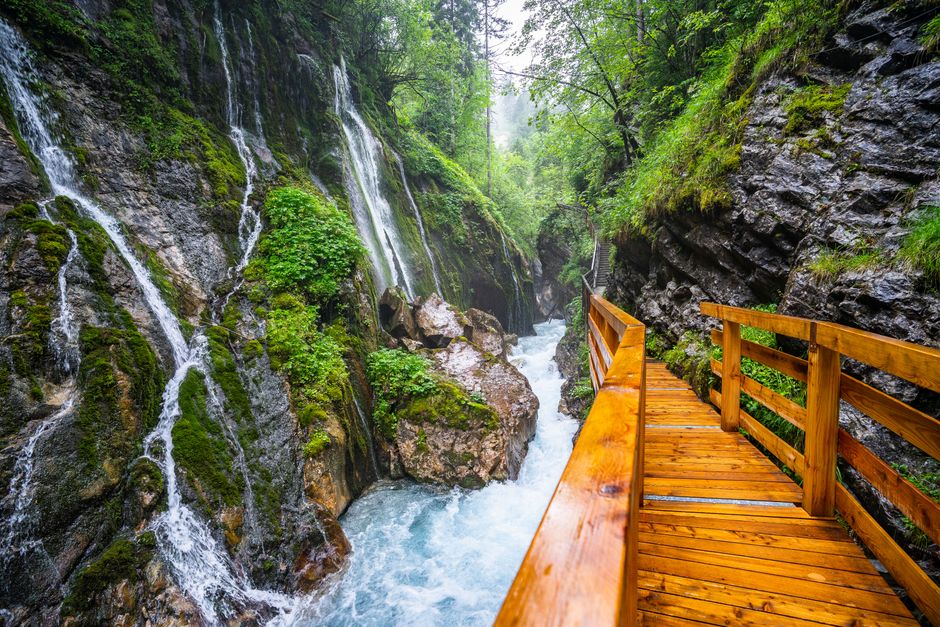
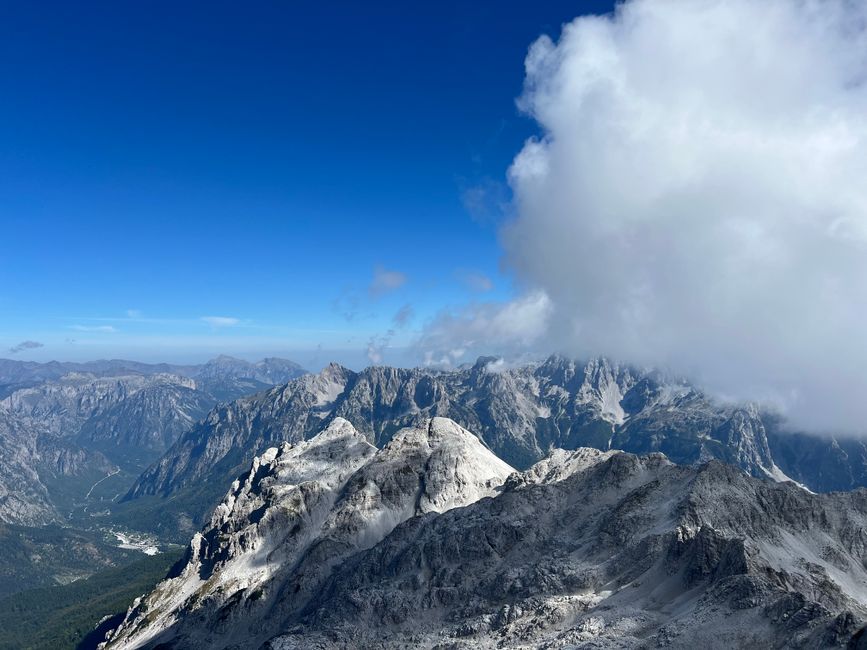
Maja e Thatë — For those who want to see the caves from above, this peak offers a bird's-eye view of the entire Theth valley. The hike is strenuous and requires a full day, but the reward is a 360-degree panorama of the Accursed Mountains. From here, you can see the sinkholes and underground rivers that feed the caves below. It is a humbling perspective, reminding you of the scale of the karst system. Start early to avoid afternoon clouds.
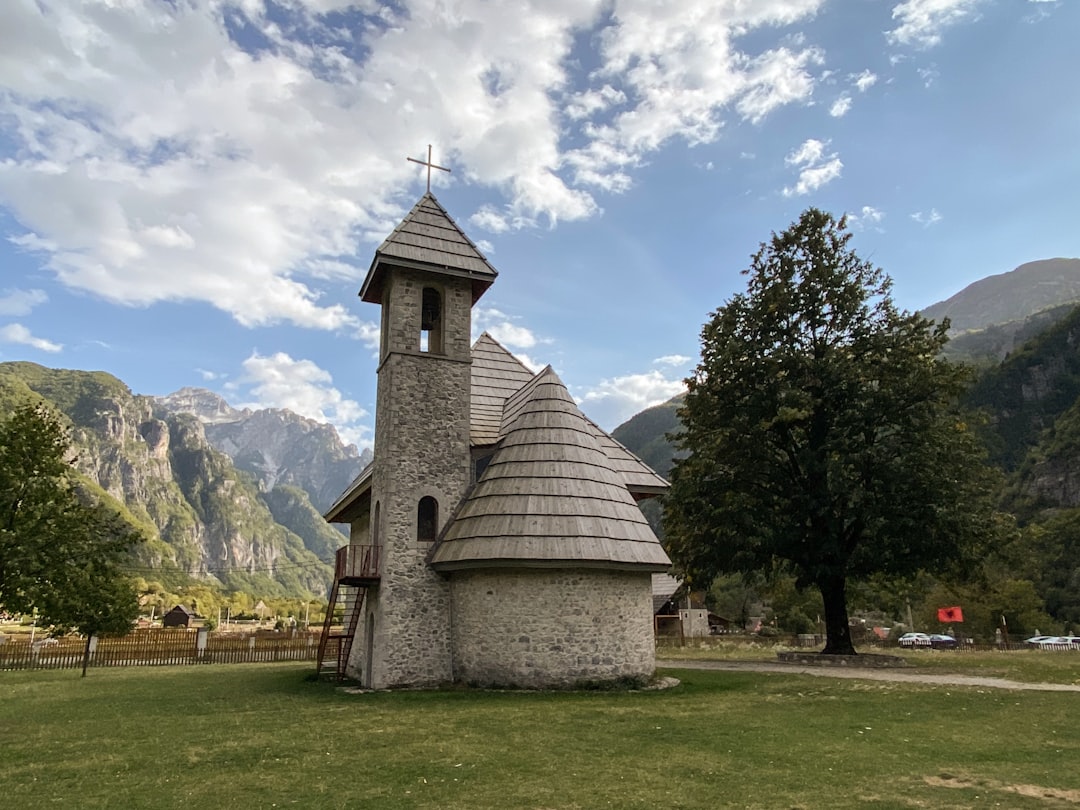
The Church of the Assumption — A small, stone church perched on a hill overlooking the village. It is a quiet place for reflection after a day of exploring the caves. The architecture is simple, with frescoes that have faded with time. The view from the churchyard is spectacular, looking down on the traditional stone houses of Theth. It is a reminder of the spiritual life that has persisted in this remote region for centuries.
What to Eat & Drink
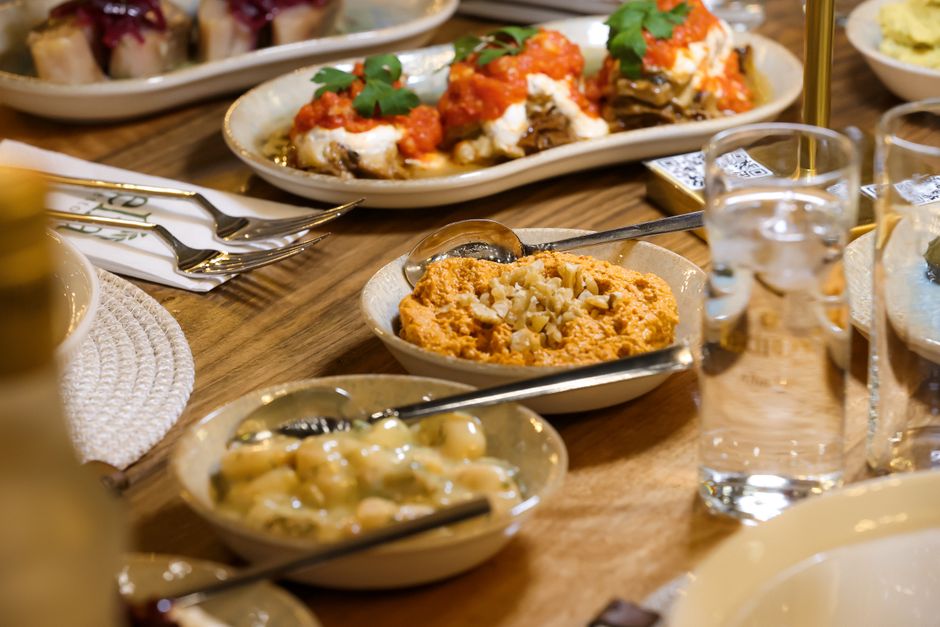
After a day of crawling through limestone, you will need fuel. The food in Theth is hearty, designed to keep you warm in the high mountains. Byrek — a flaky pastry filled with cheese, spinach, or meat — is a staple, costing around 2-3 EUR per piece. Trilece — a three-milk cake soaked in syrup — is a sweet treat that pairs well with strong coffee, 3-4 EUR. Sharrë — a type of cured meat similar to prosciutto — is often served as an appetizer, 4-5 EUR per plate.
For a full meal, try Qengja me Fasule (lamb with beans), a slow-cooked stew that is rich and filling, 8-10 EUR per serving. Salatë Shqiptare (Albanian salad) with fresh tomatoes, onions, and feta cheese is a refreshing side, 3-4 EUR. Most restaurants in Theth are small, family-run establishments where the food is prepared fresh. The prices are reasonable, but cash is king; cards are rarely accepted.
The main dining area is along the main street of Theth, where several restaurants line the road. Restaurant Theth and Restaurant Udhë are popular choices, offering both local dishes and international options. For a budget meal, grab a qepë (onion bread) from a local bakery, 1-2 EUR, or a plakë (flatbread) with cheese, 2-3 EUR. There are no fast-food chains here; every bite is connected to the land.
Nightlife
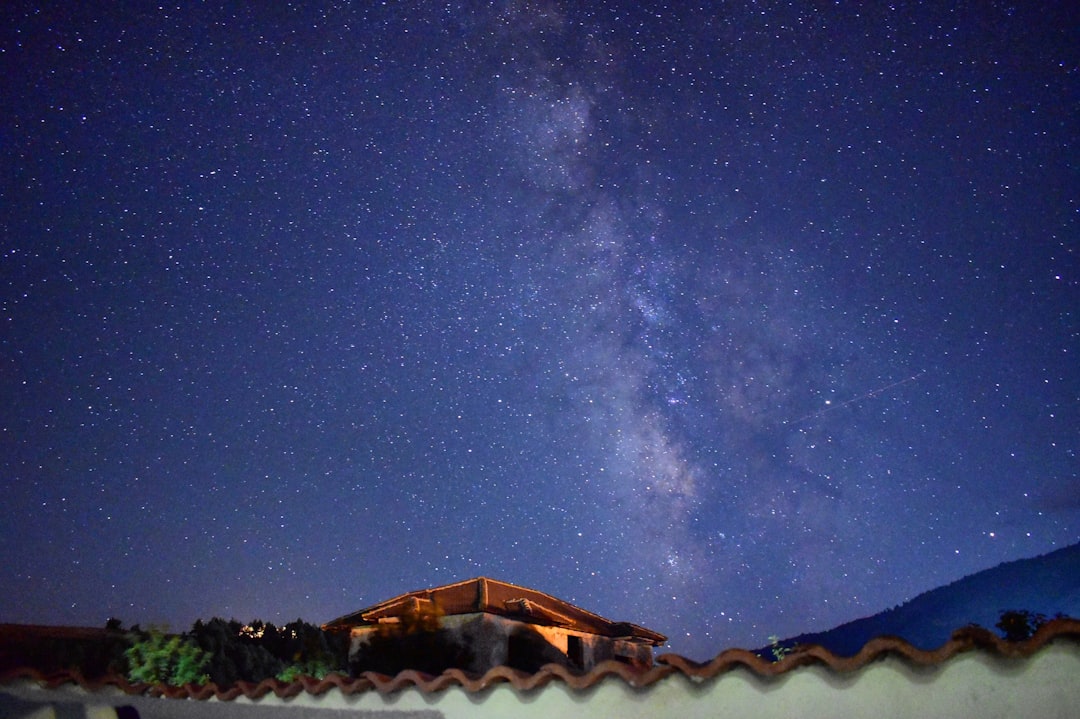
Nightlife in Theth is not about clubs or loud music. It is about conversation, music, and the stars. The main social hub is the village square, where a few bars and cafes stay open late. Bar Theth is a popular spot for a beer or a raki (Albanian brandy), 2-3 EUR per drink. The atmosphere is relaxed, with locals and travelers mixing under the open sky.
Some restaurants offer live folk music in the evenings, featuring traditional instruments like the çifteli and lahuta. The music is haunting and beautiful, echoing off the stone walls. It is a chance to connect with the cultural heritage of the region. There are no cover charges, but tipping is appreciated. The night ends early, usually by midnight, as the mountains demand rest.
Getting There & What to Expect
Getting to Theth is an adventure in itself. The nearest major city is Shkodër, about 80 km away. From Shkodër, you can take a minibus to Theth, which takes about 3-4 hours depending on the road conditions. The cost is around 5-7 EUR per person. The road is unpaved and winding, so motion sickness medication is recommended. Alternatively, you can hike the Theth-Valbona trail, a 15 km trek that takes 6-8 hours, connecting two of the most beautiful valleys in Albania.
Accommodation in Theth is mostly in guesthouses and small hotels. Budget options include dorm beds in hostels, 15-25 EUR per night, while mid-range rooms with private bathrooms cost 30-50 EUR per night. Meals are typically included in the price of accommodation, which is a convenient option for hikers. The best months to visit are May to October, when the weather is mild and the trails are accessible. Winter brings heavy snow, isolating the village completely.
Search accommodation in Theth on Booking.com →
Into the Dark
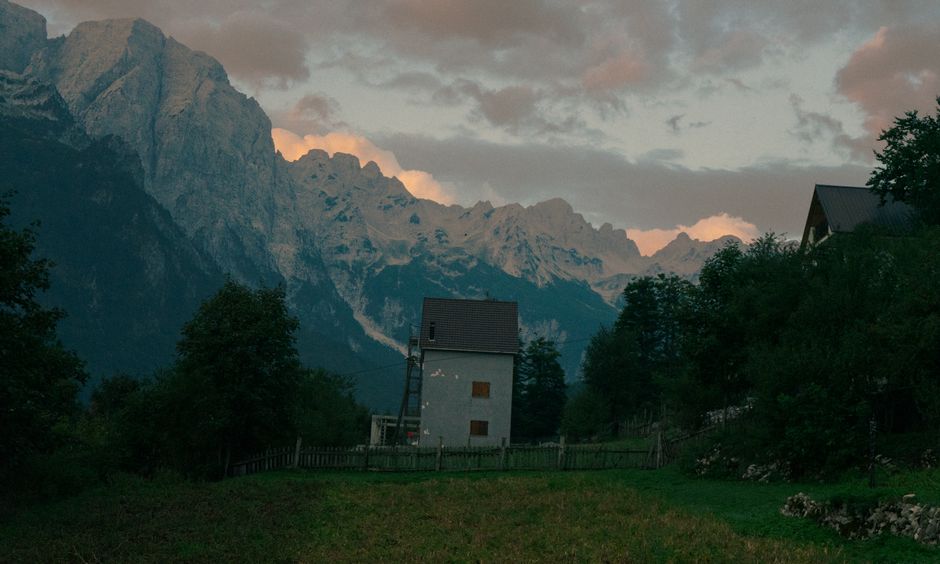
I emerge from the cave as the sun begins to rise, painting the sky in shades of orange and purple. The air is cold, but my blood is warm from the exertion. The cave is behind me, a dark mouth in the side of the mountain, but it has left its mark. I feel smaller, humbler, more connected to the earth. In Theth, the caves are not just geological features; they are mirrors. They reflect your fears, your curiosity, and your resilience. I came looking for rocks, but I found myself.
Comments