


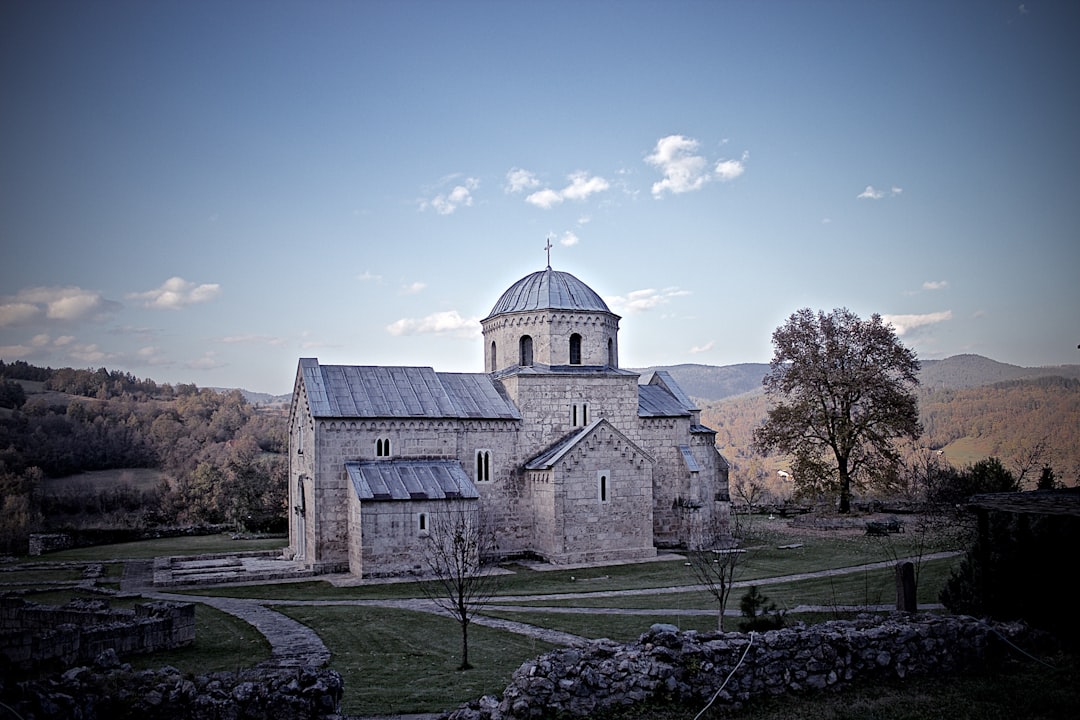
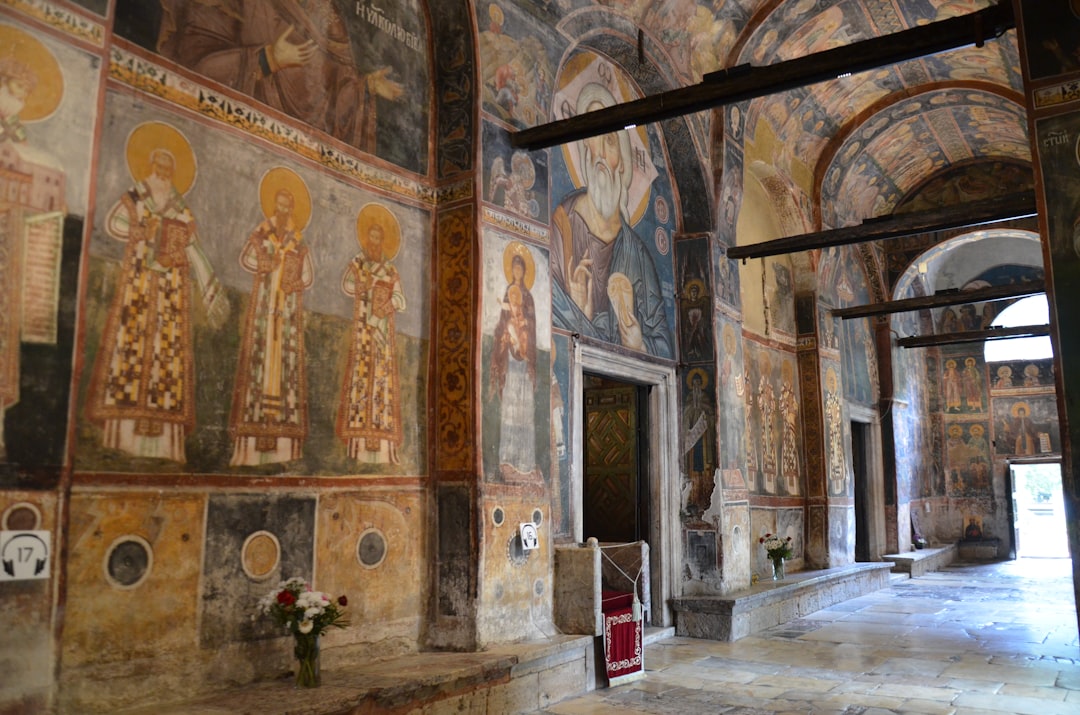
I stepped into the nave of Studenica Monastery and the air hit me like a physical weight—cold, damp, smelling of centuries-old beeswax and damp limestone. It wasn't just a church; it was a time capsule sealed by stone. My flashlight beam cut through the gloom, landing on the iconic image of the Theotokos of the Spring, and for a second, the centuries fell away. You could almost hear the echo of the monk who first mixed the pigment, the scratch of the brush on plaster, the quiet desperation of men trying to carve eternity out of a mountain side. This isn't a tourist stop; it's a confrontation with history, raw and unvarnished.
Studenica isn't just another Serbian Orthodox site. It's the cradle of the Nemanjić dynasty, founded by Stefan Nemanja in the late 12th century, and its walls hold some of the most significant medieval frescoes in the Balkans. But the real story isn't in the guidebooks—it's in the details. The way the light catches the gold leaf, the subtle expressions of the saints, the hidden symbols that only reveal themselves if you stand still long enough. I spent hours there, not as a tourist, but as a witness, trying to decode the layers of meaning embedded in every brushstroke.
History & Identity
The story of Studenica begins with Stefan Nemanja, the grand župan of Raška, who abdicated his throne in 1190 to become a monk. He didn't just build a monastery; he built a spiritual and political statement. Studenica became the burial place for many members of the Nemanjić dynasty, including Nemanja himself, whose relics are kept in the Church of the Virgin. The monastery was a center of learning and art, attracting the best painters and architects of the time. It was damaged and restored multiple times, but its core identity remained intact—a symbol of Serbian resilience and faith.
The Theotokos of the Spring, one of the most famous frescoes in the monastery, is a masterpiece of medieval iconography. It depicts the Virgin Mary holding the Christ child, with a spring of water flowing from her feet. This isn't just a religious image; it's a complex symbol of life, purity, and divine grace. The water represents the flow of divine wisdom, and the spring itself is a metaphor for the eternal source of spiritual nourishment. The fresco is located in the Church of the Virgin, and it's the first thing you see when you enter, setting the tone for the entire experience.
Studenica's identity is also shaped by its location. Nestled in a valley surrounded by mountains, it's a place of isolation and contemplation. The monastery was designed to be a retreat from the world, a place where monks could focus on prayer and study. This isolation has helped preserve its frescoes and architecture, but it has also made it a target for destruction. During the Ottoman period, the monastery was converted into a mosque, and many of its frescoes were painted over or destroyed. It wasn't until the 19th century that the monastery was restored and returned to the Serbian Orthodox Church.
Where to Go
Church of the Virgin — The heart of the monastery, this church houses the Theotokos of the Spring fresco and the relics of Stefan Nemanja. It's a small, intimate space, but the frescoes are breathtaking. Entry is free, but donations are appreciated. Best time to visit is early morning, before the crowds arrive.
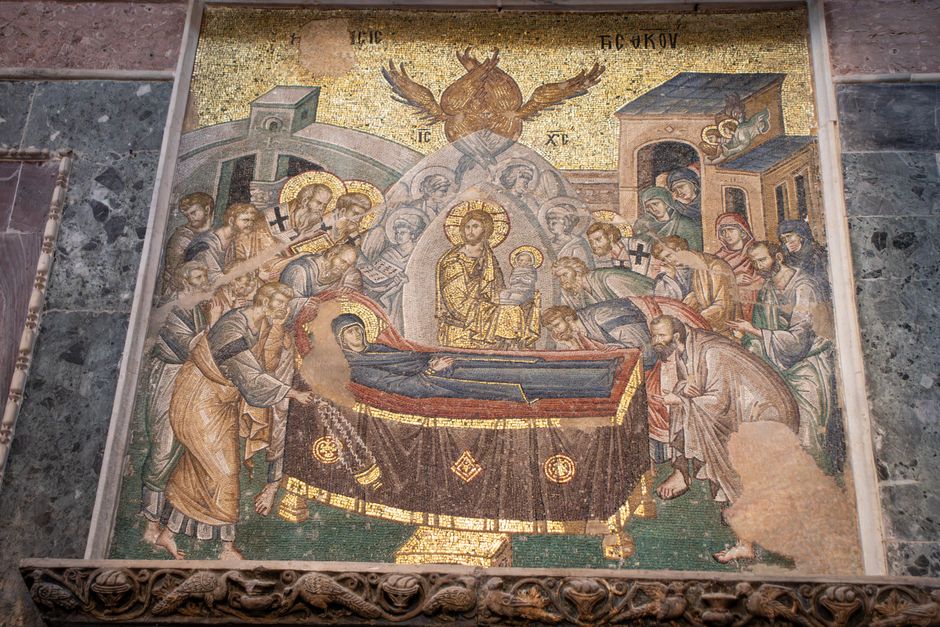
Church of St. Nicholas — This church is dedicated to St. Nicholas and houses some of the oldest frescoes in the monastery. The images are more austere than those in the Church of the Virgin, but they're no less powerful. The church is smaller and less crowded, making it a good place for quiet reflection.
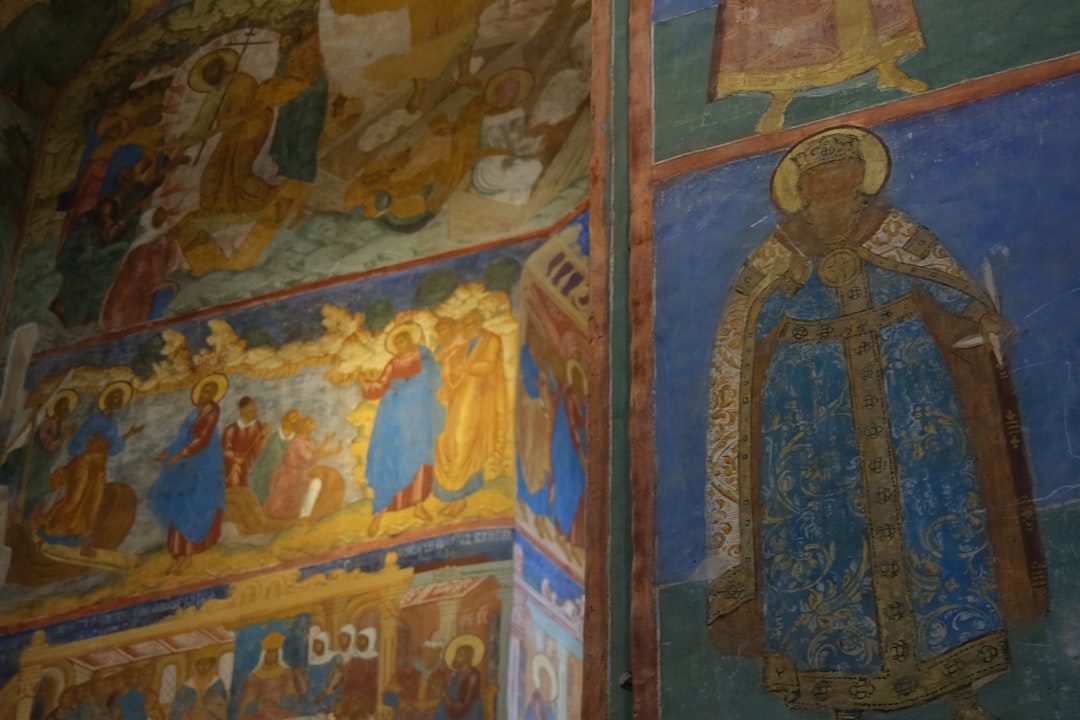
The Nemanjić Mausoleum — This is where the remains of Stefan Nemanja and other members of the Nemanjić dynasty are kept. The mausoleum is a somber place, but it's also a powerful reminder of the monastery's historical significance. The tombs are simple and unadorned, but the presence of these historical figures is palpable.
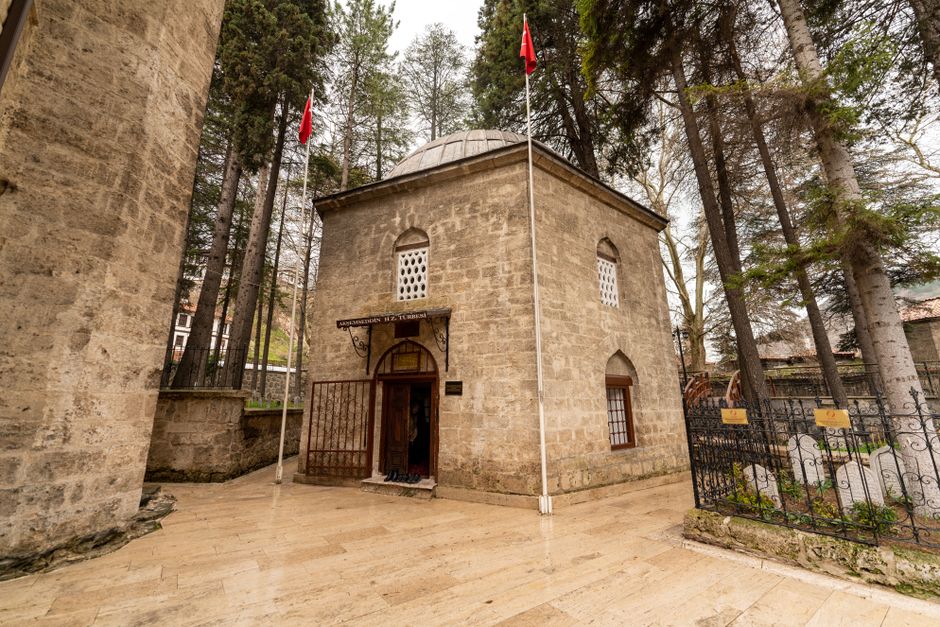
The Monastery Museum — This small museum houses a collection of icons, manuscripts, and other artifacts from the monastery's history. It's a good place to learn more about the monastery's role in Serbian culture and religion. Entry fee is 5 EUR.
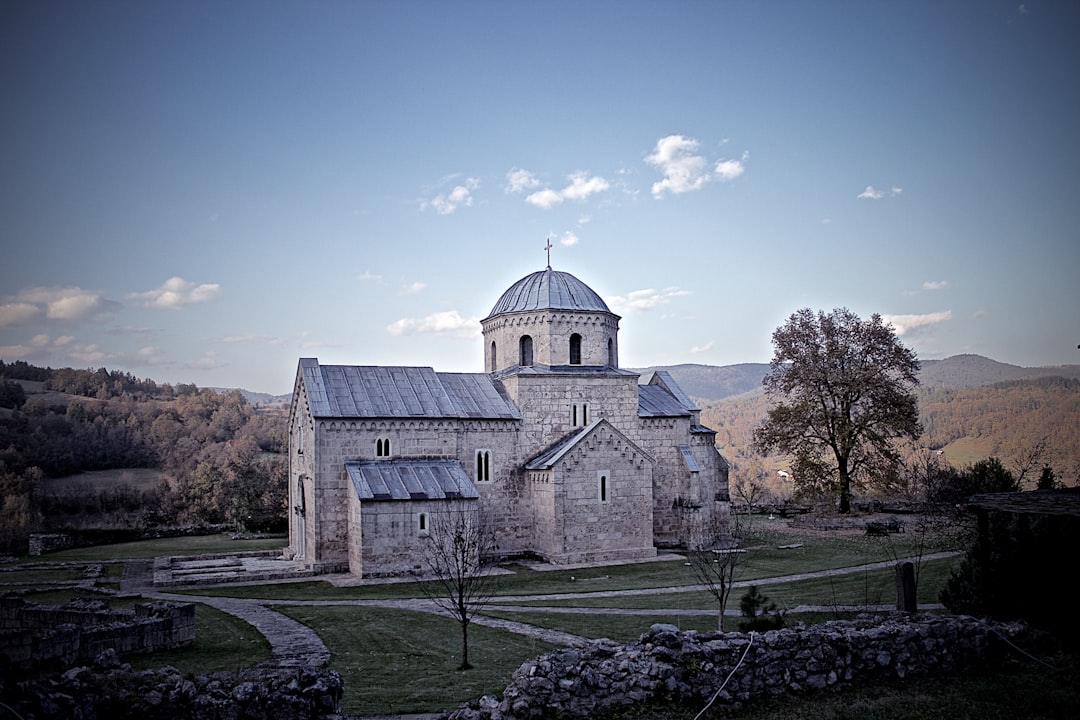
The Monastery Garden — This peaceful garden is a good place to relax and reflect after visiting the churches. It's surrounded by mountains and offers a beautiful view of the monastery. There are benches and tables where you can sit and enjoy the scenery.
What to Eat & Drink
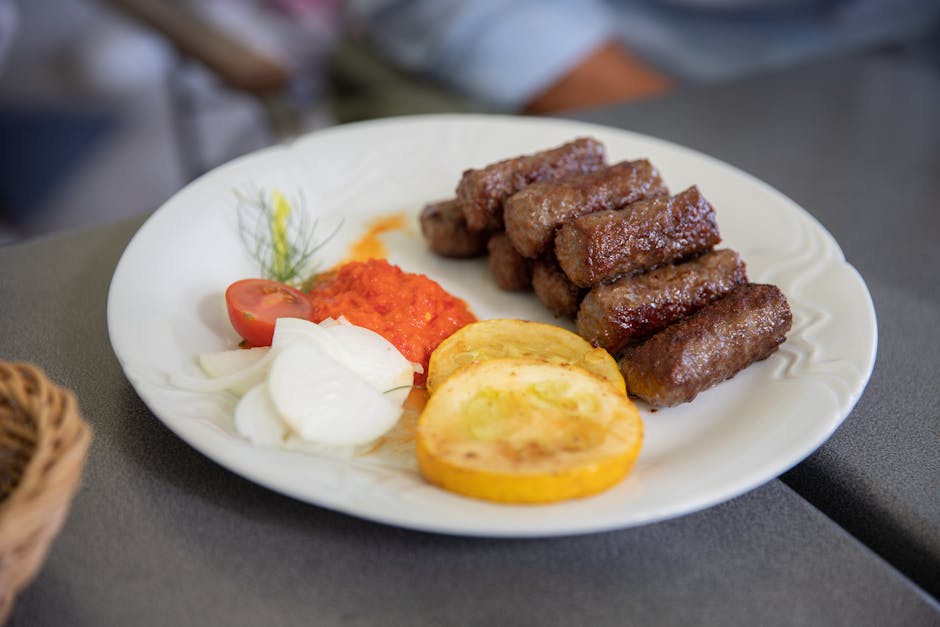
Studenica itself doesn't have many dining options, but the nearby town of Kraljevo has a variety of restaurants and cafes. If you're looking for traditional Serbian food, try ćevapi — small grilled meat sausages served with onions and somun bread, 3-4 EUR. Burek — a flaky pastry filled with meat, cheese, or spinach, 1-2 EUR. Šopska salata — a refreshing salad of tomatoes, cucumbers, onions, and peppers, 3 EUR.
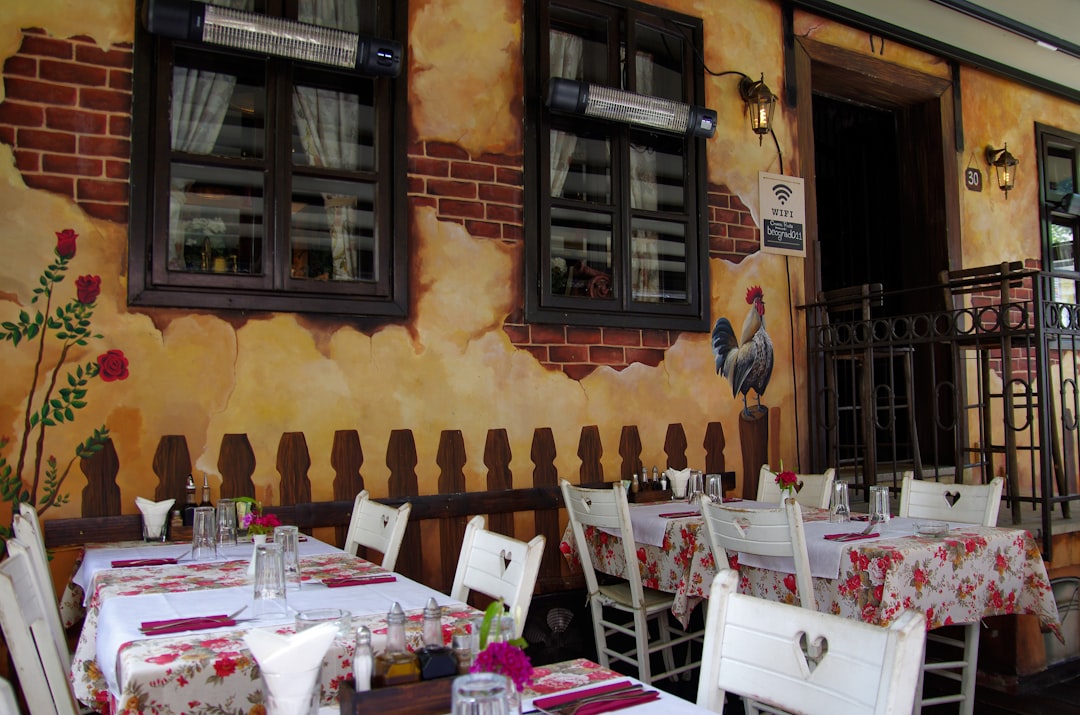
Budget breakdown: Street food / take-away under 5 EUR per meal; sit-down local restaurant 8-15 EUR per person; mid-range 15-25 EUR. The main food street in Kraljevo is Kralja Milana Street, which has a variety of restaurants and cafes. There's also a food court in the city center with take-away options.
Nightlife
Studenica is a quiet, contemplative place, so there's not much nightlife. However, Kraljevo has a few bars and clubs where you can enjoy a drink and some music. The main nightlife district is City Center, which has a variety of bars and clubs. Bar Kraljevo is a popular spot for live music, and Club Matrix is a good place for dancing. Cover charges are usually 2-5 EUR.

Getting There & What to Expect
The nearest airport is Belgrade Nikola Tesla Airport, which is about 150 km from Studenica. You can take a bus from Belgrade to Kraljevo, which takes about 2 hours and costs 10-15 EUR. From Kraljevo, you can take a taxi to Studenica, which takes about 30 minutes and costs 10-15 EUR. You can also rent a car in Belgrade, which is the most convenient option. The drive from Belgrade to Studenica takes about 1.5 hours.
Accommodation options are limited in Studenica, but there are a few guesthouses and hostels in the nearby villages. Budget hostel per night is 20-40 EUR, mid-range hotel per night is 50-100 EUR. The best months to visit are spring and autumn, when the weather is mild and the crowds are smaller.
Search accommodation in Kraljevo on Booking.com →
Whispers in the Stone
As I left Studenica, the sun was setting behind the mountains, casting long shadows across the monastery walls. I couldn't shake the feeling that I had been in the presence of something ancient and enduring. The frescoes, the relics, the silence—it all spoke of a time when faith and art were intertwined, when every brushstroke was a prayer. Studenica isn't just a monastery; it's a testament to the human spirit, a reminder that even in the darkest of times, beauty and hope can endure. And as I drove away, the image of the Theotokos of the Spring stayed with me, a symbol of life and grace in a world that often feels like it's running out of both.
Comments