


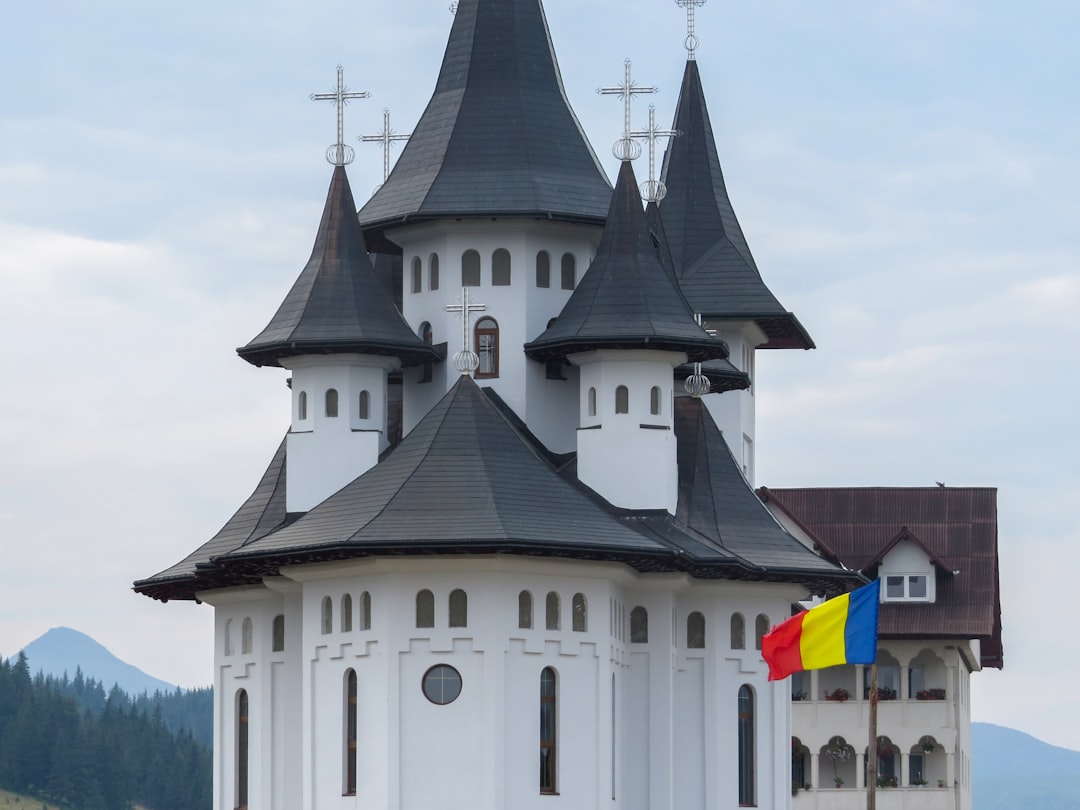
The Last Wooden Sky-Scraper
The rain in Maramureș doesn't fall; it hangs. It clings to the spruce shingles of the roof, weighs down the wool of the shepherd's coat, and turns the dirt tracks into a sucking, brown paste that wants to steal your boots. I am standing in the mud behind Săpânța, watching a priest in a faded cassock argue with a contractor about the price of new copper nails. The church behind them, St. Parascheva's Church, is a skeletal giant of oak and spruce, its bell tower a needle pointing at a sky so low it feels like it might crush the roof. This is not a museum piece. This is not a sanitized heritage site where you pay a fee and look through glass. This is a living, breathing, rotting, singing organism. The air smells of wet wood, incense, and diesel from the old truck parked in the yard.
I came here to find the soul of Eastern Orthodoxy, stripped of marble, gold leaf, and imperial politics. I found something harder, rougher, and far more honest. In this forgotten corner of Romania, time didn't stop; it just slowed down enough to let the wood breathe. The churches of Maramureș are not just buildings. They are the last wooden sky-scrapers of Europe, defiant against the concrete world that swallowed the rest of the continent. And they are dying, not from age, but from the slow, quiet indifference of a world that has forgotten how to listen to the creak of timber.
SăpânțaHistory & Identity
The wooden churches of Maramureș are a testament to a people who had nothing but trees and faith. Built between the 16th and 18th centuries, these structures emerged from a unique cultural crucible where Byzantine liturgical traditions met the rugged, isolated reality of the Carpathian foothills. The region was largely untouched by the Ottoman Empire, allowing a distinct Christian identity to flourish, free from the direct political interference that reshaped the rest of the Balkans. The churches were not built by professional architects but by village craftsmen, their designs passed down through generations like oral histories. They were built to last, using massive oak logs for the walls and spruce shingles for the roofs, materials that could withstand the harsh winters and heavy snows of the region.
The identity of Maramureș is deeply tied to these churches. They are the center of village life, not just spiritually but socially. The churchyard is the gathering place for weddings, funerals, and festivals. The sound of the wooden church bells, which are not struck with a clapper but with a rope-pulled hammer, is the heartbeat of the village. The churches are not just places of worship; they are symbols of community resilience and cultural pride. In a region that has seen empires rise and fall, the wooden churches have stood as silent witnesses to the endurance of the Maramureșan people. They are a reminder that faith, when rooted in the land and the community, can survive even the harshest conditions.
MaramureșWhere to Go
St. Parascheva's Church, Săpânța — This is the most famous of the wooden churches, and for good reason. Its towering bell tower, which rises to over 50 meters, is a marvel of medieval engineering. The church is a UNESCO World Heritage Site, and its intricate woodcarvings and vibrant frescoes are a testament to the skill of the craftsmen who built it. The interior is dimly lit, the air thick with incense and the scent of old wood. The frescoes, which depict biblical scenes and saints, are a mix of Byzantine and folk art styles, creating a unique visual language that is both sacred and deeply local. Entry is free, but donations are appreciated. Best visited early in the morning to avoid the crowds.
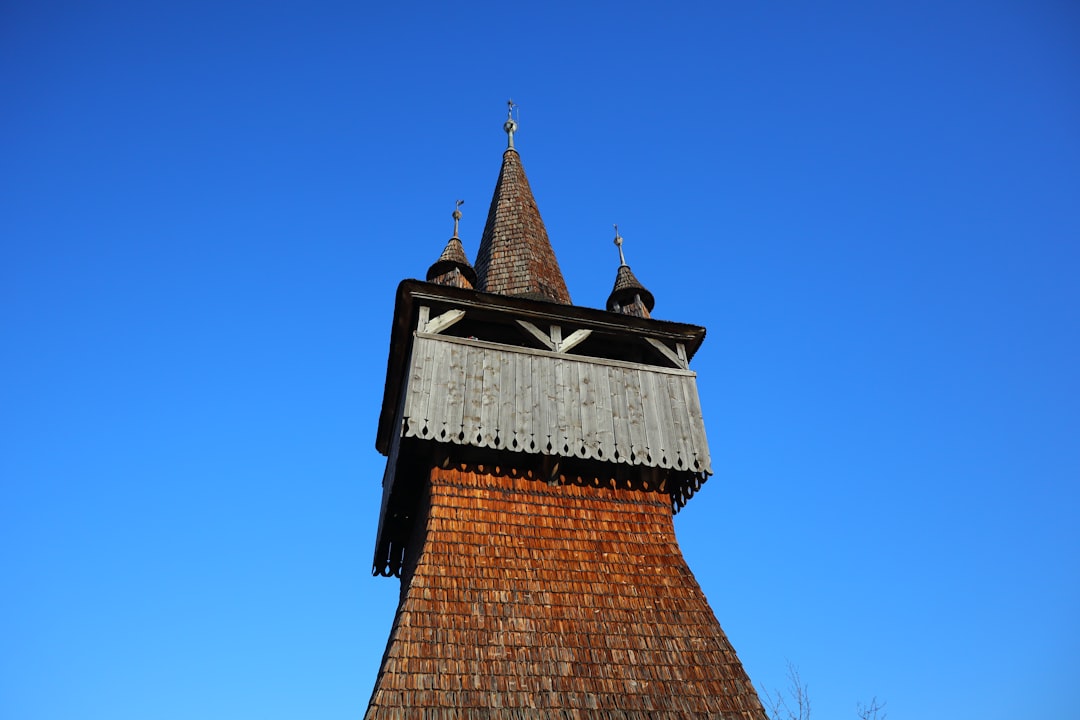
St. George's Church, Bârsana — Located in the village of Bârsana, this church is a masterpiece of Maramureșan wooden architecture. Its massive oak logs are hewn with a precision that is still awe-inspiring today. The church is known for its large size and its impressive bell tower, which is topped with a golden dome. The interior is adorned with frescoes that are remarkably well-preserved, thanks to the dry climate of the region. The church is still in active use, and you can often hear the sound of the wooden bells echoing through the valley. Entry is free, but a small donation is suggested.
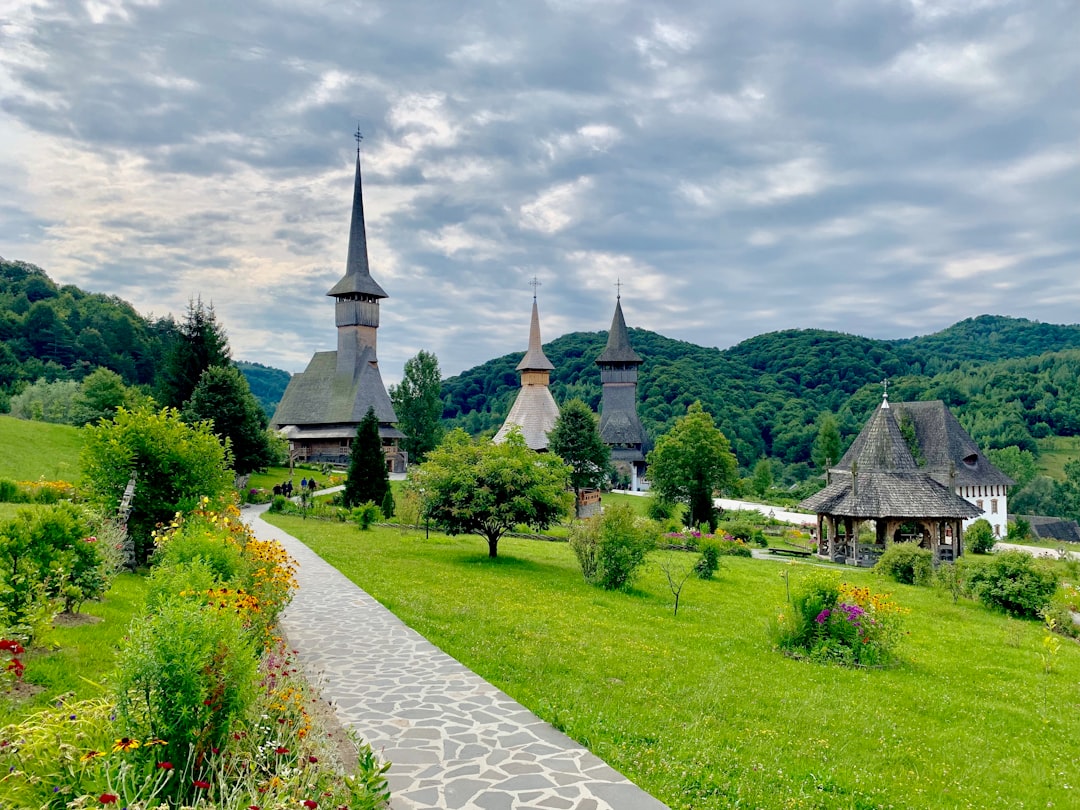
St. Nicholas Church, Șurdești — This church is a hidden gem, located in a remote village in the heart of Maramureș. Its smaller size and simpler design make it feel more intimate and personal. The church is known for its beautiful frescoes, which depict scenes from the life of St. Nicholas. The interior is dimly lit, the air thick with incense and the scent of old wood. The church is still in active use, and you can often hear the sound of the wooden bells echoing through the valley. Entry is free, but a small donation is suggested.
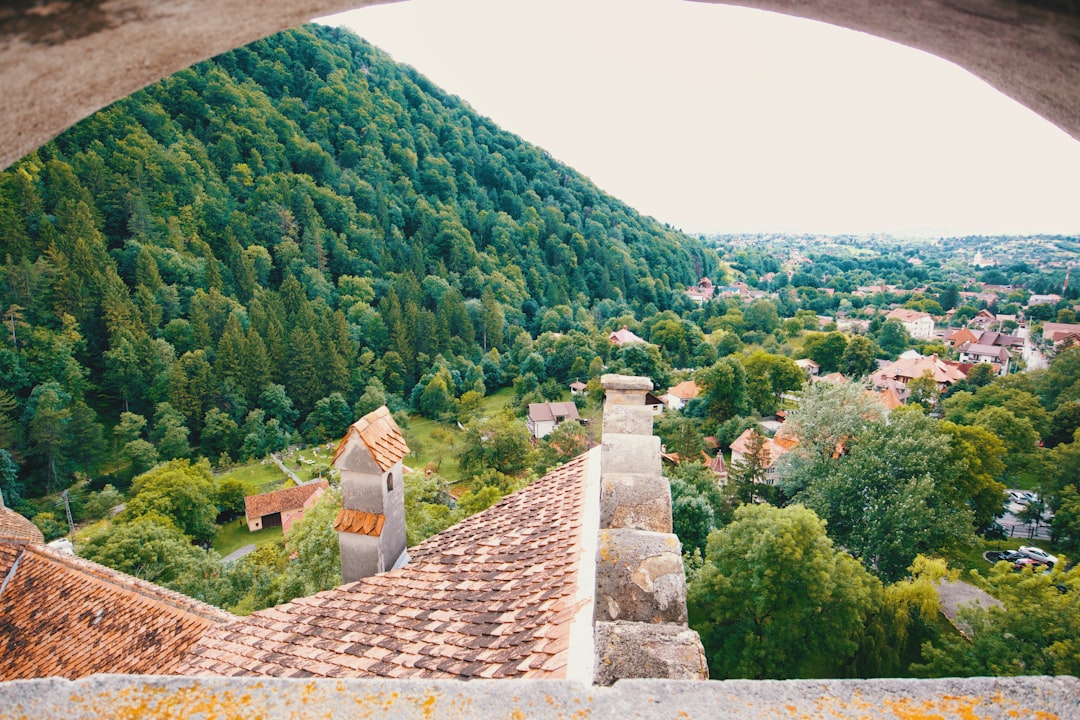
St. Parascheva's Church, Rogoz — This church is a stunning example of Maramureșan wooden architecture. Its massive oak logs are hewn with a precision that is still awe-inspiring today. The church is known for its large size and its impressive bell tower, which is topped with a golden dome. The interior is adorned with frescoes that are remarkably well-preserved, thanks to the dry climate of the region. The church is still in active use, and you can often hear the sound of the wooden bells echoing through the valley. Entry is free, but a small donation is suggested.
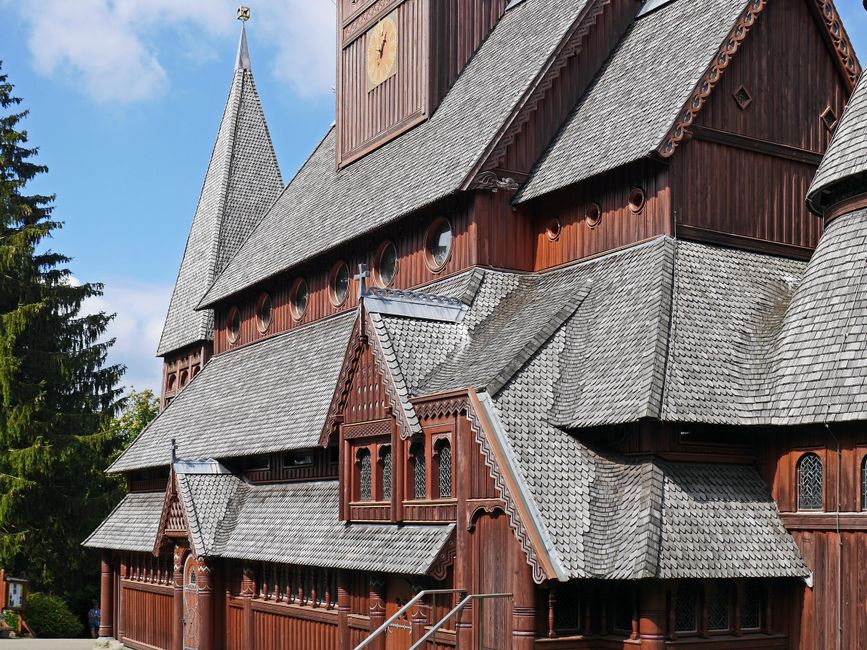
St. George's Church, Ieud — This church is a masterpiece of Maramureșan wooden architecture. Its massive oak logs are hewn with a precision that is still awe-inspiring today. The church is known for its large size and its impressive bell tower, which is topped with a golden dome. The interior is adorned with frescoes that are remarkably well-preserved, thanks to the dry climate of the region. The church is still in active use, and you can often hear the sound of the wooden bells echoing through the valley. Entry is free, but a small donation is suggested.
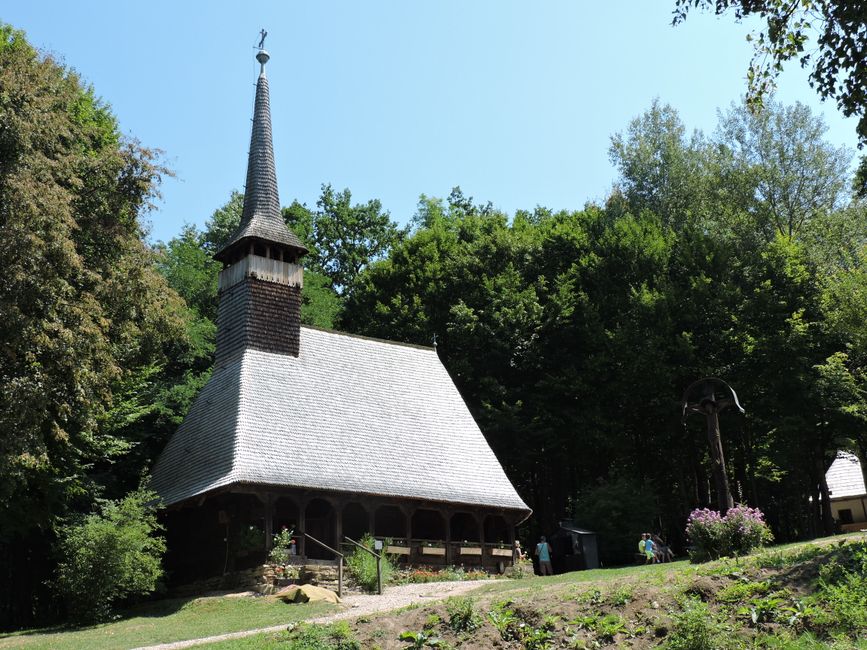
What to Eat & Drink
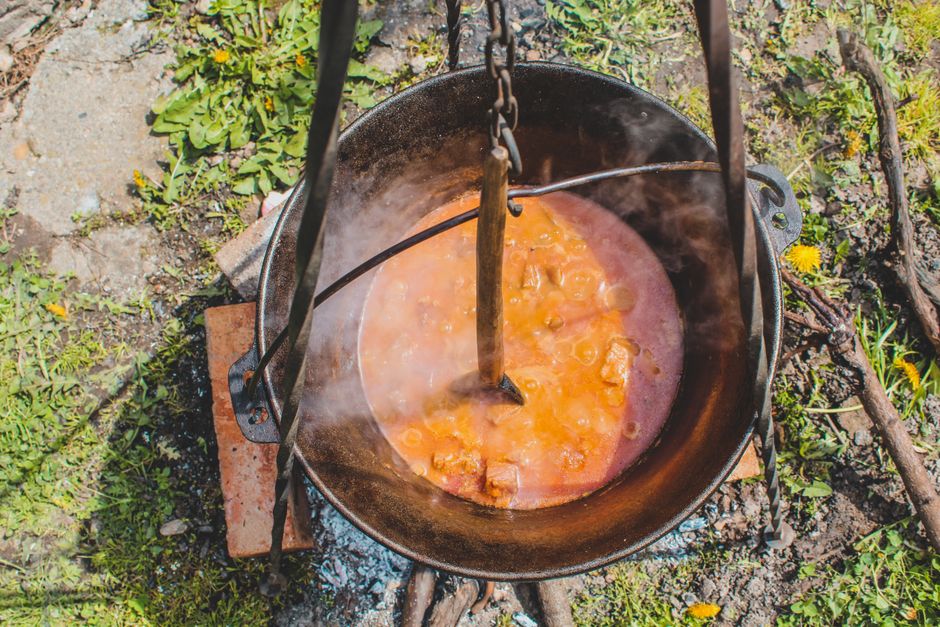
The food in Maramureș is as simple and honest as the wooden churches. It is food made from the land, with no frills and no pretensions. You will not find gourmet restaurants or Michelin-starred chefs here. Instead, you will find small, family-run eateries that serve traditional dishes made with local ingredients. The flavors are bold and earthy, reflecting the rugged landscape and the hard-working people who live here.
Mămăliguță cu brânză și smântână — A simple but delicious dish of cornmeal porridge served with fresh cheese and sour cream. It is a staple of Maramureșan cuisine, and it is a perfect way to warm up after a day of hiking in the mountains. Price: 5-8 EUR
Sarmale — Cabbage rolls stuffed with meat and rice, slow-cooked in a tomato sauce. This is a classic Romanian dish, and it is a must-try when you are in Maramureș. Price: 8-12 EUR
Plăcinte cu brânză — Cheese-filled pastries that are baked until golden brown. These are a popular street food in Maramureș, and they are a perfect snack to go with a cup of strong, black coffee. Price: 2-4 EUR
Țuică — A strong plum brandy that is a staple of Romanian cuisine. It is often served as a digestif, and it is a perfect way to warm up after a cold day in the mountains. Price: 3-5 EUR
Budget travelers can expect to spend 10-15 EUR per meal at a local restaurant, while mid-range restaurants charge 15-25 EUR per person. For a truly authentic experience, try to find a small, family-run eatery in one of the villages. The food will be simple, but it will be fresh and delicious.
Nightlife
Forget clubs, DJs, and neon lights. Nightlife in Maramureș is about sitting around a fire, drinking țuică, and listening to the sound of the wooden church bells. The villages come alive in the evening, with people gathering in the churchyards and the squares to socialize and celebrate. The music is traditional, played on folk instruments like the țambal and the fluiere. The atmosphere is relaxed and friendly, and you will be welcomed as a guest, not a tourist.
In the larger towns like Sighetu Marmației, there are a few bars and pubs where you can enjoy a beer or a cocktail. But the real magic happens in the villages, where the night is filled with the sound of laughter, music, and the occasional burst of firecrackers. It is a far cry from the nightlife of Bucharest or Cluj, but it is infinitely more rewarding.
Getting There & What to Expect
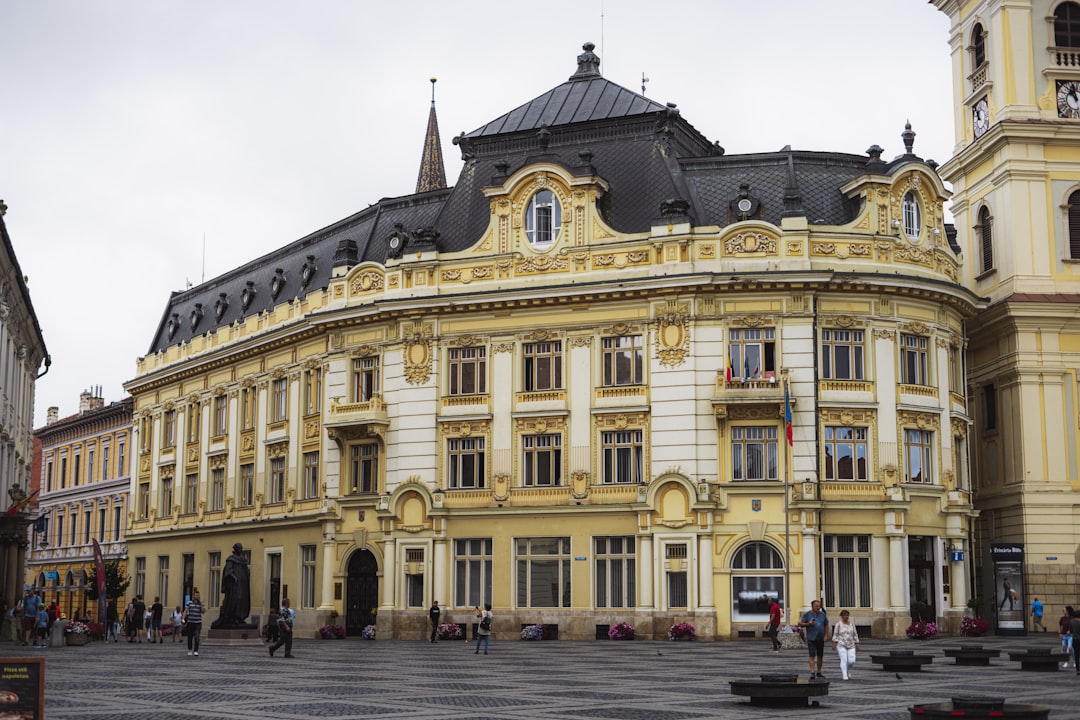
The nearest major city to Maramureș is Sighetu Marmației, which is well-connected to the rest of Romania by train and bus. From Bucharest, it takes about 10-12 hours by train, and the cost is around 20-30 EUR. From Cluj-Napoca, it takes about 4-5 hours by bus, and the cost is around 10-15 EUR. Once you are in Sighetu Marmației, you can hire a car or take a local bus to the villages. The roads are often narrow and winding, so driving can be challenging, but the scenery is breathtaking.
Accommodation in Maramureș is affordable, with budget guesthouses and hostels charging 20-40 EUR per night. Mid-range hotels charge 50-80 EUR per night. For a truly authentic experience, try to stay in a traditional wooden house in one of the villages. The best time to visit is in the spring or autumn, when the weather is mild and the crowds are smaller. In the winter, the region is covered in snow, and the wooden churches look like they are straight out of a fairy tale.
Search accommodation in Sighetu Marmației on Booking.com →
The Creak of the Timber
I leave Maramureș as the sun sets, the sky turning a deep, bruised purple. The wooden churches are silhouettes against the darkening landscape, their bell towers reaching for the stars. I can still hear the sound of the wooden bells, a deep, resonant tone that seems to come from the earth itself. It is a sound that has echoed through the valleys of Maramureș for centuries, a sound that has survived empires, wars, and the slow, grinding march of modernity.
I think of the priest arguing with the contractor, the copper nails, the rot, the indifference of the world. I think of the people who built these churches, who hewed the logs, who painted the frescoes, who rang the bells. They built them to last, to outlive them, to outlive their children and their children's children. And they have. But for how long? The wooden churches of Maramureș are a reminder that everything is temporary, that even the strongest wood will eventually rot, that even the most vibrant frescoes will eventually fade. But for now, they stand. They creak. They sing. And they are enough.
Comments