


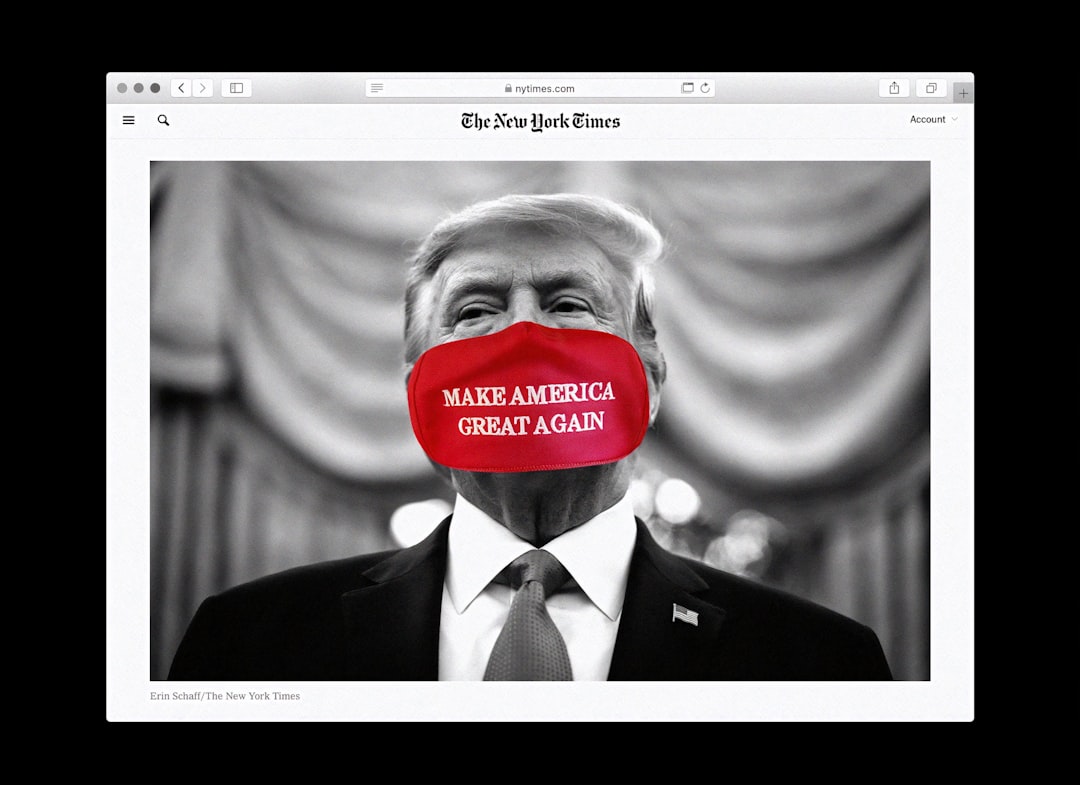
The political landscape in Washington D.C. has been dominated by a fierce debate regarding former President Donald Trump's approval ratings and his ongoing influence on American infrastructure and cultural symbols. Recent discussions have centered on a controversial proposal to erect a massive triumphal arch near the Lincoln Memorial Reflecting Pool, a plan that has ignited a firestorm of criticism from historians, urban planners, and political opponents. This proposal, often cited by detractors as a symbol of self-aggrandizement, has become a focal point for analyzing the polarizing nature of Trump's political brand. For audiences across the Balkans and globally, this story offers a window into the shifting tides of American politics and the enduring power of symbolic governance.
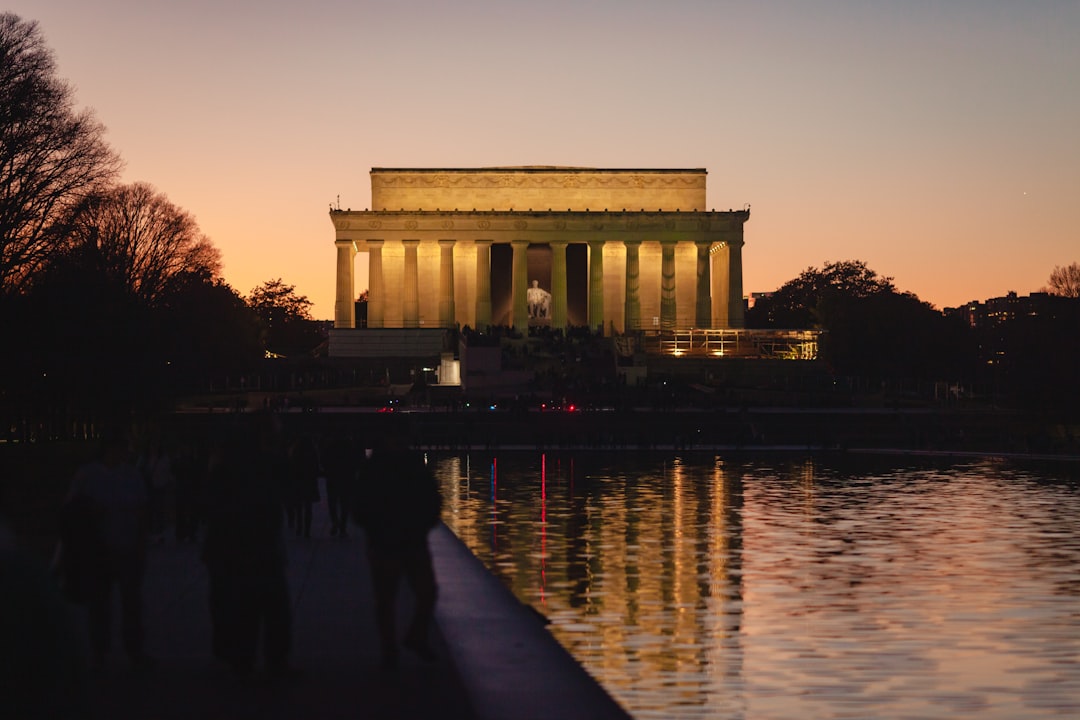
The concept of a "triumphal arch" in the heart of the nation's capital challenges the established aesthetic and historical narrative of the National Mall. Critics argue that such a structure would disrupt the carefully curated neoclassical harmony designed by the McMillan Plan. Supporters, however, frame it as a necessary monument to conservative victories and national resurgence. This dichotomy reflects broader trends in Trump's approval ratings, which remain high among his base despite widespread criticism from mainstream media and political rivals. The debate is not just about architecture; it is a proxy war for the soul of American political memory.
A Clash of Historical Narratives
The proposal to build an arch near the Reflecting Pool draws immediate comparisons to the Washington Monument and the Lincoln Memorial, both of which serve as anchors for American democratic ideals. Unlike these existing monuments, which honor specific historical figures associated with the founding and preservation of the Union, a Trump arch would celebrate a contemporary political figure. This distinction has led to accusations that the project blurs the line between public heritage and private political branding. Historians point out that triumphal arches in Western history, from ancient Rome to Paris, were typically commissioned to celebrate military conquests or imperial victories, raising questions about the appropriateness of such a symbol in a modern democracy.
The controversy has reignited discussions about the role of the National Park Service in protecting the integrity of federal lands. Advocacy groups argue that the National Mall is a shared public space that should remain free from partisan political statements. They contend that allowing a monument dedicated to a recent political figure sets a dangerous precedent for future administrations. Conversely, Trump's supporters argue that the current landscape of the National Mall lacks representation for modern conservative movements and that the arch would serve as an inspiration to millions of visitors. This tension highlights the growing cultural divide in the United States, where historical interpretation is increasingly politicized.
Political Implications and Approval Ratings
Donald Trump's approval ratings have long been a subject of intense scrutiny, characterized by a deep polarization that defies traditional political norms. While his disapproval ratings have remained high among Democrats and independents, his support among Republicans and conservative independents has been unwavering. The arch proposal is seen by political analysts as a strategy to cement his legacy and maintain relevance among his base. By linking his name to a permanent, visible landmark, Trump aims to transcend the typical four-year political cycle. This move underscores the importance of symbolism in his political strategy, where visual dominance and media attention are leveraged to sustain political capital.
The reaction to the proposal provides a clear barometer for public sentiment. In the Balkans, where historical monuments and national symbols play a significant role in public identity, the American debate resonates with local experiences of transitional justice and historical memory. Observers in the region note that the fervor surrounding the arch proposal mirrors similar debates in post-communist societies about how to remember recent political eras. The ability of Trump to mobilize his base around such a symbolic issue demonstrates the enduring strength of his political movement. It also raises questions about the long-term impact of such monuments on public perception and historical understanding.
Global Repercussions and Balkan Perspectives
The debate over the triumphal arch has captured international attention, including in the Balkans, where American political developments are closely watched. For Balkan audiences, the story serves as a case study in the power of political symbolism and the challenges of managing public memory in a polarized society. The region has its own complex history with monuments, from the removal of communist statues to the erection of new national heroes. The American experience offers a comparative lens through which to view these local debates, highlighting the universal tension between historical preservation and contemporary political expression.
Furthermore, the controversy underscores the global reach of American political culture. Trump's influence extends beyond US borders, affecting political discourse in allied nations and beyond. In the Balkans, where geopolitical alignments are often tied to relationships with the United States and the European Union, the stability and direction of American leadership are of particular interest. The arch proposal, while domestic in nature, signals the ongoing transformation of American political norms. It suggests a shift towards a more personalized form of leadership, where the boundaries between the state and the leader are increasingly blurred. This trend has implications for international relations and the perception of American values abroad.
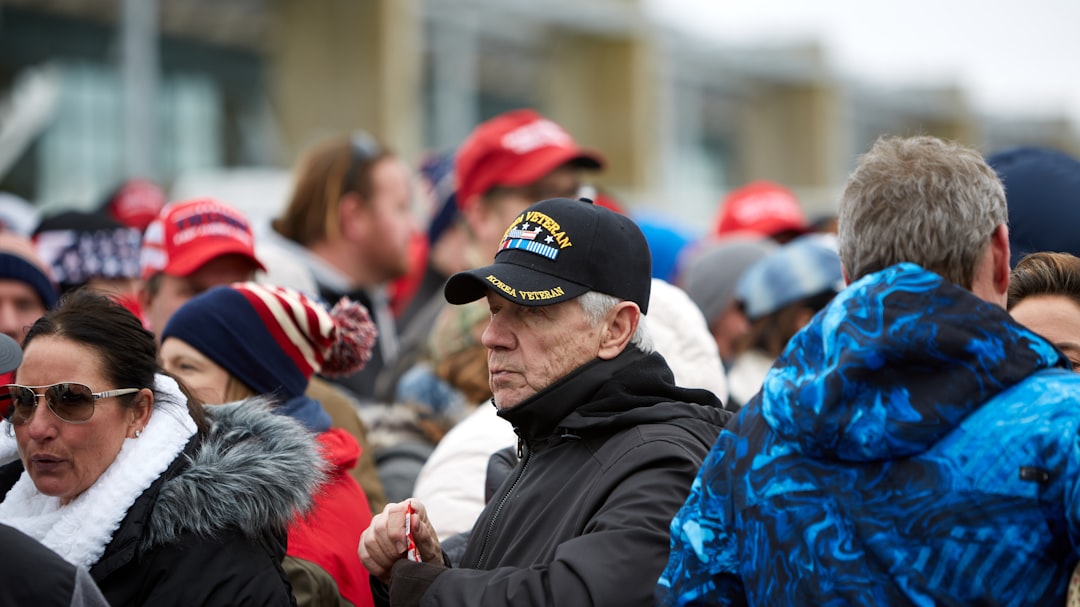
As the debate over the triumphal arch continues, it remains to be seen whether the proposal will gain traction or be dismissed as a political stunt. The outcome will likely depend on the broader political climate and the ability of Trump's supporters to mobilize around this symbolic issue. For now, the controversy serves as a stark reminder of the deep divisions in American society and the enduring power of political symbolism. As the 2026 political cycle progresses, the arch may become a lasting symbol of the Trump era, regardless of its physical realization. Readers should watch for further developments in the National Park Service's response and the potential legal challenges that may arise. This story is a compelling example of how architecture, history, and politics intersect in the modern era, offering valuable insights for audiences around the world.



Comments