



The search term Türk Silahlı Kuvvetleri, translating to the Turkish Armed Forces, highlights a persistent global interest in one of the largest military organizations in the NATO alliance. This trending query reflects broader concerns regarding security dynamics in the Balkans, the Eastern Mediterranean, and the wider Middle East. As Turkey continues to modernize its defense capabilities and assert its strategic autonomy, the role of its military extends far beyond its borders, impacting neighboring countries including Greece, Bulgaria, and Romania. Understanding the structure and recent operational focus of these forces is essential for anyone analyzing regional stability in Southeast Europe.
The Turkish military is not merely a domestic security apparatus but a significant geopolitical actor. With a standing army of over 350,000 active personnel, it represents one of the most experienced conventional forces in the world. Recent developments in defense procurement, including the development of indigenous drones and missile systems, have shifted the balance of power in the region. For Balkan audiences, these developments are particularly relevant due to shared borders, historical ties, and ongoing diplomatic discussions regarding energy routes and border security.

Structure and Modernization Efforts
The Turkish Armed Forces are organized into three main branches: the Army, the Navy, and the Air Force. The Turkish Army remains the largest component, historically focused on territorial defense and counter-insurgency operations. However, recent years have seen a significant pivot towards power projection capabilities. The acquisition of advanced fighter jets, such as the F-16V upgrades, and the development of the TF-X sixth-generation fighter project demonstrate a commitment to maintaining air superiority. This modernization effort is driven by both external threats and internal security requirements.
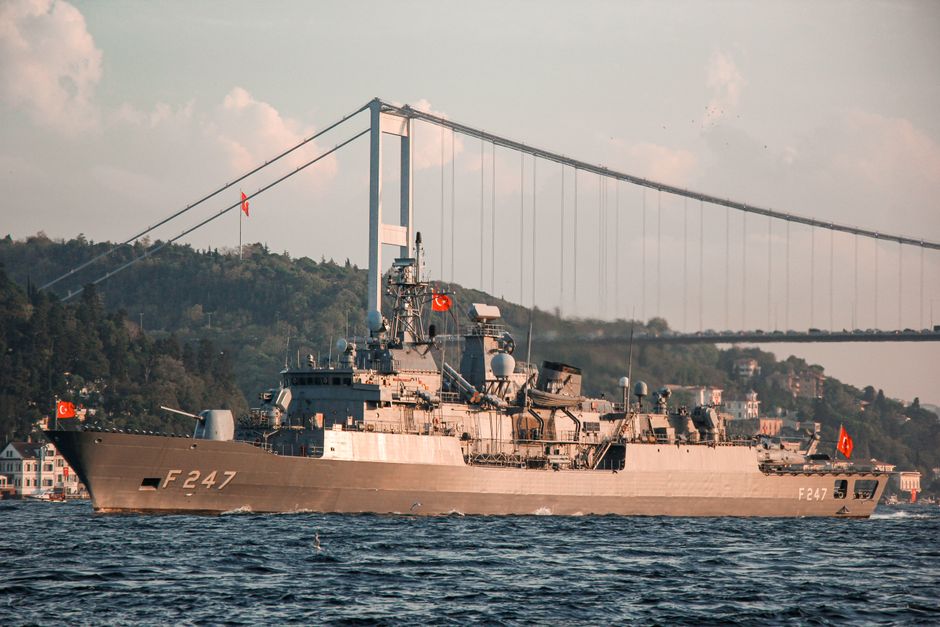
The Turkish Navy has also undergone substantial expansion, particularly in its blue-water capabilities. The construction of new aircraft carriers and amphibious assault ships underscores Turkey’s ambition to secure its maritime interests in the Black Sea and the Mediterranean. This naval growth has direct implications for Balkan nations like Romania and Bulgaria, who are also NATO members and share the Black Sea littoral. The interplay between Turkish naval activities and those of other regional powers creates a complex security environment that requires constant diplomatic engagement.
In addition to hardware, the Turkish military has invested heavily in cyber warfare and electronic intelligence capabilities. These domains are increasingly critical in modern conflict scenarios. The integration of unmanned aerial vehicles (UAVs), such as the Bayraktar TB2, has proven effective in various conflicts, altering the tactical landscape. This technological edge allows the Turkish Armed Forces to conduct precision strikes with reduced risk to personnel, a capability that has drawn international attention and sparked arms deals with several countries.
Regional Implications and Balkan Connections
The influence of the Turkish Armed Forces extends deeply into the Balkans through both military cooperation and political leverage. Turkey maintains a strategic partnership with several Balkan states, offering defense training, equipment sales, and joint exercises. For countries like Bosnia and Herzegovina, North Macedonia, and Albania, Turkey is a key security partner. This relationship is rooted in historical Ottoman ties and contemporary strategic interests. The presence of Turkish military equipment and advisors in these nations helps stabilize fragile security situations and counters external influences.
Greece and Turkey, despite being NATO allies, have a long history of military tension, particularly over issues in the Aegean Sea and the Eastern Mediterranean. The Greek military, including the Hellenic Navy, maintains a high state of readiness in response to Turkish maneuvers. This dynamic affects the entire Balkan region, as any escalation between the two neighbors could disrupt trade routes and energy supplies. Bulgaria and Romania, as NATO members, often find themselves balancing relations with both Ankara and Athens, seeking to maintain regional stability while honoring their alliance commitments.
Furthermore, the Turkish military’s operations in Syria and Iraq have indirect effects on the Balkans through migration flows and counter-terrorism cooperation. The management of refugee movements and the fight against extremist groups require coordinated efforts across borders. Balkan countries serve as transit zones or destinations for refugees, making security cooperation with Turkey essential. The Turkish Armed Forces’ ability to control its southern borders directly impacts the security and social stability of neighboring European nations.
Future Outlook and Strategic Autonomy
Looking ahead, the Turkish Armed Forces are likely to continue their path of strategic autonomy. This involves reducing dependence on foreign suppliers, particularly from the United States and Europe, and fostering a domestic defense industry. The success of companies like Baykar and Turkish Aerospace Industries illustrates this trend. As Turkey becomes a major exporter of defense technology, its military influence will grow, potentially reshaping alliances in the Balkans and beyond.
However, this path is not without challenges. Economic constraints, geopolitical friction with Russia and the West, and internal political dynamics could impact the military’s operational readiness. The integration of new technologies also raises questions about cybersecurity and the protection of critical infrastructure. For Balkan nations, monitoring these developments is crucial for maintaining their own security postures and diplomatic strategies.
The trending interest in the Turkish Armed Forces reflects a broader recognition of Turkey’s rising military significance. As the region navigates complex security challenges, the actions of Ankara will continue to shape the geopolitical landscape. For readers in the Balkans and internationally, staying informed about these developments is key to understanding the future of regional stability and security cooperation.



Comments