


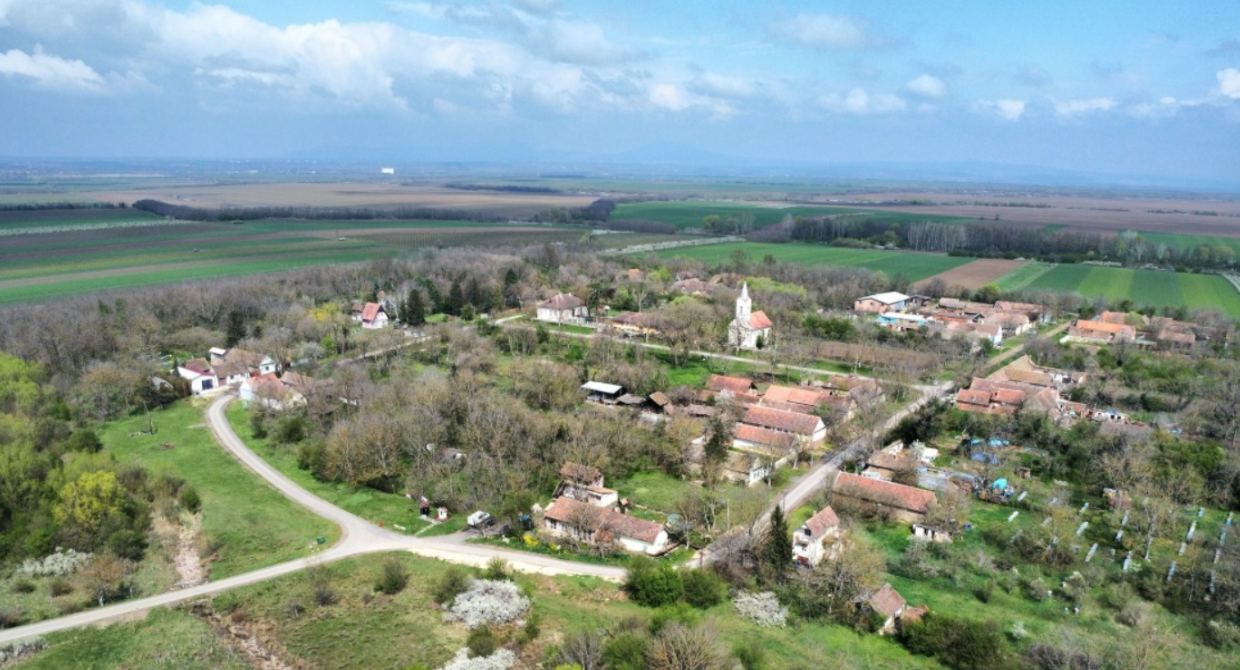
Located in the municipality of Bela Crkva, Češko Selo is the smallest village in Vojvodina and the only settlement in Serbia founded by Czech immigrants in 1837. Today, fewer than thirty residents call it home, yet this village has resisted the passage of time, becoming a symbol of perseverance, identity preservation, and devotion to ancestors and tradition.
A History of Resilience
Once known as "Fabijan," a name still used by the elderly, the village has faced numerous challenges over the decades. The closure of the school in 1974 was seen as a sign that the village was slowly fading away. However, it marked the beginning of a new battle for survival. With the help of the residents and support from the Czech Embassy, the old school building was transformed into an Ethno-museum, preserving artifacts, photographs, and memories of the lives of Czech families in the Banat region.
Preserving Identity and Tradition
Today, Češko Selo lacks a shop, cafe, or school, yet it retains something that many larger towns have lost: soul and community. The village has only three streets, each named after prominent figures in Czech history: Tomáš Garrigue Masaryk, Jan Hus, and Václav Havel. This shows that the residents have not forgotten their roots but proudly preserve them and pass them on to new generations.
During the summer, the village comes alive with visitors. Czechs and people from the entire region come to see the place of their ancestors, find peace, and feel the atmosphere of old Banat. The neat houses, flowers, tranquility, and hospitality of the residents create an impression that time has stood still here.
Češko Selo is not just a geographical point on the map but a testament to the ability of even the smallest village to preserve its history, dignity, and uniqueness in the face of time and migration. It is a testament to Serbia being a colorful tapestry of people with traditions.
Written by: Stefan Stojanović

Comments