


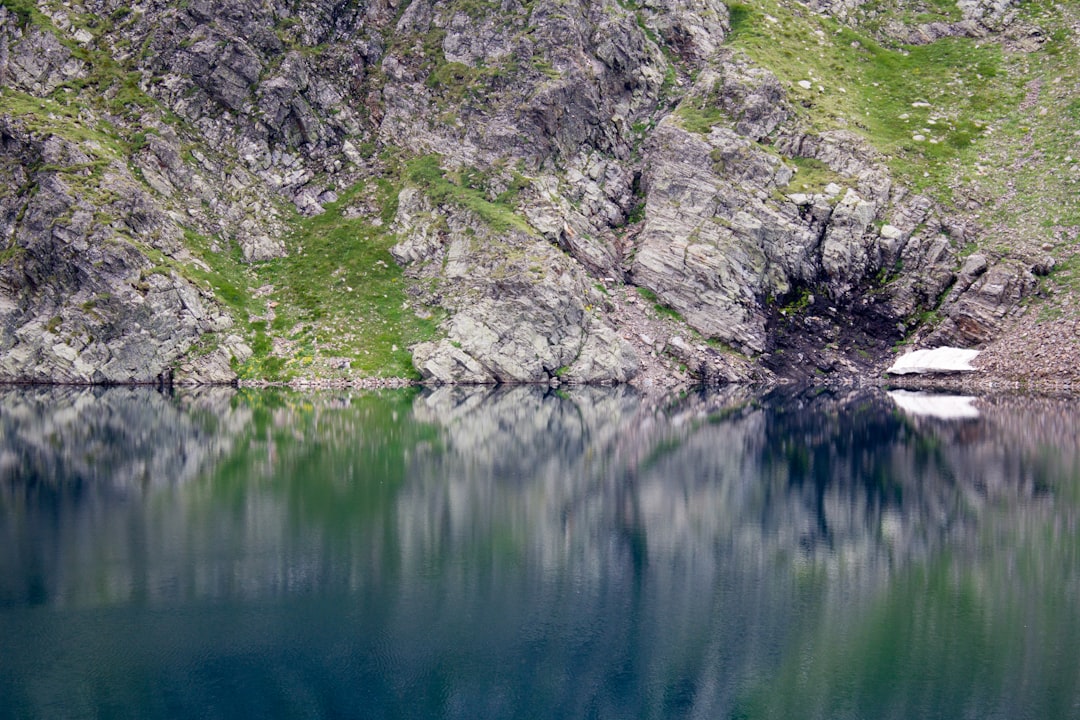
I am sitting on a wet rock at 2,500 meters, shivering in a wind that feels like it has a personal grudge against my face. My lungs are burning. The air is thin enough to taste metallic. A Bulgarian hiker in a bright orange jacket jogs past me, carrying a backpack that looks heavier than my entire body, and doesn't even break a sweat. He nods. I nod back, though my head is spinning. This is the high country of Rila Mountains, and it does not care about your Instagram followers. It cares about your knees, your lungs, and your ability to keep moving when every instinct screams "stop." The Seven Rila Lakes are not a spa day. They are a pilgrimage. And right now, at the top of the world, looking down at the glacial scars that carved these basins, I understand why.
The journey here is a vertical climb through Bulgaria's highest massif. You start in the green, pine-scented valleys and end up in a lunar landscape of grey rock, turquoise water, and clouds that drift at eye level. There are no cable cars to cheat the ascent. There are no paved roads leading to the water's edge. There is only the trail, the stone, and the relentless upward grind. It is exhausting. It is unfair. It is absolutely magnificent.
The Glacial Architecture of Rila
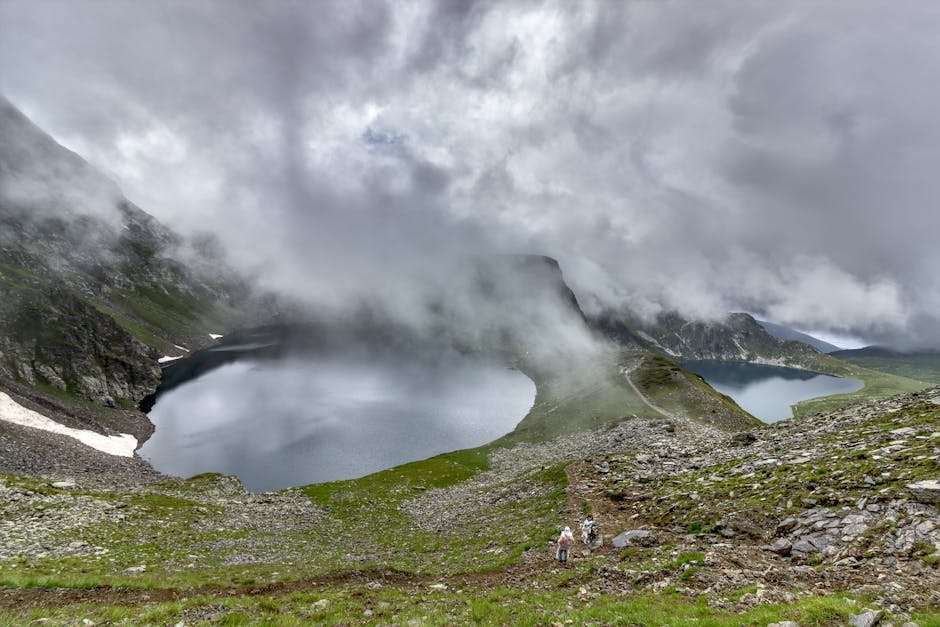
The Seven Rila Lakes are not natural lakes in the traditional sense. They are glacial cirques, carved out by ice during the last Ice Age. The highest peak in Bulgaria, Musala Peak, looms over them like a stone sentinel, its summit often shrouded in mist even on clear days. The lakes are arranged in a horseshoe shape, descending from the highest point, the Seven Rila Lakes, down to the lowest, the Rila Monastery valley floor. But we are not talking about the monastery today. We are talking about the high lakes. The ones that sit above the tree line.
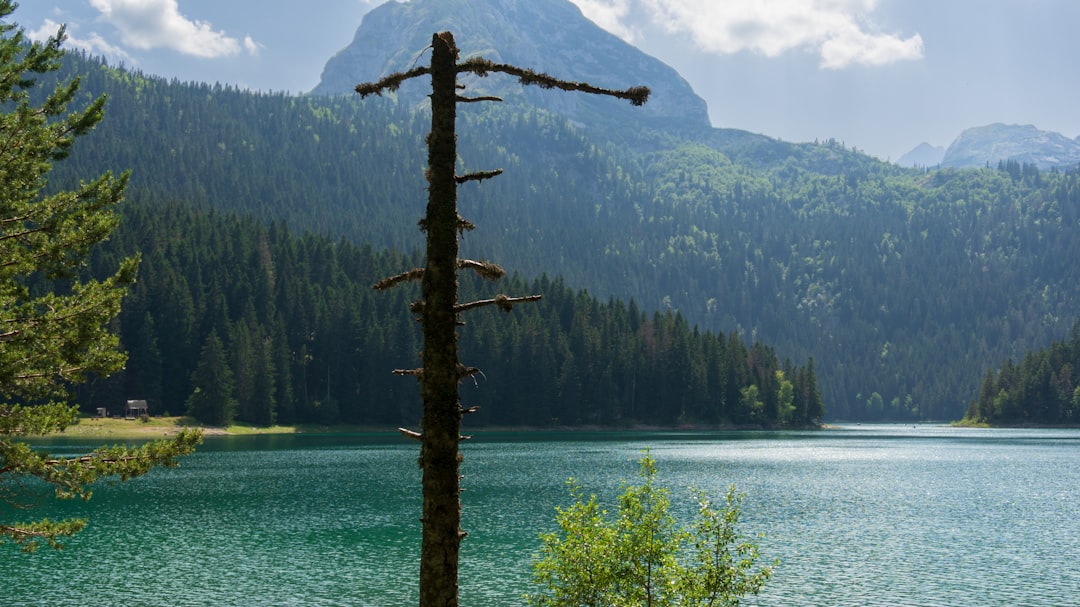
The water is cold. Not "refreshing" cold. "I just jumped into a freezer" cold. The lakes are fed by snowmelt and underground springs, and they rarely warm up above 10 degrees Celsius, even in August. The color is a surreal, milky turquoise, caused by glacial flour suspended in the water. It looks like liquid glass. It looks like something from a fantasy novel. And it is surrounded by jagged peaks that seem to rise vertically out of the water. The silence here is absolute. No cars. No planes. Just the wind and the occasional cry of a golden eagle.
The Ascent: From Pine Forest to Stone
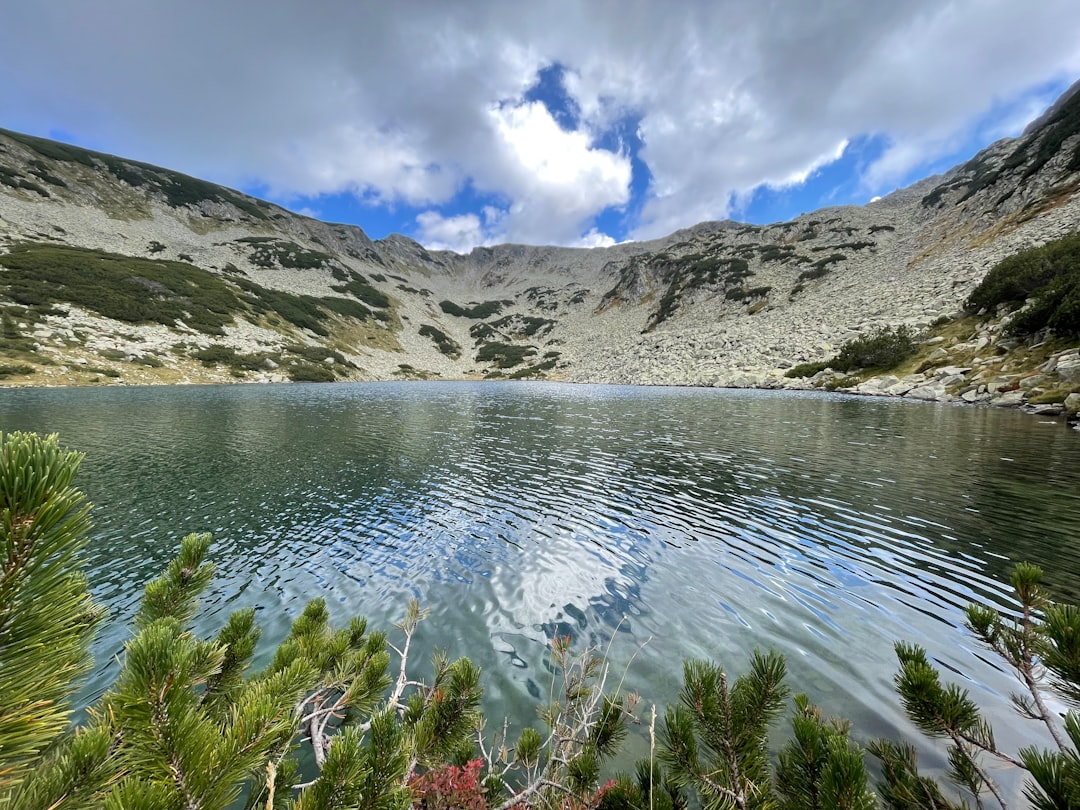
The hike begins at Boyansko Lake, the lowest of the seven, which is accessible by a winding road from the town of Rila. But to see the upper lakes, you must leave the car behind. The trail from Boyansko Lake to the highest lake, Seven Rila Lakes, is a 14-kilometer round-trip that gains nearly 600 meters in elevation. It is not a walk in the park. It is a serious trek.
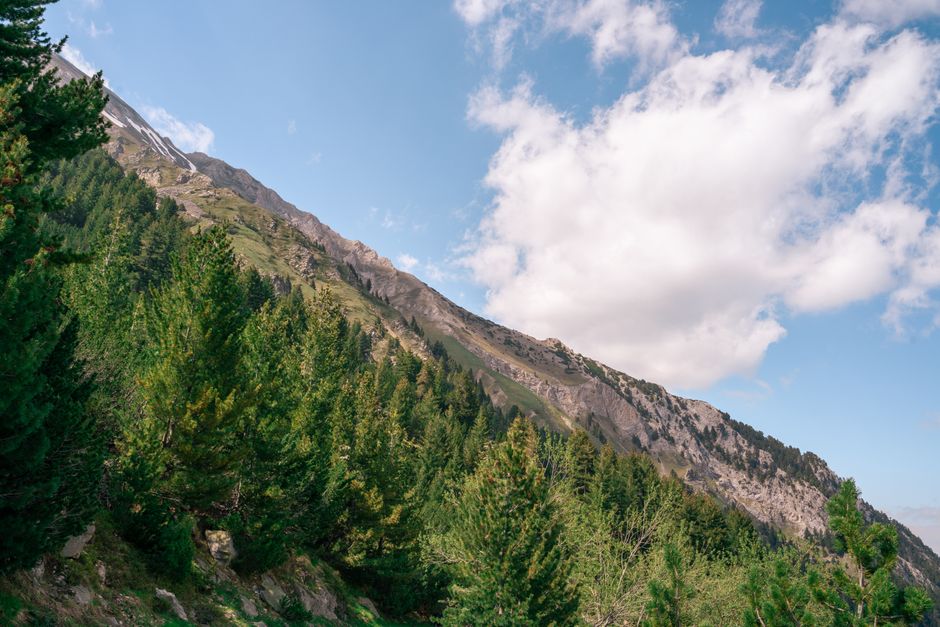
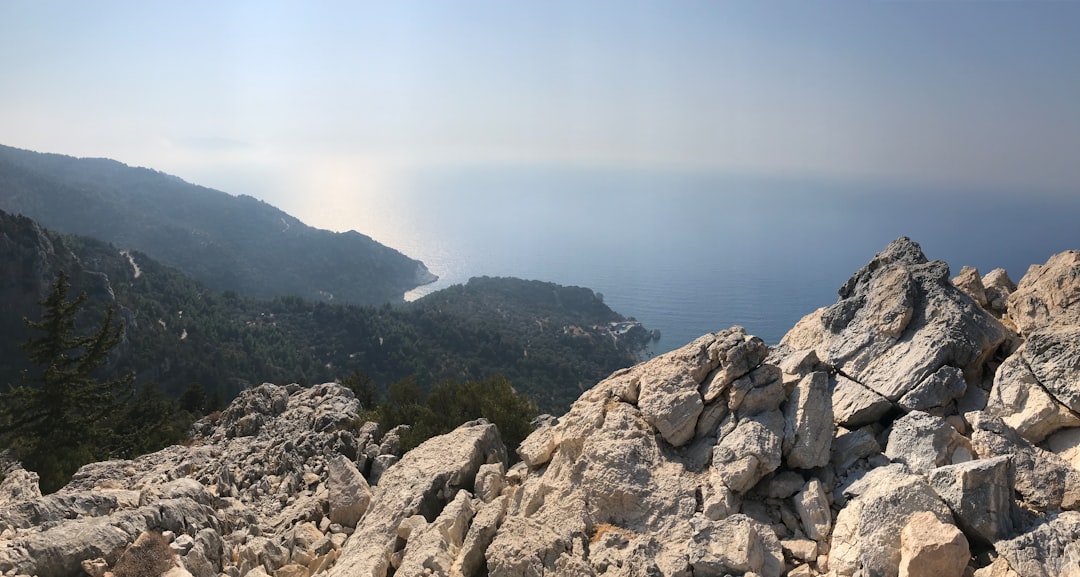
The first few kilometers are through dense pine forest. The air smells of resin and damp earth. The trail is well-marked with red stripes on rocks and trees. You pass small mountain huts and picnic areas. But as you climb higher, the trees disappear. The ground turns to scree and boulder fields. The wind picks up. The temperature drops. You are now in the alpine zone. The views open up, and you can see the entire Rila National Park spread out below you. It is a dizzying, terrifying, beautiful sight.
Routes & Trail Info
There is one main route to the Seven Rila Lakes, and it is well-trodden. It starts at the parking lot near Boyansko Lake and follows the marked trail to the highest lake. The trail is well-maintained, but it is steep in places. You will need good hiking boots. You will need water. You will need layers. The weather can change in minutes.
Route: Boyansko Lake to Seven Rila Lakes and back.
Starting Point: Parking area near Boyansko Lake, Rila.
Total Distance: 14 km round-trip.
Elevation Gain: 580 meters.
Estimated Duration: 4-5 hours.
Difficulty: Intermediate. Suitable for most fit hikers, but not for young children or those with knee problems.
Alternative: If you want a shorter hike, you can stop at Seven Rila Lakes, the second-highest lake, and turn back. This cuts the hike to about 10 km round-trip. But why would you? The upper lakes are the prize.
Getting There & What to Expect
The nearest town is Rila, a small village at the base of the mountain. It is about 120 km from Sofia, the capital of Bulgaria. You can drive there in about 2.5 hours. There are also buses from Sofia to Rila, but they are infrequent. If you are driving, park at the lot near Boyansko Lake. There is a small fee for parking.
Accommodation: There are several guesthouses in Rila village. Budget options start at 20-30 EUR per night. Mid-range hotels are 40-60 EUR. If you want to stay closer to the trail, there are mountain huts near the lakes, but they are basic and often fully booked in summer.
Food: You can buy food in Rila village. A simple meal at a local restaurant is 8-12 EUR. There are no restaurants at the lakes. Bring your own food and water. There are small shops at Boyansko Lake, but selection is limited.
Best Time to Visit: July to September. The lakes are frozen in winter. The trail is often muddy in spring. August is the busiest month. July and September are quieter.
Search accommodation in Rila, Bulgaria on Booking.com →
The Descent into Reality
Coming down is easier on the knees, but harder on the mind. You leave the silence behind. You pass other hikers. You hear the distant sound of cars. You return to the world of taxes and deadlines and bad coffee. But for those few hours at the top, you were somewhere else. Somewhere real. The Seven Rila Lakes do not change you. They just remind you of what is possible. Of what you can endure. Of what is beautiful.
I am back in my car. My legs are sore. My face is windburned. I am smiling. I will be back. They all do.
Comments