


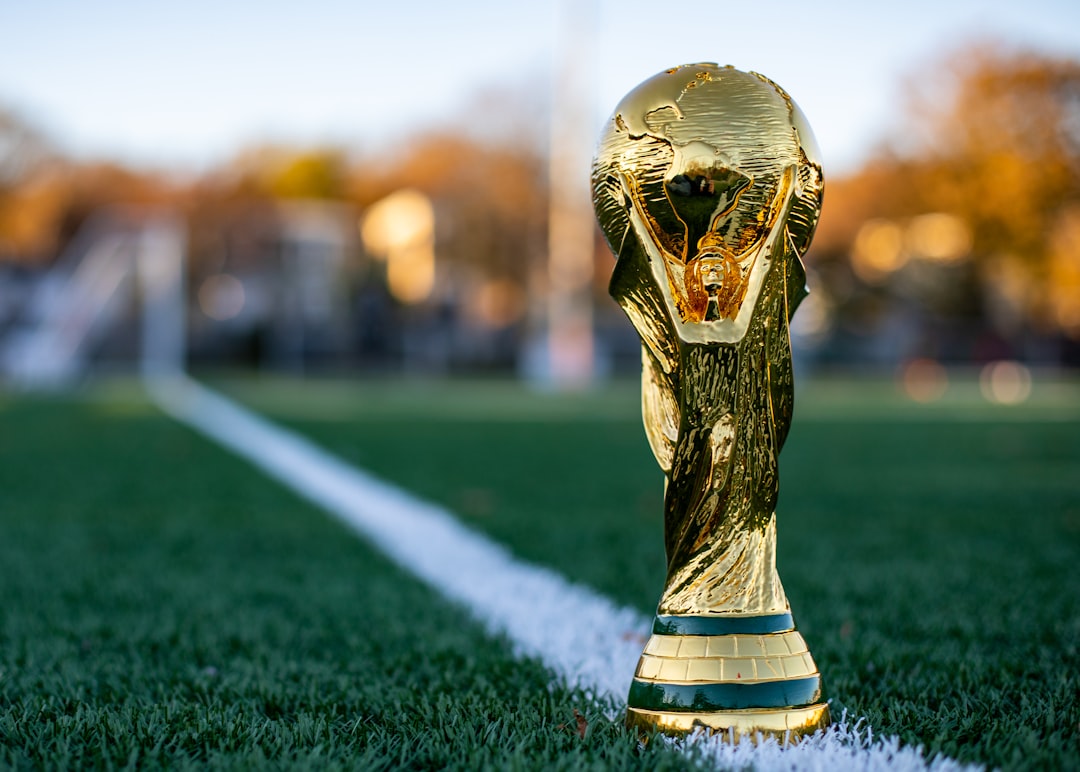
The anticipation surrounding the 2026 FIFA World Cup has intensified as the official schedule for the group stage was unveiled, marking a historic shift in international football. For the first time, the tournament will feature 48 teams instead of 32, hosted jointly by the United States, Canada, and Mexico. This expansion fundamentally alters the competitive landscape, offering nations in the Balkans—such as Serbia, Croatia, and Montenegro—a more realistic pathway to qualification. The release of the schedule provides fans and analysts with a clearer picture of the logistical scale and the heightened probability of European representation in the final tournament.
The decision to expand the World Cup was driven by FIFA's strategy to increase global engagement and revenue. However, it also addresses long-standing calls for greater inclusivity, allowing emerging football nations a chance to compete on the world stage. For Balkan audiences, this is significant because the UEFA qualifying process will now accommodate more slots. The traditional group stage, now comprising 12 groups of four teams, ensures that every match carries weight, while the increased number of participants means that strong regional performances could see multiple Balkan nations participating simultaneously in North America for the first time.
A New Structure for the Group Stage
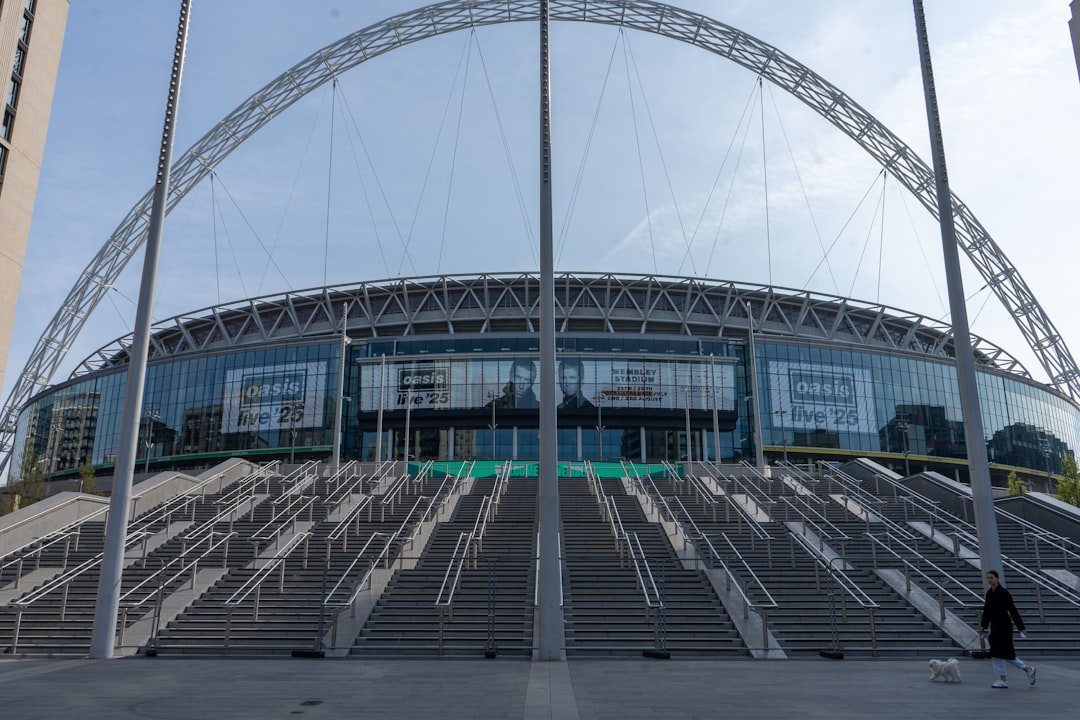
The newly released schedule highlights the complexity of the 2026 format. With 12 groups, the tournament will feature 104 group stage matches, a substantial increase from the 48 played in 2022. The host nations—USA, Canada, and Mexico—have been automatically placed in the draw, with specific cities designated to host these opening fixtures. Major venues such as MetLife Stadium in New Jersey and SoFi Stadium in Los Angeles are expected to host high-profile opening matches. This structure ensures that the tournament spans a vast geographic area, leveraging the infrastructure of all three host countries.
From a competitive standpoint, the group stage dynamics have changed. Teams now need to finish in the top two of their respective groups to advance, but the threshold for the remaining 16 spots in the knockout phase is also critical. The top eight third-placed teams will also progress to the Round of 32. This means that even if a Balkan team does not win its group, securing a third-place finish with a strong goal difference and points tally can still guarantee participation in the latter stages. This nuance requires teams to prioritize consistency over risky play, a tactical shift that coaches in Serbia and Croatia are already analyzing in preparation for the qualifying campaigns.

Implications for Balkan Nations and UEFA Qualifiers
For the Balkan region, the expansion translates to tangible opportunities. UEFA has been allocated 16 direct qualification spots for the 2026 World Cup, an increase from 13 in previous tournaments. This change reduces the pressure on traditional powerhouses and opens the door for mid-tier European nations. Countries like Serbia, Croatia, and Bulgaria stand to benefit from a slightly less congested path to the finals. The qualifying format, which typically involves large groups followed by playoffs, will now see more teams surviving the initial stage, increasing the excitement and relevance of every Balkan derby in the qualifiers.
The scheduling of the qualifiers themselves has been adjusted to accommodate the new timeline. The UEFA qualifying process is expected to begin in late 2025, running through 2026. This compressed timeline means that Balkan teams must perform from the outset, with no room for error in the early group matches. For nations like Montenegro and North Macedonia, the expanded format offers a rare chance to reach the World Cup proper, potentially boosting domestic football economies and inspiring a new generation of players. The regional rivalry between Balkan teams will be amplified, as every point earned against a neighbor could be the difference between traveling to North America or staying home.
What to Watch Next
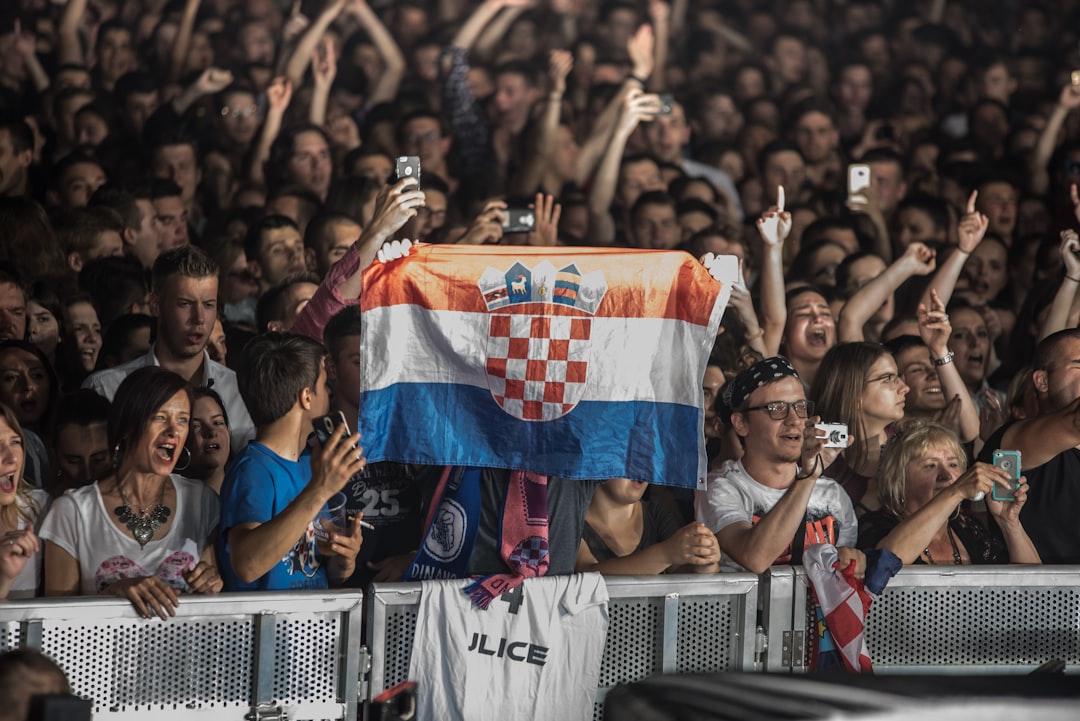
As the 2026 World Cup schedule becomes a focal point for global football discussions, the immediate attention shifts to the upcoming qualifying draws and the performance of national teams in major tournaments like the UEFA Euro 2024 and the 2025 UEFA Nations League. These competitions serve as critical barometers for team form and tactical readiness. Fans in the Balkans should monitor the development of young talents in leagues across Serbia, Croatia, and Greece, as these players will be the backbone of their national teams during the qualifying phase.
The logistical challenges of hosting a 48-team tournament in three countries will also be a key narrative. FIFA must ensure seamless travel and accommodation for teams and fans, a task that has drawn scrutiny in the past. However, the economic potential for the host nations and the participating teams is immense. For Balkan audiences, the expanded World Cup represents not just a sporting event, but a chance to see their nations compete on a larger global stage. The journey to 2026 will be defined by these qualifying battles, where every match matters more than ever before.

Comments