


The global conversation around international football is shifting rapidly as anticipation builds for the future of the **FIFA Women's World Cup**. While recent search trends indicate a surge in interest regarding tournament results and historical performances, the focus is no longer just on the scores but on the structural growth of the women's game. The tournament, which expanded to 32 teams in 2023, has set a new benchmark for viewership and commercial value, challenging traditional gender norms in sports across Europe and the Balkans. For regional audiences, this represents a critical moment where local talent and infrastructure are being scrutinized against global standards.
The query "αποτελεσματα μουντιαλ" (World Cup results) reflects a deepening engagement with football statistics, but it also highlights a gap in regional coverage. While European giants like Spain, England, and France dominate the headlines, Balkan nations are watching closely to understand how they can integrate into this expanding ecosystem. The **Women's World Cup** is not merely a sporting event; it is a catalyst for investment, policy change, and cultural shift in countries where football has historically been viewed as a male-dominated domain. The data suggests that fans are increasingly informed, seeking detailed match outcomes, player statistics, and historical context rather than just surface-level news.
Global Expansion and Record-Breaking Viewership
The **2023 FIFA Women's World Cup** hosted by Australia and New Zealand shattered previous records, attracting over 2 billion cumulative viewers worldwide. This massive audience surge has forced federations and broadcasters to rethink their strategies for marketing and broadcasting women's sports. The tournament showcased a higher level of tactical sophistication and athletic performance, narrowing the gap with men's professional leagues. Teams like **Spain**, who claimed their first title by defeating England in the final, demonstrated that national investment yields tangible results on the pitch. This success story serves as a blueprint for other nations aiming to climb the **FIFA Women's World Ranking**.
However, the expansion to 32 teams also exposed disparities in development. While traditional powerhouses continued to dominate, emerging nations struggled to compete at the same intensity. This dynamic is crucial for understanding the future landscape of the sport. The **International Federation of Association Football (FIFA)** has committed to further investments, including a significant portion of the prize money distribution to the host confederations. For European teams, this means increased funding for grassroots programs and professional leagues, which could indirectly benefit Balkan nations through shared resources and training methodologies within UEFA frameworks.
The Balkan Context: Growth Amidst Challenges
In the Balkans, the women's game is undergoing a transformation, albeit at a slower pace than in Western Europe. Countries like **Serbia**, **Greece**, and **Bulgaria** have seen their national teams participate in qualification tournaments, but they rarely advance to the final stages of the World Cup. The **Serbian women's national football team**, for instance, has shown resilience in recent years, securing spots in major European competitions and drawing larger crowds domestically. Similarly, **Greece** has made strides in professionalizing its league structure, offering more opportunities for local talent to develop without needing to emigrate immediately.
The cultural shift is evident in the growing support for women's clubs in the region. Fans are increasingly attending matches, and media coverage, while still limited, is becoming more consistent. This grassroots support is vital for sustaining the sport. However, challenges remain, including inadequate funding, lack of professional contracts for many players, and insufficient infrastructure. The **UEFA Women's Champions League** remains the primary stage for Balkan clubs to compete against European elites, and while victories are rare, participation provides valuable experience and exposure. The region's potential is undeniable, but realizing it requires sustained commitment from national federations and private sponsors.
Media Narratives and Public Engagement
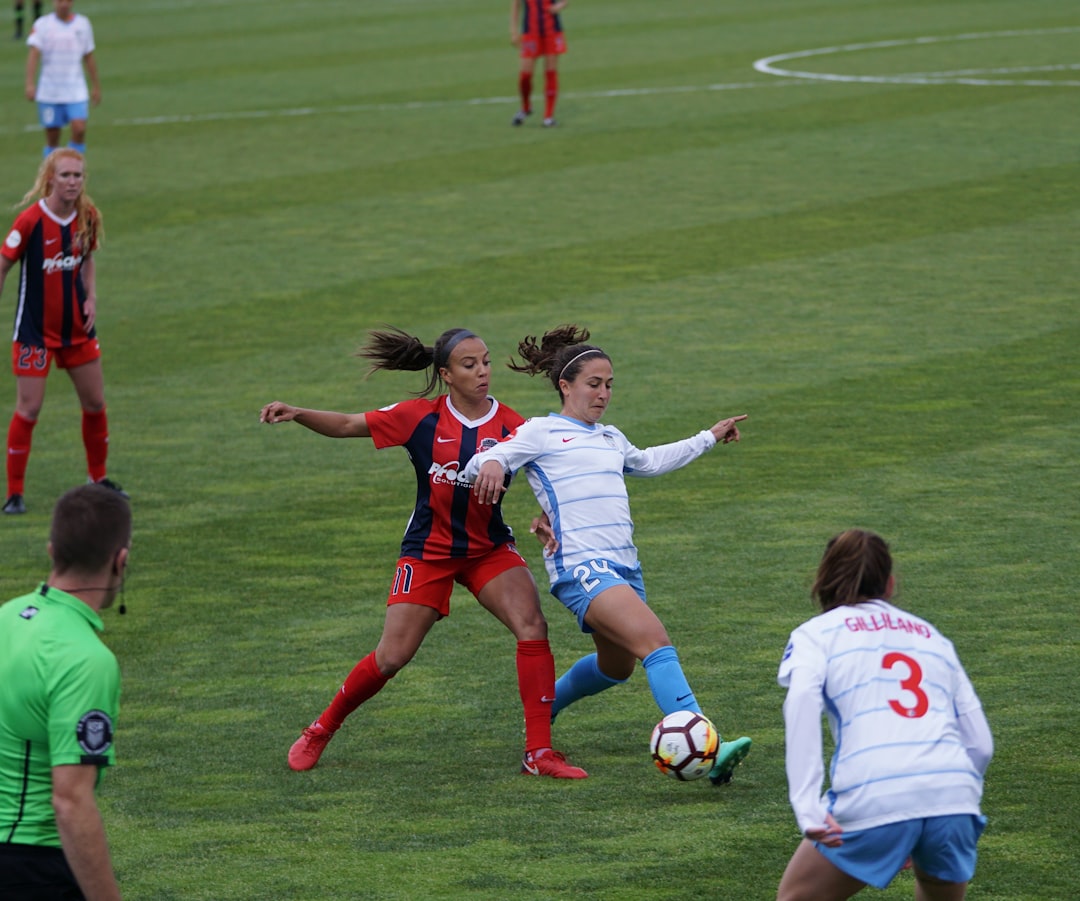
Beyond the pitch, the media narrative surrounding the Women's World Cup has evolved significantly. Discussions now frequently include topics like pay equity, media representation, and the commercial viability of women's sports. In the Balkans, these conversations are beginning to take root, driven by social media activism and the visibility of star players who compete abroad. The trending search terms related to results and performances indicate that fans are engaging with the sport on a deeper level, analyzing tactics and player contributions rather than just celebrating goals.
Yet, there is still a long way to go in terms of equitable coverage. Mainstream media outlets in the region often prioritize men's football, leaving women's matches to niche platforms or social media channels. This disparity limits the ability of female athletes to build personal brands and secure sponsorship deals. As the **FIFA Women's World Cup** continues to gain prominence, pressure will mount on regional broadcasters and newspapers to provide more balanced coverage. The success of women's football in the Balkans will depend largely on whether these media entities recognize the commercial and social value of the sport.
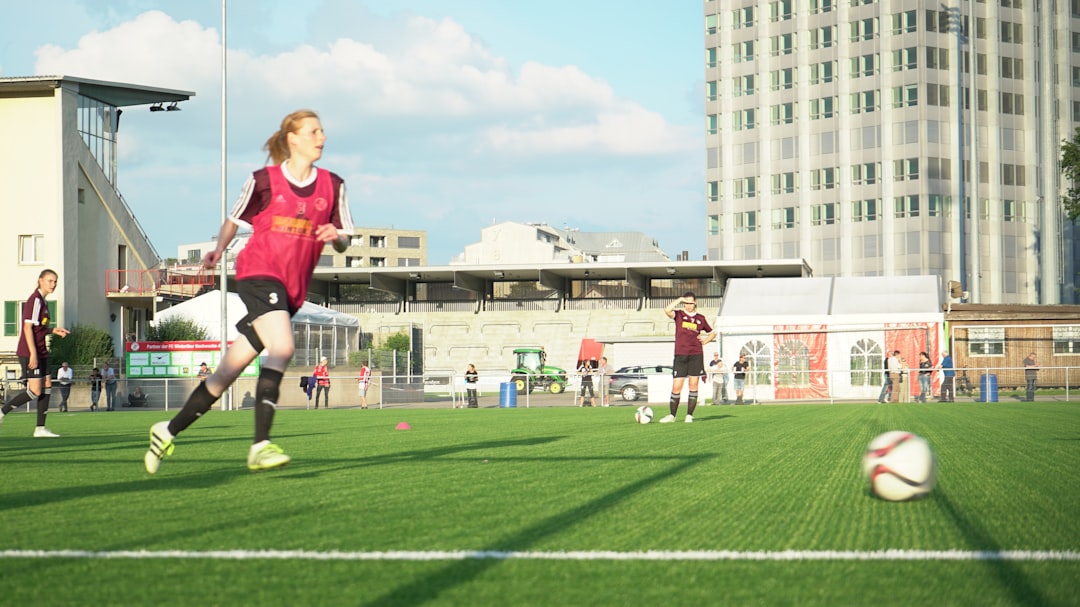
Looking ahead, the next **FIFA Women's World Cup** in 2027 will be a critical test for the progress made in the last few years. For Balkan nations, the goal will be to improve qualification performances and strengthen domestic leagues. Fans should watch for increased investment in youth academies and more professional contracts for local players. The global spotlight on women's football is brighter than ever, and the region has the opportunity to capitalize on this momentum. By supporting local teams and demanding better coverage, audiences can help drive the necessary changes to ensure that women's football in the Balkans reaches its full potential.
Comments