


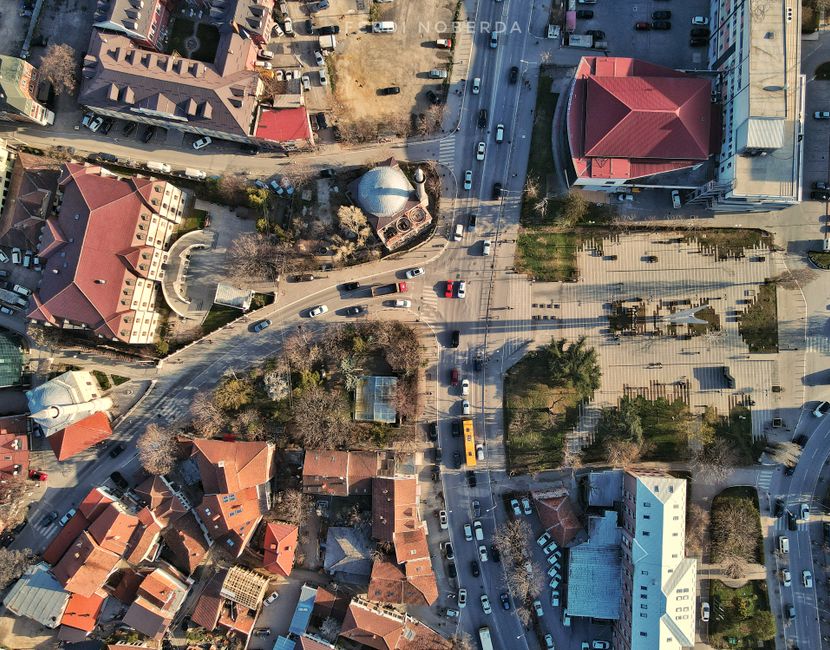
The term Novi Beograd, or "New Belgrade," is currently dominating search trends across Serbia and the wider Balkan region, reflecting a surge in interest surrounding the capital's most distinctive urban district. Once envisioned as a communist utopia and later criticized for its stark concrete aesthetics, this sprawling suburb on the left bank of the Sava River is undergoing a significant cultural and architectural renaissance. For international observers and Balkan residents alike, the trend highlights a shifting narrative: Novi Beograd is no longer just a dormitory for Belgrade's workers but is emerging as a vibrant hub of modern living, real estate investment, and cultural activity. This transformation is particularly relevant as the region grapples with rapid urbanization and the modernization of post-socialist infrastructure.
The renewed attention stems from a combination of factors, including major infrastructure projects, the revitalization of public spaces, and a growing demographic of young professionals moving into the area. As Belgrade continues to expand its footprint, Novi Beograd stands at the center of these changes. The district, which began construction in the 1940s, represents one of the largest urban planning experiments in post-war Europe. Today, it is home to over 200,000 residents, making it a critical component of Serbia's economic and social landscape. The trending searches suggest that both locals and potential investors are closely monitoring developments that promise to reshape the daily life of Belgrade's citizens.
From Concrete Blocks to Modern Hubs
Historically, Novi Beograd was designed as a functionalist city, characterized by its uniform residential blocks, known locally as blockovi. For decades, this architecture was synonymous with the austerity of the socialist era, often perceived as cold and impersonal. However, the current trend reflects a dramatic shift in perception. Recent years have seen an influx of modern high-rise apartments, boutique hotels, and commercial centers that contrast sharply with the older concrete structures. This architectural evolution is part of a broader effort to modernize Belgrade's image, aligning it with other European capitals that have successfully repurposed their post-war districts.
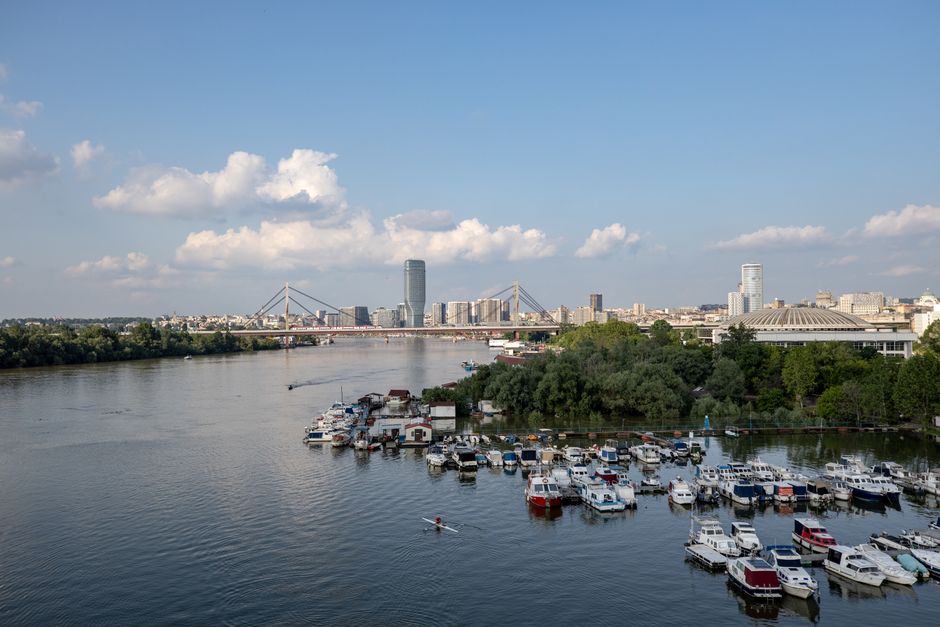
Key projects driving this change include the development of the Belgrade Waterfront, a massive real estate initiative located on the Sava Riverfront. While the project has faced controversy and debate regarding its environmental and social impact, it has undeniably altered the physical and economic landscape of Novi Beograd. The introduction of luxury residences, retail complexes, and pedestrian-friendly zones has attracted a new demographic of residents. This shift is not merely aesthetic; it represents a fundamental change in how urban space is utilized and valued in Serbia. The district is now seen as a place of opportunity, where modern amenities meet the historical legacy of the city.
Furthermore, the revitalization of public spaces has played a crucial role in this transformation. Areas such as Ušće Park and the Tašmajdan vicinity have been upgraded with new playgrounds, jogging tracks, and green spaces. These improvements have made the district more attractive to families and young professionals, fostering a sense of community that was previously lacking. The trend in search queries indicates that people are increasingly interested in the quality of life in Novi Beograd, looking for information on housing prices, neighborhood amenities, and lifestyle options. This interest underscores a broader societal shift towards prioritizing urban livability and modern infrastructure.
Economic Impact and Real Estate Boom
The surge in interest in Novi Beograd is closely tied to the booming real estate market in Belgrade. Property prices in the district have risen significantly over the past decade, outpacing many other parts of the city. This increase is driven by both domestic demand and foreign investment, with Novi Beograd being seen as a prime location for both residential and commercial properties. The construction of new office buildings and business centers has created thousands of jobs, further fueling the demand for housing in the area. For many Serbians, owning a property in Novi Beograd has become a symbol of economic success and stability.
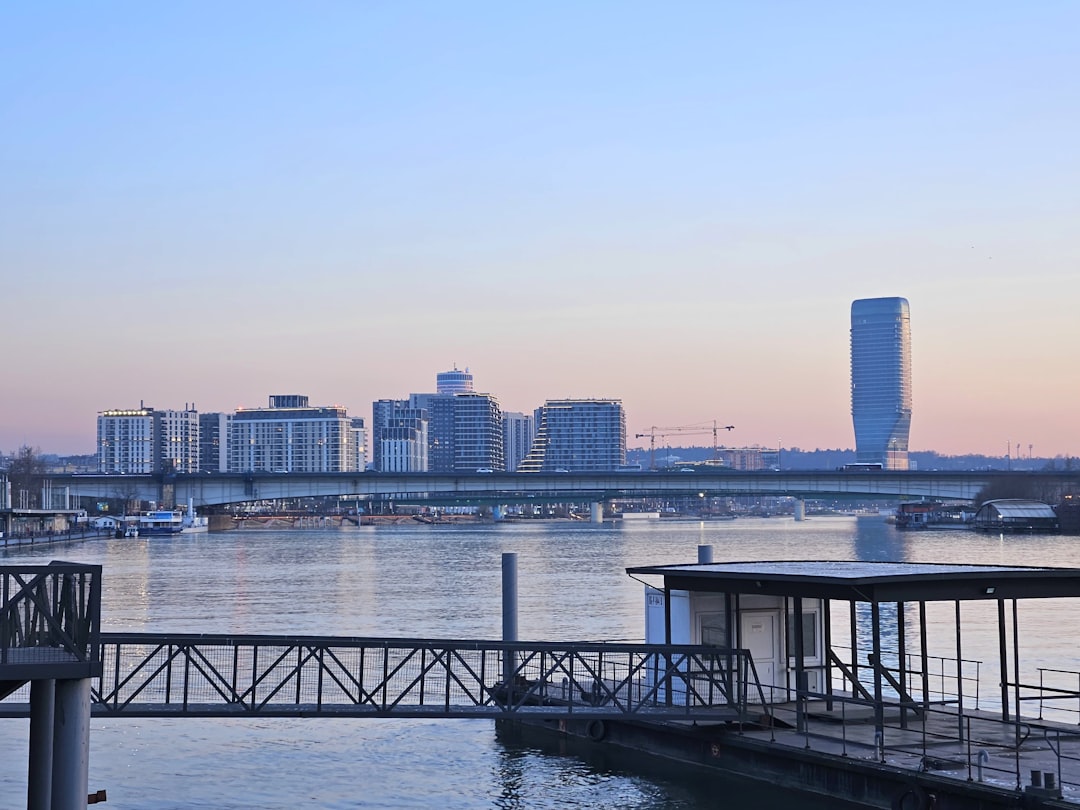
However, this rapid growth has also raised concerns about affordability and gentrification. As prices climb, long-term residents are finding it increasingly difficult to keep up with the cost of living. There are fears that the influx of wealthy newcomers could displace existing communities, leading to social fragmentation. Local authorities have been urged to implement policies that protect affordable housing and ensure that the benefits of urban development are shared more equitably. The debate over how to balance economic growth with social equity is a central theme in discussions about Novi Beograd's future. Trending searches often reflect these concerns, with users looking for information on rental markets, property rights, and government regulations.
Despite these challenges, the economic potential of Novi Beograd remains strong. The district is home to major companies, international schools, and healthcare facilities, making it a self-sufficient urban center. Its proximity to the city center, combined with improved transportation links, makes it an attractive option for commuters and businesses alike. The ongoing development of the First Belgrade Bridge and other infrastructure projects is expected to further enhance connectivity and accessibility. As the city continues to grow, Novi Beograd is poised to play an increasingly important role in Serbia's economic landscape, serving as a model for urban development in the Balkans.
Cultural Renaissance and Social Life
Beyond economics and architecture, Novi Beograd is experiencing a cultural renaissance that is capturing the public imagination. The district has become a hub for arts, music, and nightlife, with numerous galleries, clubs, and restaurants opening in recent years. This vibrant social scene has attracted a young, creative demographic that is reshaping the cultural identity of the area. Events such as the Exit Festival in Novi Sad have inspired similar initiatives in Belgrade, with Novi Beograd becoming a focal point for cultural expression and community engagement.
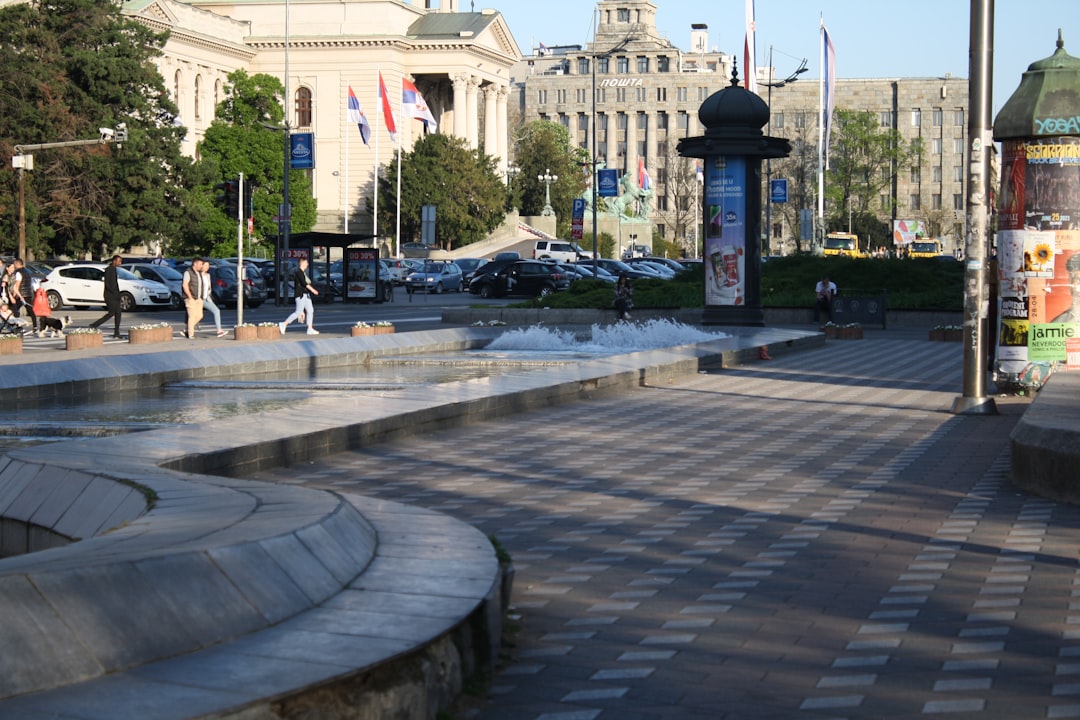
The transformation of former industrial sites into cultural spaces is a notable aspect of this trend. Abandoned factories and warehouses are being repurposed into loft apartments, co-working spaces, and art galleries. This adaptive reuse of buildings not only preserves the historical character of the district but also fosters a sense of innovation and creativity. Local artists and entrepreneurs are playing a key role in this process, collaborating to create a unique cultural ecosystem that distinguishes Novi Beograd from other parts of the city. The interest in this cultural shift is evident in the growing number of social media posts and blog articles dedicated to the district's artistic scene.
Moreover, the social fabric of Novi Beograd is evolving as diverse communities come together in this shared urban space. The district is home to people from various backgrounds, including ethnic minorities and expatriates, creating a multicultural environment that is increasingly common in modern European cities. This diversity is enriching the social life of the area, with food festivals, cultural celebrations, and community events bringing people together. The trend in search queries suggests that people are curious about this social dynamic, seeking to understand how Novi Beograd is becoming a melting pot of cultures and ideas. As the district continues to evolve, it offers a compelling case study in urban renewal and social integration.
As Novi Beograd continues to transform, it serves as a microcosm of the broader changes taking place in the Balkans. The district's journey from a post-war concrete experiment to a modern urban hub reflects the region's ongoing struggle to reconcile its past with its future. For readers and residents alike, the story of Novi Beograd is one of resilience, innovation, and adaptation. The next few years will be critical in determining how this transformation unfolds, with key developments in housing, infrastructure, and cultural policy shaping the district's trajectory. Keeping an eye on Novi Beograd is essential for understanding the future of urban living in Serbia and the wider Balkan region, as it sets a precedent for how post-socialist cities can reinvent themselves in the 21st century.

Comments