


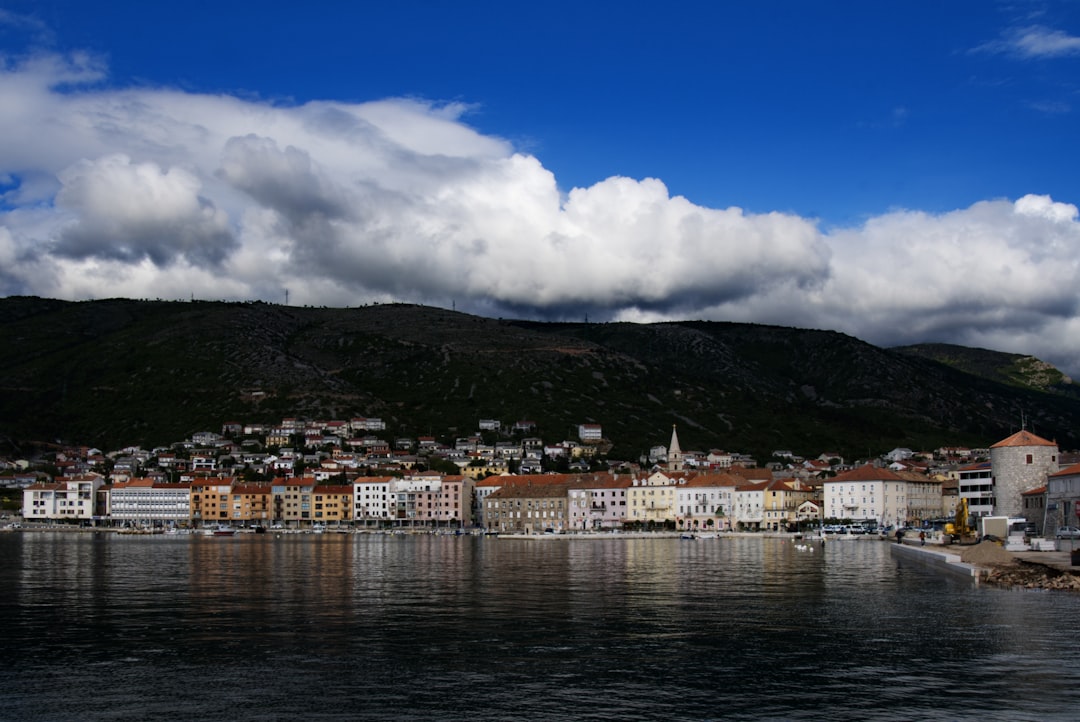
The wind off the Adriatic doesn't just blow; it carries grit. Standing on the edge of the Veli Vrljag, the air tastes of iodine and ancient evaporation. I am not here for the golden sands of Velika Plaza, though they are famous. I am here for the salt. The landscape looks like a lunar surface painted in impossible shades of magenta, turquoise, and deep violet. It is disorienting. My sunglasses reflect a world that shouldn't exist in the Mediterranean. A local salt worker, face weathered like leather, shouts something over the wind, pointing to the shallow pools where the water is thick as syrup. This is not a beach. This is a factory of biology, a place where the sun cooks the sea into crystals and turns the water into a neon nightmare. It is raw, industrial, and utterly alive.
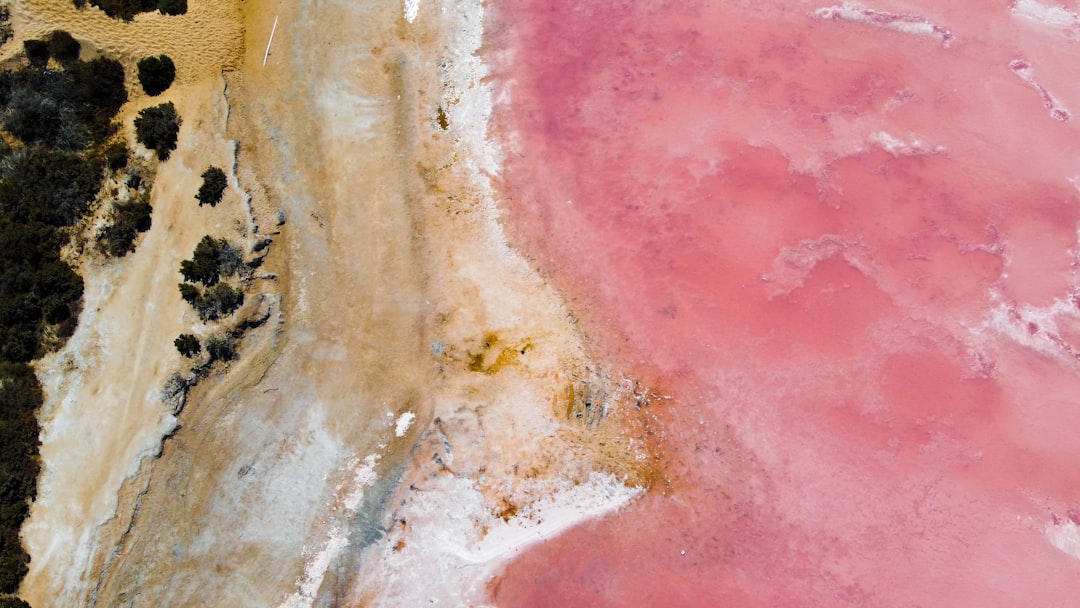
Most tourists in Ulcinj are chasing the party scene or the historic walls of the Old Town. They miss the real story. The story is written in the brine. The Ulcinj Salina is a biological engine that has been running for centuries, powered by the relentless Montenegrin sun and the tides of the Adriatic. It is a place of extremes. The salinity here is ten times that of the open sea. Yet, life doesn't just survive; it explodes. The pink color you see is not pollution. It is Dunaliella salina, a microalgae that produces massive amounts of beta-carotene to protect itself from the intense UV radiation and the crushing salt concentration. It is a survival mechanism so potent it turns the entire lagoon into a glowing pink carpet. It is nature's version of extreme metal.
The Alchemy of Salt
The process is brutal and beautiful. Sea water is pumped into the shallow evaporation ponds, known locally as saline. As the water sits under the sun, it evaporates, leaving behind a brine that grows thicker and saltier by the day. This isn't just about making table salt. It is about creating a habitat that only the toughest organisms can handle. The gradient of salinity across the lagoon creates a series of distinct ecosystems. In the outer ponds, the water is closer to seawater, hosting a variety of fish and crustaceans. As you move inward, the salinity spikes. The fish disappear. The algae take over. The water turns from blue to green, then to orange, and finally to a deep, glowing pink.
This biological shift is not random. It is a precise chemical reaction. The Dunaliella salina algae thrive in hypersaline conditions because few competitors can survive. They lack a rigid cell wall, which allows them to flex and survive the osmotic pressure. They pump out glycerol to balance the salt outside their cells. It is a microscopic war for survival, fought in every drop of water. The beta-carotene they produce is the same antioxidant found in carrots, but here it is produced in industrial quantities by nature. It is a biological miracle, a color that signals both life and extreme stress.
The salt workers, or salinari, are the conductors of this orchestra. They manage the flow of water, monitoring the levels and the weather. They know when the wind will bring rain, which could dilute the brine and ruin the harvest. They know when the algae are ready. It is a knowledge passed down through generations, a deep understanding of the microclimate. The work is hard, manual, and often done in the heat of midday. But it is also a stewardship of a unique ecosystem. Without their careful management, the delicate balance of the salina would collapse. They are not just harvesting salt; they are maintaining a biological engine.
A Sanctuary for Birds
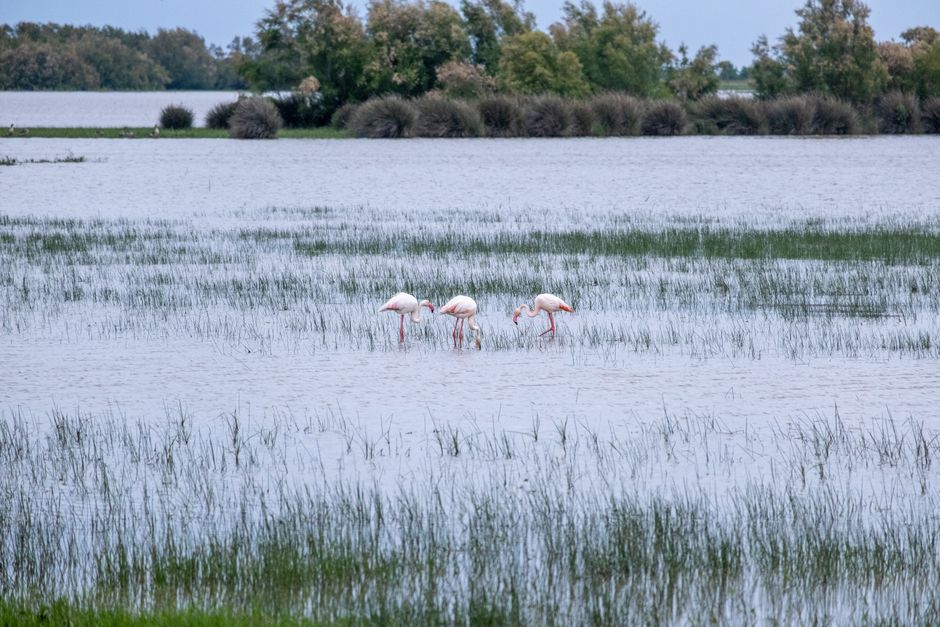
The pink ponds are not just a visual spectacle; they are a critical food source for migratory birds. The algae and the brine shrimp that feed on them provide a high-energy diet for birds traveling along the East Atlantic Flyway. In the spring and autumn, the salina becomes a bustling airport for winged travelers. Flamingos, spoonbills, avocets, and terns descend on the lagoon in large numbers. They wade through the shallow pink water, filtering out the tiny organisms with their specialized beaks.
Seeing a flock of flamingos feeding in the pink water is a surreal experience. Their feathers blend with the algae, making them almost invisible until they move. It is a moment of perfect adaptation. The birds rely on the salina for rest and refueling during their long migrations. The lagoon provides a safe haven, protected from predators and human disturbance. The salt workers and the local community recognize the importance of this role. They manage the salina in a way that balances production with conservation. Some ponds are left untouched during the breeding season to allow the birds to nest and feed in peace.
The biodiversity of the salina is far richer than it appears. Beneath the surface, there are species of shrimp, mollusks, and other invertebrates that have adapted to the high salinity. These organisms form the base of the food chain, supporting the birds and the fish that visit the lagoon. It is a complex web of life, sustained by the harsh conditions that would kill most other organisms. The salina is a testament to the resilience of nature. It shows that life can find a way, even in the most extreme environments. It is a biological miracle, a place where the line between industrial production and natural conservation blurs.
History and Industry
The salt works of Ulcinj have a history that stretches back centuries. The Venetians and the Ottomans both recognized the value of the salt produced here. Salt was a precious commodity in the past, used for preserving food and trade. The Venetian Tower in Ulcinj stands as a reminder of the maritime trade that once dominated the region. The salt from the salina was shipped across the Adriatic, connecting Montenegro to the wider Mediterranean world.
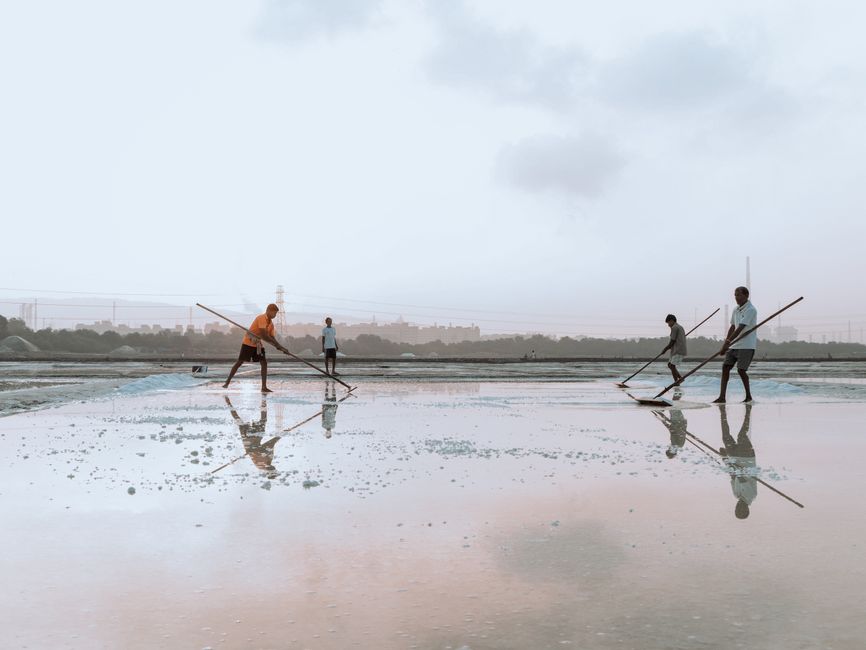
Today, the salina operates on a smaller scale, but it remains an important part of the local economy. The salt produced here is known for its high quality and purity. It is used for culinary purposes, as well as for industrial applications. The traditional methods of harvesting are still used, with workers raking the salt crystals by hand. It is a labor-intensive process, but it ensures the quality of the product. The salt is then washed, dried, and packaged for sale. It is a tangible link to the past, a product that carries the history of the region in every crystal.
The management of the salina has evolved over time. In the past, it was a state-owned enterprise. Today, it is managed by a local company that focuses on sustainable practices. They are aware of the ecological value of the lagoon and are taking steps to protect it. This includes monitoring the water quality, managing the bird populations, and ensuring that the harvesting does not disrupt the ecosystem. It is a balance between economic necessity and environmental responsibility. The salina is a living example of how industry and nature can coexist, if managed with care and respect.
Getting There & What to Expect
Reaching the salina is straightforward. It is located just south of the town of Ulcinj, easily accessible by car or bicycle. The drive from Ulcinj takes about 10 minutes. There is a parking area near the entrance, and you can walk or cycle along the perimeter of the lagoon. The best time to visit is in the late afternoon, when the light is soft and the colors of the algae are most vibrant. The sun sets over the Adriatic, casting a golden glow on the pink ponds. It is a photographer's dream.
There is no entry fee to view the salina from the outside. However, if you want to get closer, you can take a guided tour or a boat trip. Some local operators offer excursions that take you onto the lagoon, allowing you to see the algae and the birds up close. These tours cost around 15-25 EUR per person. It is a worthwhile investment, as it provides a deeper understanding of the ecosystem and the work of the salt workers. You can also buy local salt directly from the workers, a perfect souvenir that tastes of the sun and the sea.
Accommodation in Ulcinj ranges from budget hostels to luxury resorts. A night in a budget hostel costs around 15-25 EUR, while a mid-range hotel will set you back 50-80 EUR. The town is vibrant, with plenty of restaurants and bars. After a day exploring the salina, you can enjoy a seafood dinner in the Old Town, savoring the flavors of the Adriatic. The contrast between the wild, pink lagoon and the charming, historic town is part of the magic of Ulcinj. It is a place that offers both adventure and relaxation.
Search accommodation in Ulcinj on Booking.com →
The Taste of the Pink Sea
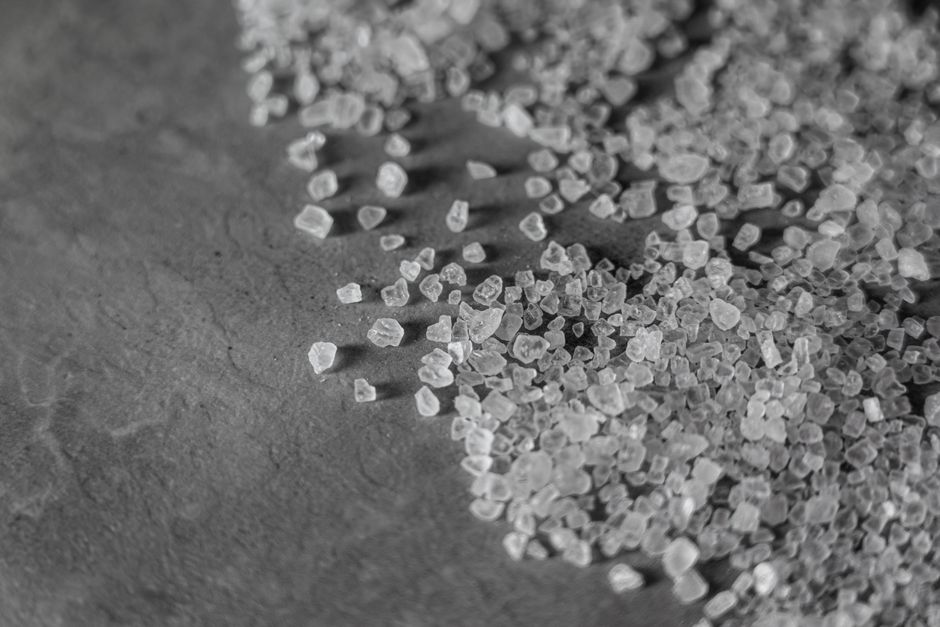
I bought a bag of the local salt from a worker named Marko. He didn't speak much English, but he smiled as he handed me the paper packet. The crystals were coarse, white, and smelled of the sea. I took it back to my hotel and sprinkled it on a simple grilled fish. The flavor was intense, clean, and complex. It tasted of the sun, the wind, and the pink algae. It was a taste of the landscape, a reminder of the biological miracle I had witnessed that day.
The salina is not just a place to see; it is a place to feel. It is a reminder of the power of nature and the resilience of life. It is a place where the boundaries between industry and ecology, between human activity and natural processes, blur and merge. It is a biological miracle, a pink jewel in the Adriatic. And it is waiting for you to discover it. The wind is blowing, the salt is in the air, and the water is glowing. Come to Ulcinj. Come to the salina. See the pink sea for yourself.
Comments