


The border checkpoint is a slap in the face. One minute I am cruising down the A1 highway in Split, the next I am staring at a rusted metal barrier and a bored customs officer who hasn't smiled since 1991. The joke of Neum is real, and it is annoying. To get to the southern coast of Croatia, you have to drive through Bosnia and Herzegovina. It is a geopolitical glitch, a 20-kilometer strip of sand that splits the country in two. But the real punchline is the Pelješac Peninsula. You can drive around it, or you can cross it, but you cannot escape the wine. The air here smells of crushed grapes, hot asphalt, and diesel fumes from the buses that ferry tourists to the beach clubs. I am here to drink until I forget the border exists.
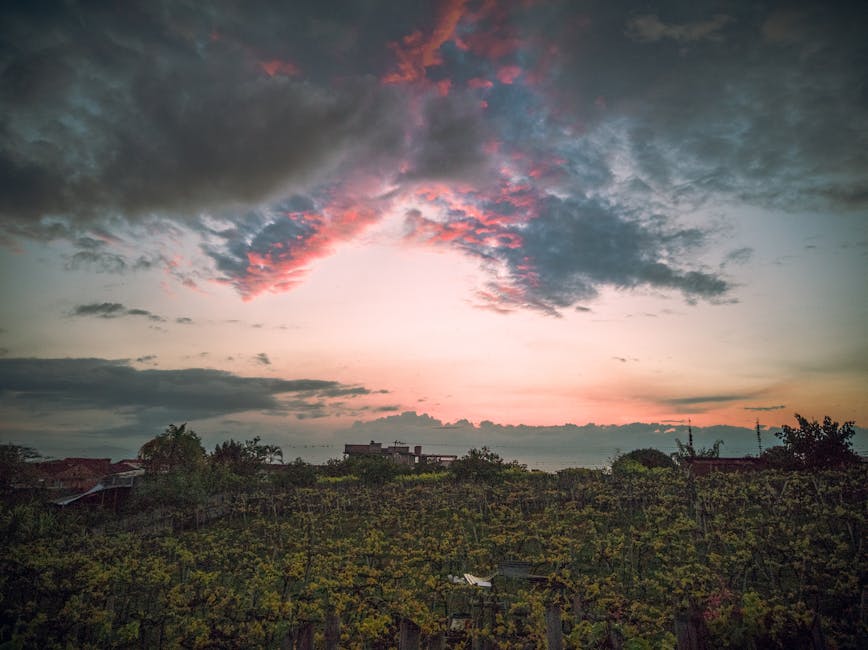
Most people think of Pelješac as a sunny escape from Dubrovnik. They come for the beaches, the seafood, and the escape from the cruise ship crowds. They leave with a sunburn and a full bladder. I am here for the Plavac Mali. It is a grape that tastes like iron and smoke, a red wine that is as stubborn and rugged as the peninsula itself. The vineyards here are not manicured rows of greenery. They are gnarled, ancient vines, trained over each other in a lattice system called gaj, looking like a tangled mess of brown sticks until you look closer and see the clusters of fruit hanging like jewels. This is old-world wine, made by people who have been doing it for centuries, long before the EU regulations, long before the tourism boom. It is raw, unfiltered, and dangerously good.
The Bridge That Never Was
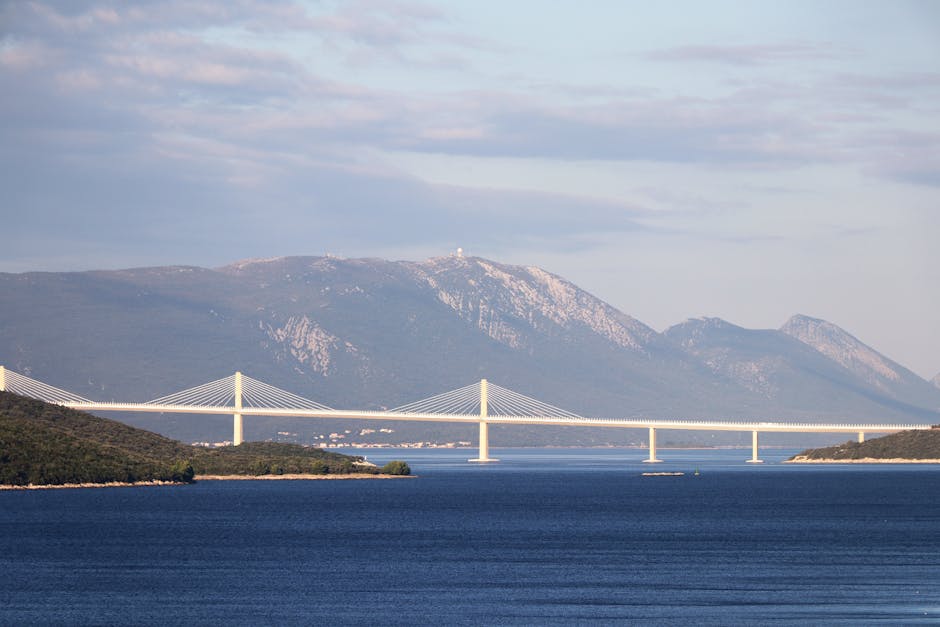
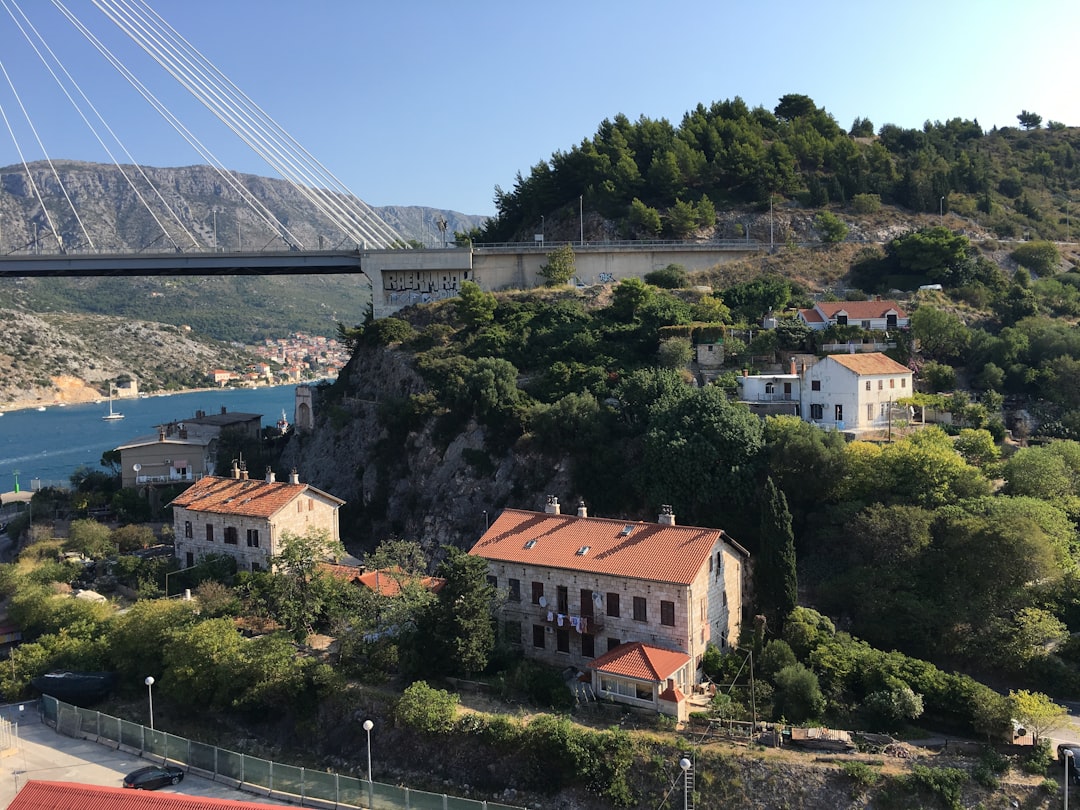
The story of Pelješac is the story of a bridge. The Pelješac Bridge opened in 2022, connecting the peninsula to the mainland without crossing Bosnian territory. It was a political triumph, a concrete solution to the Neum corridor problem. But for the wine growers, it was a double-edged sword. Suddenly, the peninsula was accessible without the hassle of border crossings. Tourists flooded in, not just by ferry or the long drive around the coast, but by car in minutes. The isolation that once protected the traditional methods is gone. The roads are now clogged with rental cars, and the prices have gone up. Yet, the wine remains the same. The terroir does not care about politics. The limestone soil, the Adriatic breeze, and the intense sun still produce grapes that are unlike any other in the world.
Driving across the bridge is an experience in itself. It is a massive structure, soaring over the Čilipi Channel, offering panoramic views of the sea and the islands below. But once you cross it, the real journey begins. The roads narrow, winding through olive groves and vineyards. The pace slows down. You are no longer in the fast lane of modern Croatia. You are in a place where time moves at the speed of fermentation. The villages here are small, scattered, and proud. Each one claims to have the best wine, the best olive oil, the best fish. They are all right, and they are all wrong. The truth is in the glass, and the glass is always full.
The Grape That Bleeds Iron
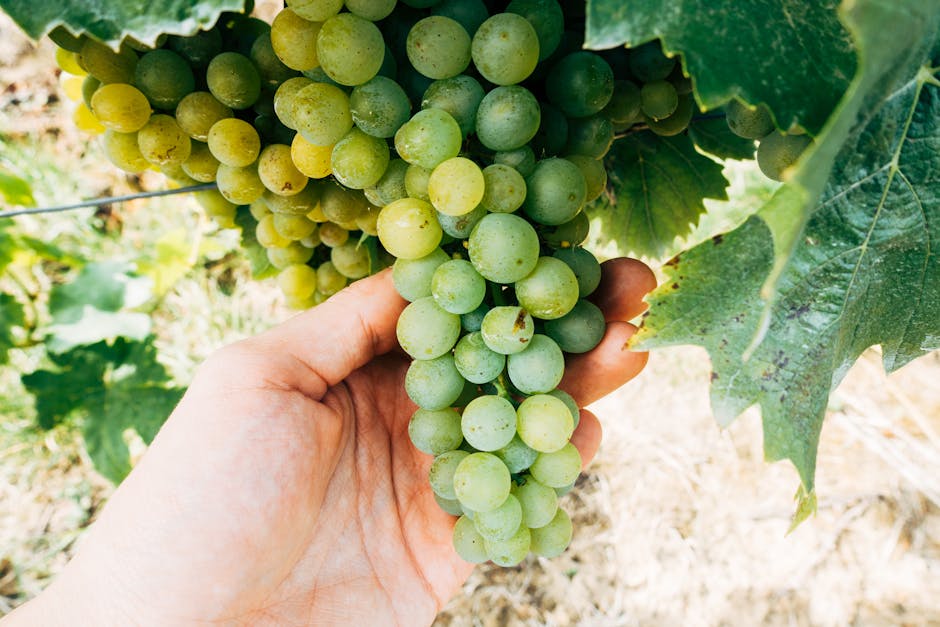
Plavac Mali is the king of Pelješac. It is a red grape, a descendant of the ancient Tribidago, and it is known for its high tannins, deep color, and complex flavors. It tastes of blackberries, cherries, and spices, with a hint of smoke and earth. It is a wine that needs time to open up, a wine that rewards patience. But it is not the only grape here. Babić is another red variety, lighter and fruitier, with notes of red berries and herbs. It is easier to drink young, a perfect companion for a summer lunch by the sea. And then there is Dingač, the small village at the southern tip of the peninsula, which produces some of the most expensive and sought-after wines in Croatia. The vineyards here are steep, terraced, and exposed to the sun. The grapes are small, concentrated, and intense. The wine is a powerhouse, a wine that can age for decades.
But to understand the wine, you have to understand the land. The peninsula is dry, rocky, and unforgiving. The vines struggle to survive, digging deep into the soil to find water and nutrients. This struggle is what gives the wine its character. It is not an easy wine. It is a wine that has fought for its life. And when you drink it, you can taste that fight. It is a reminder that great things come from hardship. The winemakers here are not just farmers. They are survivors. They have weathered wars, economic crises, and changing tastes. They have stuck to their traditions, even when it was hard. And now, the world is finally paying attention.
Where to Drink
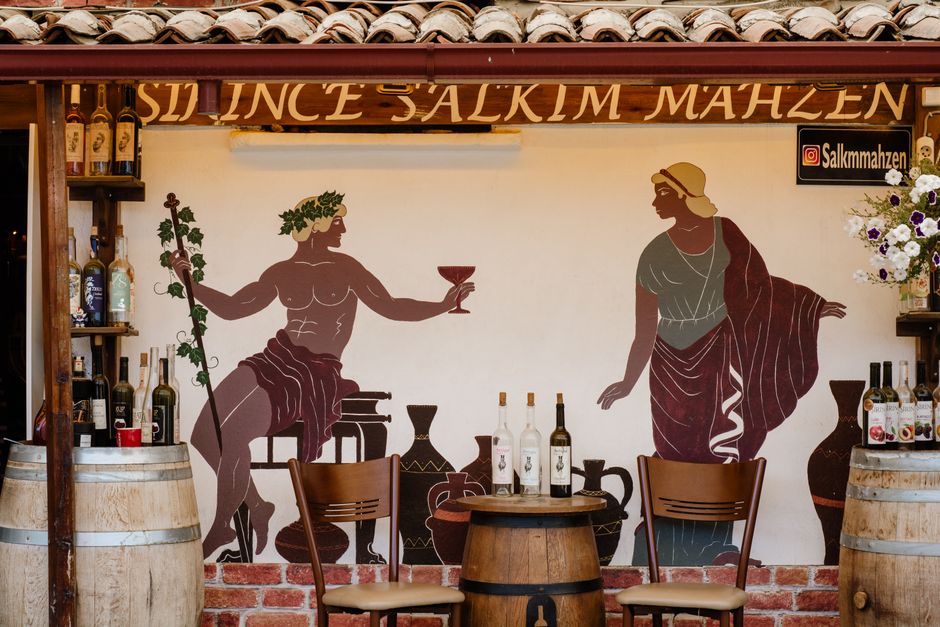
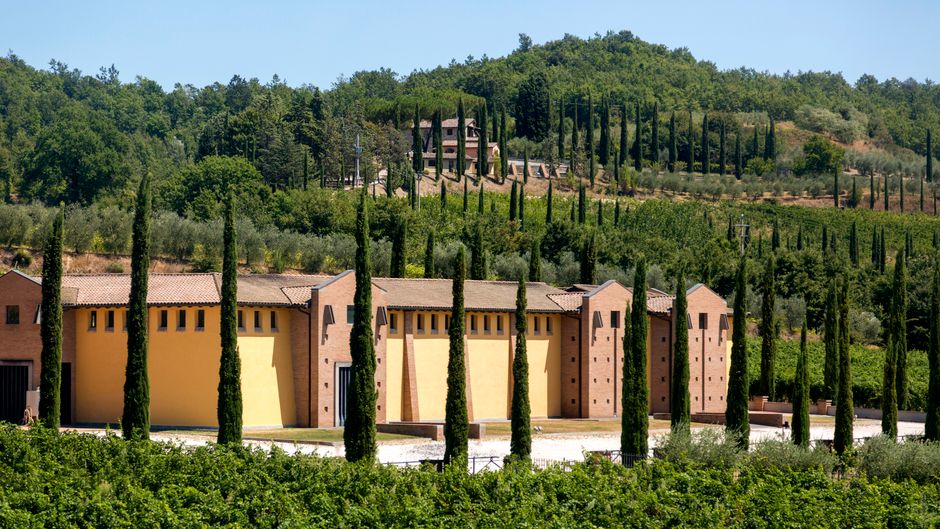
Katarina Winery — Located in the village of Donji Proložac, this winery is a family-run operation that has been making wine for generations. The tasting room is simple, with wooden tables and barrels lining the walls. The wines are robust, with a focus on Plavac Mali. The owner, Katarina, is a passionate advocate for traditional methods, and she will happily explain the process to anyone who asks. Entry is free, but tastings cost 10-15 EUR per person.
Galea Winery — Situated in the village of Postira on the island of Brač, but with a strong presence on Pelješac, Galea is known for its modern approach to traditional wines. The winery is sleek and contemporary, with a stunning view of the sea. The wines are polished and refined, with a focus on balance and elegance. The tasting experience is luxurious, with sommeliers guiding you through the flight. Tastings cost 20-30 EUR per person.
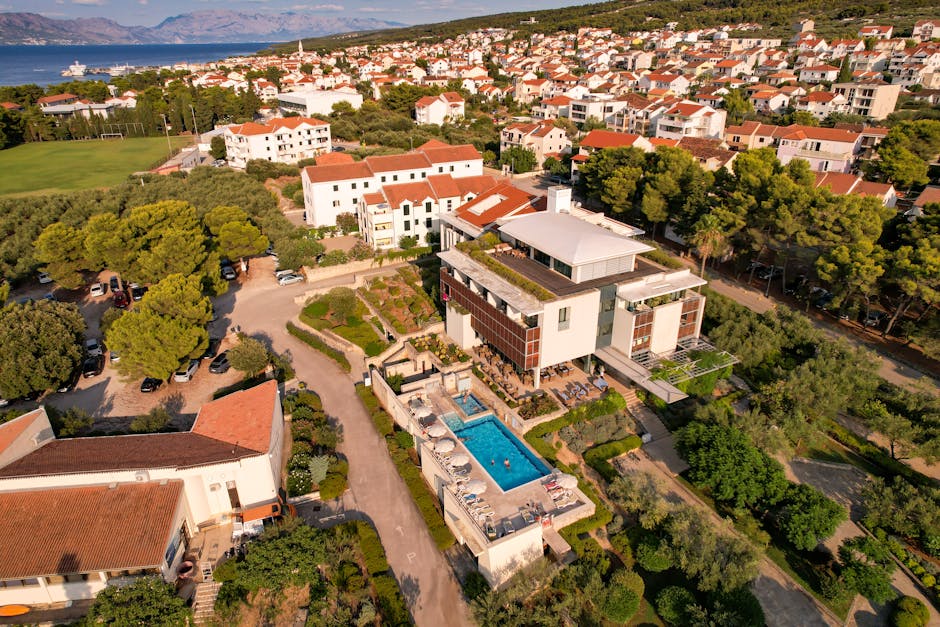
Dingač Winery — Located in the village of Dingač, this winery is the heart of the Dingač wine region. The winery is small and family-run, with a focus on producing high-quality wines from the steep, terraced vineyards. The wines are intense and complex, with a focus on Plavac Mali. The tasting room is rustic, with stone walls and wooden beams. Tastings cost 15-25 EUR per person.
What to Eat & Drink
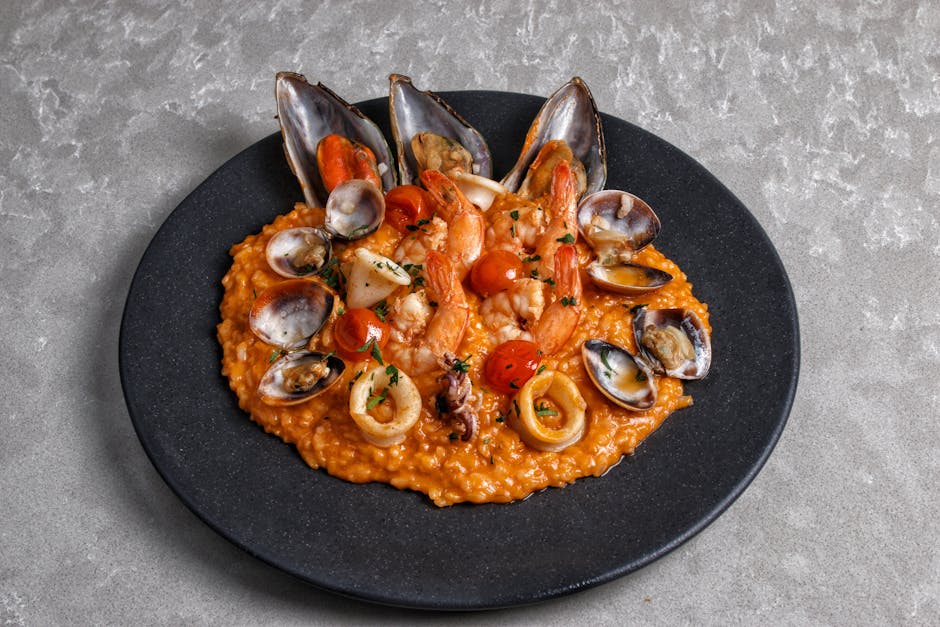
You cannot drink wine on an empty stomach, and the food here is designed to complement the wine. Ćevapi are small, grilled meat sausages, served with onions and ljepša bread. They are simple, hearty, and perfect for soaking up the tannins of the Plavac Mali. Price: 5-8 EUR. Black Risotto is a local specialty, made with squid ink and seafood. It is creamy, rich, and slightly salty, a perfect match for the lighter Babić wines. Price: 12-15 EUR. Octopus Salad is a refreshing dish, made with tender octopus, olives, and capers. It is light and flavorful, ideal for a hot summer day. Price: 8-10 EUR.
For a meal, budget 15-25 EUR per person at a local konoba, or 30-50 EUR at a more upscale restaurant. Street food is limited, but you can find fresh seafood and grilled meats at the local markets. The Dubrovnik Market is a short drive away, offering a wide variety of local produce, including olives, cheese, and wine. It is a great place to pick up supplies for a picnic or a barbecue.
Nightlife
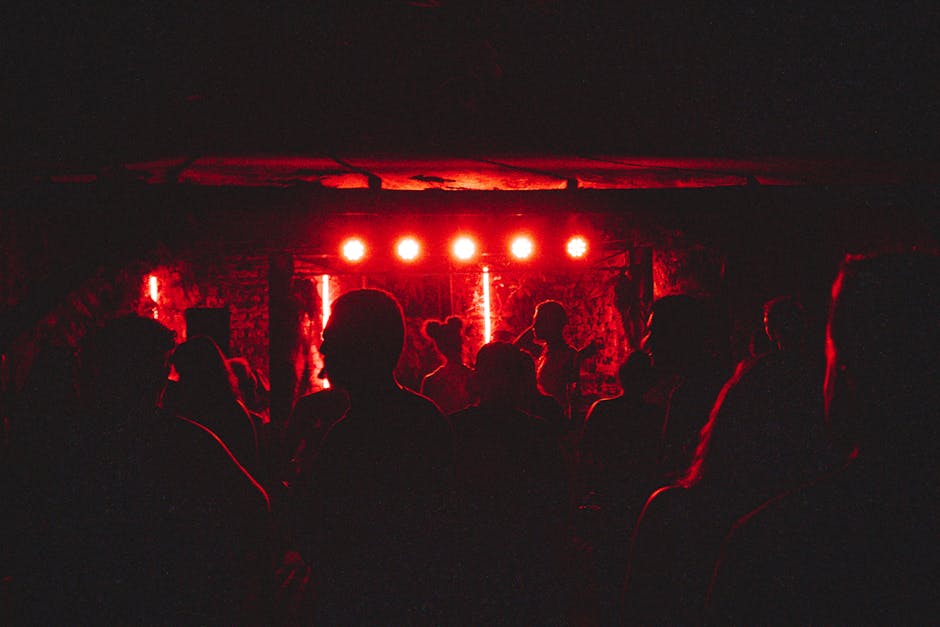
When the sun goes down, the peninsula comes alive. The Oron Bay area is the epicenter of nightlife, with a strip of beach clubs and bars lining the coast. Baby Beach is a famous party spot, with DJs playing until the early hours. It is loud, crowded, and expensive, but it is a quintessential Pelješac experience. Cover charge: 10-20 EUR. Club Bora Bora is another popular venue, with a large pool and a dance floor. It attracts a younger crowd, and the music is a mix of pop and electronic. Drinks are pricey, with cocktails costing 10-15 EUR each.
For a more relaxed evening, head to the village of Opuzen. The harbor area is lined with cafes and bars, where you can sit and watch the sun set over the sea. It is a more mature crowd, and the atmosphere is laid-back. You can order a glass of local wine, some olives, and a plate of cheese, and spend the evening chatting with the locals. It is a different side of Pelješac, one that is less about partying and more about enjoying the moment.
Getting There & What to Expect
The easiest way to get to Pelješac is by car. Drive from Dubrovnik via the Pelješac Bridge. The drive takes about 30 minutes and costs 5-10 EUR for the toll. Alternatively, you can drive around the peninsula, which takes longer but avoids the toll. The road is scenic, winding along the coast and through the vineyards. If you are coming from Split, you will need to cross the Neum corridor. The drive takes about 3 hours, and you will need to pass through two border checkpoints. It is a hassle, but it is doable.
Accommodation ranges from budget hostels to luxury villas. A night in a hostel costs 20-40 EUR, while a mid-range hotel costs 80-150 EUR per night. Luxury villas can cost 300-500 EUR per night. The best time to visit is during the harvest season, from September to October. The weather is warm, the vines are full of fruit, and the wineries are busy with activity. It is a festive time, with festivals and events celebrating the wine.
Search accommodation in Dubrovnik on Booking.com →
The Last Sip
I am sitting on a terrace in Dingač, watching the sun dip below the horizon. The glass in my hand is half-empty, the wine dark and deep. The air is cool, and the smell of the sea is mixed with the scent of the vineyards. I am tired, happy, and slightly drunk. The border crossings, the traffic, the politics — it all feels distant now. All that matters is the wine, the land, and the people who make it. Pelješac is not just a place. It is a feeling. It is a reminder that life is short, and that we should make the most of it. So raise your glass, drink deep, and let the wine wash away the rest of the world.
Comments