


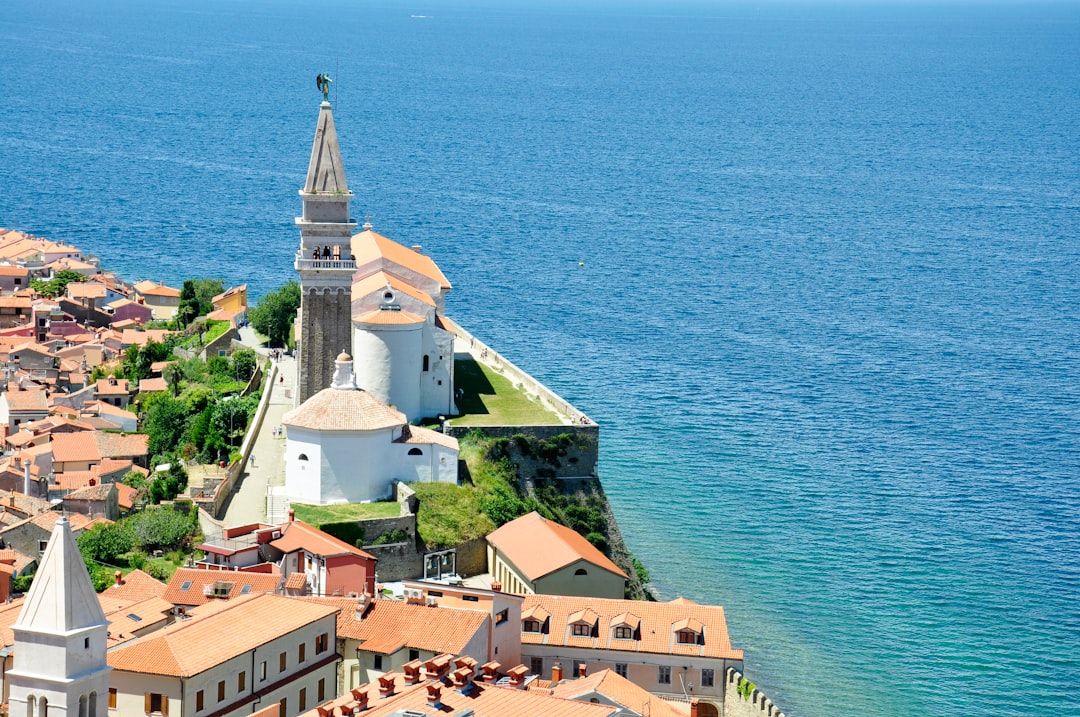
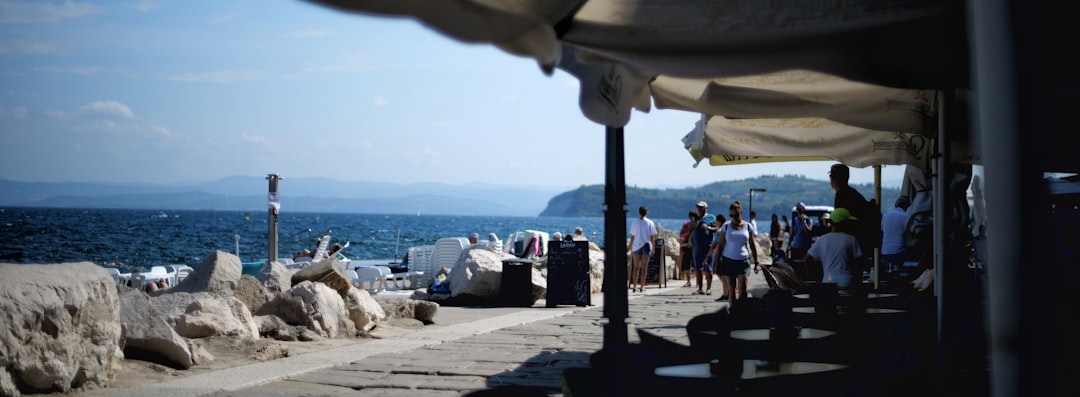
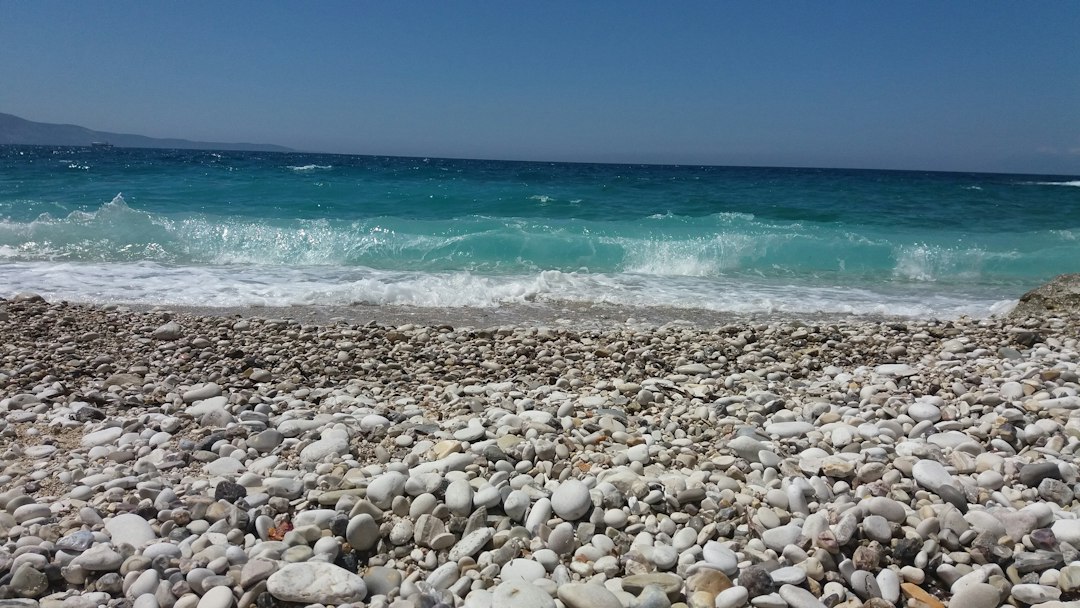
I sat on a rock the size of a toaster, nursing a lukewarm beer and watching a seagull argue with a tourist over a dropped sandwich. The Adriatic Sea slapped against the shore with a sound like a thousand marbles dropped in a tin can. This is Piran, and if you are here expecting the powdery white sands of a Caribbean postcard, you have already lost the battle. There is no sand. There is only stone, salt, and the stubborn beauty of a coastline that refuses to be soft. I came looking for relaxation, but I found a place that demands you pay attention, where every step on the beach is a negotiation with geology.
The air smells of brine and grilled octopus. The light hits the limestone buildings of the old town, turning them a creamy gold that looks almost fake until you realize you are standing in the middle of it. This isn't just a beach destination; it's a visual assault of Venetian Gothic architecture meeting the rough, pebbled edge of the Slovenian coast. You don't just visit Piran; you survive it, and then you fall in love with the grit.
History & Identity
Piran Piran is a city that wears its dual heritage like a well-fitted suit. For centuries, it was part of the Republic of Venice, and the influence is everywhere, from the narrow, winding streets to the ornate facades of the buildings. But it is also distinctly Slovenian, a cultural bridge between the Mediterranean and Central Europe. The city's layout is a medieval maze, designed to confuse invaders and cool the streets in the summer heat. The dominant feature is the Tower of Saint Nicholas, which houses a clock tower and offers a view that stretches from the Italian border to the Croatian coast.
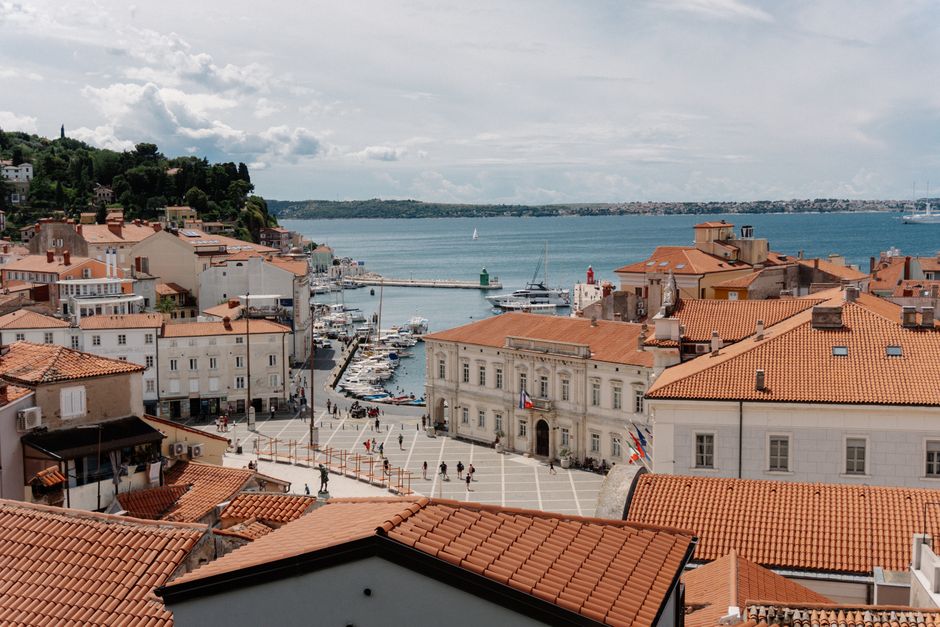
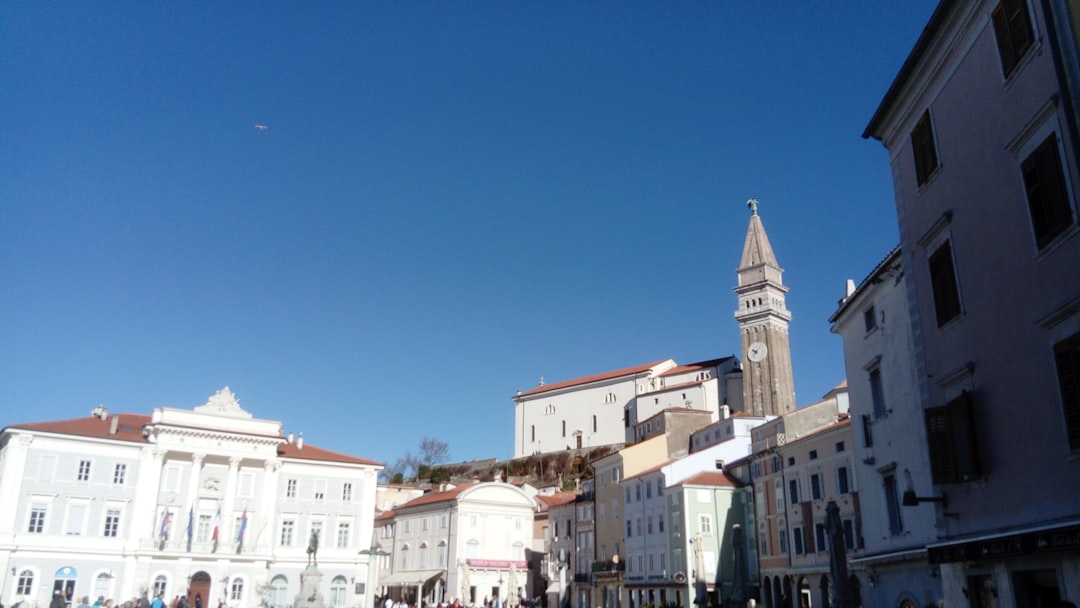
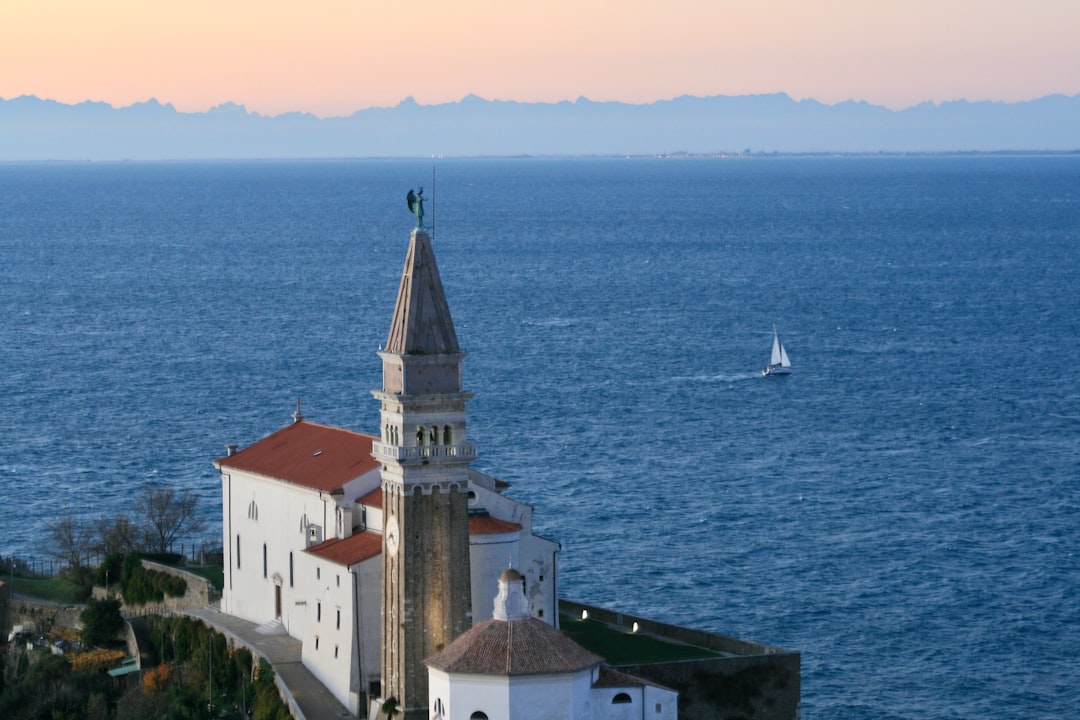
The identity of Piran is tied to the sea, but not in the way you might think. It's a city of fishermen, merchants, and artists, where the history is written in the salt-crusted walls and the bustling markets. The Tartini Square is the heart of the city, named after the famous Baroque composer Giuseppe Tartini, who was born here. The square is dominated by the Cathedral of Saint George, a Romanesque-Gothic masterpiece that anchors the city's spiritual and cultural life. This is a place where history isn't just preserved; it's lived, eaten, and breathed every day.
Where to Go
Tartini Square — The central hub of Piran, this square is a blend of cafes, shops, and historical significance. It's the perfect place to start your exploration, with the Cathedral of Saint George looming overhead. The square is often filled with musicians and street performers, adding to the vibrant atmosphere. Entry is free, but expect to spend money on coffee and pastries. The best time to visit is early morning or late evening to avoid the crowds.
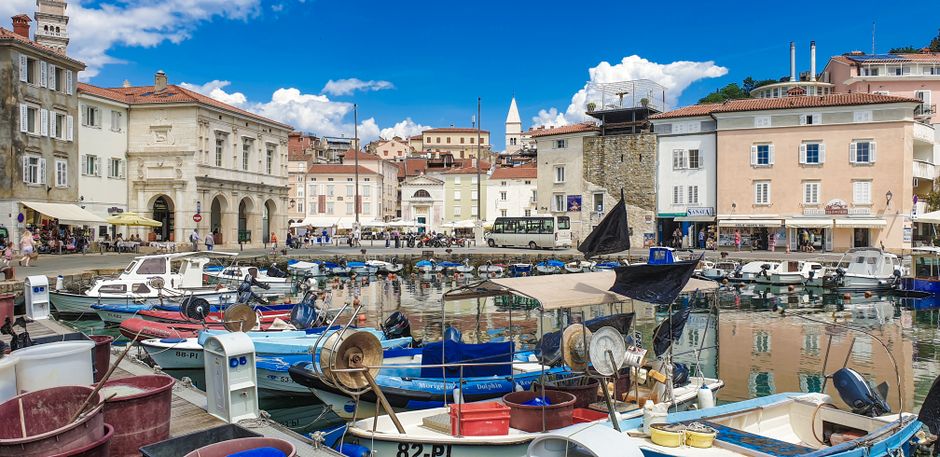
Tower of Saint Nicholas — This bell tower offers panoramic views of the entire Piran peninsula and the Adriatic Sea. Climbing the tower requires some effort, but the view is worth it. The clock tower is a symbol of the city, and the interior features historical artifacts and information about the city's past. Entry fee is approximately 5 EUR. The best time to visit is at sunset, when the light hits the sea and the city in a golden glow.
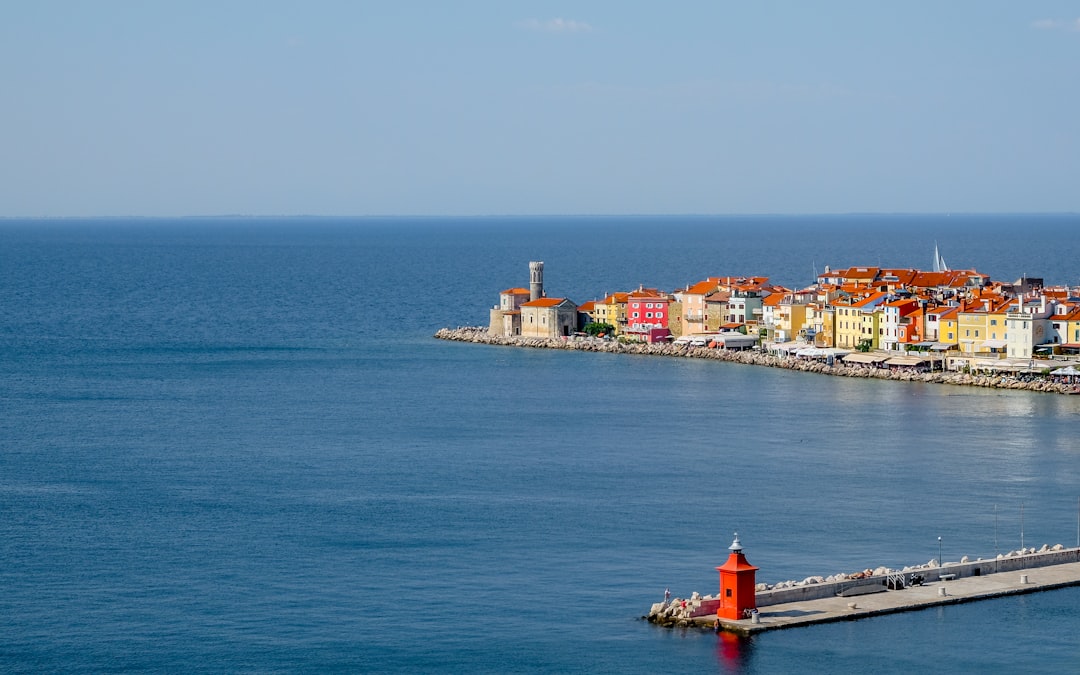
Old Town Walls — Walking along the ancient city walls is a surreal experience. You can see the city from a different perspective, looking down on the rooftops and out to the sea. The walls are well-preserved and offer a quiet escape from the busy streets below. There is no entry fee, and it's best to walk this route in the late afternoon when the light is soft and the crowds have thinned.
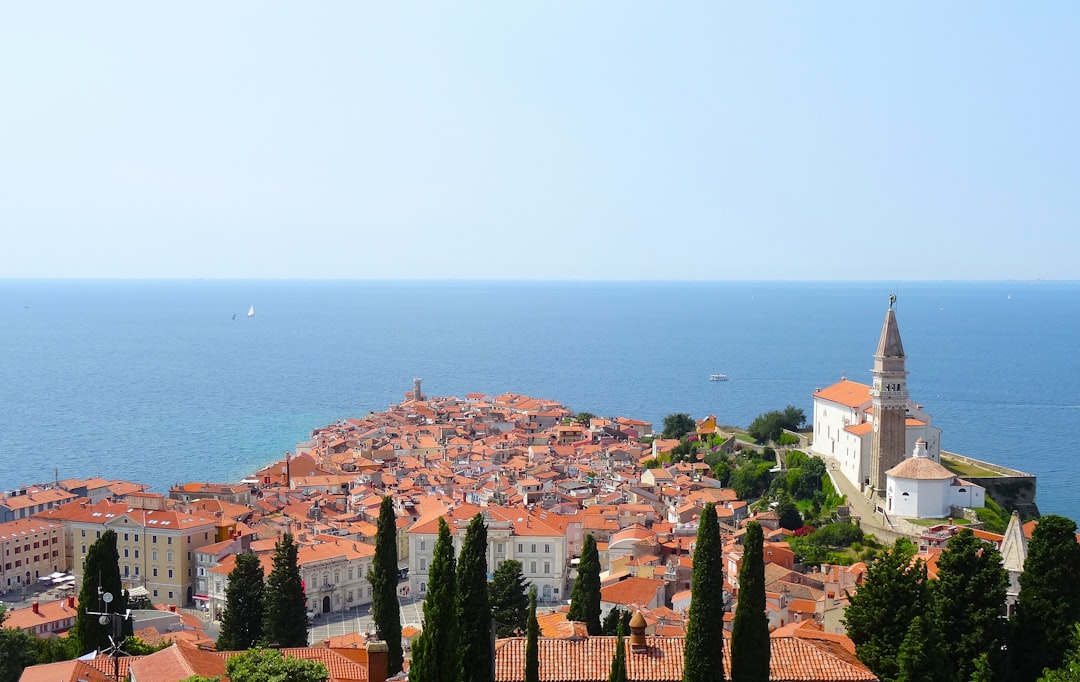
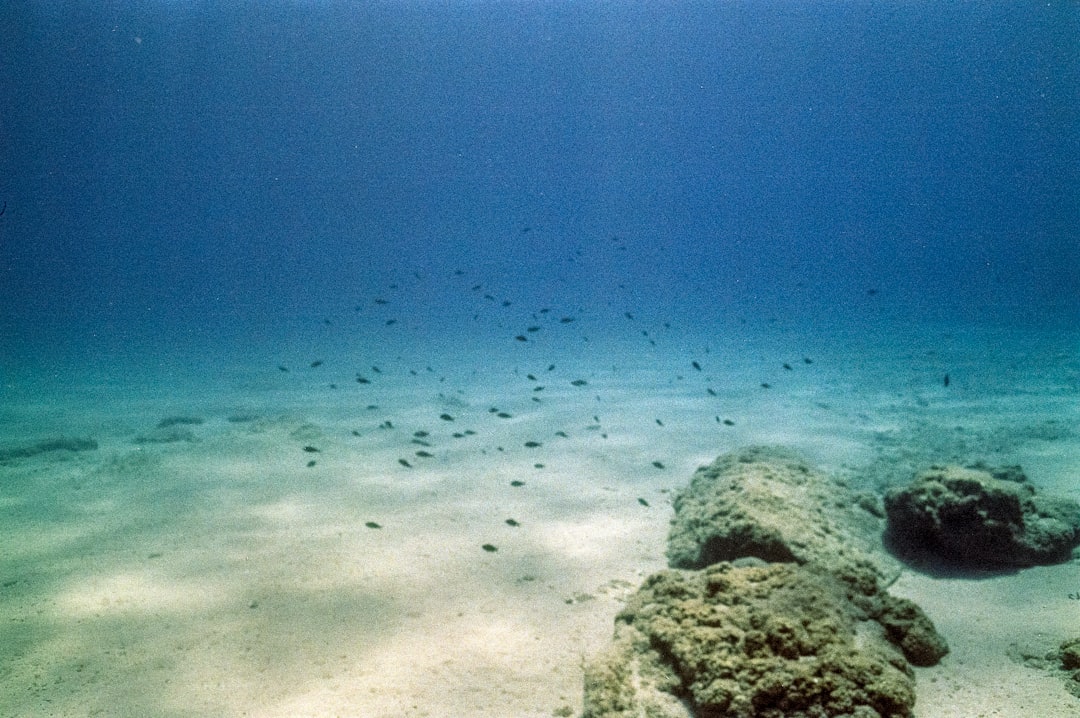
Piran Aquarium — Located on the harbor, this small but charming aquarium showcases the marine life of the Adriatic Sea. It's a great stop for families and anyone interested in the local ecosystem. The aquarium features touch pools, interactive exhibits, and information about the importance of marine conservation. Entry fee is around 6 EUR. The best time to visit is mid-morning when the exhibits are less crowded.
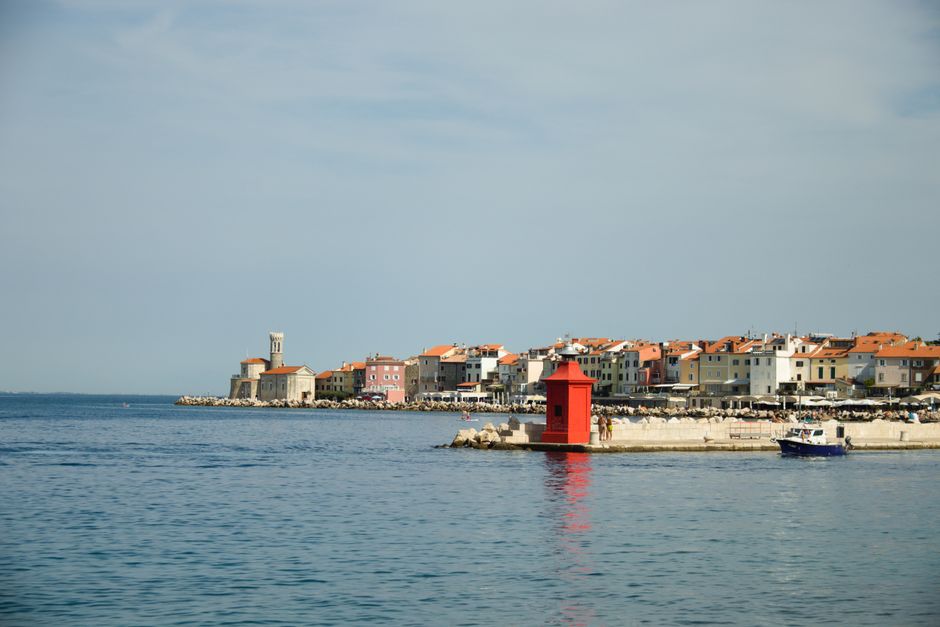
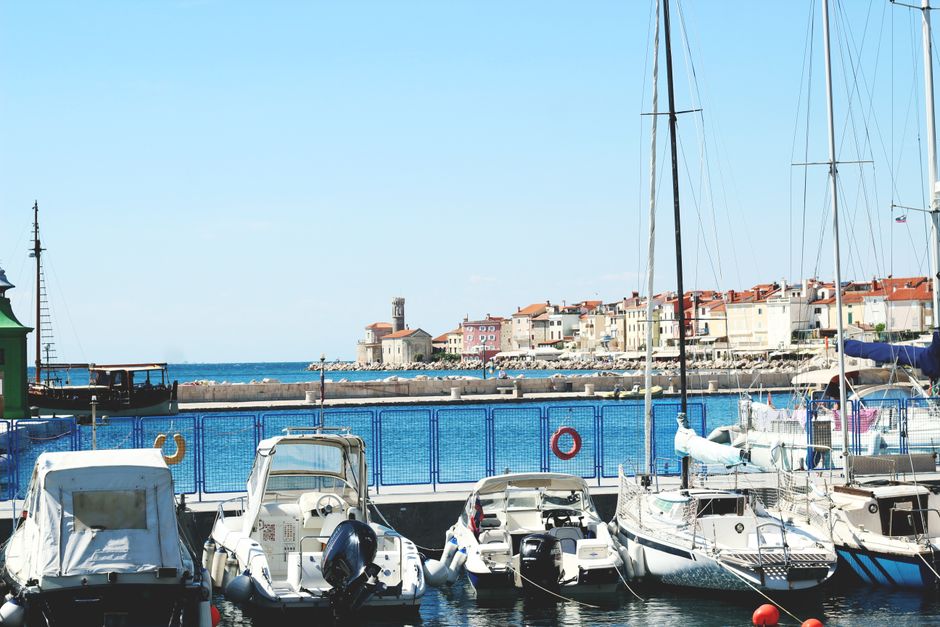
Harbor of Piran — The harbor is a lively area filled with fishing boats, restaurants, and shops. It's a great place to watch the daily activities of the local fishermen and enjoy a meal by the water. The atmosphere is relaxed and authentic, with the smell of fresh fish and the sound of waves lapping against the boats. There is no entry fee, and it's best to visit in the early morning to see the boats return from their night's catch.
What to Eat & Drink
The food in Piran is a reflection of its coastal location and Venetian history. You can't miss the seafood, which is fresh and expertly prepared. Grilled Octopus is a must-try, typically served with olive oil, lemon, and potatoes, costing around 12-15 EUR. Friškoli, small pasta shells filled with meat or cheese, are a local specialty, available for about 8-10 EUR. Prošut, a type of dry-cured ham, is another staple, often served as an appetizer for 6-8 EUR. White Wine from the surrounding region pairs perfectly with the seafood, with a glass costing 3-5 EUR. Kranjska Klobasa, a traditional sausage, is also popular, costing around 4-6 EUR per serving.
For budget travelers, street food options like fish soup and grilled sardines are available for under 5 EUR per meal. Sit-down local restaurants typically charge 15-25 EUR per person, while mid-range options range from 25-40 EUR. The Harbor Area is known for its concentration of seafood restaurants, while the Old Town offers a mix of cafes and traditional eateries. Take-away options are plentiful, especially near the market, where you can find fresh fish and produce for a fraction of the restaurant price.
Nightlife
While Piran is not known for wild nightlife, it has a charming and relaxed evening scene. The Tartini Square comes alive at night with live music and open-air cafes. Cafe San Marco is a popular spot for cocktails and conversation, with a cover charge of 5-10 EUR for drinks. Bar Piran offers a more laid-back atmosphere with local beers and wines, costing around 3-5 EUR per drink. The Harbor Area has a few bars that stay open late, offering live music and a view of the sea. The vibe is more about enjoying the moment than partying until dawn.
Getting There & What to Expect
The nearest major airport is Ljubljana Jože Pučnik Airport, which is about 100 km away and takes approximately 1.5 hours to drive. From Ljubljana, you can also take a bus, which costs around 10-15 EUR and takes about 2 hours. Trieste Airport in Italy is another option, located just 30 km away, with a bus or taxi ride taking about 45 minutes and costing 15-20 EUR. By car, Piran is easily accessible from the A1 highway, with parking available in the city center for 2-3 EUR per hour. Buses from Ljubljana and Koper run frequently, with tickets costing 5-10 EUR.
Accommodation in Piran ranges from budget hostels at 20-40 EUR per night to mid-range hotels at 60-120 EUR per night. The best months to visit are May to June and September to October, when the weather is pleasant and the crowds are smaller. Summer (July-August) is peak season, with higher prices and more tourists. The pebble beaches are best enjoyed in the summer, but the city itself is charming year-round. Bring comfortable shoes for walking on the cobblestones and pebbles, and don't forget a towel for the beach.
Search accommodation in Piran on Booking.com →
The Final Word on Stones and Salt
I left Piran with sand in my shoes? No. I left with pebbles. Small, smooth stones that fit perfectly in the palm of your hand, reminders of a place that doesn't try to be soft. It doesn't try to be easy. It just is. The Adriatic doesn't caress the shore here; it sculpts it. And maybe that's the point. In a world of curated experiences and polished destinations, Piran stands as a testament to the beauty of the rough, the real, and the unapologetically authentic. You come for the beach, but you stay for the soul of the city, which is as hard and enduring as the stones under your feet.
Comments