


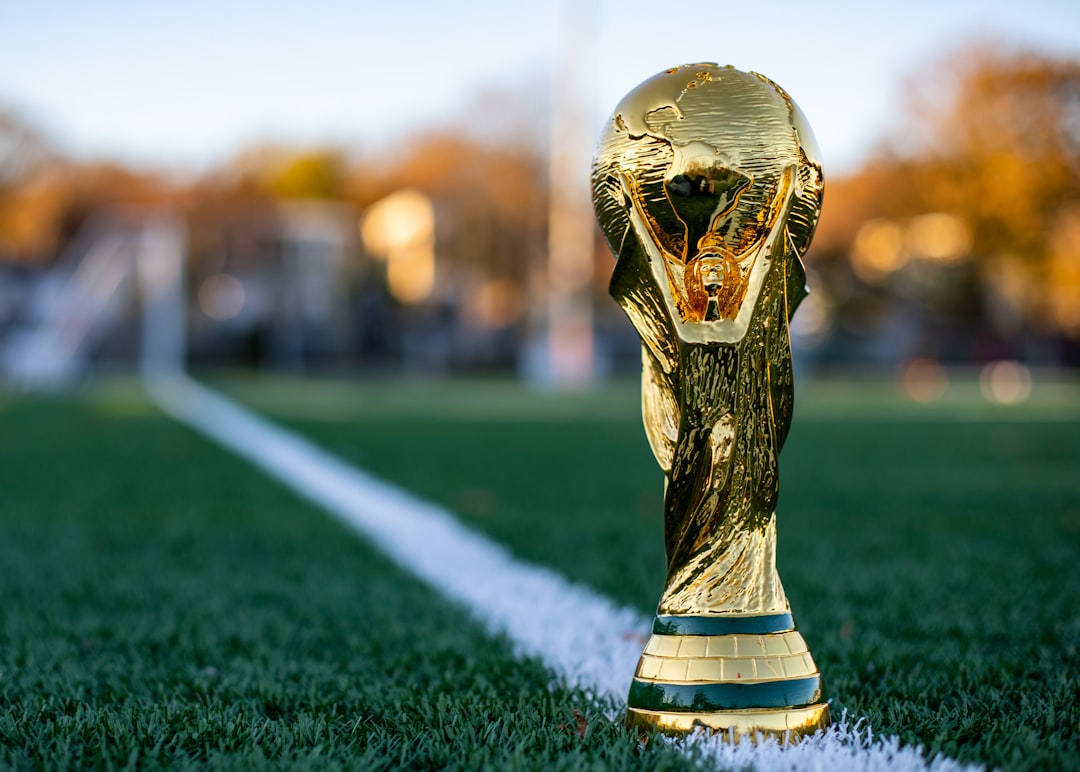
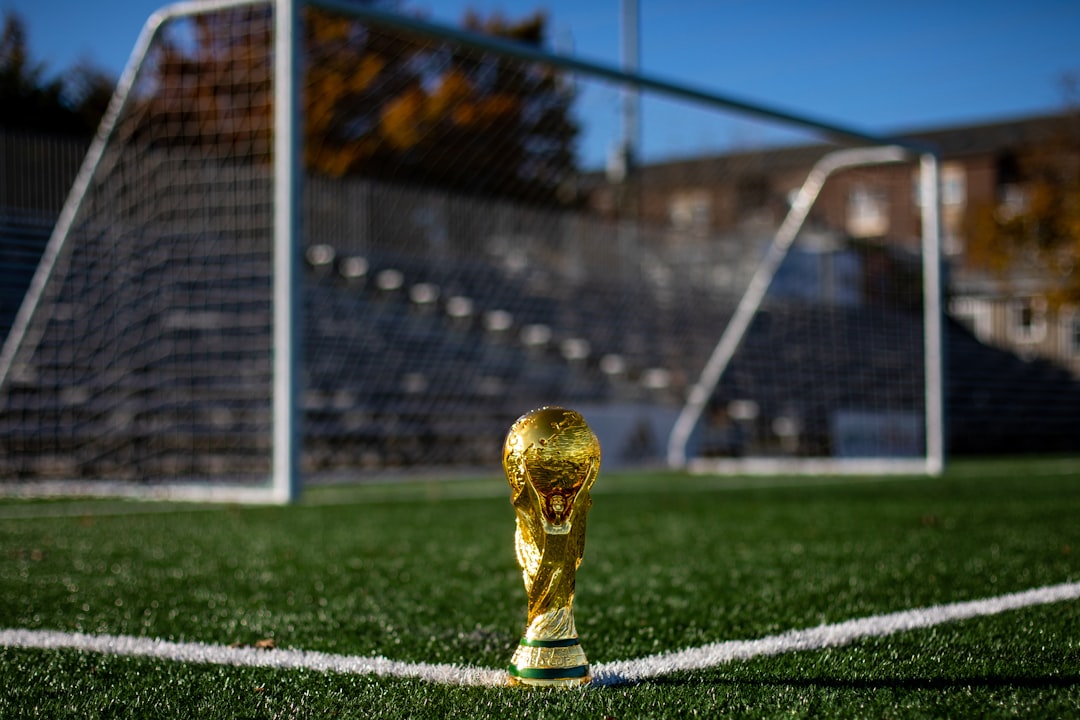
The global anticipation for the next FIFA World Cup is reaching a fever pitch, with fans and analysts alike turning their attention to the structural and logistical changes that promise to redefine the tournament. As the governing body of world football, FIFA, prepares for the 2026 edition, the conversation has shifted from simple match scheduling to the profound implications of expanding the competition to 48 teams. This expansion is not merely a numerical adjustment; it represents a seismic shift in how the world’s most-watched sporting event operates, impacting qualification pathways, broadcasting rights, and the competitive balance across continents. For audiences in the Balkans and beyond, understanding these changes is essential, as they directly influence the chances of regional nations like Serbia, Croatia, and Romania to secure their place on the global stage.
The trending interest in "FIFA World Cup games" reflects a broader curiosity about the future format. With the 2026 tournament set to be hosted jointly by the United States, Canada, and Mexico, the stage is being set for a spectacle of unprecedented scale. The inclusion of more teams means more matches, more revenue, and a more diverse representation of footballing cultures. However, it also raises questions about the dilution of competitive intensity and the logistical challenges of hosting 104 matches across multiple time zones. As fans engage with content discussing past tournaments and future prospects, the focus remains on how this evolution will affect the nations that have historically been the heartland of European football, including the Balkan states.
The Structural Shift to 48 Teams
The decision to expand the World Cup from 32 to 48 teams was ratified by the FIFA Congress in 2023, marking a significant departure from the format established in 1998. This expansion allows for a more inclusive competition, giving smaller nations a realistic pathway to qualification. For the Balkan region, this is particularly significant. Nations that have historically struggled to break through the intense competition in UEFA qualifying rounds, such as Bosnia and Herzegovina, North Macedonia, and Montenegro, now have enhanced opportunities to participate. The additional slots allocated to UEFA mean that the margin for error in qualifying campaigns is slightly larger, though the competition remains fierce.
The new format introduces a group stage consisting of 12 groups of four teams, with the top two from each group advancing to a new round of 32, followed by the traditional knockout stages. This structure aims to maintain the excitement of the early rounds while accommodating the larger field. However, it also means that teams must navigate a more complex path to the final. For Balkan fans, who are deeply passionate about their national teams, this complexity adds a layer of strategic depth to every qualifying match. The implication is that every point in the qualifiers becomes more valuable, as the difference between participation and exclusion can hinge on a single result.
Critics of the expansion argue that it may lead to a dilution of quality, with more low-tier teams participating in the tournament. However, proponents counter that it fosters development and increases global engagement. The financial implications are also substantial, with FIFA expecting record revenues from broadcasting and sponsorship deals. These funds are earmarked for development programs, which could benefit football infrastructure in the Balkans and other emerging football regions. The debate over the expansion continues to dominate sports media, with experts weighing the pros and cons of a larger, more inclusive tournament.
The Balkan Angle: Qualification and Expectations
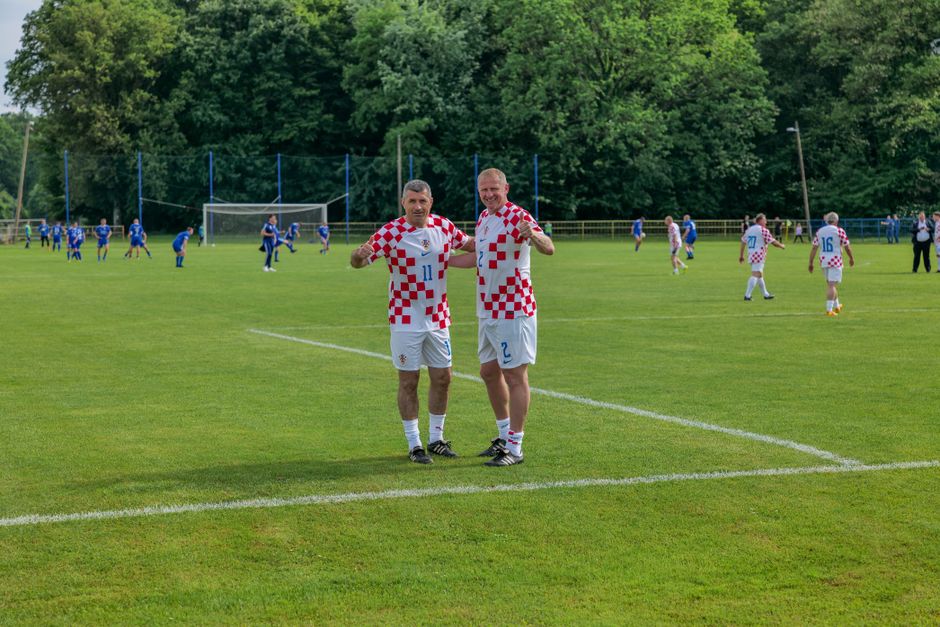
The Balkan region has a rich footballing heritage, producing legendary players and memorable tournament moments. From Davor Šuker’s golden boot performance in 1998 to Luka Modrić’s Ballon d’Or-winning campaign in 2018, Balkan nations have consistently punched above their weight. The expansion to 48 teams offers these nations a renewed chance to showcase their talent on the world stage. For countries like Greece, whose last World Cup appearance was in 2014, the new format provides a tangible opportunity to return to the global spotlight. The psychological boost of knowing that the path to qualification is slightly more accessible could be a significant factor in upcoming campaigns.
Moreover, the Balkan nations are known for their tactical discipline and passionate fan bases, which contribute to the unique atmosphere of their matches. The integration of these teams into a larger World Cup field could enhance the cultural diversity of the tournament, offering fans a broader range of footballing styles and narratives. For international audiences, the Balkan teams represent a compelling story of resilience and skill, often overcoming logistical and economic challenges to compete at the highest level. The trending interest in World Cup games is partly driven by this curiosity about how these underdog narratives will unfold in the expanded format.
The logistical challenges for Balkan fans attending the 2026 World Cup in North America are also a topic of discussion. Travel costs, visa requirements, and time zone differences pose significant hurdles for supporters traveling from Europe. However, the digital age has made it easier for fans to engage with the tournament remotely, through live streams and social media platforms. This digital engagement is crucial for maintaining the connection between Balkan supporters and their national teams, ensuring that the passion for the game remains strong despite the geographical distance.
Looking Ahead: What Fans Should Watch For
As the 2026 World Cup approaches, the focus will shift to the qualification process, which is already underway for many confederations. For Balkan nations, the UEFA qualifiers will be a critical test of their readiness and determination. Fans should pay close attention to the performance of key players, the tactical setups of national coaches, and the results of head-to-head matches between regional rivals. These elements will determine which teams advance to the World Cup and how they perform in the group stages. The narrative of the tournament will be shaped by these early battles, making every qualifying match a potential milestone.
In addition to the on-field action, the off-field developments will also be significant. FIFA’s efforts to promote sustainability and social responsibility in hosting the tournament will be closely monitored. The use of technology, such as Video Assistant Referee (VAR) and semi-automated offside technology, will continue to evolve, impacting the flow and fairness of the games. For Balkan fans, understanding these technological advancements is essential, as they will influence the outcome of matches and the overall experience of the tournament. The intersection of tradition and innovation will define the next era of the World Cup.
Ultimately, the expansion of the World Cup represents a new chapter in football history, one that offers both opportunities and challenges for all participating nations. For the Balkan region, it is a chance to reaffirm its place in the global football community, to celebrate its rich heritage, and to inspire the next generation of players. As fans engage with the trending topics surrounding the World Cup, they are not just following a sport; they are participating in a global cultural phenomenon that connects people across borders and languages. The next World Cup will be a testament to the enduring power of football to unite and inspire, and the Balkan nations will play a vital role in that story.
Comments