


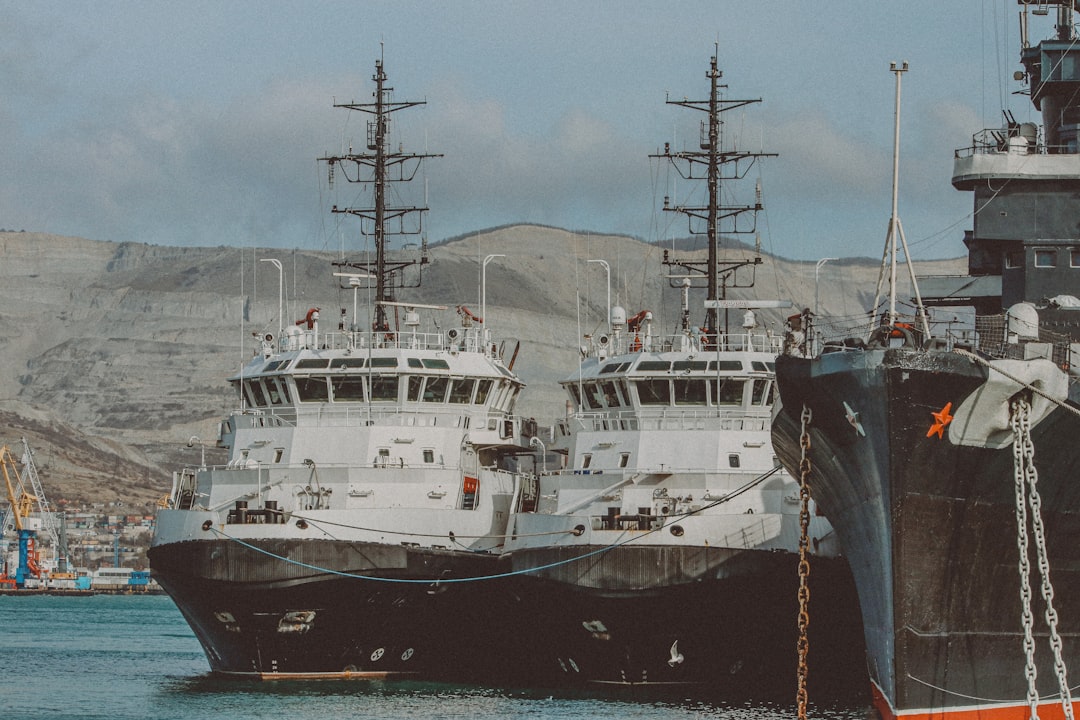
The term Novorossiya, translating to "New Russia," has surged in geopolitical discourse once again, not as a geographic reality, but as a potent ideological weapon. Historically referring to the southern territories of modern-day Ukraine and parts of southern Russia annexed by the Russian Empire in the 18th and 19th centuries, the concept has been resurrected by Russian state media and political rhetoric to justify ongoing military aggression. For audiences in the Balkans, where historical narratives often intersect with modern political identity, understanding the manipulation of "Novorossiya" offers critical insight into how revisionist history drives current instability in Eastern Europe and the broader region.
Historical Origins and Imperial Expansion
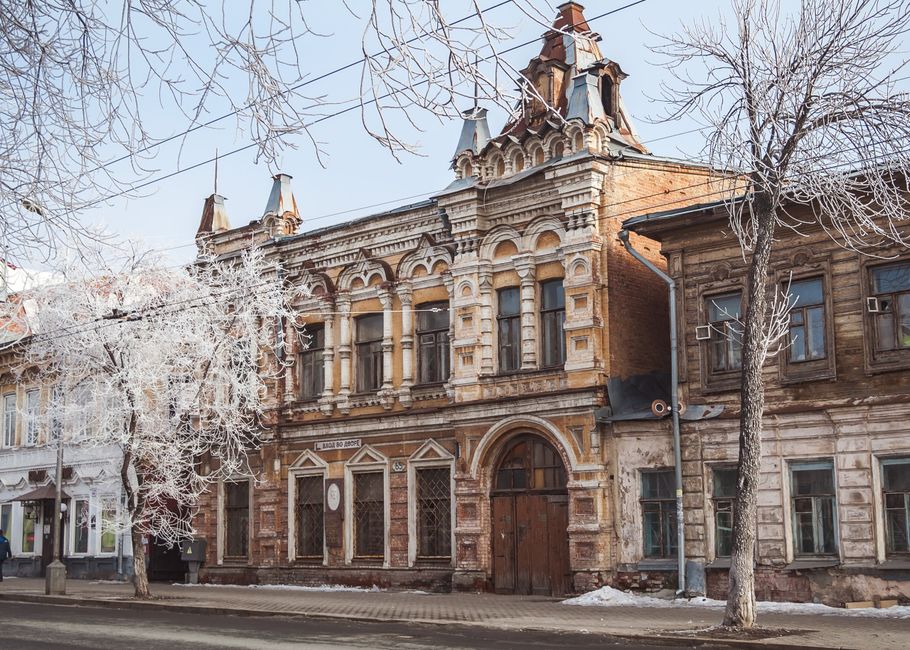
The concept of Novorossiya dates back to the late 18th century, following the Russo-Turkish Wars. After the Treaty of Küçük Kaynarca in 1774 and the Treaty of Jassy in 1792, the Russian Empire gained control over vast territories along the northern Black Sea coast. These lands, previously part of the Ottoman Empire and inhabited by diverse groups including Crimean Tatars, Nogai Tatars, and Ukrainian Cossacks, were organized into the Novorossiya Governorate in 1802. The name was deliberately chosen to signify the "new" Russian lands acquired through imperial expansion, distinguishing them from the older, central Russian territories.
At its height, the Novorossiya Governorate included modern-day Kherson, Zaporizhzhia, Dnipropetrovsk, and parts of Odesa and Mykolaiv regions in Ukraine, as well as Rostov Oblast in Russia. The Russian administration actively encouraged the settlement of these areas by ethnic Russians and other Slavic groups, gradually altering the demographic landscape. This period of colonization was marked by the suppression of local indigenous cultures and languages, a pattern that echoes in contemporary narratives where historical conquest is reframed as "reunification" or "liberation."
The Modern Political Weaponization
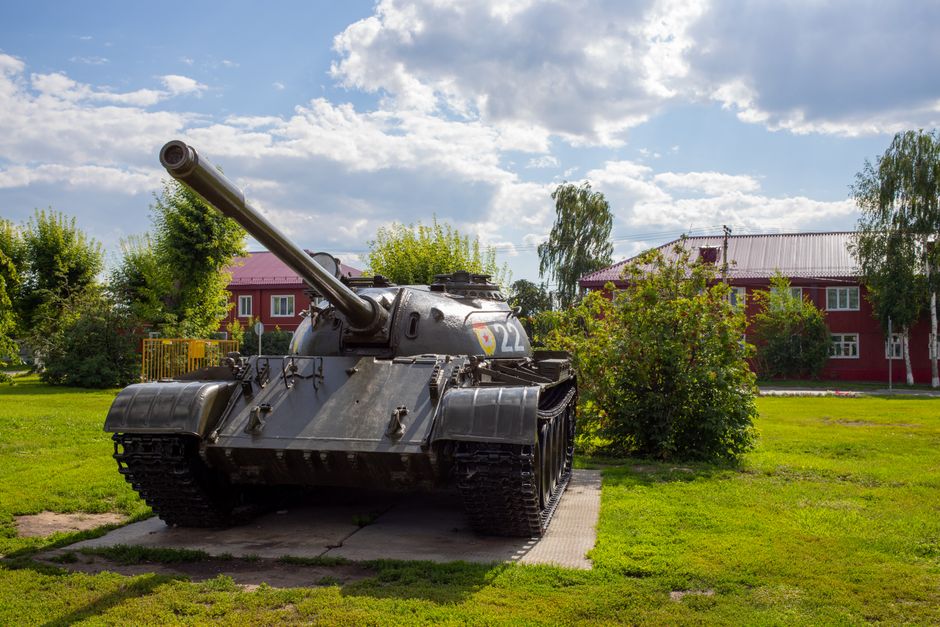
In the 21st century, the term Novorossiya was revived by Russian nationalist groups and eventually adopted by state-aligned media to describe the eastern Ukrainian regions of Donetsk and Luhansk. Following the Euromaidan protests in 2014 and the subsequent annexation of Crimea, pro-Russian separatists declared the creation of the "Novorossiya Federation," aiming to unite these breakaway regions. Although this political entity was short-lived and never gained international recognition, the ideological framework persisted. Today, Russian officials invoke Novorossiya to legitimize their military campaign in southern and eastern Ukraine, framing the invasion as a historical correction rather than an act of aggression.
This narrative relies on the erasure of Ukrainian statehood and identity, portraying Ukraine as an artificial construct imposed by foreign powers. By referencing Novorossiya, Russian leaders tap into a sense of imperial nostalgia among certain segments of the population, suggesting that Ukraine's current borders are illegitimate. This rhetoric is amplified through state-controlled media outlets, which consistently depict the war as a defensive measure against "neo-Nazis" and Western influence, despite widespread international condemnation and evidence of war crimes. The manipulation of historical memory serves to desensitize the domestic audience to the realities of conflict and justify prolonged military engagement.
Implications for the Balkans and Regional Stability
While Novorossiya is a specific concept tied to the Russia-Ukraine conflict, its underlying mechanisms resonate deeply in the Balkans. The region has experienced its own share of ethno-nationalist conflicts in the 1990s, often fueled by similar historical grievances and territorial ambitions. Countries like Serbia, Bosnia and Herzegovina, and North Macedonia continue to grapple with the legacy of these wars, where historical narratives are frequently politicized to serve contemporary agendas. The Russian strategy of leveraging historical claims to justify modern aggression serves as a cautionary tale for Balkan nations, highlighting the dangers of allowing historical revisionism to overshadow diplomatic solutions.
Furthermore, the energy and security dependencies that characterize much of the Balkan region make it vulnerable to external influence. Russia has long sought to maintain leverage in the Balkans through energy supplies, political alliances, and cultural ties. The Novorossiya narrative, while geographically distant, reinforces a broader geopolitical stance that challenges the sovereignty of neighboring states and undermines the rules-based international order. For Balkan countries aspiring for European Union and NATO membership, understanding and countering such narratives is essential to safeguarding their own democratic institutions and territorial integrity.
The ongoing conflict in Ukraine demonstrates how easily historical concepts can be twisted to serve imperial ambitions. As the war continues to evolve, the term Novorossiya will likely remain a key component of Russian propaganda, symbolizing the clash between historical myth and contemporary reality. For the Balkans, the lesson is clear: vigilance against historical manipulation is not just an academic concern, but a practical necessity for maintaining peace and stability in a volatile neighborhood.



Comments